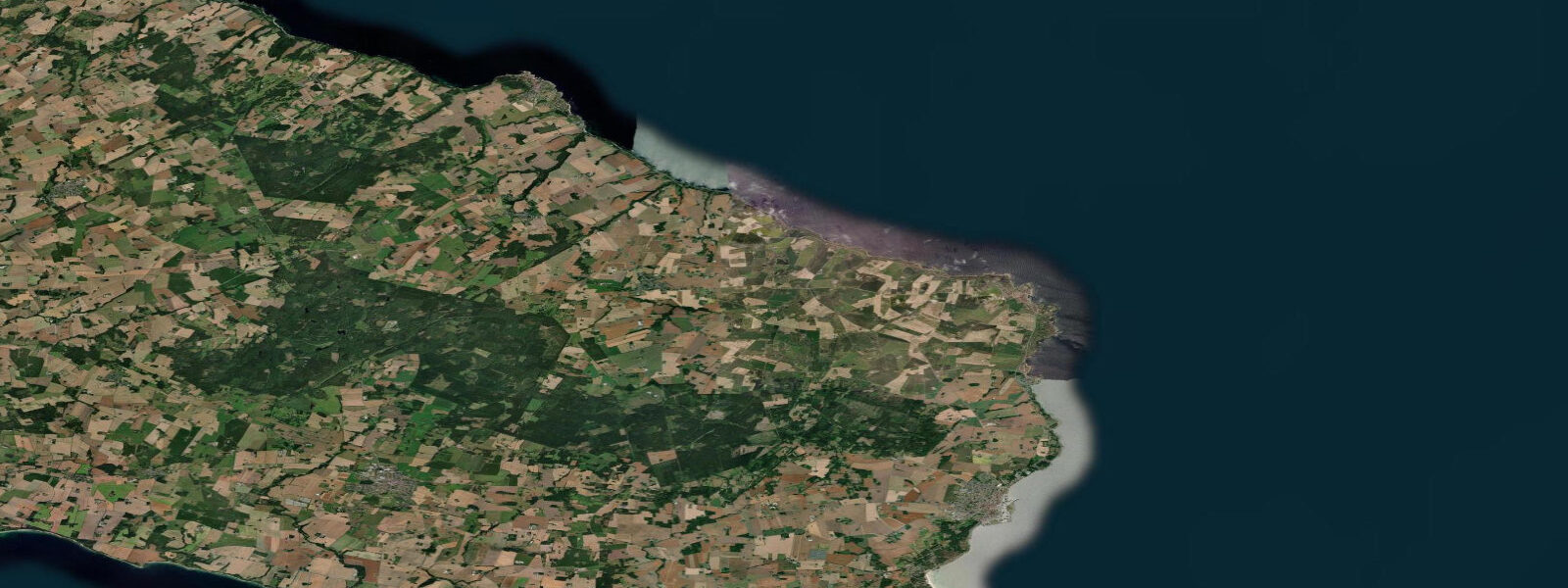
Nexø tide times
Nexø tide forecast — heights relative to MSL.
Tide chart for Nexø
24-hour cosine-interpolated curve around the present moment. Heights relative to MSL. Predictions: Predictions: Open-Meteo Marine (MeteoFrance SMOC, 0.08° grid).
Sun, moon and conditions on Tue 04 Aug
Snapshot at build time — refreshes daily. Sea state from Open-Meteo Marine.
Highs and lows next 7 days
Every predicted high and low for the next week, with the daily tidal coefficient (0–120; higher = bigger swing, > 95 means stronger currents).
Other spots nearby
The three closest curated TideTurtle locations to Nexø, measured by great-circle distance.
Today's solunar windows
Solunar tradition: major periods are the ≈3h windows around moon transit and opposition; minor are ≈2h around moonrise and moonset. Pair with the local tide stage and wind for the best read.
About tides at Nexø
A short guide to the coastline at Nexø — geography, sea state, and what the tide is actually doing under your feet.
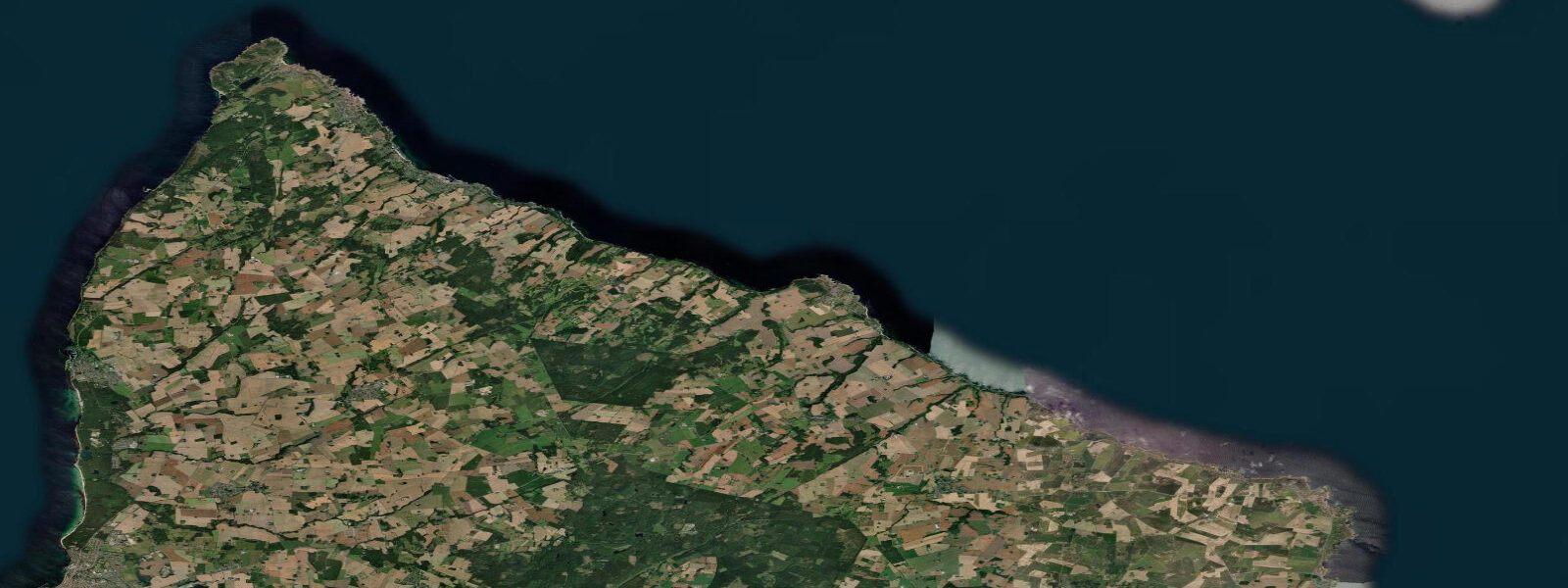
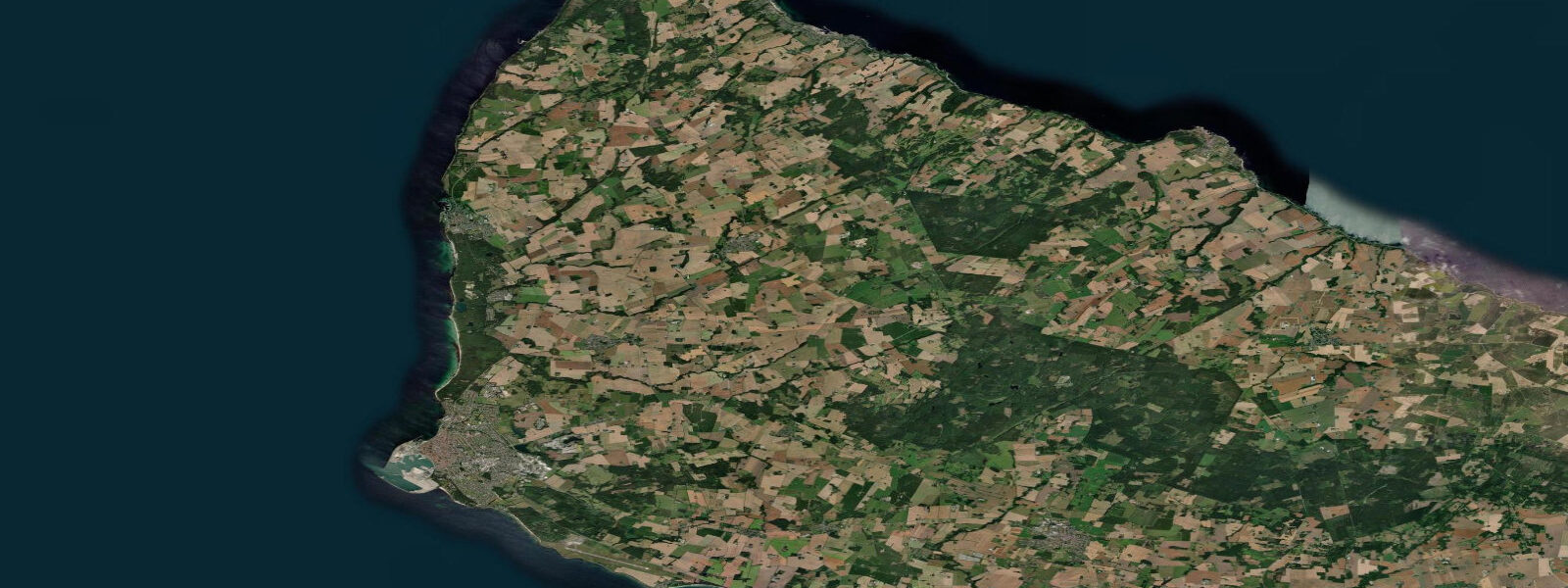
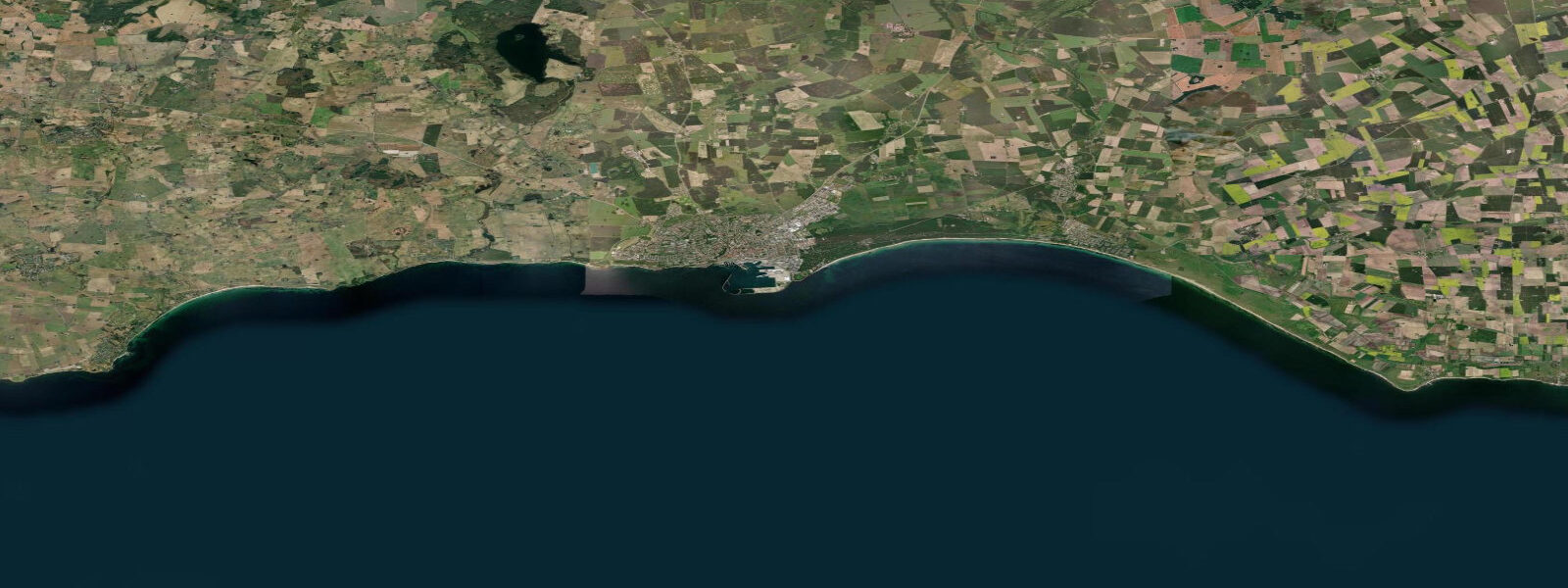
Nexø sits on Bornholm's eastern coast, the island's second port and the closest point on Danish territory to Poland and the Baltic states. The town is functional more than picturesque — a working fishing harbour, a small marina, and a grid of houses behind the quay — but it gives access to the southeastern corner of the island where Bornholm's most distinctive landscapes are found: white sand dunes at Dueodde, amber-bearing shorelines, and flatfish shallows.
The tidal range at Nexø is 0.03–0.05 m. On the east coast of Bornholm, wind setup pushes water toward the shore in easterly and southeasterly conditions — the same Stau mechanism that operates across the whole Baltic, but on this coast it is the onshore direction that raises sea level. A deep Baltic low tracking northeast with winds backing from south to southeast can add 0.3–0.4 m above the monthly mean. Persistent strong westerlies drain this coast and can leave the harbour approach noticeably shallower than charted, which matters for boats drawing more than 1.5 m entering the marina at Nexø.
Dueodde at the southern tip of Bornholm, 10 km south of Nexø, is one of the finest beaches in the Baltic Sea. The sand is white and fine enough to have been used historically as hourglass sand and as blotting powder for wet ink. The dunes behind the beach rise to 8 m, backed by pine forest. The lighthouse at Dueodde — a 47 m red-brick tower built in 1884 — is visible 20 km offshore and can be climbed (May–September) for a panoramic view across the southern Baltic. On a clear day, the Swedish coast at Ystad and the German island of Rügen are visible simultaneously.
Amber collecting is a productive autumn activity along the Nexø and Dueodde shoreline. Baltic amber (succinite) is resin from forests that covered the northern European plain 35–50 million years ago, washed out from submarine deposits and carried ashore by storms. The best collecting conditions are the day after a northerly or westerly gale, when storm-churned water brings fresh amber to the beach. Dueodde's west-facing beach sections receive the most amber from westerly storms. Pieces range from translucent yellow chips to cloudy orange nodules; insects trapped in Baltic amber are less common than in Burmese amber but not unknown. No special permit is required for casual collecting.
Flatfish — plaice, flounder, and turbot — use the sandy shallows of the south and east Bornholm coast for feeding. The flat bottom from Nexø south to Dueodde and around the tip is 2–8 m deep for 500–800 m offshore, ideal flatfish habitat. Shore anglers work the beach at dawn and dusk with ragworm or small lures. Turbot specifically favour the areas where the sandy bottom transitions to coarser gravel — often 300–500 m offshore in 4–6 m water. A Danish fishing licence (fisketegn) is required and costs approximately DKK 185 per year or DKK 130 for a week; purchase online at fisketegn.dk before fishing.
Sailing on the Baltic out of Nexø marina requires no tidal planning — the 5 cm range is irrelevant to harbour entry timing. The relevant variables are wind and sea state. The east coast of Bornholm is exposed to Baltic fetch from Poland, Sweden, and Finland, and can develop a steep, short swell in northeasterly conditions. The Nexø–Christiansø route (18 km northeast to the fortified island) is a popular day sail in settled summer weather, typically 3–4 hours each way.
Christianssø, 18 km northeast of Nexø, is a Unesco World Heritage candidate and one of the most remote inhabited outposts in Danish territory — a cluster of granite rocks with a 17th-century fortress, permanent population of 90, and a day-visitor harbour open May through September. Day boats from Nexø run three times daily in summer. The island has no cars, no dogs, and no mains electricity.
Tidal predictions here use the Open-Meteo Marine gridded model (±45 minutes on timing, ±0.3 m on height). Not for navigation.
Tide questions about Nexø
Quick answers to the most common questions about tide times, range, and water access at Nexø.
Is Dueodde beach worth visiting and what is the best time to go?
Dueodde consistently ranks among the finest beaches in the Baltic — white sand fine enough to have been used as hourglass sand, 8 m dunes backed by pine forest, and water that warms to 18–20°C by late June. The best timing is early morning on a calm weekday in June or early September, when the beach is empty and the light comes from the east across flat water. Midsummer weekends bring Danes from Copenhagen and tourists from Germany; arrive before 09:00 or after 17:00. The lighthouse at Dueodde is climbable May–September and worth the 150-step ascent.
How do I find Baltic amber on the beaches near Nexø?
The best amber collecting conditions are the day after a northerly or westerly storm, when wave action churns submarine amber deposits and deposits fresh pieces on the beach. Dueodde's west-facing sections and the beach north of Nexø toward Snogebæk are the most productive stretches. Walk the high-water line — amber is lighter than seawater and collects with seaweed and other buoyant material at the storm-line mark. Pieces are typically 0.5–5 cm and range from transparent lemon-yellow to opaque orange. No permit is needed. Morning, with low sun from the east, is the best light for spotting amber among wet pebbles.
Can I do a day trip by boat from Nexø to Christianssø?
Yes — a day boat operates from Nexø to Christianssø three times daily from May through September (schedule varies; check ertholmene.dk for current timetables). The crossing is 18 km and takes about 1 hour. Christianssø is a 17th-century fortress island with a permanent population of 90, no cars, no dogs, no mains electricity, and a small visitor harbour. Day visitors can walk the entire island in 45 minutes and have lunch at the single restaurant. Boats sell out in July and August — book online at least a week ahead. The day trip is suitable for all ages.
What flatfish can I catch from the beach at Dueodde and when?
Plaice, flounder, and turbot all use the sandy shallows around Dueodde and the east coast of Bornholm. The flat 2–8 m bottom extends 500–800 m offshore — ideal flatfish feeding territory. Shore anglers cast from the beach at dawn and dusk using ragworm on a running ledger, or small lures dragged slowly across the bottom. Turbot favour the sand-to-gravel transition at 300–500 m offshore and 4–6 m depth. A Danish fishing licence is required (fisketegn.dk, approx. DKK 185/year or DKK 130/week). May and September are the most productive months.
How does wind-driven sea level change affect boating in Nexø harbour?
Unlike tidal harbours where you plan entry around predicted high water times, Nexø requires monitoring wind-driven sea level (Stau). Persistent strong westerlies drain water from the east Bornholm coast, temporarily reducing the harbour approach depth by 0.2–0.3 m below chart datum. For boats drawing more than 1.5 m, this can make the outer approach marginal. Check the DMI storm surge forecast (dmi.dk/hav) before approach in post-gale conditions. Easterly winds do the opposite — push water onshore and raise harbour depth above charted values. There is no tidal prediction to consult; the DMI model is the only useful forecast.
0-day tide table — Nexø
Heights relative to MSL. Predictions: Open-Meteo Marine (MeteoFrance SMOC, 0.08° grid) — heights relative to MSL (not chart datum / LAT). Model-derived.
| Day | Type | Time | Height |
|---|