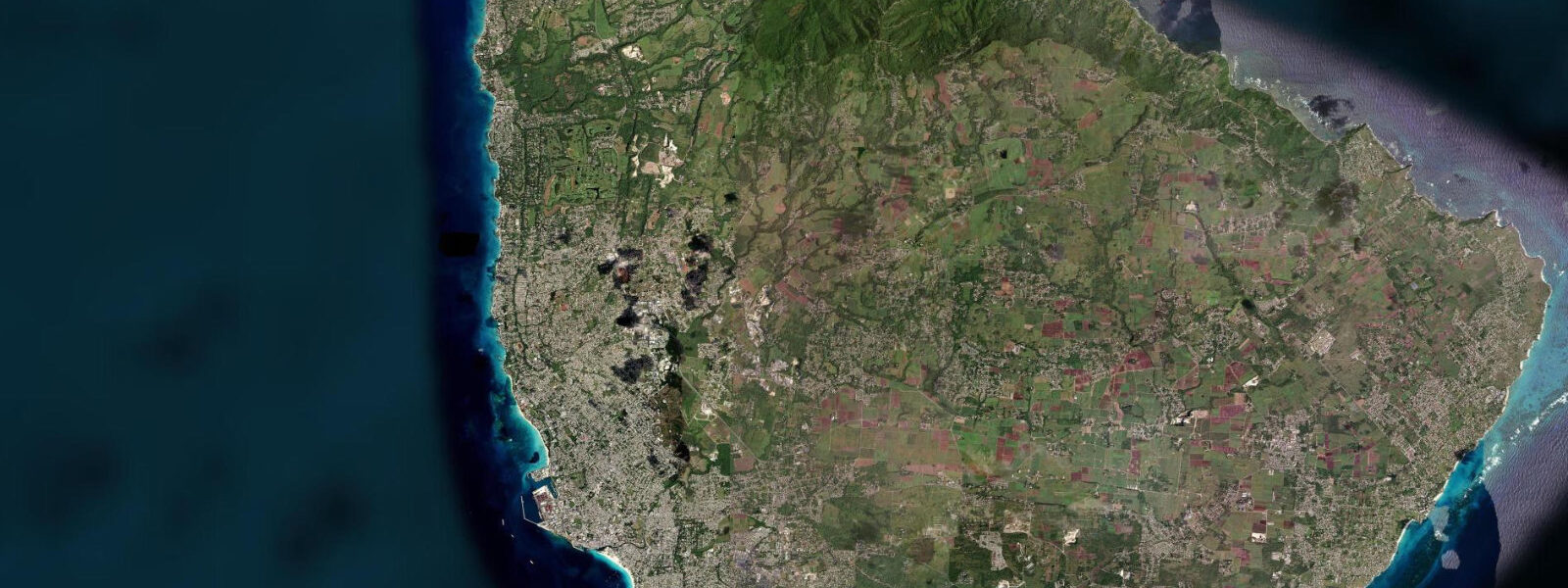
Pebbles Beach, Barbados tide times
Pebbles Beach, Barbados tide forecast — heights relative to MSL.
Today's tide times for Pebbles Beach, Barbados
Tide times at Pebbles Beach, Barbados on Monday, 3 August 2026: first high tide at 05:42am, first low tide at 11:50am, second high tide at 06:12pm. Sunrise 05:44am, sunset 06:24pm.
Tide chart for Pebbles Beach, Barbados
24-hour cosine-interpolated curve around the present moment. Heights relative to MSL. Predictions: Predictions: Open-Meteo Marine (MeteoFrance SMOC, 0.08° grid).
Sun, moon and conditions on Mon 03 Aug
Snapshot at build time — refreshes daily. Sea state from Open-Meteo Marine.
Highs and lows next 7 days
Every predicted high and low for the next week, with the daily tidal coefficient (0–120; higher = bigger swing, > 95 means stronger currents).
Other spots nearby
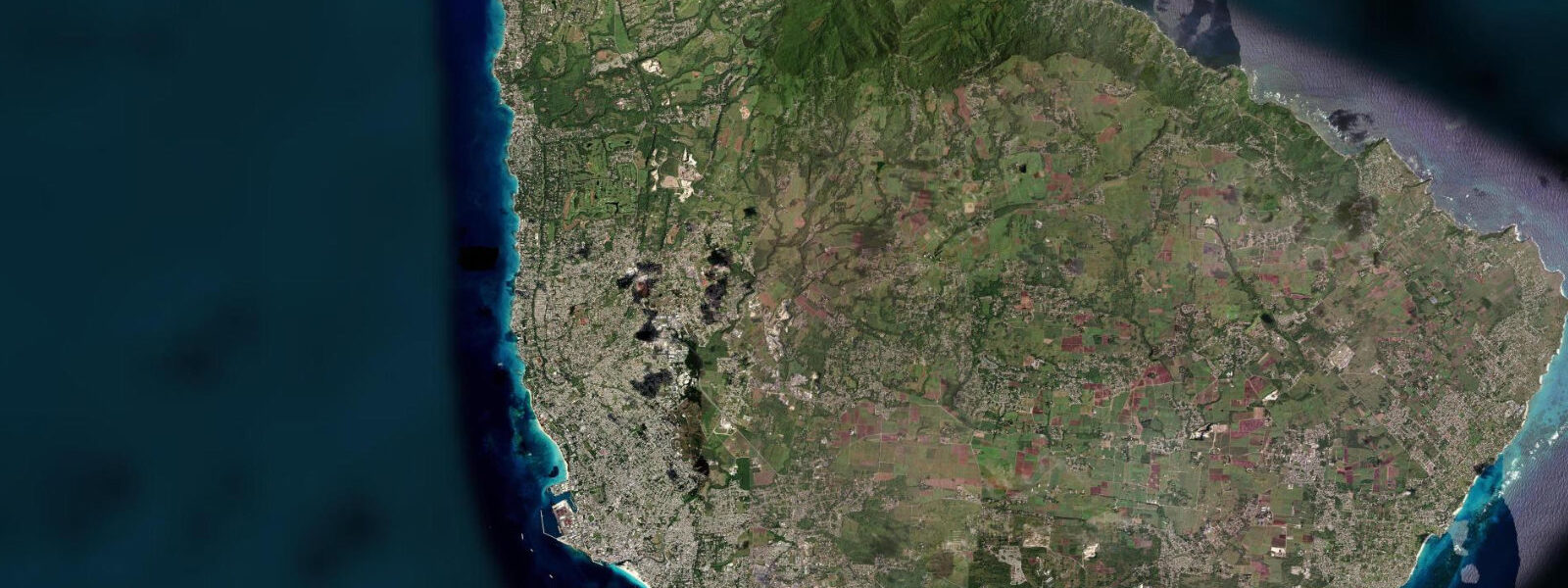
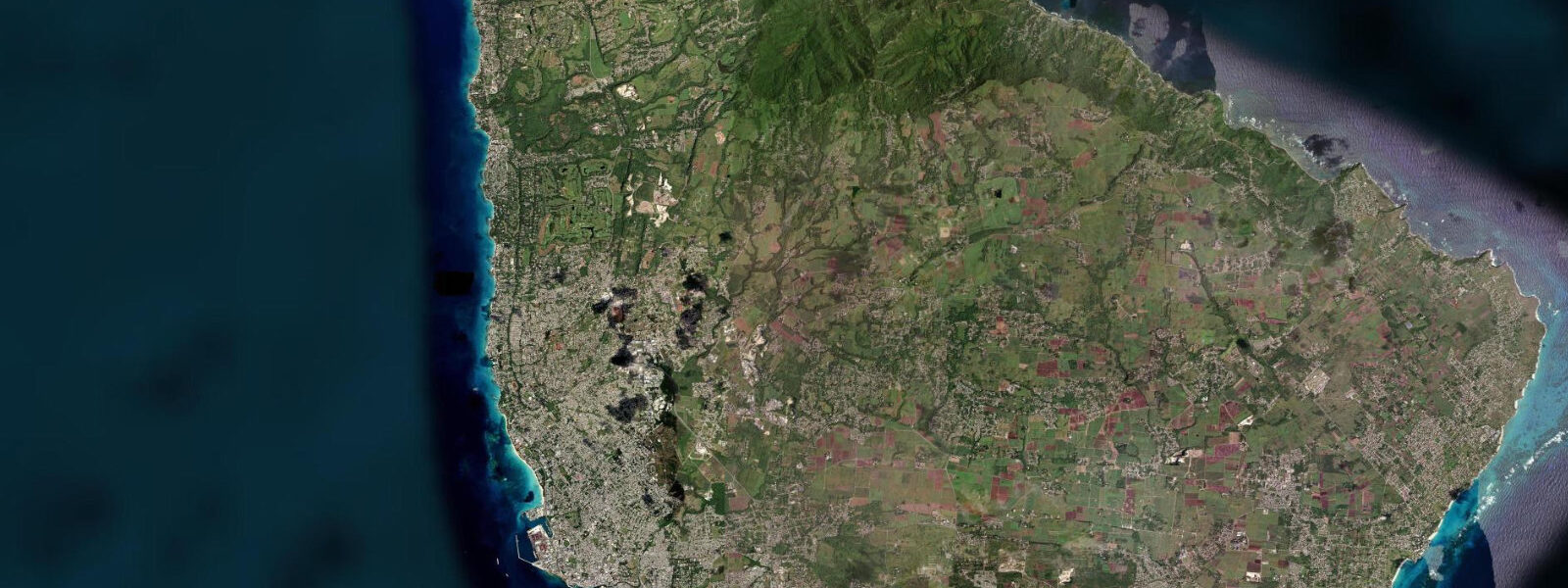
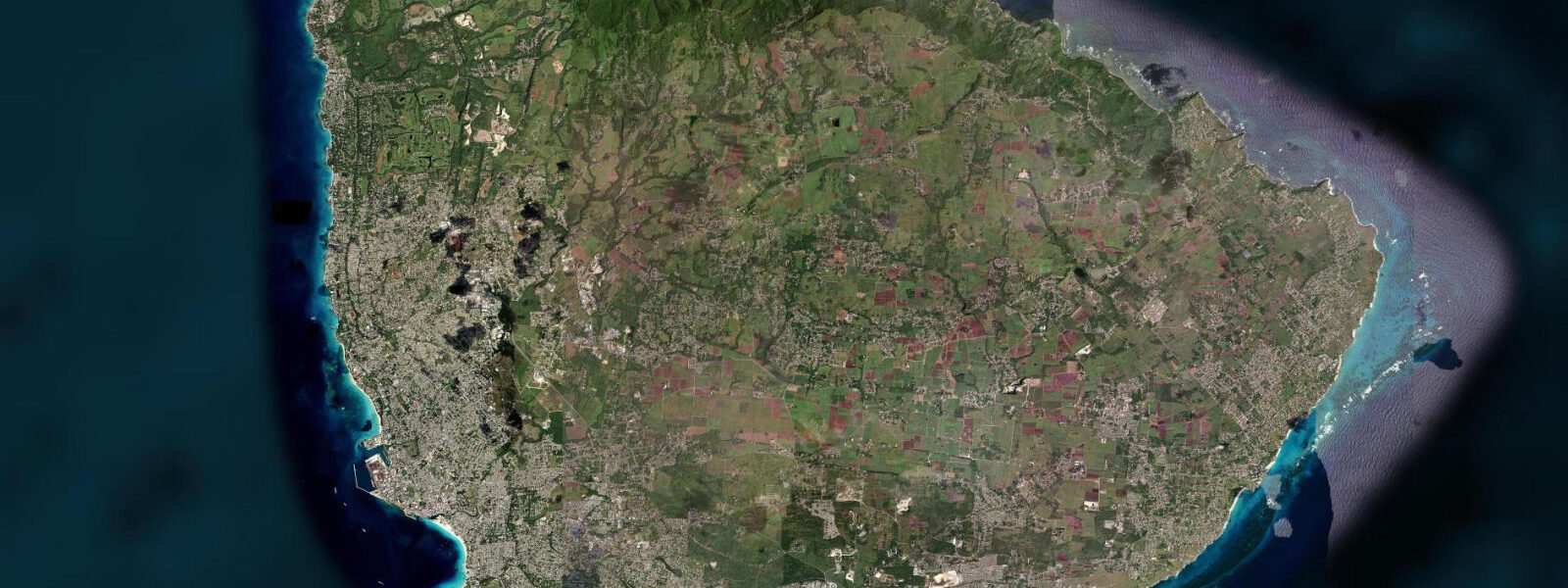
The three closest curated TideTurtle locations to Pebbles Beach, Barbados, measured by great-circle distance.
Today's solunar windows
Solunar tradition: major periods are the ≈3h windows around moon transit and opposition; minor are ≈2h around moonrise and moonset. Pair with the local tide stage and wind for the best read.
Cycle dates near Pebbles Beach, Barbados
Next spring tide on Sat 08 Aug (range 0.7m). Next neap on Wed 05 Aug.
Spring tides cluster around new and full moons (biggest swings). Neap tides land on quarter moons (smallest swings). See the spring tide and neap tide glossary entries for the why.
About tides at Pebbles Beach, Barbados
A short guide to the coastline at Pebbles Beach, Barbados — geography, sea state, and what the tide is actually doing under your feet.
Pebbles Beach — officially mapped as Aquatic Gap — is a 400 m west-facing strand on the south side of Carlisle Bay, separated from the larger Browne's Beach section to the north by the Aquatic Club marina. Its position at the southern arc of the bay gives it a slightly different character: a steeper beach gradient, longer afternoon sun exposure, and a direct sightline across the anchorage toward the open Caribbean.
The tidal range here, as across all of Carlisle Bay, runs 0.8–1.2 m on spring tides — large by Caribbean standards due to Barbados's Atlantic-facing exposure. The difference between high and low spring water on Pebbles Beach is pronounced. At high spring water the beach is 10–15 m of usable dry sand; at low spring water it expands to 30–40 m, and the water stays knee-deep for the first 20 m from shore. That low-water configuration — wide, flat, calm — is the most family-accessible setup on this section of the Bridgetown coast. The tidal cycle runs two highs and two lows per day; the exact times shift forward roughly 50 minutes each day through the spring-neap cycle.
The Aquatic Club sits at the northern end of the beach. It is the primary sailing and kayaking base in Barbados, operating dinghies, kayaks, and stand-up paddleboards from a protected marina entrance. The club's position at the junction of the bay and the Careenage approach channel makes tidal timing a real operational factor — the current in the Careenage channel runs 0.5–1.0 knots on spring tides, and flat-water paddlers who venture north from the beach toward Bridgetown need to account for it. Timing the outbound leg on the flood and returning before the ebb peaks is the standard approach for inexperienced paddlers.
The St Michael's Row reef lies roughly 100 m offshore from Pebbles Beach. At high water, the reef top sits at 2–3 m depth — good snorkelling with good visibility, but manageable for most swimmers. At low spring water, the shallowest coral heads rise to 0.5–1.0 m depth. At that stage, anyone without fins needs to be careful about contact — coral does not recover from repeated impact, and a confused swimmer in shallow water will damage it inadvertently. The correct approach at low water is to enter from the beach, swim out without touching the bottom, and descend to the reef from above. At high water the extra depth makes navigation easier and the fish life more relaxed: parrotfish, wrasse, and small reef fish are consistent, with an occasional green turtle tracking across the reef toward the deeper anchorage.
The beach gradient is noticeably steeper than on Browne's Beach. This affects children and weaker swimmers — the depth increases more quickly with distance, and at high water the beach shelf drops away within 5 m of the waterline. Low spring tide is the safer entry for families, and the wider, shallower beach at that stage offers more room to set up.
For photographers, Pebbles Beach gets uninterrupted western exposure, which means the afternoon light is clean and flat until the sun drops toward the horizon. At 17:30–18:00, the Bridgetown skyline to the north catches the last direct light, with the Carlisle Bay anchorage in the mid-ground and the Aquatic Club marina in the foreground. The beach faces directly west — no headland blocks the sunset.
Anglers do not typically fish Pebbles Beach itself — the anchorage traffic and recreational use rule out casting from shore. The offshore action is northwest of Needham's Point on the deep drop, accessible by charter from Bridgetown Harbour. From the beach, the container terminal is visible at the north end of the bay, providing orientation and a reminder of the working harbour context that frames this urban-edge beach.
Green turtles feed across Carlisle Bay year-round; sightings from the water at Pebbles Beach are less frequent than at the deeper wreck sites further north, but not unusual during morning snorkel sessions on the St Michael's Row reef. Nesting season on the broader Barbados south coast runs June through October — the beach itself is not a nesting site, but in-water sightings increase through those months.
Tide data for Pebbles Beach, Barbados comes from the Open-Meteo Marine API, a gridded model product. Timing accuracy is ±45 minutes, height accuracy ±0.3 m — usable for trip planning, not for navigation.
Tide questions about Pebbles Beach, Barbados
Quick answers to the most common questions about tide times, range, and water access at Pebbles Beach, Barbados.
How wide is Pebbles Beach at low tide versus high tide?
Pebbles Beach is narrower than Browne's Beach at all tide states. At high spring water, usable dry sand runs 10–15 m from the water's edge — tight, particularly when the anchorage is busy. At low spring water the beach expands to 30–40 m, and the first 20 m of water is knee-deep, making it the most comfortable window for families and young children. The spring-neap cycle repeats roughly every 14 days; spring lows produce the widest beach. The tideturtle.com chart shows today's low times in Barbados local time (Atlantic Standard Time, UTC-4 year-round, no daylight saving). Neap tides reduce the variation to roughly half the spring amplitude.
Is the reef off Pebbles Beach safe to snorkel at low tide?
Snorkelling the St Michael's Row reef at low spring water is possible but requires care. The shallowest coral heads rise to 0.5–1.0 m depth at low spring, which means contact risk for anyone without fins who loses track of their depth. The correct technique: enter from the beach, swim out without touching the bottom — which remains sandy until 50 m from shore — then descend to the reef from above. At high water the reef top is at 2–3 m, which gives more clearance and is the easier entry point for most swimmers. Fish life is good at both stages; the reef holds parrotfish, wrasse, and small reef fish consistently.
Can I rent kayaks or paddleboards from Pebbles Beach, and does the tide affect paddling?
The Aquatic Club marina at the northern end of Pebbles Beach is the main water-sports rental point in Barbados — kayaks, dinghies, and stand-up paddleboards operate from there. Tide timing matters if you plan to paddle north toward the Careenage inlet and Bridgetown: the current under the Chamberlain Bridge runs 0.5–1.0 knots on spring tides. For a straightforward out-and-back, time the outbound leg on the flood (incoming tide) so you are working with the current on the way in and return before the ebb peaks. Within the main bay area south of the marina, current is minimal and paddleboard or kayak hire is manageable at any tide state.
What is the best time of day for swimming at Pebbles Beach?
The west-facing beach gets afternoon sun from roughly 11:00 until sunset, making it a popular after-work swim spot for Bridgetown workers. The water is calm year-round — Needham's Point headland blocks the southeast trade swell, and the bay anchorage geometry keeps chop minimal. The best swimming window combines afternoon sun with low spring tide: wide beach, shallow water gradient, clean approach to the reef. Morning is cooler and less busy; the reef snorkelling is better in the first two hours of daylight before recreational boat traffic increases. Avoid the high spring water period if you have children who are not confident swimmers — the beach shelf drops quickly.
Is Pebbles Beach a good spot to see green turtles?
Green turtles are year-round residents across Carlisle Bay. At Pebbles Beach specifically, sightings are most likely during morning snorkel sessions on the St Michael's Row reef — turtles track across the bay feeding on seagrass and reef vegetation, and the reef 100 m offshore is on their circuit. Sightings are less reliable here than at the deeper wreck sites in the northern bay, where turtles shelter more consistently. In-water sightings increase from June through October during the Barbados nesting season, though the beach itself is not a nesting site. Approach from the side at a 2 m distance; turtles that are approached from above or behind will dive and not resurface nearby.
7-day tide table — Pebbles Beach, Barbados
Heights relative to MSL. Predictions: Open-Meteo Marine (MeteoFrance SMOC, 0.08° grid) — heights relative to MSL (not chart datum / LAT). Model-derived.
| Day | Type | Time | Height |
|---|---|---|---|
| Mon 03 Aug | High | 05:42 | 0.5m |
| Low | 11:50 | -0.0m | |
| High | 18:12 | 0.5m | |
| Tue 04 Aug | — | ||
| Wed 05 Aug | — | ||
| Thu 06 Aug | Low | 02:45 | -0.1m |
| High | 09:00 | 0.3m | |
| Fri 07 Aug | Low | 04:00 | -0.1m |
| High | 11:00 | 0.2m | |
| Low | 15:15 | 0.1m | |
| High | 21:45 | 0.5m | |
| Sat 08 Aug | Low | 05:20 | -0.1m |
| High | 23:06 | 0.5m | |
| Sun 09 Aug | Low | 06:42 | -0.2m |
| High | 19:00 | 0.1m | |