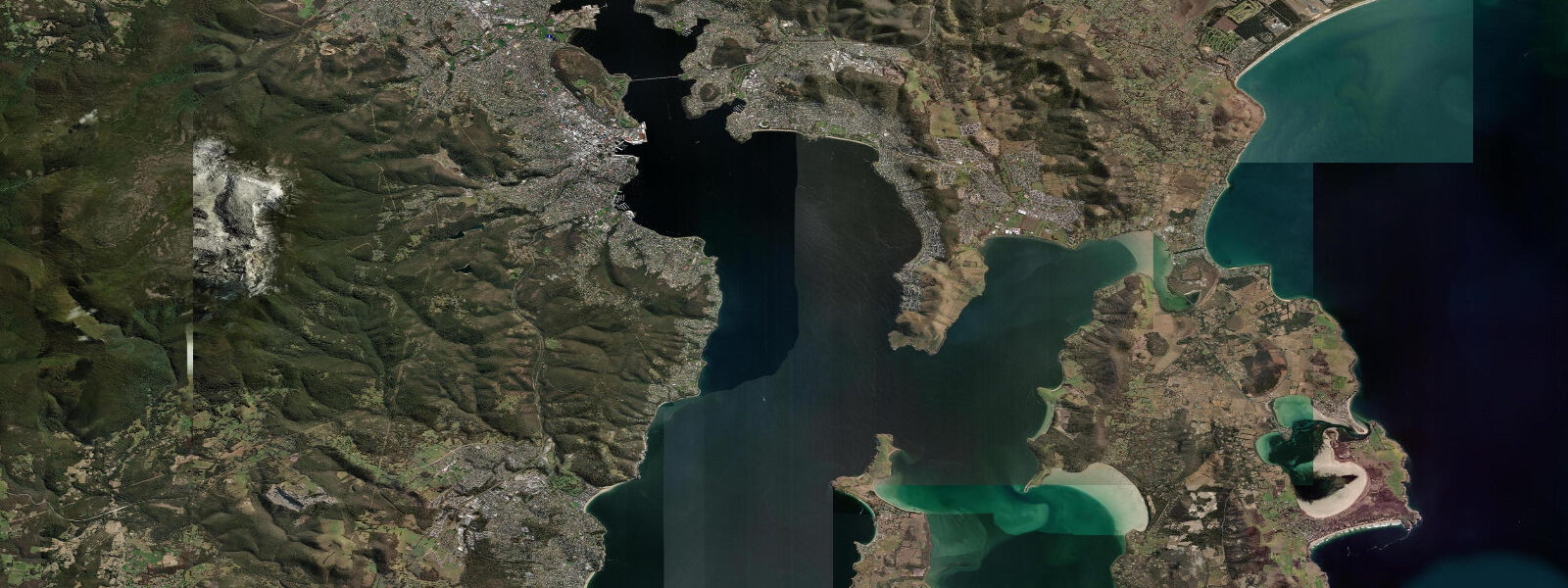
Hobart, Tasmania tide times
Hobart, Tasmania tide forecast — heights relative to MSL.
Today's tide times for Hobart, Tasmania
Tide times at Hobart, Tasmania on Sunday, 26 July 2026: first low tide at 10:00. Sunrise 07:28, sunset 17:04.
Tide chart for Hobart, Tasmania
24-hour cosine-interpolated curve around the present moment. Heights relative to MSL. Predictions: Predictions: Open-Meteo Marine (MeteoFrance SMOC, 0.08° grid).
Sun, moon and conditions on Sun 26 Jul
Snapshot at build time — refreshes daily. Sea state from Open-Meteo Marine.
Highs and lows next 7 days
Every predicted high and low for the next week, with the daily tidal coefficient (0–120; higher = bigger swing, > 95 means stronger currents).
Other spots nearby
The three closest curated TideTurtle locations to Hobart, Tasmania, measured by great-circle distance.
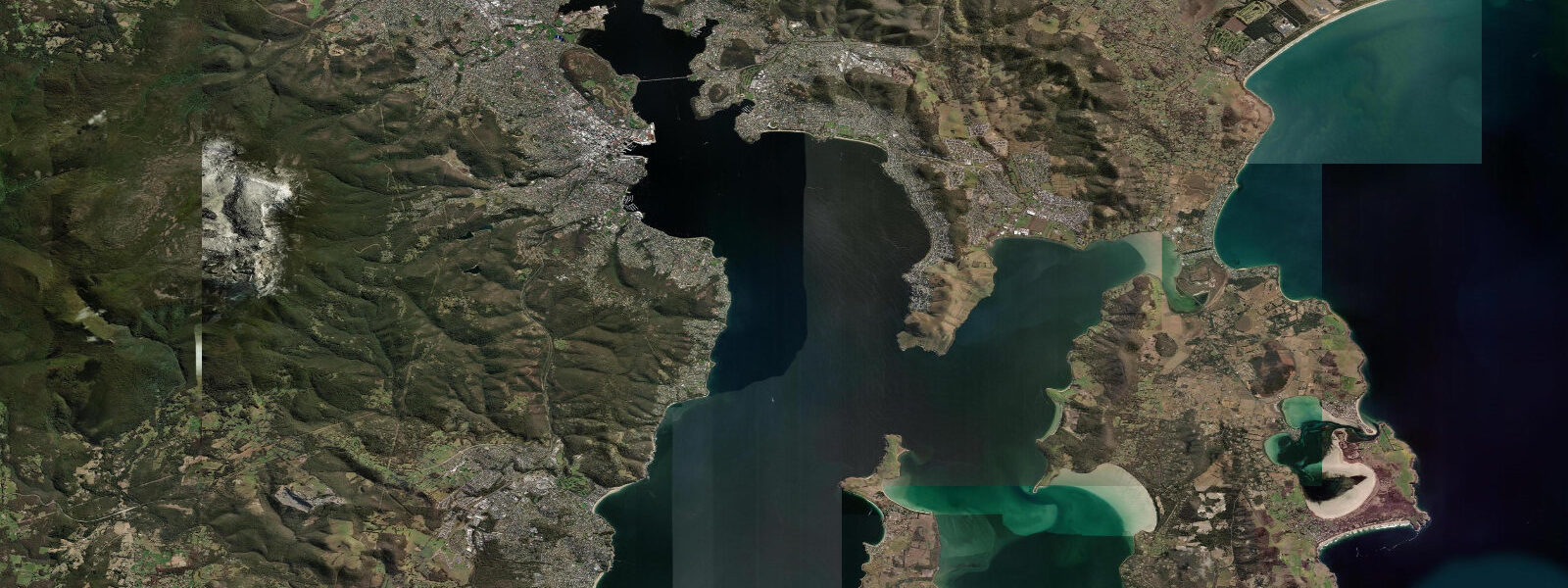
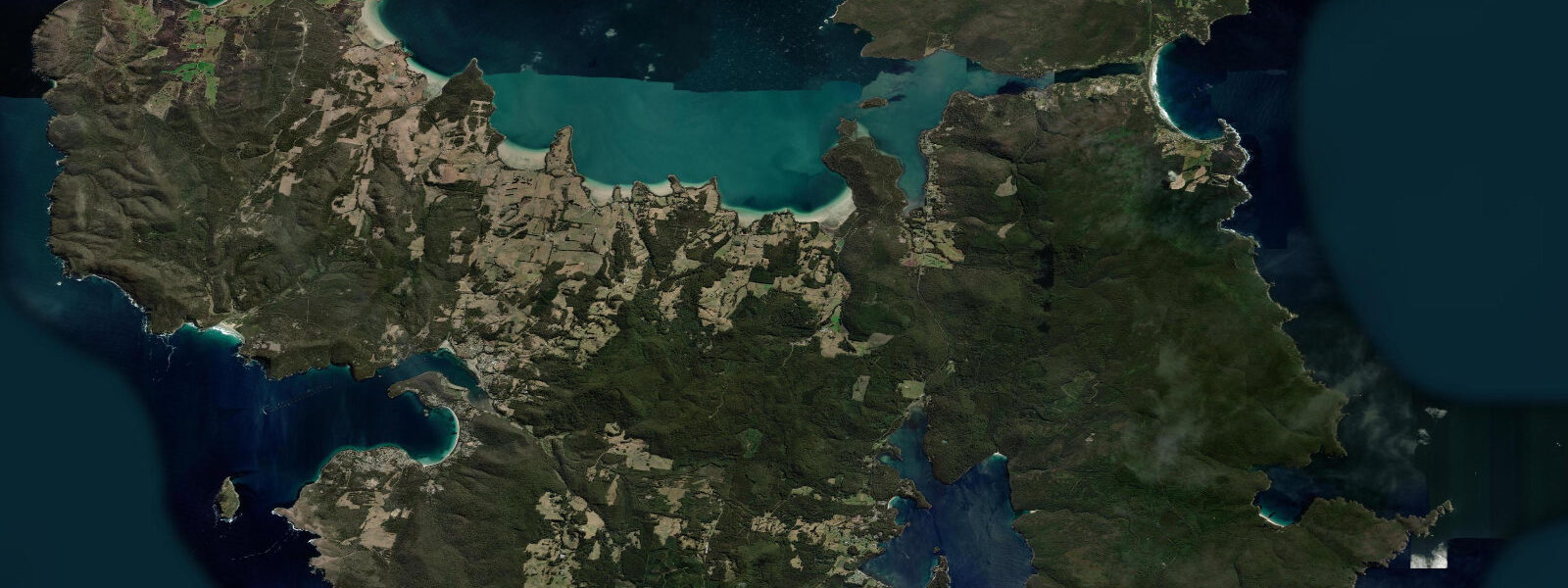
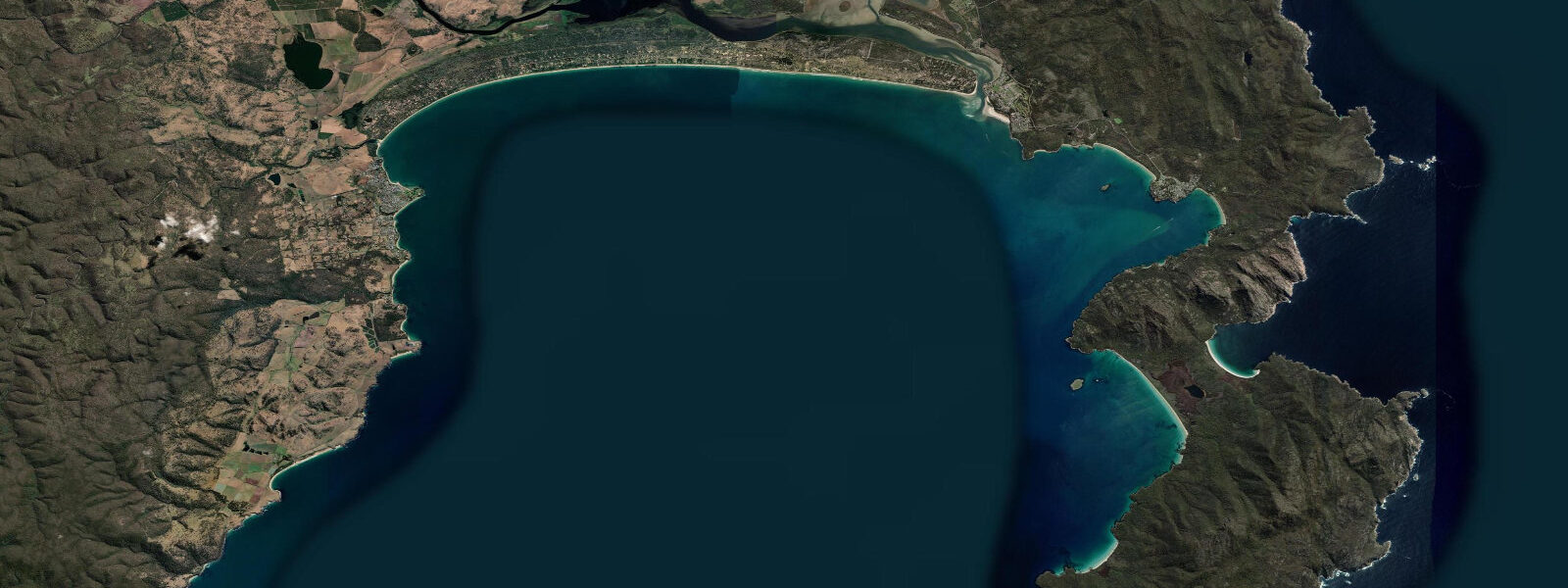
Today's solunar windows
Solunar tradition: major periods are the ≈3h windows around moon transit and opposition; minor are ≈2h around moonrise and moonset. Pair with the local tide stage and wind for the best read.
Cycle dates near Hobart, Tasmania
Next spring tide on Mon 27 Jul (range 1.0m). Next neap on Wed 29 Jul.
Spring tides cluster around new and full moons (biggest swings). Neap tides land on quarter moons (smallest swings). See the spring tide and neap tide glossary entries for the why.
About tides at Hobart, Tasmania
A short guide to the coastline at Hobart, Tasmania — geography, sea state, and what the tide is actually doing under your feet.
Hobart sits on the Derwent estuary on Tasmania's south-eastern coast, with the open Tasman Sea reaching in through Storm Bay and the deep water of the lower Derwent rising to a working harbour at Sullivans Cove. The tide signature here is mixed semidiurnal, two highs and two lows of unequal size each day, the bigger swing falling on the lower-low water. 6 on neaps.
The pattern is the open Tasman Sea signal modulated by the Derwent's funnel geometry — the upper estuary at New Norfolk runs slightly larger swings than the lower harbour at Constitution Dock because the channel narrows as you move upstream, while the timing lags the lower harbour by about 30 minutes. 5 metres on springs there. The wild west coast at Strahan and Macquarie Harbour runs an open-ocean pattern modulated by the long fjord-like Hells Gates entrance.
The Derwent at Hobart is a working harbour and the tide changes the day for sailors leaving Constitution Dock for the Sydney-Hobart, fishers off the Tasman Peninsula sea cliffs, walkers on the long sand beaches at Seven Mile and Clifton, and rowers on the upper Derwent. Roaring-Forties storm surge in winter can lift levels 20 to 30 cm above predicted. Open-Meteo Marine drives the gridded predictions on this page; the Australian Bureau of Meteorology and Maritime Safety Tasmania publish the authoritative tide tables.
Tide questions about Hobart, Tasmania
Quick answers to the most common questions about tide times, range, and water access at Hobart, Tasmania.
When is the next high tide at Hobart?
The hero block shows the next high tide on the lower Derwent at Hobart in local Tasmanian time (AEST in winter, AEDT in summer — Tasmania runs the same DST schedule as the eastern Australian mainland). The 7-day table covers all four daily extremes. High water at New Norfolk on the upper Derwent lags Hobart by about 30 minutes.
What's the typical tide range at Hobart?
Mean range on the lower Derwent at Hobart is about 1.0 metre, modest by Australian standards. Spring tides push close to 1.4 metres around new and full moons; neaps drop close to 0.6 metres. The north Tasmanian coast at Devonport and Burnie runs notably larger swings — close to 2.5 metres on springs — because Bass Strait amplifies the open Tasman Sea signal.
Why is the north Tasmanian coast different from Hobart?
Bass Strait, the body of water between Tasmania and the Australian mainland, behaves as a partially-closed shallow channel that amplifies the open Tasman Sea tide as it propagates through. Devonport, Burnie, and the broader north-coast gauges all see ranges roughly twice the Hobart swing. The west coast at Strahan and the south-east coast at Hobart both sit on the open-ocean side of the island and run smaller, more typical Tasman Sea patterns.
Where do these tide predictions come from?
Open-Meteo Marine, a gridded global ocean model. Useful for daily planning around the Derwent and Storm Bay. For authoritative Tasmanian tide data, the Australian Bureau of Meteorology operates the official gauge network at Hobart, Devonport, Burnie, and Spring Bay, and Maritime Safety Tasmania publishes specific guidance for the wild west coast and the Hells Gates entrance to Macquarie Harbour.
Is this safe to use for navigation?
No. For piloting in or out of Hobart, transiting Storm Bay, or working the Tasman Peninsula sea cliffs and the wild west coast use BoM's authoritative tide tables, the Australian Hydrographic Office chart products, and the latest Maritime Safety Tasmania notices. The Hells Gates bar entry to Macquarie Harbour on the west coast runs hard on the change of tide and breaking seas there are a working hazard, not a planning matter.
8-day tide table — Hobart, Tasmania
Heights relative to MSL. Predictions: Open-Meteo Marine (MeteoFrance SMOC, 0.08° grid) — heights relative to MSL (not chart datum / LAT). Model-derived.
| Day | Type | Time | Height |
|---|---|---|---|
| Sun 26 Jul | Low | 10:00 | 0.1m |
| Mon 27 Jul | High | 17:20 | 0.7m |
| Tue 28 Jul | Low | 01:07 | -0.3m |
| High | 18:00 | 0.8m | |
| Wed 29 Jul | Low | 02:15 | -0.1m |
| High | 08:15 | 0.3m | |
| Thu 30 Jul | Low | 02:55 | -0.4m |
| High | 09:06 | -0.0m | |
| Low | 12:10 | -0.1m | |
| High | 19:18 | 0.4m | |
| Fri 31 Jul | Low | 03:07 | -0.6m |
| High | 20:04 | 0.4m | |
| Sat 01 Aug | Low | 03:47 | -0.5m |
| High | 20:50 | 0.4m | |
| Sun 02 Aug | Low | 04:20 | -0.4m |
| High | 09:00 | 0.1m |