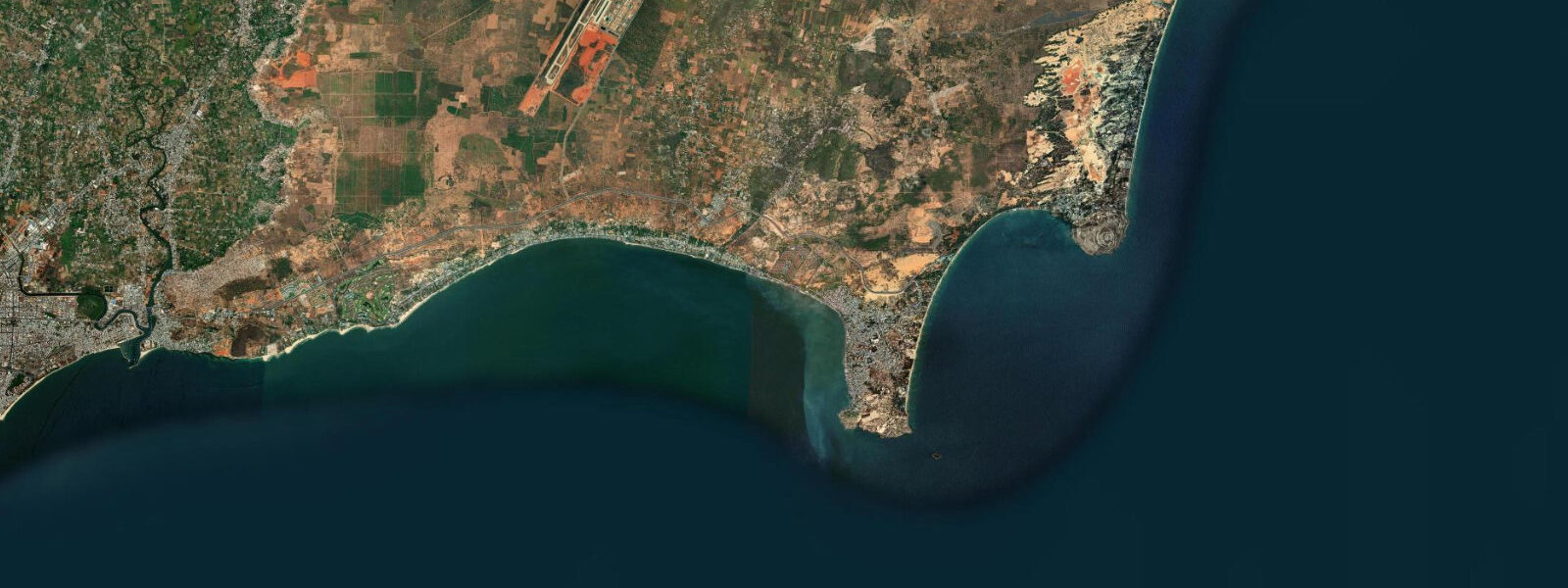
Mui Ne, Southeast Vietnam tide times
Mui Ne, Southeast Vietnam tide forecast — heights relative to MSL.
Today's tide times for Mui Ne, Southeast Vietnam
Tide times at Mui Ne, Southeast Vietnam on Monday, 3 August 2026: first low tide at 08:04, first high tide at 13:21, second low tide at 20:12. Sunrise 05:35, sunset 18:10.
Tide chart for Mui Ne, Southeast Vietnam
24-hour cosine-interpolated curve around the present moment. Heights relative to MSL. Predictions: Predictions: Open-Meteo Marine (MeteoFrance SMOC, 0.08° grid).
Sun, moon and conditions on Mon 03 Aug
Snapshot at build time — refreshes daily. Sea state from Open-Meteo Marine.
Highs and lows next 7 days
Every predicted high and low for the next week, with the daily tidal coefficient (0–120; higher = bigger swing, > 95 means stronger currents).
Other spots nearby
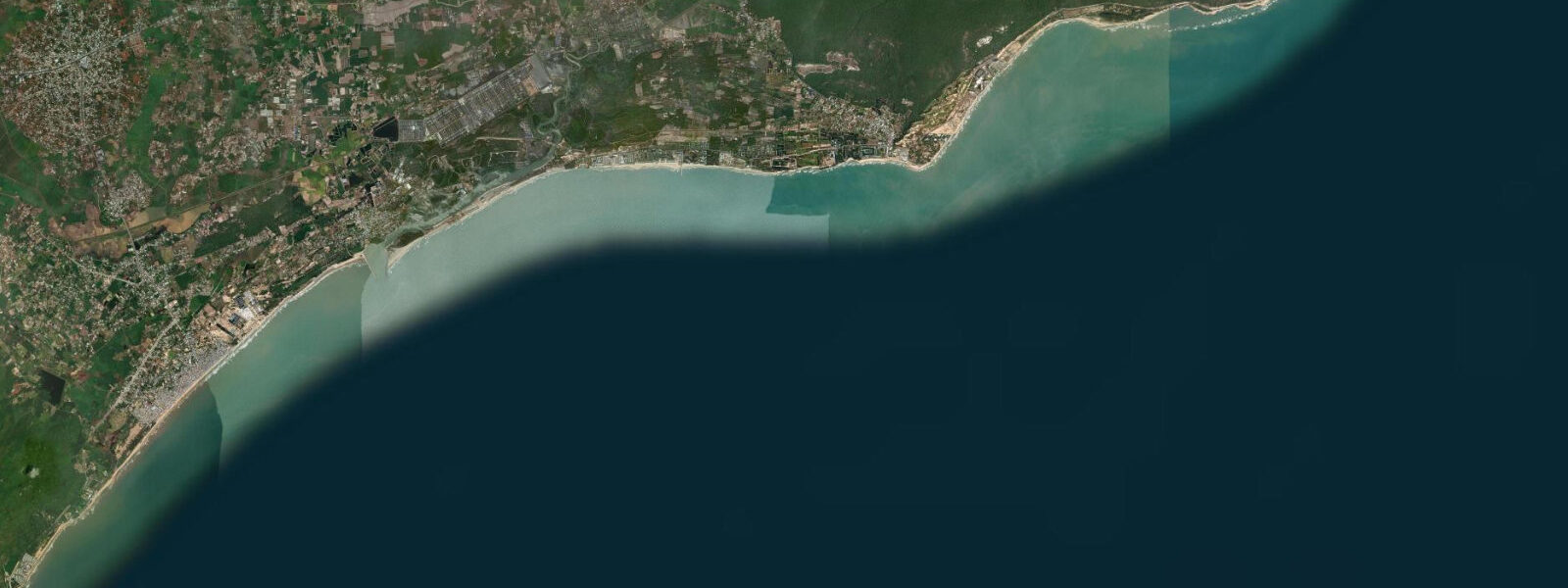
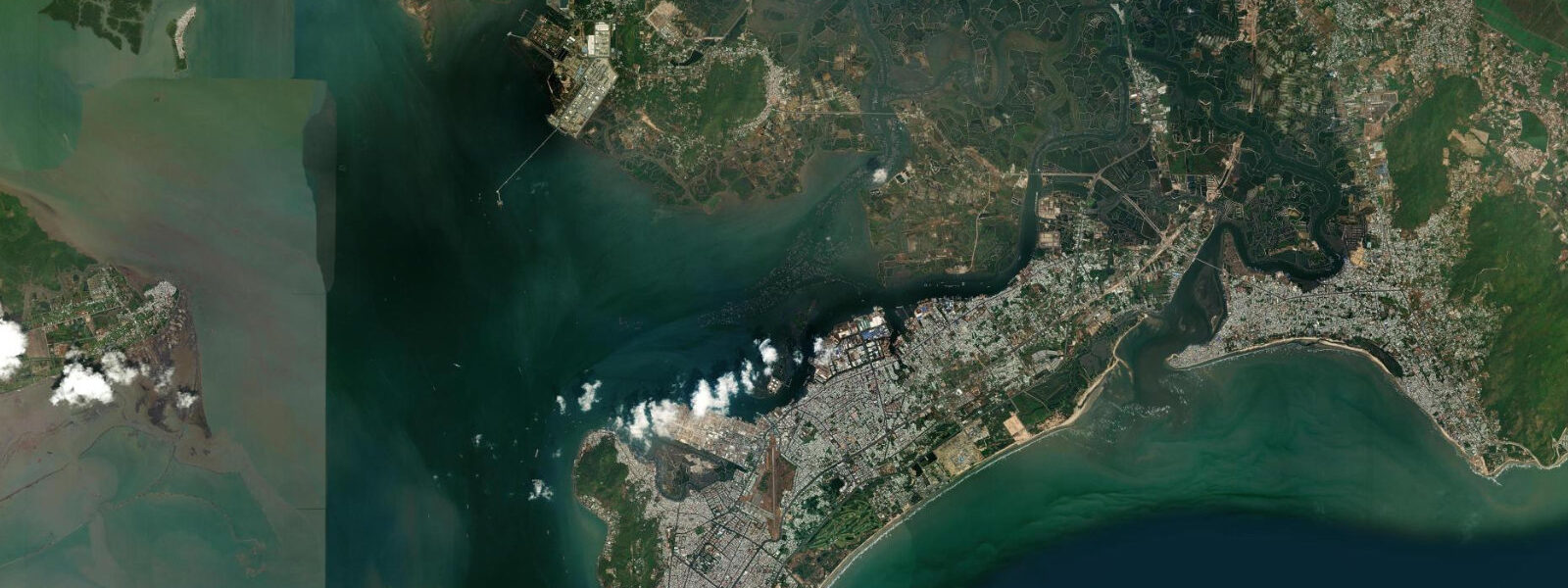
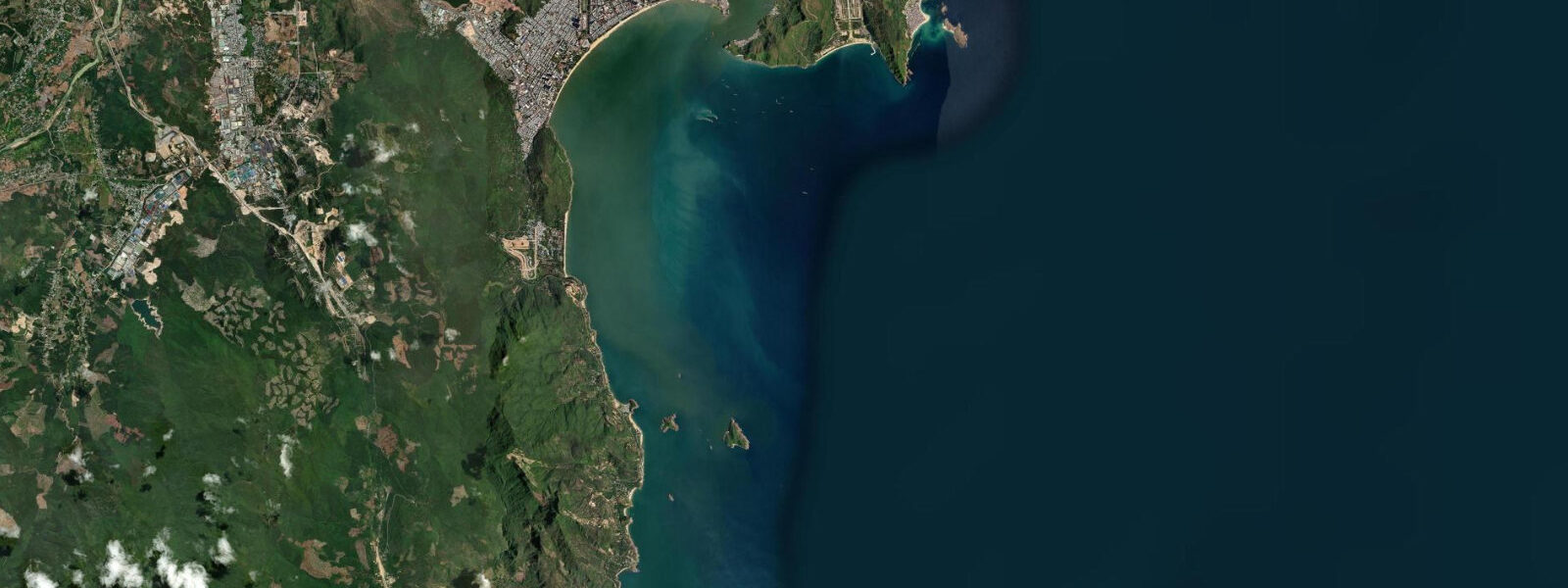
The three closest curated TideTurtle locations to Mui Ne, Southeast Vietnam, measured by great-circle distance.
Today's solunar windows
Solunar tradition: major periods are the ≈3h windows around moon transit and opposition; minor are ≈2h around moonrise and moonset. Pair with the local tide stage and wind for the best read.
Cycle dates near Mui Ne, Southeast Vietnam
Next spring tide on Sun 09 Aug (range 1.9m). Next neap on Thu 06 Aug.
Spring tides cluster around new and full moons (biggest swings). Neap tides land on quarter moons (smallest swings). See the spring tide and neap tide glossary entries for the why.
About tides at Mui Ne, Southeast Vietnam
A short guide to the coastline at Mui Ne, Southeast Vietnam — geography, sea state, and what the tide is actually doing under your feet.
Mui Ne is a 15 km beach peninsula in Bình Thuận province, northeast of Phan Thiết city. The peninsula narrows to a point facing northeast into the South China Sea. From November through April the northeast trade winds drive in at 20–35 knots, consistently, over a long open-water fetch — it is the reason Mui Ne became the kitesurfing and windsurfing capital of Southeast Asia, and the reason the beach faces a relentless shoreward drift during those months.
The tidal regime here is more strongly diurnal than at central Vietnamese sites. At Mui Ne's latitude the South China Sea dynamics tip toward one dominant high and one dominant low per day, with the secondary tide often barely perceptible. Mean range is 0.8–1.5 m at spring water, with the single daily low typically occurring in the early morning and the high in the early to mid-afternoon during the northeast monsoon months. This single-cycle rhythm simplifies planning: you can reliably expect the low-water exposure in the morning and the high-water peak in the afternoon.
At low water the beach at the fishing village end of the strip — Làng chài Mũi Né, at the southern end near Phan Thiết — widens by 30–50 m and the shallows flatten out. The basket boats (thúng chai) used as tenders to the larger offshore fishing vessels sit on wet sand at low water, waiting for the tide to lift them. The fleet launches in the early morning flood — typically 0500–0700 — when the incoming tide floats the basket boats and the larger vessels can navigate the shallow water inside the beach break. Watching the fleet launch in pre-dawn light, with the basket boats spinning in the small shore chop, is one of the more visually striking things available at Mui Ne for a photographer willing to be up before sunrise.
For kitesurfers and windsurfers, the tide interacts with the wind and wave conditions in a specific way. At low water, the beach profile steepens slightly as water retreats and the wave sets break closer to shore — riders launching or landing from the beach have less run-up room. At high water the launch zone widens and the wave pattern softens slightly inshore. The wind is the primary variable, not the tide, but instructors at the kite schools along the strip time beginner lessons for the high-water launch windows to give students more room. Intermediate and advanced riders use the low-water bar break at the northern end of the strip for jump practice.
The red sand dunes (Đồi Cát Đỏ) rise 40 m directly behind the beach at the northeastern tip of the peninsula. The dune face is steep — 30–35 degrees — and the red-orange colour comes from iron-oxide-stained quartz. Sand-sledging on plastic boards is the main visitor activity. The dunes are entirely unaffected by sea tide — they are inland geology — but the best light for photography falls in the early morning when the sun is low and the iron-oxide colour saturates. Arrive by 0630 for the best light; by 0900 the overhead sun flattens the colour.
The white sand dunes and Bàu Trắng lake (Đồi Cát Trắng) are 15 km further northeast from the red dunes, surrounded by a landscape of casuarina trees and a freshwater lake that persists year-round from groundwater. The white dunes are quieter than the red. The lake level fluctuates seasonally with rainfall, not with sea tide.
Fairy Stream (Suối Tiên) cuts through a 1.5 km sandstone canyon of red and white layered rock at the southern edge of the beach strip, accessible on foot by wading ankle-deep in the stream. The water is 10–15 cm deep year-round — cool, clear, and groundwater-fed. It is entirely unaffected by sea tide. The sandstone walls show stratified bands of red, white, and cream. Go in the morning to walk into the stream: the light enters the canyon from the east and the colours are better. The round trip takes 45 minutes at an unhurried pace.
For beach families, the northeastern monsoon window (November–April) brings the wind that powers the kite scene but also creates a significant shoreward current and rougher water. Families with young children are better served at the calm, protected southern end of the strip near the fishing village, particularly in the morning before the daily thermal wind picks up, and around low water when the flats are exposed and safe for paddling.
Tide data for Mui Ne, Southeast Vietnam comes from the Open-Meteo Marine API, a gridded model product. Timing accuracy is ±45 minutes, height accuracy ±0.3 m — usable for trip planning, not for navigation.
Tide questions about Mui Ne, Southeast Vietnam
Quick answers to the most common questions about tide times, range, and water access at Mui Ne, Southeast Vietnam.
Does the tide affect kitesurfing conditions at Mui Ne?
The wind is the primary variable for kitesurfing at Mui Ne, not the tide, but the two interact in practical ways. At low water the beach narrows and the wave break moves closer to shore, reducing the launch and landing run-up zone — less room for beginners to handle kite lines on the beach without interference. At high water the launch zone widens and the inshore wave pattern softens slightly. Kite schools along the strip typically schedule beginner lessons during high-water windows for this reason. The mean spring tidal range at Mui Ne is 0.8–1.5 m, so the difference is noticeable but not dramatic. The dominant diurnal pattern means high water tends to fall in the early to mid-afternoon during northeast monsoon months — overlapping with peak wind hours, which adds energy to the session.
What time does the fishing fleet launch from the Mui Ne fishing village?
The fishing fleet at Làng chài Mũi Né — the traditional fishing village at the southern end of the Mui Ne strip — launches in the early morning flood tide, typically between 0500 and 0700. The basket boats (thúng chai) used as tenders sit on wet sand at low water and are floated by the incoming tide. Larger fishing vessels need the flood water to clear the shallow inshore bar. Watching the pre-dawn launch is one of the best photography opportunities in Mui Ne — bring a fast lens and arrive by 0430 to get your position before the light changes. The fleet is back in the afternoon, returning on whatever tidal state happens to coincide with their fishing time rather than specifically timing the return.
Is Fairy Stream affected by the sea tide?
No. Suối Tiên (Fairy Stream) is groundwater-fed and entirely independent of sea tidal cycles. The stream runs 10–15 cm deep year-round through a 1.5 km sandstone canyon at the southern end of the Mui Ne strip. Water level fluctuates slightly with seasonal rainfall but not with the daily tidal rhythm. You can walk the stream at any state of tide. The best time to go is the morning — the low eastern sun enters the canyon from behind you as you walk upstream, illuminating the red, white, and cream sandstone bands in the walls. By midday the overhead light flattens the colour. The round trip takes about 45 minutes at an easy pace, ankle-deep the entire way.
What is the tidal pattern at Mui Ne and how does it differ from northern Vietnam?
Mui Ne runs a diurnal-dominated mixed tide — one strong high and one strong low per day, with any secondary cycle barely perceptible. Mean spring range is 0.8–1.5 m. The single daily low tends to fall in the early morning and the high in the early to mid-afternoon during northeast monsoon months. Central Vietnamese sites like Hoi An and Quy Nhon are more clearly semidiurnal — two highs and two lows per day with pronounced inequality. The diurnal dominance at Mui Ne simplifies planning: you can build a day around one low-water window in the morning (fishing village, beach width, rock exploration) and one high-water window in the afternoon (kitesurfing launches, swimming) without tracking two tidal cycles.
When is the best time to photograph the red sand dunes at Mui Ne?
The red sand dunes (Đồi Cát Đỏ) are at their best in the first two hours of daylight. Arrive by 0630. The low-angle morning sun rakes across the 40 m dune face from the east, deepening the iron-oxide colour from pale orange to a deep red-amber and casting sharp shadows from the dune crests. By 0900 the sun is high enough to flatten the colour and wash out shadow detail. The dunes are not affected by sea tide — this is pure land topography. The main practical consideration is avoiding the rental ATV and sledge-board traffic that builds after 0800. Go before that, get your shots from the base looking up the steep 30–35 degree face, and leave before the crowds arrive.
8-day tide table — Mui Ne, Southeast Vietnam
Heights relative to MSL. Predictions: Open-Meteo Marine (MeteoFrance SMOC, 0.08° grid) — heights relative to MSL (not chart datum / LAT). Model-derived.
| Day | Type | Time | Height |
|---|---|---|---|
| Mon 03 Aug | Low | 08:04 | 0.6m |
| High | 13:21 | 1.1m | |
| Low | 20:12 | -0.0m | |
| Tue 04 Aug | High | 03:13 | 1.1m |
| Low | 09:10 | 0.4m | |
| High | 14:22 | 0.9m | |
| Low | 20:35 | 0.2m | |
| Wed 05 Aug | High | 16:00 | 0.8m |
| Thu 06 Aug | Low | 11:12 | 0.1m |
| High | 18:10 | 0.6m | |
| Low | 19:50 | 0.6m | |
| Fri 07 Aug | — | ||
| Sat 08 Aug | High | 04:04 | 1.2m |
| Low | 13:46 | -0.4m | |
| Sun 09 Aug | High | 04:50 | 1.3m |
| Low | 14:45 | -0.6m | |
| Mon 10 Aug | High | 06:00 | 1.3m |