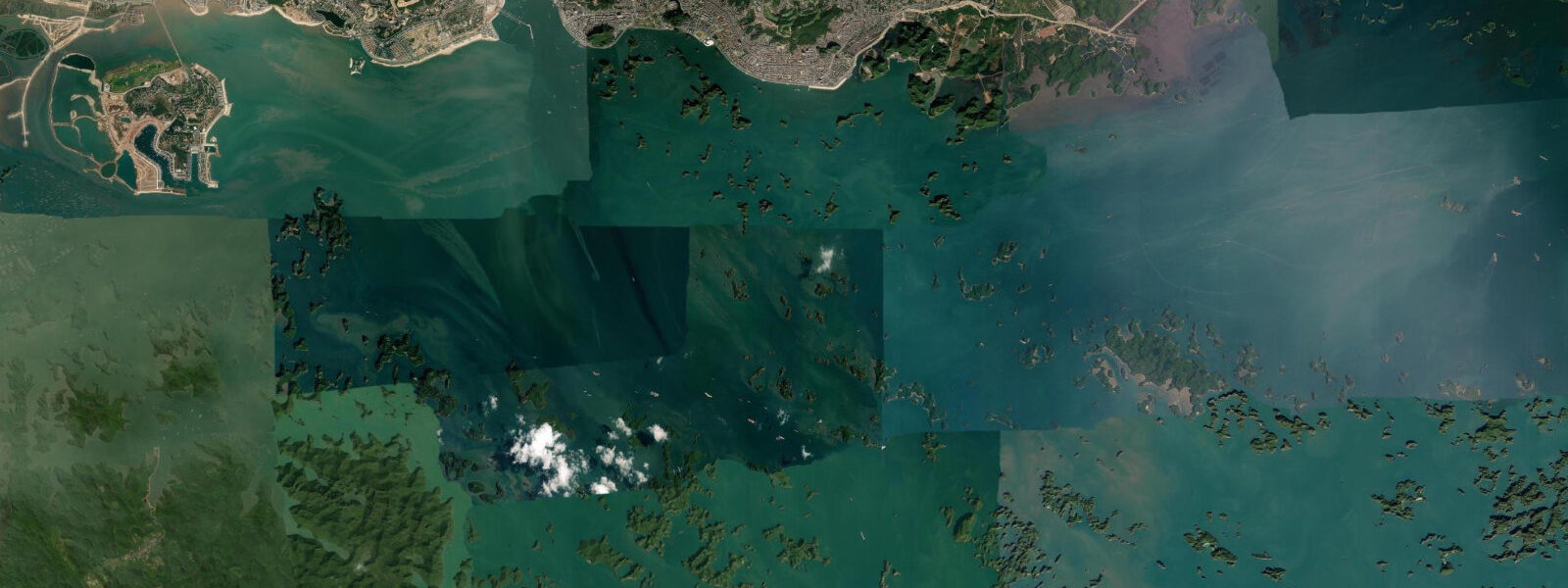
Hạ Long Bay tide times
Hạ Long Bay tide forecast — heights relative to MSL.
Today's tide times for Hạ Long Bay
Tide times at Hạ Long Bay on Tuesday, 4 August 2026: first low tide at 08:20, first high tide at 18:15. Sunrise 05:26, sunset 18:29.
Tide chart for Hạ Long Bay
24-hour cosine-interpolated curve around the present moment. Heights relative to MSL. Predictions: Predictions: Open-Meteo Marine (MeteoFrance SMOC, 0.08° grid).
Sun, moon and conditions on Tue 04 Aug
Snapshot at build time — refreshes daily. Sea state from Open-Meteo Marine.
Highs and lows next 7 days
Every predicted high and low for the next week, with the daily tidal coefficient (0–120; higher = bigger swing, > 95 means stronger currents).
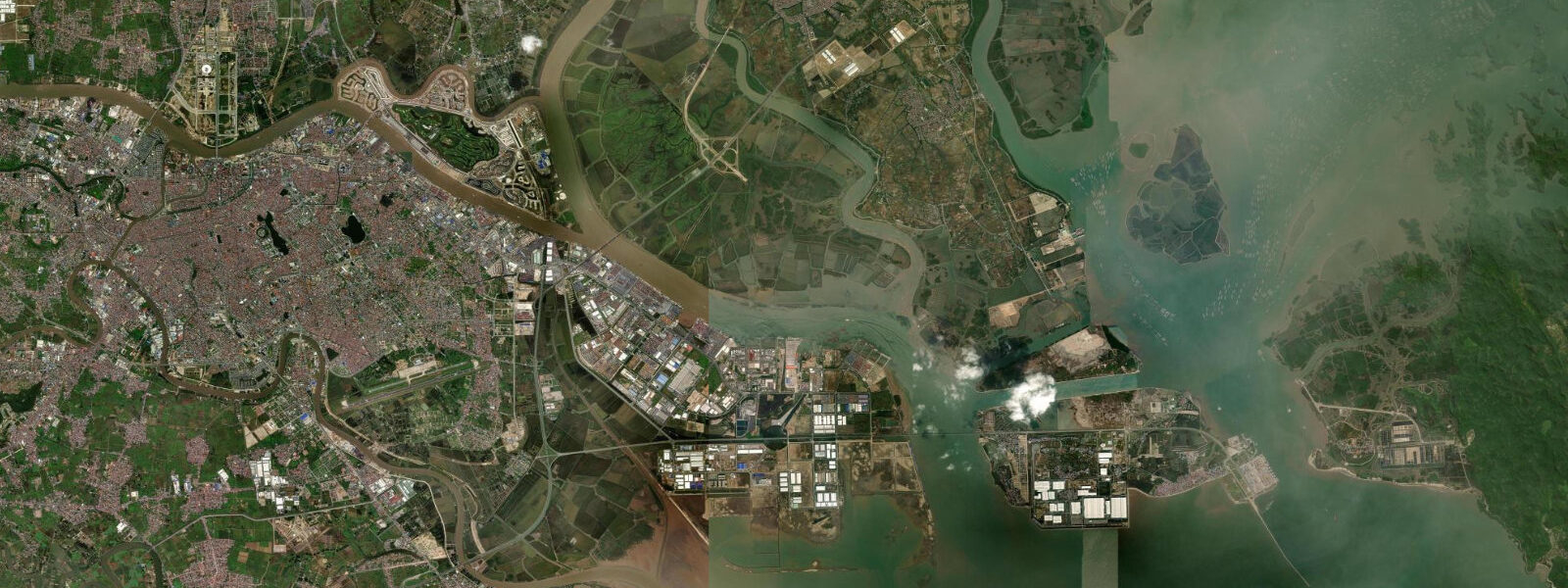
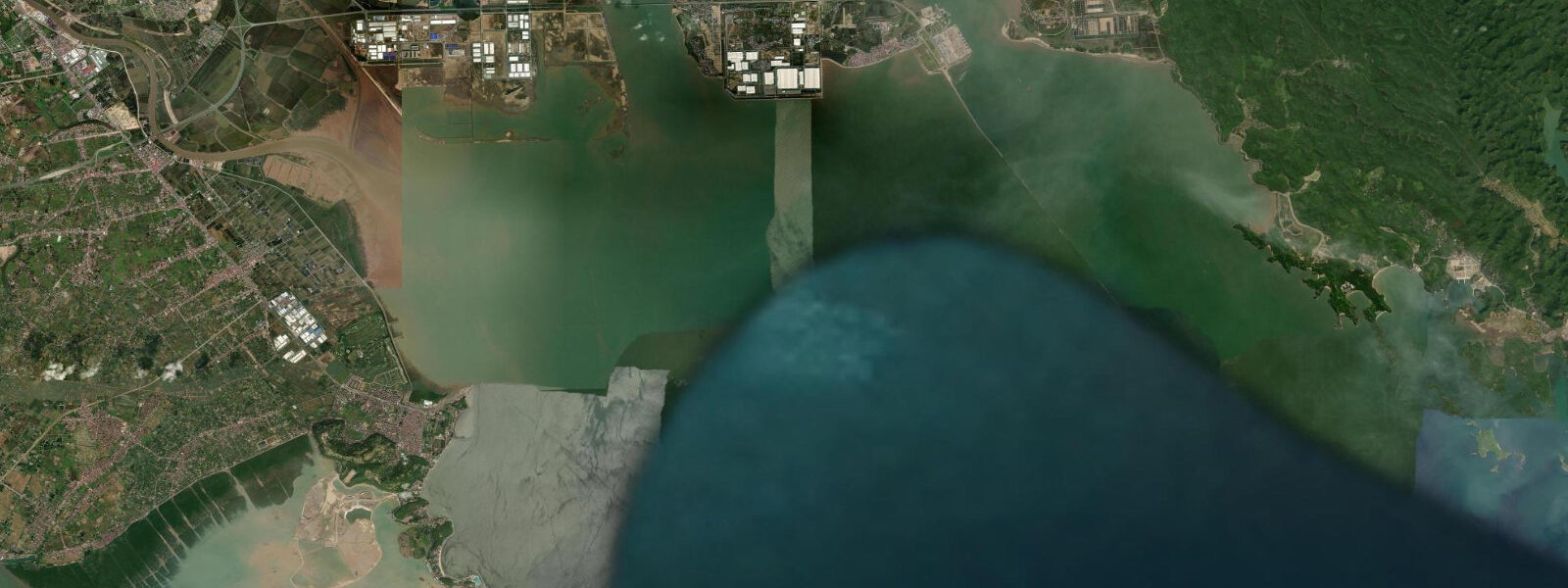
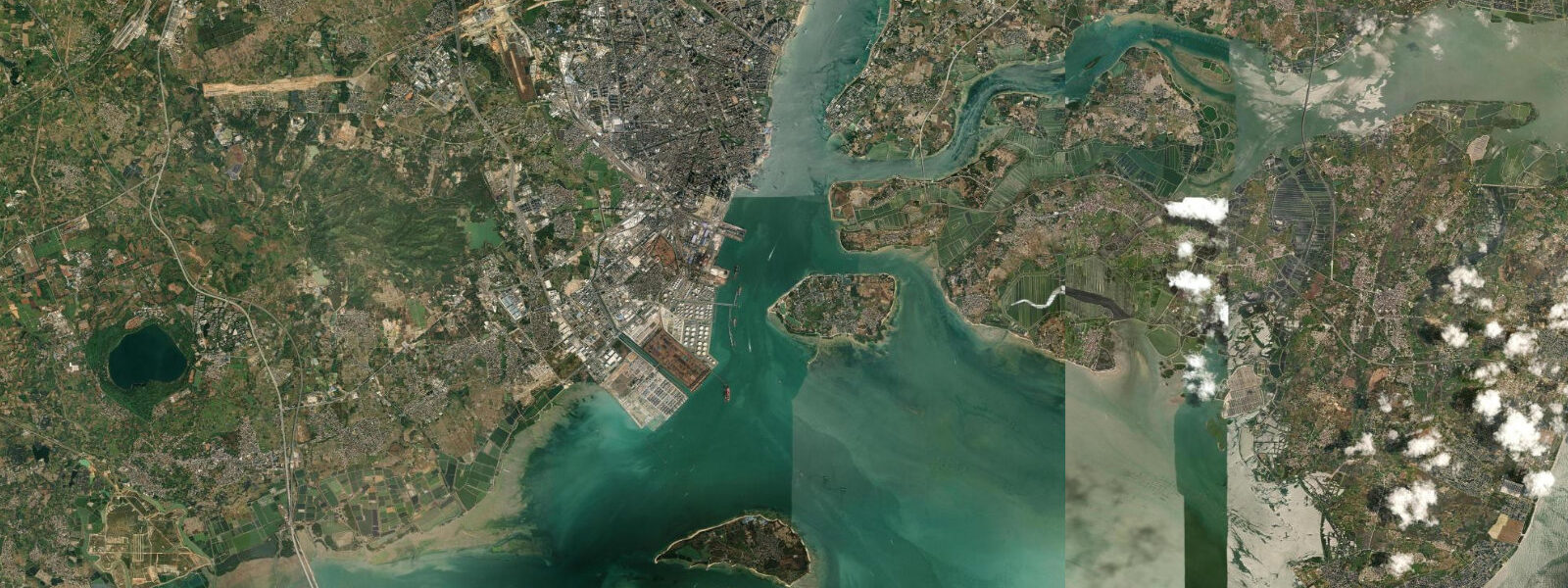
Other spots nearby
The three closest curated TideTurtle locations to Hạ Long Bay, measured by great-circle distance.
Today's solunar windows
Solunar tradition: major periods are the ≈3h windows around moon transit and opposition; minor are ≈2h around moonrise and moonset. Pair with the local tide stage and wind for the best read.
About tides at Hạ Long Bay
A short guide to the coastline at Hạ Long Bay — geography, sea state, and what the tide is actually doing under your feet.
Hạ Long Bay covers approximately 1,500 km² of the Bay of Tonkin in northeastern Vietnam. Within that area, 1,969 limestone karst islands and islets — none inhabited, most under 5 km² — rise vertically from the water, their cliff faces undercut by wave action and stained orange by iron oxide. UNESCO inscribed the bay twice: first in 1994 for aesthetic values, extended in 2000 to include geological and biological significance. The karst landscape is the result of 500 million years of limestone deposition followed by 20 million years of tectonic uplift and tropical dissolution.
The tidal regime at Hạ Long Bay is genuinely unusual. Rather than the two daily high-low cycles familiar from most coastlines, the Gulf of Tonkin produces a single tidal cycle per day — one high water and one low water in each 24.8-hour period. The mean range for this single cycle at Hạ Long Bay is 3.2 to 3.5 m. The lowest astronomical tide sits at approximately 0.0 m chart datum; the highest spring tide reaches approximately 3.8 m above chart datum. This diurnal dominance arises from the resonant geometry of the Gulf of Tonkin: the gulf's length and depth amplify the diurnal (24.8-hour) tidal constituent while the semidiurnal (12.4-hour) constituent is suppressed. The result is a coast that moves on a 24-hour tide clock, not a 12-hour one.
For visitors, the daily tide window is the practical constraint. The sea caves at the base of the karst towers — Hang Sửng Sốt (Surprise Cave) on Bồ Hòn Island, Hang Đầu Gỗ (Wooden Stakes Cave) on Đầu Gỗ Island, Hang Trinh Nữ — are accessible only around low water. Cave floors at water level are submerged at high water; the access point is often a narrow opening that requires bending below an overhang at any water level above 0.8 m. Tour operators on Hạ Long Bay time their cave visits to the daily low-water window, which shifts approximately 50 minutes later each day as the lunar cycle progresses. In October through April (northeast monsoon season), the daily high water tends to arrive in the early morning hours, putting low water in the afternoon — a convenient timing for afternoon cave tours. From May onward the timing rotates.
Kayak tours through the karst arches operate on the same constraint. The internal lagoons (hồ ba hầm — 'three cave lake') enclosed within some karst towers are reached through tidal tunnels: passages at the cliff base that are navigable by kayak at low water and submerged at high water. The low-water timing must be checked and the paddle timed accordingly; a late group can find the tunnel rising around them on the return paddle.
The bay's water temperature ranges from 16°C in January (northeast monsoon, cold air from the north, rough sea) to 29°C in June. The calmest weather for boat travel is March through May — light winds, 22 to 26°C water, lower boat traffic than summer. Visibility for snorkelling and underwater photography is best April through June before the summer plankton bloom.
Tiền Châu (Bai Tho Mountain) on the mainland behind Hạ Long City offers the best panoramic view of the bay — a 200 m climb on marked paths, rewarded with a view across the outer bay and the karst field. The old coal pier at Hòn Gai (now decommissioned) and the market at Bãi Cháy offer a sense of the non-touristic side of Hạ Long City.
Tide predictions on this page come from Open-Meteo Marine, a global ocean model. Accuracy is typically within plus or minus 45 minutes on timing and 0.2 to 0.3 metres on height — model-derived, not from a local gauge. For authoritative official tide predictions, NAVIC (Vietnam Register) and the General Department of Seas and Islands (GOSI) publish tide tables for Vietnamese waters.
Tide questions about Hạ Long Bay
Quick answers to the most common questions about tide times, range, and water access at Hạ Long Bay.
Why is there only one tide per day at Hạ Long Bay?
Most coastlines worldwide experience two high waters and two low waters every 24 hours — a semidiurnal tide driven by the 12.4-hour tidal constituent. Hạ Long Bay is different. The Gulf of Tonkin, a semi-enclosed sea roughly 480 km long, acts as a resonant basin: its geometry amplifies the diurnal tidal constituent (period 24.8 hours, driven by the moon's daily cycle) while suppressing the semidiurnal component. The result is that the diurnal constituent dominates almost completely — producing one high and one low per day. This is the same physical mechanism that creates large tides in partially enclosed seas (the Bay of Fundy, the Bristol Channel), but here it selectively amplifies the daily rather than the twice-daily cycle. Globally, near-purely diurnal tides are rare: the Gulf of Tonkin, the Gulf of Mexico's northern coast, and a few other semi-enclosed basins are the main examples. At Hạ Long Bay, the mean range for this single daily cycle is 3.2 to 3.5 m — significant enough that it controls access to sea caves, kayak tunnels, and tidal reef platforms.
When are the sea caves at Hạ Long Bay accessible?
The sea caves at the base of the karst towers — Hang Sửng Sốt, Hang Đầu Gỗ, Hang Trinh Nữ, and others — are accessible around low water, when the cave floors and entrance passages emerge above the waterline. With a diurnal range of 3.2 to 3.5 m, low water exposes cave interiors that are fully submerged at high tide. The access window is typically 1.5 to 2.5 hours centred on low water; after that the rising tide re-enters the cave passages. Because there is only one low water per day, the access window migrates approximately 50 minutes later each day — check the tide table for the specific date to find the low-water time. Tour operators on Hạ Long Bay build their cave visit timing around this window.
Is kayaking through the karst tunnels safe on any tide?
No. The tidal tunnels connecting the outer bay to the enclosed karst lagoons (hồ ba hầm) are only passable at low water. At high water the tunnel roof is at or below the water surface; at mid-tide, the clearance can be as little as 0.3 to 0.5 m — enough for a kayak in calm conditions but with no margin. The safe window is the 1 to 2 hours either side of low water. Any kayak tour entering a tidal tunnel should confirm the low-water time before entry and time the return paddle accordingly. A group that enters near the bottom of the low-water window faces a rising tide on the return passage.
What is the best time of year to visit Hạ Long Bay?
March through May is the recommended window: air temperature 20 to 26°C, water temperature 22 to 25°C, low rainfall, light winds, and lower visitor density than summer. October and November are the second-best window: post-typhoon-season calm, good visibility, 26 to 28°C water. Avoid June through August if possible — summer brings the heaviest rain (tropical downpours), maximum visitor numbers, and peak boat traffic. December and January are cold (15 to 18°C air, 16°C water) with choppy northeast monsoon conditions; caves and kayaking are still accessible but uncomfortable.
Are the tide predictions on this page official forecasts suitable for navigation or vessel planning?
No. The tide times and heights shown here come from Open-Meteo Marine, a global gridded ocean model with typical accuracy of plus or minus 45 minutes on timing and 0.2 to 0.3 metres on height. They are appropriate for planning cave visits, kayak tours, and general coastal activity — not for vessel navigation, harbour approach, or any safety-critical maritime decision. For navigation in the Gulf of Tonkin and Hạ Long Bay waters, official tide tables are published by NAVIC (Vietnam Register) and the General Department of Seas and Islands (GOSI). Local tour operators and the Hạ Long Bay Management Authority use these official tables for scheduling.
7-day tide table — Hạ Long Bay
Heights relative to MSL. Predictions: Open-Meteo Marine (MeteoFrance SMOC, 0.08° grid) — heights relative to MSL (not chart datum / LAT). Model-derived.
| Day | Type | Time | Height |
|---|---|---|---|
| Tue 04 Aug | Low | 08:20 | 0.3m |
| High | 18:15 | 1.0m | |
| Wed 05 Aug | Low | 22:00 | 0.4m |
| Thu 06 Aug | High | 08:15 | 1.3m |
| Fri 07 Aug | Low | 22:35 | -0.5m |
| Sat 08 Aug | — | ||
| Sun 09 Aug | High | 12:03 | 2.3m |
| Mon 10 Aug | Low | 00:22 | -0.9m |
| High | 13:06 | 2.6m | |