Đồ Sơn tide times
Đồ Sơn tide forecast — heights relative to MSL.
Today's tide times for Đồ Sơn
Tide times at Đồ Sơn on Tuesday, 4 August 2026: first low tide at 08:52. Sunrise 05:28, sunset 18:30.
Tide chart for Đồ Sơn
24-hour cosine-interpolated curve around the present moment. Heights relative to MSL. Predictions: Predictions: Open-Meteo Marine (MeteoFrance SMOC, 0.08° grid).
Sun, moon and conditions on Tue 04 Aug
Snapshot at build time — refreshes daily. Sea state from Open-Meteo Marine.
Highs and lows next 7 days
Every predicted high and low for the next week, with the daily tidal coefficient (0–120; higher = bigger swing, > 95 means stronger currents).
Other spots nearby
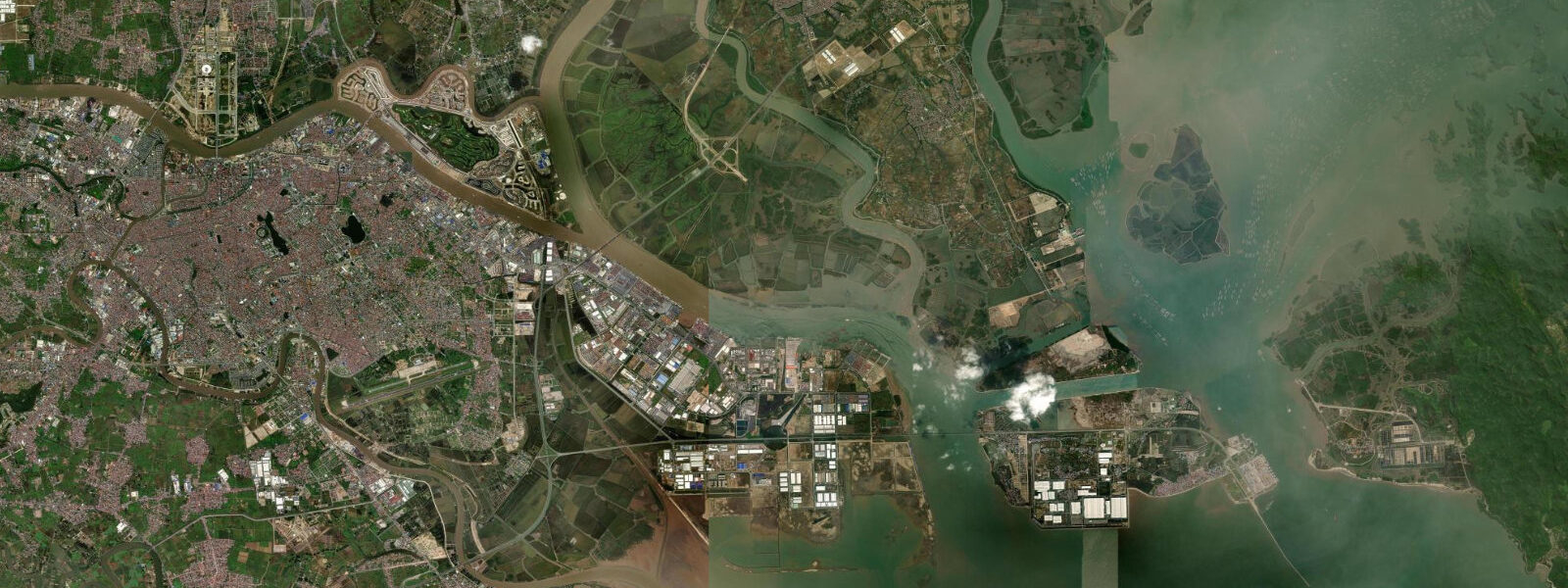
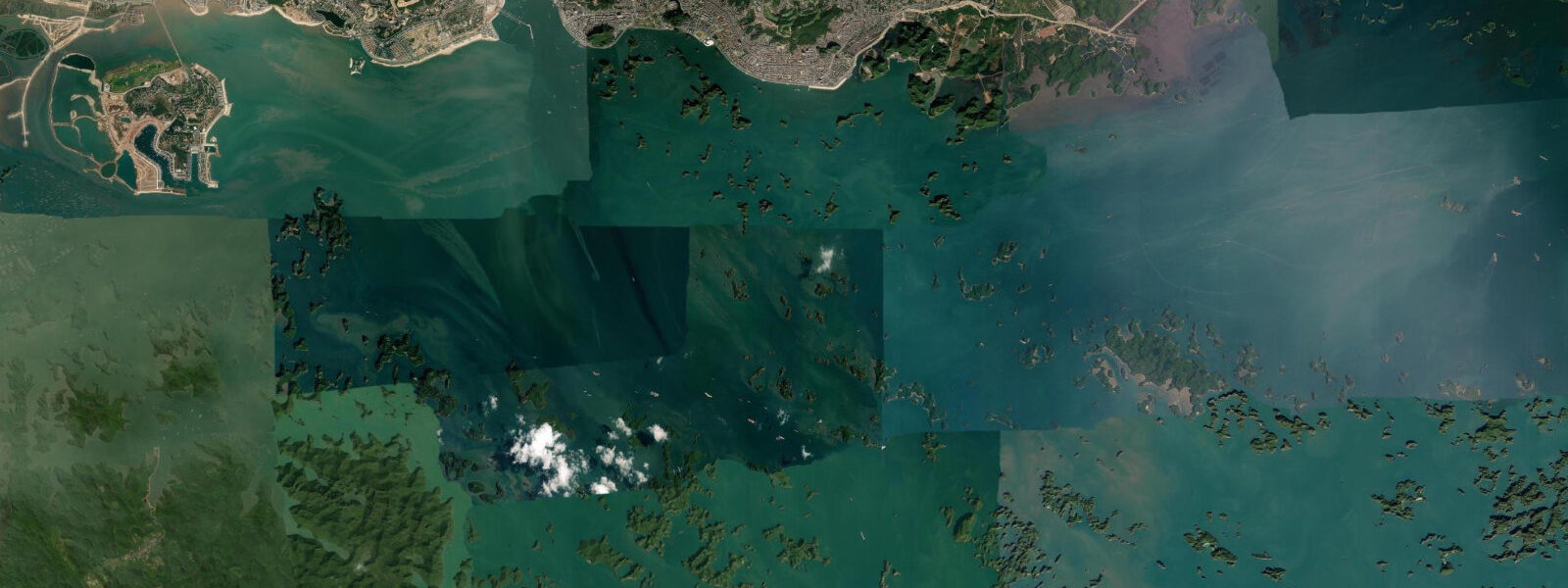
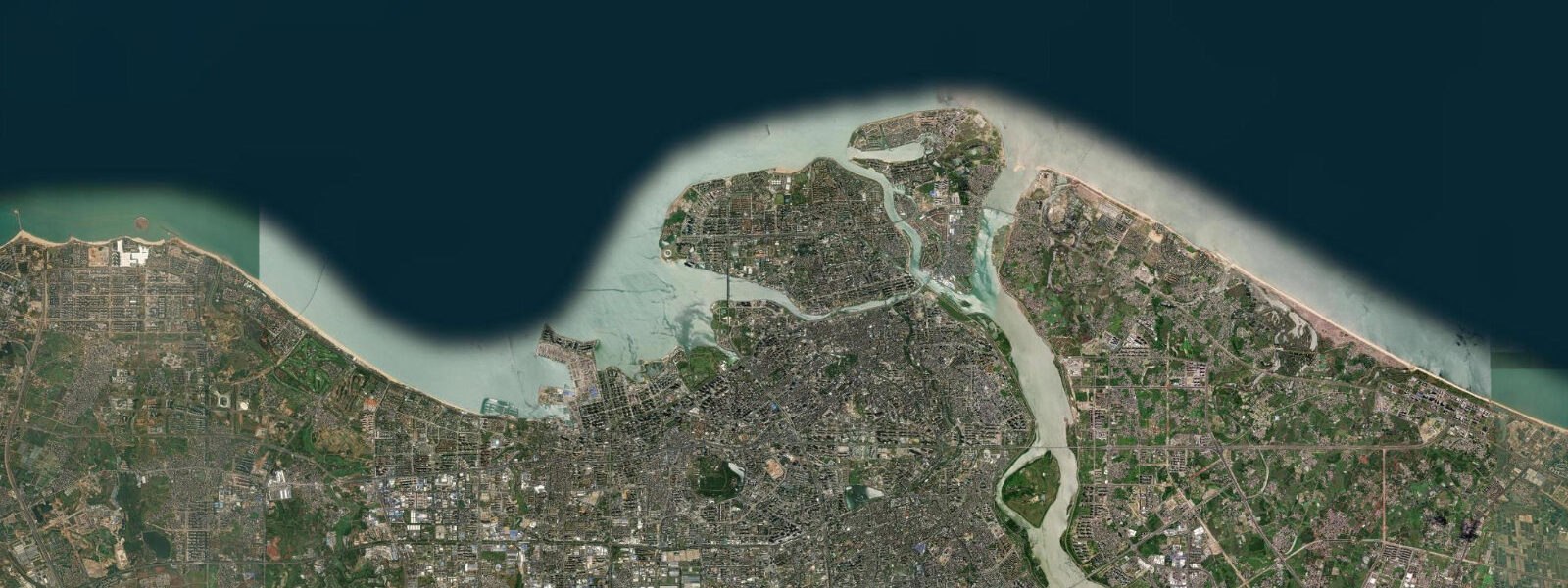
The three closest curated TideTurtle locations to Đồ Sơn, measured by great-circle distance.
Today's solunar windows
Solunar tradition: major periods are the ≈3h windows around moon transit and opposition; minor are ≈2h around moonrise and moonset. Pair with the local tide stage and wind for the best read.
Cycle dates near Đồ Sơn
Next spring tide on Mon 10 Aug (range 3.5m). Next neap on Thu 06 Aug.
Spring tides cluster around new and full moons (biggest swings). Neap tides land on quarter moons (smallest swings). See the spring tide and neap tide glossary entries for the why.
About tides at Đồ Sơn
A short guide to the coastline at Đồ Sơn — geography, sea state, and what the tide is actually doing under your feet.
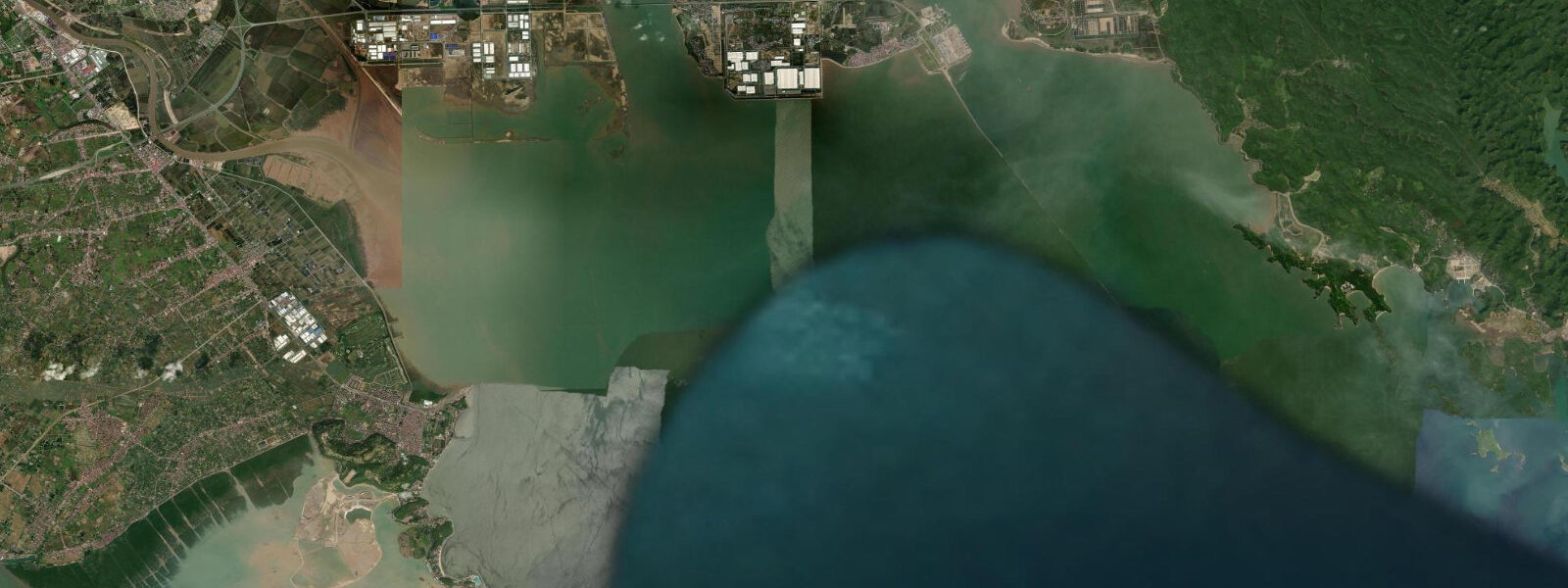
Đồ Sơn is a narrow limestone peninsula extending 5 km south from the Red River Delta plain into the Gulf of Tonkin, 20 km from central Hải Phòng. It has been Hải Phòng's beach resort since the French colonial period — the Grand Hôtel de Đồ Sơn opened in the 1920s — and today its three beaches (Khu I, II, and III from north to south) are the closest seaside escape for Hanoi residents. The tidal range at Đồ Sơn is approximately 3.0 m, diurnal: one high and one low per day.
The character of the beach changes entirely with the tide. At low water, the tidal flat extends 300 to 500 m from the beach face: grey-brown sand and mud, channelled by the drainage from the limestone peninsula, with clam and cockle beds exposed in the lower flat. The stilt restaurants along the beach access this environment directly — platforms and bamboo walkways extend out over the flat, and the kitchen handles whatever the flat produces: nghêu (Asian clams), cua biển (blue crab), tôm sú (tiger prawns), and ốc hương (spiny top shell). At high water, the flat disappears, the sea comes to the beach face, and the stilt restaurants are surrounded by water; the boardwalk access is ankle-deep or submerged. Timing the meal to low water is both practical and the local way.
The peninsula's limestone spine rises to 125 m above sea level at Vạn Hoa, giving panoramic views over the outer Gulf of Tonkin south toward the Bạch Long Vĩ islands and north toward the Hải Phòng harbour approaches. The view from the clifftop at Khu III is one of the better coastal lookouts in the northern Vietnam delta region — the tidal flat visible at low water, the open gulf at high.
The water at Đồ Sơn is warm from May through October (27 to 30°C at peak summer) but turbid — the Red River delivers a substantial sediment load into the southern Gulf of Tonkin, and the plume extends east and south from the delta. The visibility in the water is typically 0.5 to 1.5 m at best; snorkelling is not productive. The beach is used for swimming in summer, with crowds at peak weekends (June–August) concentrated at Khu I and II.
The buffalo fighting festival (lễ hội chọi trâu) at Đồ Sơn, held on the ninth day of the eighth lunar month (typically October), is the most distinctive cultural event on this section of the coast. Two buffalo fight until one submits; the winning animal is sacrificed afterward in a traditional ceremony. The festival is deeply rooted in the local fishing community's belief that strong buffalo bring good fortune for the fishing season. It draws several thousand visitors and is on Vietnam's national intangible cultural heritage list.
Tide predictions on this page come from Open-Meteo Marine, a global ocean model. Accuracy is typically within plus or minus 45 minutes on timing and 0.2 to 0.3 metres on height — model-derived, not from a local gauge. For authoritative official tide predictions, NAVIC (Vietnam Register) and the General Department of Seas and Islands (GOSI) publish tide tables for Vietnamese coastal waters.
Tide questions about Đồ Sơn
Quick answers to the most common questions about tide times, range, and water access at Đồ Sơn.
What is the best time to visit the tidal flat restaurants at Đồ Sơn?
The stilt restaurants on the Đồ Sơn tidal flat are most accessible at low water, when the flat is exposed and the boardwalk to the restaurant platforms is dry or only ankle-deep. At high water the flat is fully submerged — the restaurants are surrounded by sea and the access path is underwater. With a diurnal tide (one low per day) and a range of approximately 3.0 m, the low-water window shifts about 50 minutes later each day. Check the tide table for the specific date: you want to arrive 1 to 1.5 hours before low water and eat through the low-water window, giving a 2 to 3 hour visit before the tide starts reclaiming the flat. The freshest catch is also landed at low water, so the kitchen is best stocked at this time.
Is the water at Đồ Sơn beach clear enough for snorkelling?
No. Đồ Sơn beach is in the sediment plume of the Red River Delta — one of the largest sediment loads in Southeast Asia. Underwater visibility is typically 0.5 to 1.5 m, occasionally less after heavy rain. The water is warm and swimmable in summer (27 to 30°C, June–September) but turbid. Snorkelling and diving are not viable activities here. For clear water in northern Vietnam, Cát Bà Island (30 km east by fast ferry from Hải Phòng) has better visibility on the sheltered eastern and southern coasts, particularly from February through May before the summer plankton bloom.
What is the buffalo fighting festival at Đồ Sơn?
The Đồ Sơn Buffalo Fighting Festival (lễ hội chọi trâu) takes place on the ninth day of the eighth lunar month — usually late September or October. Two buffalo selected from local fishing families fight in the arena until one submits; the winning animal is then ritually sacrificed. The festival has been practiced for centuries as a community rite tied to the fishing calendar: a strong fighting buffalo is believed to bring a prosperous fishing season. The event is on Vietnam's National Intangible Cultural Heritage list and draws crowds of several thousand. The arena at Đồ Sơn is purpose-built; tickets are required for the main event.
What seafood is harvested from the Đồ Sơn tidal flat?
The Đồ Sơn tidal flat produces Asian hard-shell clams (nghêu, Meretrix meretrix), cockles (sò huyết), blue swimmer crab (cua biển), tiger prawns (tôm sú), and several species of sea snail including ốc hương (spiny top shell). The cockle and clam beds are commercially harvested by local families who work the flat at low water with hand rakes and baskets. Much of the harvest goes directly to the beach restaurants. The clam season is most productive April through September; the crab season peaks July through October. Restaurants at Khu I and II serve the flat's produce same-day.
Are the tide predictions on this page official forecasts I can rely on for safety planning?
No. The predictions shown here come from Open-Meteo Marine, a global ocean model with typical accuracy of plus or minus 45 minutes on timing and 0.2 to 0.3 metres on height. They are appropriate for planning tidal flat visits, timing restaurant meals, and understanding the daily tidal window — not for vessel navigation or any safety-critical maritime decision. The Đồ Sơn tidal flat extends 300 to 500 m at low water; rising tide returns quickly and covers the flat within 2 to 3 hours after low water. Anyone walking the outer flat should track the tide actively, not rely on a model prediction alone. Official tide data is published by NAVIC (Vietnam Register) and the General Department of Seas and Islands (GOSI).
8-day tide table — Đồ Sơn
Heights relative to MSL. Predictions: Open-Meteo Marine (MeteoFrance SMOC, 0.08° grid) — heights relative to MSL (not chart datum / LAT). Model-derived.
| Day | Type | Time | Height |
|---|---|---|---|
| Tue 04 Aug | Low | 08:52 | 0.3m |
| Wed 05 Aug | — | ||
| Thu 06 Aug | High | 07:47 | 1.3m |
| Low | 22:12 | -0.1m | |
| Fri 07 Aug | High | 09:10 | 1.6m |
| Low | 22:48 | -0.5m | |
| Sat 08 Aug | High | 10:45 | 2.0m |
| Low | 23:43 | -0.7m | |
| Sun 09 Aug | High | 11:50 | 2.2m |
| Mon 10 Aug | Low | 00:36 | -0.9m |
| High | 12:57 | 2.4m | |
| Tue 11 Aug | Low | 01:48 | -1.1m |
| High | 06:00 | -0.3m | |