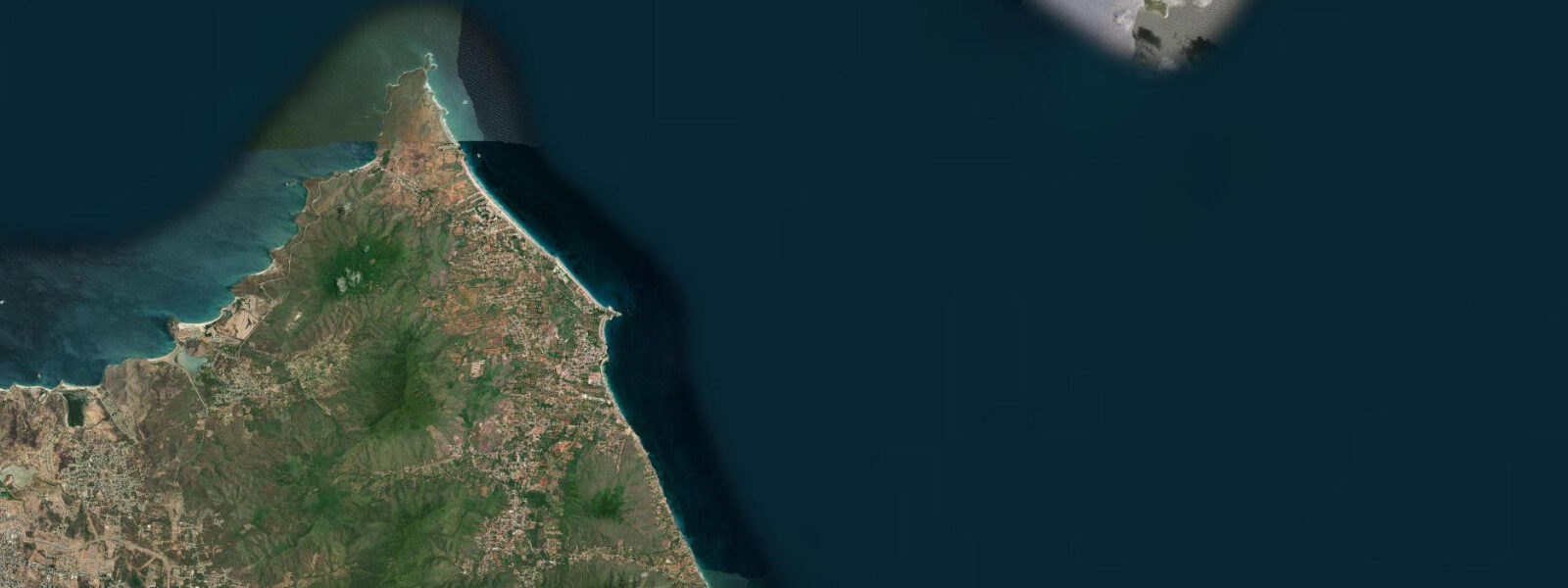
El Agua Beach, Margarita Island tide times
El Agua Beach, Margarita Island tide forecast — heights relative to MSL.
Today's tide times for El Agua Beach, Margarita Island
Tide times at El Agua Beach, Margarita Island on Tuesday, 4 August 2026: first low tide at 10:10am. Sunrise 06:04am, sunset 06:38pm.
Tide chart for El Agua Beach, Margarita Island
24-hour cosine-interpolated curve around the present moment. Heights relative to MSL. Predictions: Predictions: Open-Meteo Marine (MeteoFrance SMOC, 0.08° grid).
Sun, moon and conditions on Tue 04 Aug
Snapshot at build time — refreshes daily. Sea state from Open-Meteo Marine.
Highs and lows next 7 days
Every predicted high and low for the next week, with the daily tidal coefficient (0–120; higher = bigger swing, > 95 means stronger currents).
Other spots nearby
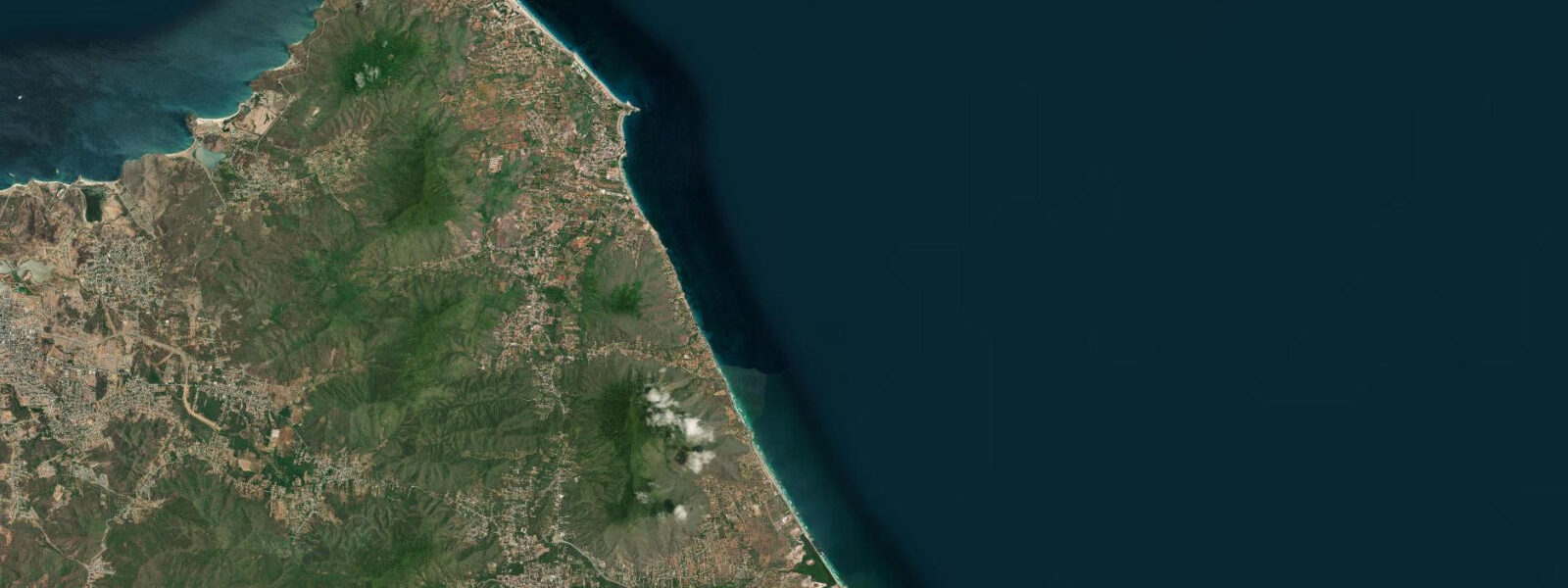
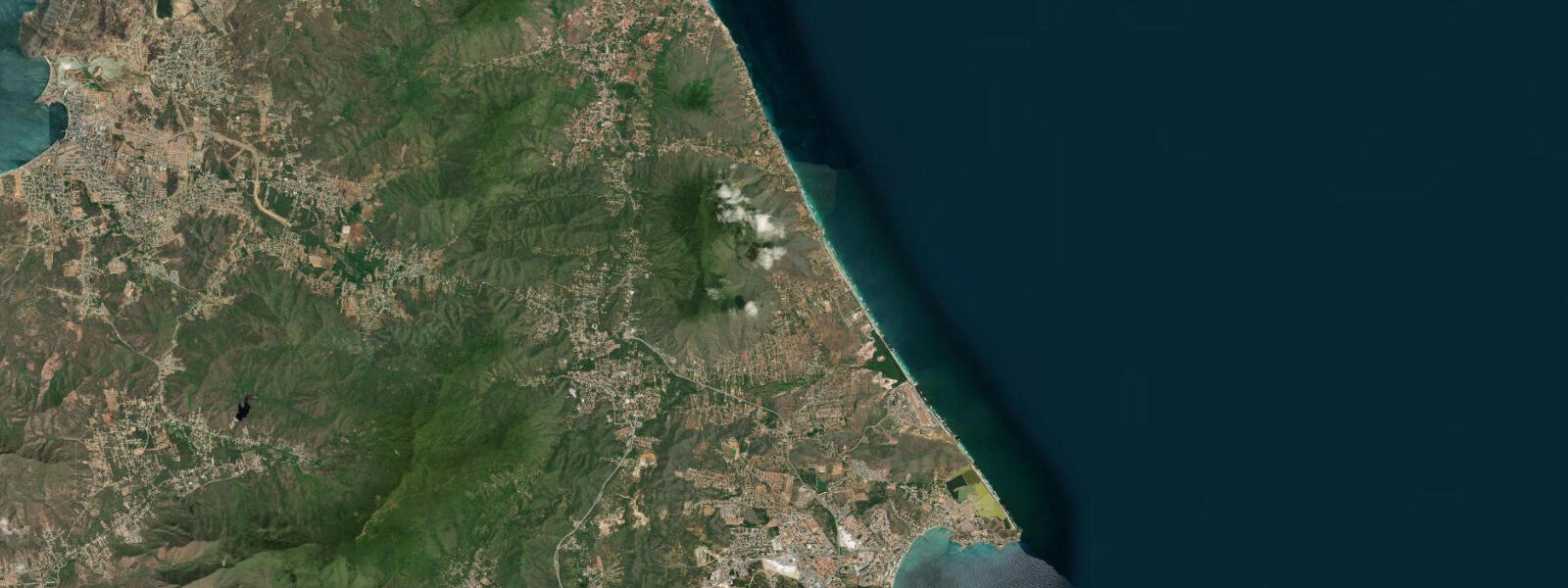
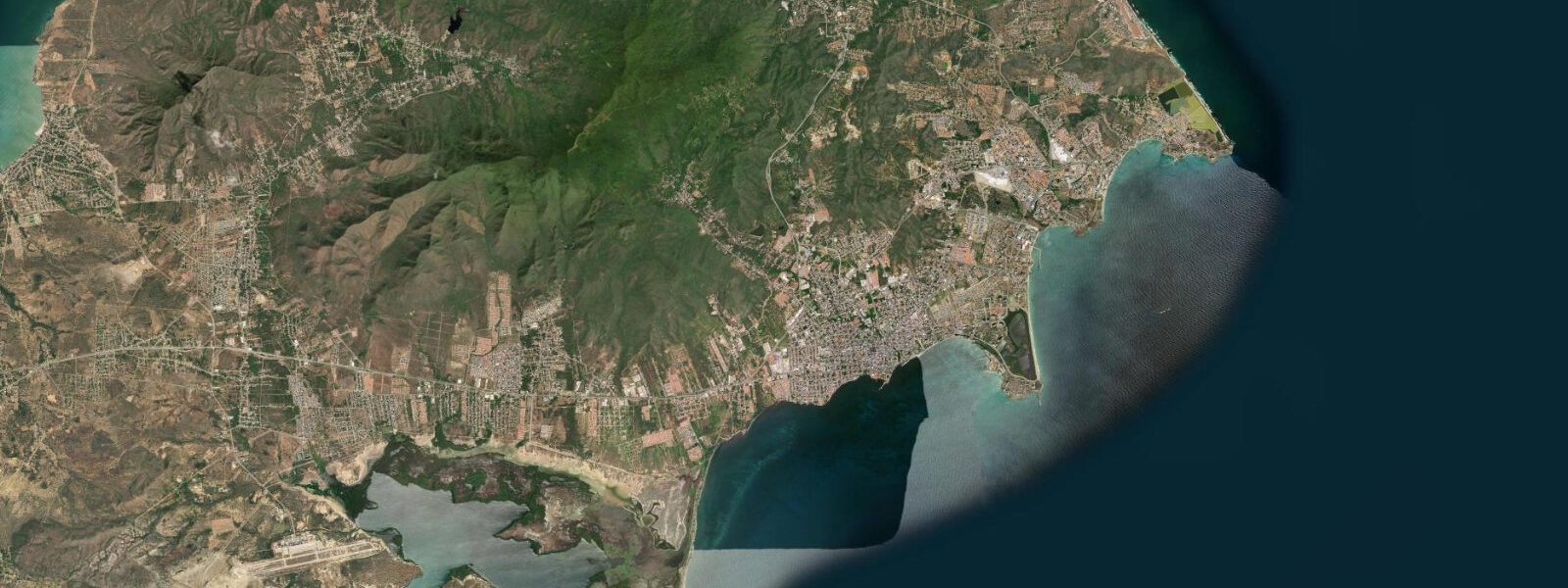
The three closest curated TideTurtle locations to El Agua Beach, Margarita Island, measured by great-circle distance.
Today's solunar windows
Solunar tradition: major periods are the ≈3h windows around moon transit and opposition; minor are ≈2h around moonrise and moonset. Pair with the local tide stage and wind for the best read.
About tides at El Agua Beach, Margarita Island
A short guide to the coastline at El Agua Beach, Margarita Island — geography, sea state, and what the tide is actually doing under your feet.
El Agua is Isla Margarita's most popular beach, on the northeast coast of the island's larger western peninsula. It is a long, wide, northeast-facing strand backed by palms and a strip of restaurants and beach-chair operations. The trade wind blows consistently from the east-northeast, giving the beach a cooling breeze through most of the year and producing the moderate surf that makes it the island's primary swimming and bodyboarding beach for local families.
The tidal regime is Caribbean microtidal: mean range 0.3 to 0.4 metres, mixed semidiurnal. The tide prediction on this page describes a small water-level signal; trade wind setup and Caribbean weather dominate the actual water level on any given day. The beach is wide enough that the 0.3 to 0.4 m tidal change moves the waterline by only a few metres on the gentle slope — not a meaningful variable for swimming or beach planning.
Kite surfing on Isla Margarita concentrates at two locations: Playa el Yaque on the south coast, the island's dedicated kite beach with consistent south-wind exposure, and Parguito on the northeast coast about 5 km east of El Agua. Parguito is a harder-breaking beach that receives Atlantic swell from the east during northern hemisphere winter; it is better suited to experienced surfers and bodyboarders than beginners. Playa el Yaque is the beginner and intermediate kite station, with flat water inside a reef and a reliable 15 to 25 knot trade wind from November through April.
La Mira fish market in Porlamar, on the south coast of the island, is the place for the island's seafood. Porlamar is Margarita's commercial capital, dense and urban; the fish market district is worth the taxi ride for access to the regional catch — fresh pargo (snapper), carite (Spanish mackerel), and cazón (small shark) land daily. The incoming tide in the pre-dawn hours is when the fishing boats return to the Porlamar docks after overnight trips; the market is busiest by 06:00.
The Restinga lagoon system, 30 km west on the isthmus connecting the two peninsulas, is a contrasting environment to the open northeast beach. The lagoon is shallow, warm, and surrounded by dense red mangrove; boat passages through the mangrove channels are navigated by local guides in motorized piraguas. Flamingos feed on the lagoon's algal mats, roseate spoonbills work the shallow edges, and the oysters attached to the mangrove roots are harvested by the local fishing community. The lagoon water level is tide-influenced but the small range makes the channel passable at all states.
For anglers, the waters off Margarita's northeast coast hold a year-round mix of inshore and offshore species. The trade current running westward along the coast concentrates flying fish and their predators — wahoo, mahi-mahi, and kingfish — in the rip zones off the headlands. Small-boat anglers launching from El Agua or Juan Griego work the reef structure to the north for pargo and mero (grouper) on the incoming tide. The solunar tradition rates the days around new and full moons as better for pelagic fishing offshore, though the actual tidal force at this microtidal location is modest.
Families at El Agua find a wide, gently sloping beach with consistent trade-wind cooling, food vendors, and beach chair service — a relaxed urban beach environment by Caribbean standards. Rip currents form when swell is elevated; look for the darker, disturbed water in the wave pattern and exit perpendicular to any rip rather than fighting it.
Predictions on this page come from Open-Meteo Marine, a global gridded ocean model. Accuracy is ±45 minutes on timing and ±0.2 to 0.3 metres on height. The authoritative tidal reference for Venezuelan waters is the INAMEH (Instituto Nacional de Meteorología e Hidrología) tide tables.
Tide questions about El Agua Beach, Margarita Island
Quick answers to the most common questions about tide times, range, and water access at El Agua Beach, Margarita Island.
When is the next high tide at El Agua beach?
The predicted next high tide at El Agua is shown at the top of this page in Venezuela Standard Time (VET, UTC-4). Spring range is 0.3 to 0.4 metres — microtidal. Trade wind setup dominates water-level variation at this northeast-facing beach. Predictions come from Open-Meteo Marine (gridded, ±45 min / ±0.2–0.3 m); INAMEH publishes the authoritative tide tables for Venezuelan waters.
Where is the best kite surfing on Isla Margarita?
Playa el Yaque on the island's south coast is the main kite surfing destination — flat water behind a shallow reef, consistent 15–25 knot trade winds from November through April, and established kite schools and rental operations. Parguito, 5 km east of El Agua on the northeast coast, receives Atlantic swell and is better suited to experienced surfers. Both locations have the trade wind advantage; el Yaque has the infrastructure for beginners.
How do you get to the Restinga lagoon from El Agua?
The Restinga National Park is roughly 30 km west of El Agua on Route 2, accessible by taxi or car in 40–50 minutes. The lagoon entrance (La Pared) has a dock where local boat operators run mangrove channel tours — the standard trip is 45–60 minutes by motorised piragua through the channel system to the lagoon interior. Flamingos are most visible in the morning; November through April is the driest and most reliable season for clear visibility inside the lagoon.
What fish are common near Isla Margarita?
The northeast coast waters off El Agua hold wahoo, mahi-mahi, and kingfish in the trade current rip zones. Inshore reef structures north of the beach produce pargo (snapper) and mero (grouper) on the incoming tide. The Porlamar fish market on the south coast is the best indicator of what is running on any given day — the fishers know their grounds and the daily catch composition reflects current conditions. Carite (Spanish mackerel) is a local table fish caught year-round.
Is this safe to use for navigation?
No. TideTurtle is a planning tool, not a nautical almanac. Navigation around Isla Margarita, including the approaches from the northeast coast, the lagoon channels at Restinga, and the open Caribbean off the island's north shore, requires current charts. INAMEH publishes the official tide tables for Venezuelan waters and the Armada Venezolana Hydrographic Service maintains the authoritative tidal record for the region. Open-Meteo Marine gridded predictions are not a substitute for authoritative harmonic data for any vessel operation.
7-day tide table — El Agua Beach, Margarita Island
Heights relative to MSL. Predictions: Open-Meteo Marine (MeteoFrance SMOC, 0.08° grid) — heights relative to MSL (not chart datum / LAT). Model-derived.
| Day | Type | Time | Height |
|---|---|---|---|
| Tue 04 Aug | Low | 10:10 | -0.2m |
| Wed 05 Aug | High | 18:10 | 0.1m |
| Thu 06 Aug | Low | 03:50 | -0.2m |
| Fri 07 Aug | High | 20:10 | 0.1m |
| Sat 08 Aug | Low | 05:50 | -0.3m |
| High | 21:15 | 0.2m | |
| Sun 09 Aug | — | ||
| Mon 10 Aug | Low | 07:10 | -0.4m |
| High | 19:00 | -0.0m | |