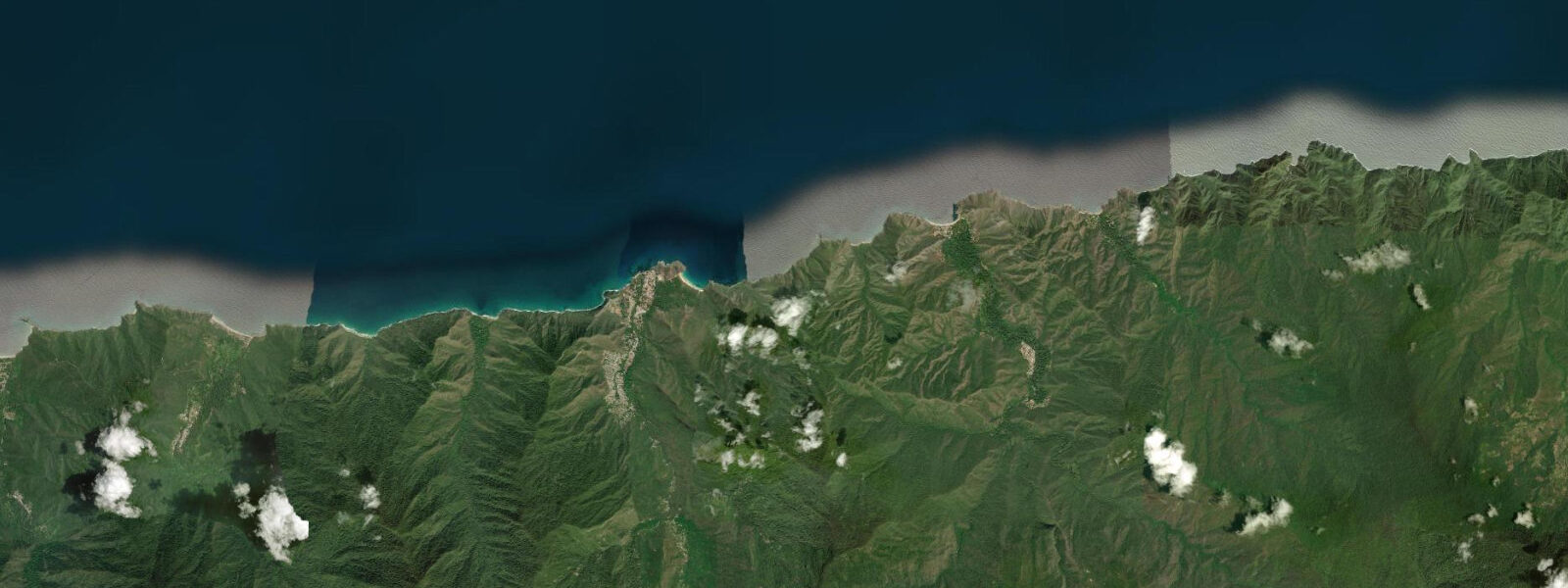
Choroní, Venezuela tide times
Choroní, Venezuela tide forecast — heights relative to MSL.
Today's tide times for Choroní, Venezuela
Tide times at Choroní, Venezuela on Tuesday, 4 August 2026: first low tide at 12:00am. Sunrise 06:19am, sunset 06:53pm.
Tide chart for Choroní, Venezuela
24-hour cosine-interpolated curve around the present moment. Heights relative to MSL. Predictions: Predictions: Open-Meteo Marine (MeteoFrance SMOC, 0.08° grid).
Sun, moon and conditions on Tue 04 Aug
Snapshot at build time — refreshes daily. Sea state from Open-Meteo Marine.
Highs and lows next 7 days
Every predicted high and low for the next week, with the daily tidal coefficient (0–120; higher = bigger swing, > 95 means stronger currents).
Other spots nearby
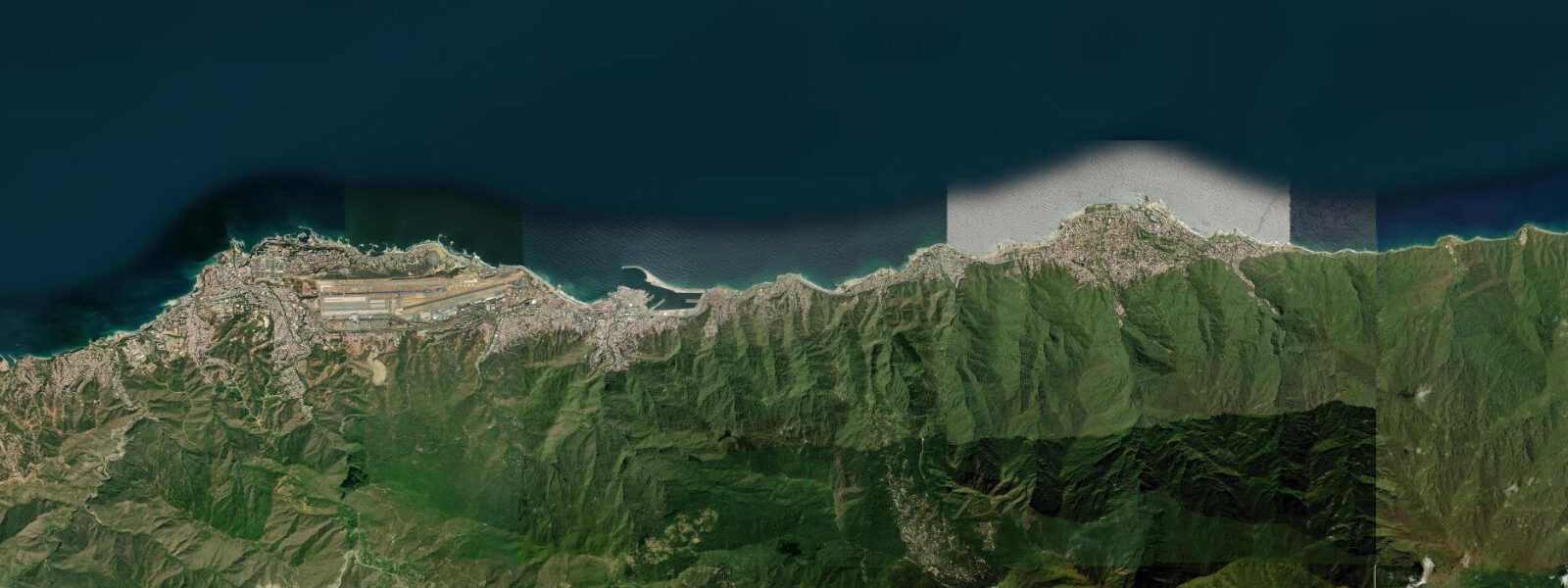
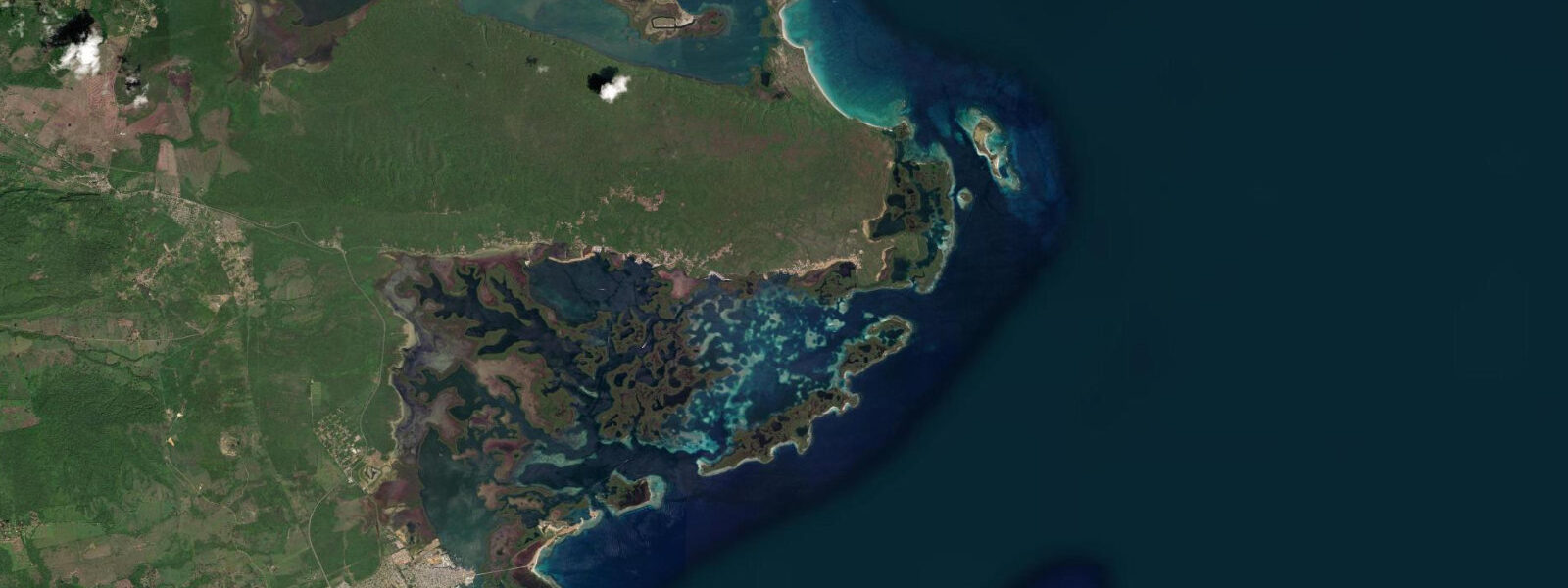
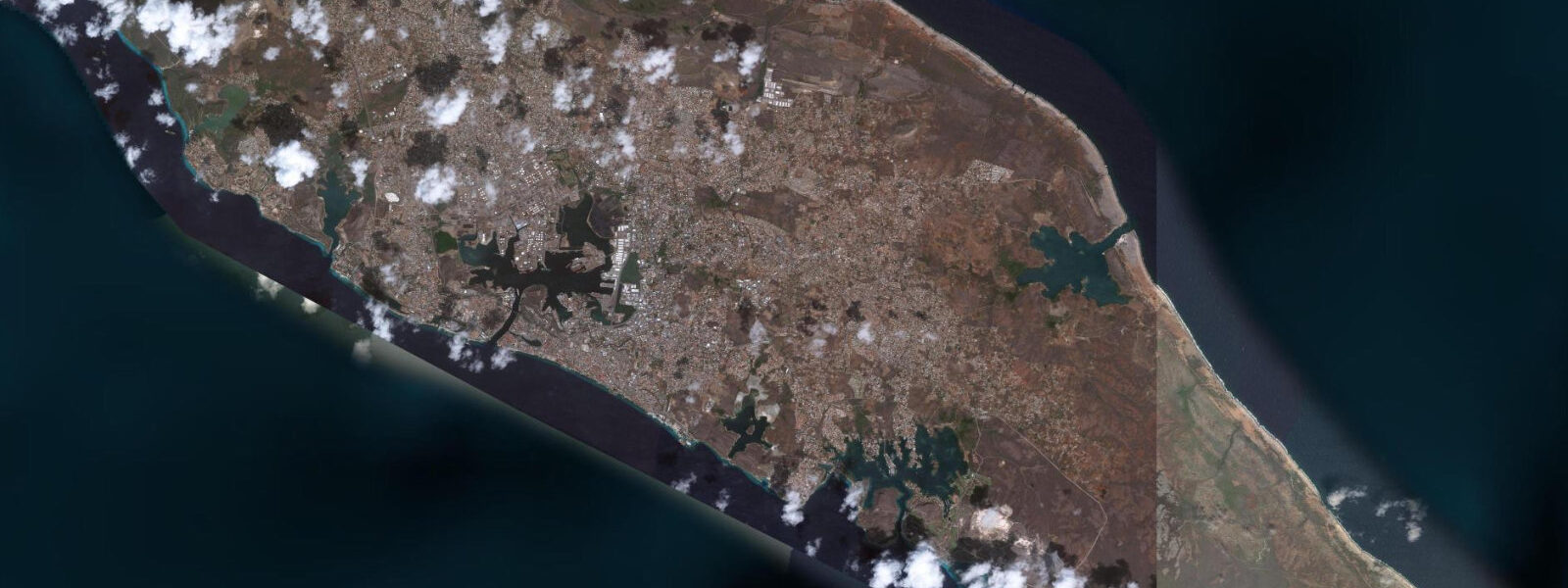
The three closest curated TideTurtle locations to Choroní, Venezuela, measured by great-circle distance.
Today's solunar windows
Solunar tradition: major periods are the ≈3h windows around moon transit and opposition; minor are ≈2h around moonrise and moonset. Pair with the local tide stage and wind for the best read.
About tides at Choroní, Venezuela
A short guide to the coastline at Choroní, Venezuela — geography, sea state, and what the tide is actually doing under your feet.
Choroní is a colonial fishing village on Venezuela's Caribbean coast, at the foot of the Henri Pittier National Park on the coastal slope of the Cordillera de la Costa. The access road descends from the mountain town of Colonia Tovar through cloud forest and dense tropical vegetation before arriving at the coast at Puerto Colombia, the adjacent harbour settlement. Puerto Colombia has the dock and boat landing; Choroní, 200 m inland, has the colonial church, the pastel-painted houses, and the drumming tradition that makes this one of the most distinctively Afro-Venezuelan cultural communities on the coast.
The tidal regime is Caribbean microtidal: mean range 0.3 to 0.4 metres, mixed semidiurnal. The dominant water-level and marine-condition variable here is the mountain-coast microclimate. Henri Pittier National Park receives some of the highest rainfall in Venezuela on its cloud-forest slopes; the rivers discharging at Puerto Colombia run brown and fast after rain events, and the beach water quality reflects the river discharge within 24 hours. During dry-season conditions (December–April), the rivers are clear, the coastal water is clean, and the reef structures visible from the shore are accessible.
The beach at Puerto Colombia — Playa Grande — runs east of the river mouth for about 1 km. It is a wide, dark-sand beach with moderate Caribbean swell reaching the shore from the northeast; the swell refraction around the headland at the east end of the bay reduces the energy in the western section nearest the village, making it the calmer swim zone. The eastern section picks up the full swell and is popular with bodysurfers.
Humpback whales pass through the waters off the Choroní coast from January through March, during the southward migration of the Venezuelan/Caribbean population toward their breeding and calving grounds in the equatorial Caribbean. Whale-watching boats out of Puerto Colombia are informal — fishers who know the grounds and are willing to take passengers. No fixed operator exists; asking at the dock early morning is the method. Sightings are possible but not guaranteed.
Diving and snorkelling at Choroní is centred on the reef structures below the headlands at either end of the bay. The headland at the east end has a reef system starting in 3 m; brain coral and sea fans are the main structure, with wrasse, damselfish, and snapper typical of the Caribbean community. Visibility is highly variable — clear during dry season, poor during and after rain. The turn of tide (±45 min from Open-Meteo) gives the calmest current at the headland.
Anglers fish the river mouths for snook on the incoming tide — Puerto Colombia's river entrance is the primary local spot. Shore casting to the rocks at the east headland produces jack crevalle and barracuda on the flood. The fishing community at Puerto Colombia is active; the catch comes in from overnight offshore trips in the early morning, and freshly landed pargo and carite are available at the dock.
Families with children use the calmer west section of Playa Grande and the beachside food kiosks that operate on weekends and Venezuelan holidays. The village of Choroní itself is worth exploring on foot — the central square, the colonial church Nuestra Señora del Rosario de Choroní, and the cacao culture (Henri Pittier Park produces some of Venezuela's finest cacao, which makes it to local chocolate operations). Weekend and holiday periods draw Caraqueños down the mountain road and the village fills rapidly; midweek is quieter.
Predictions on this page come from Open-Meteo Marine, a global gridded ocean model. Accuracy is ±45 minutes on timing and ±0.2 to 0.3 metres on height. INAMEH is the authoritative tidal reference for Venezuelan waters.
Tide questions about Choroní, Venezuela
Quick answers to the most common questions about tide times, range, and water access at Choroní, Venezuela.
When is the next high tide at Choroní?
The predicted next high tide at Choroní is shown at the top of this page in Venezuela Standard Time (VET, UTC-4). Spring range is 0.3 to 0.4 metres — microtidal Caribbean. River discharge from Henri Pittier Park's slopes affects bay water quality after rain; the tide prediction alone does not capture this variable. Predictions come from Open-Meteo Marine (gridded, ±45 min / ±0.2–0.3 m).
When are humpback whales present off Choroní?
Humpback whales are most commonly sighted in Venezuelan Caribbean waters from January through March during their southward migration from North Atlantic feeding grounds toward equatorial Caribbean waters. Whale watching from Puerto Colombia is informal — no fixed licensed operator runs dedicated tours on a regular schedule. Asking at the Puerto Colombia dock early morning is the standard approach; local fishers who operate offshore know the grounds and occasionally take passengers. Sightings are opportunistic, not guaranteed. The offshore zone between the Venezuelan coast and the Aves Ridge (Archipiélago Los Aves) is the primary migration corridor.
What is the best season to visit Choroní for snorkelling?
The dry season from December through April gives the clearest coastal water — river discharge from Henri Pittier Park's slopes drops, bay clarity improves, and the headland reef structures are most visible. During the wet season (May–November), post-rain river runoff can reduce visibility to near zero in the bay within 24 hours of a major rain event. Check local weather and river-condition reports if planning a snorkel trip.
How do you get to Choroní from Caracas?
The drive from Caracas to Choroní/Puerto Colombia is approximately 100 km via the mountain road through Colonia Tovar — allow 2.5 to 3 hours each way due to the winding descent. The road is paved but narrow through the mountain section. Bus service (por puesto) runs from Caracas's La Bandera terminal via Maracay. Weekend traffic creates significant delays on both the outbound Friday afternoon and inbound Sunday evening runs.
Is this safe to use for navigation?
No. TideTurtle is a planning tool, not a nautical almanac. Navigation along the Venezuelan Caribbean coast between the Cordillera de la Costa headlands, including approaches to Puerto Colombia and the reef passages east of the bay, requires current charts. The INAMEH and the Armada Venezolana Hydrographic Service publish the authoritative tidal and navigational reference for Venezuelan waters. Open-Meteo Marine predictions are not a substitute for authoritative harmonic data for any vessel operation.
6-day tide table — Choroní, Venezuela
Heights relative to MSL. Predictions: Open-Meteo Marine (MeteoFrance SMOC, 0.08° grid) — heights relative to MSL (not chart datum / LAT). Model-derived.
| Day | Type | Time | Height |
|---|---|---|---|
| Tue 04 Aug | Low | 00:00 | -0.1m |
| Wed 05 Aug | — | ||
| Thu 06 Aug | High | 19:10 | 0.2m |
| Fri 07 Aug | Low | 10:50 | -0.2m |
| High | 19:50 | 0.2m | |
| Sat 08 Aug | Low | 06:10 | -0.3m |
| High | 21:10 | 0.2m | |
| Sun 09 Aug | Low | 06:50 | -0.3m |
| High | 21:50 | 0.2m | |