Frederiksted, St. Croix tide times
Frederiksted, St. Croix tide forecast — heights relative to MSL.
Tide chart for Frederiksted, St. Croix
24-hour cosine-interpolated curve around the present moment. Heights relative to MSL. Predictions: Predictions: Open-Meteo Marine (MeteoFrance SMOC, 0.08° grid).
Sun, moon and conditions on Tue 04 Aug
Snapshot at build time — refreshes daily. Sea state from Open-Meteo Marine.
Highs and lows next 7 days
Every predicted high and low for the next week, with the daily tidal coefficient (0–120; higher = bigger swing, > 95 means stronger currents).
Other spots nearby
The three closest curated TideTurtle locations to Frederiksted, St. Croix, measured by great-circle distance.
Today's solunar windows
Solunar tradition: major periods are the ≈3h windows around moon transit and opposition; minor are ≈2h around moonrise and moonset. Pair with the local tide stage and wind for the best read.
About tides at Frederiksted, St. Croix
A short guide to the coastline at Frederiksted, St. Croix — geography, sea state, and what the tide is actually doing under your feet.
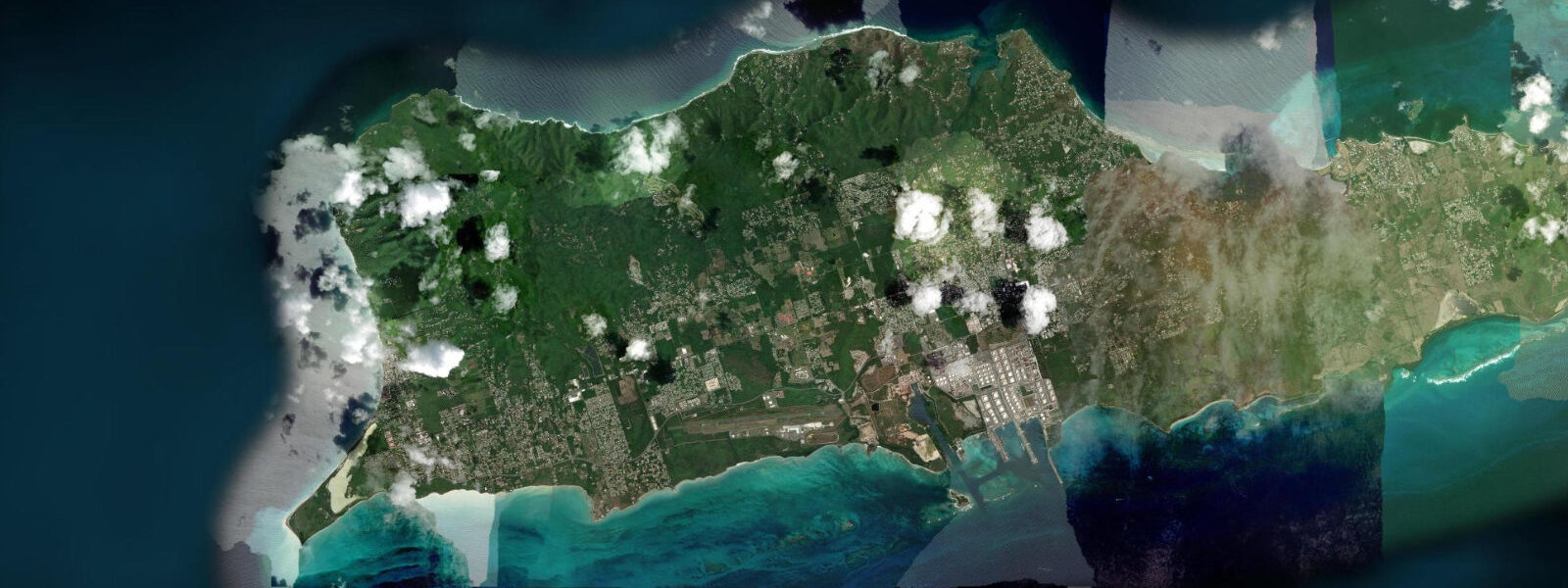
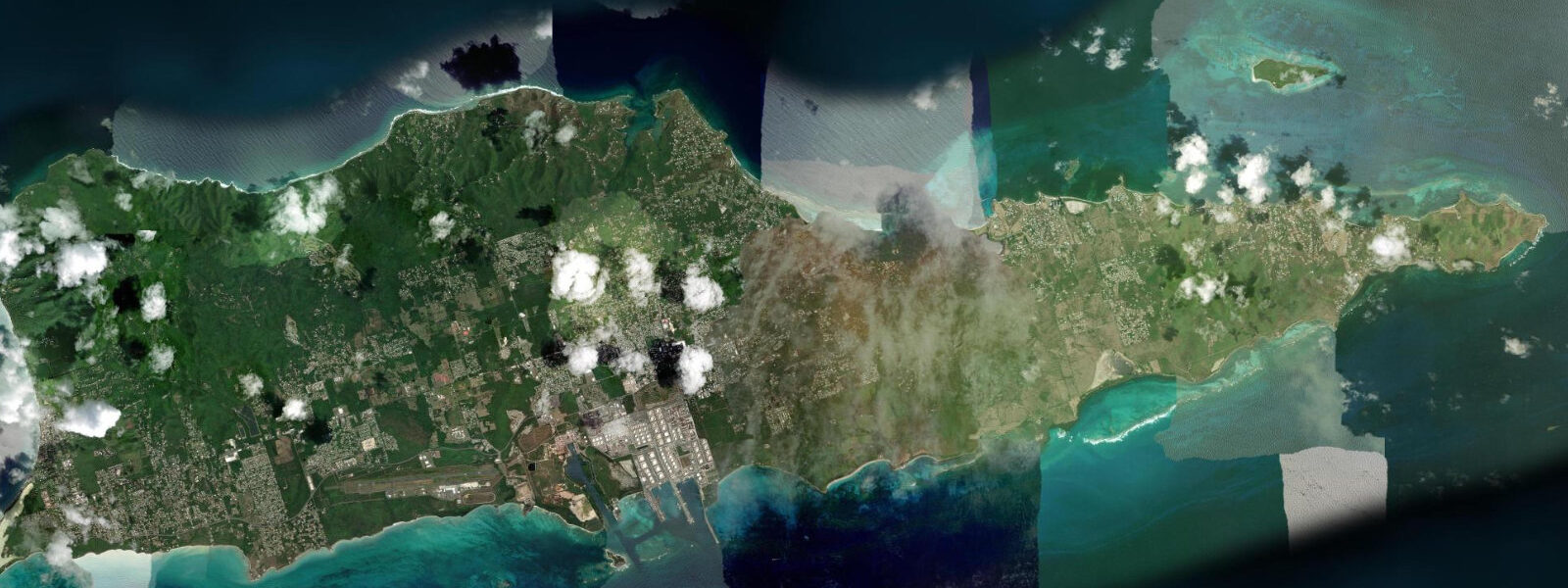
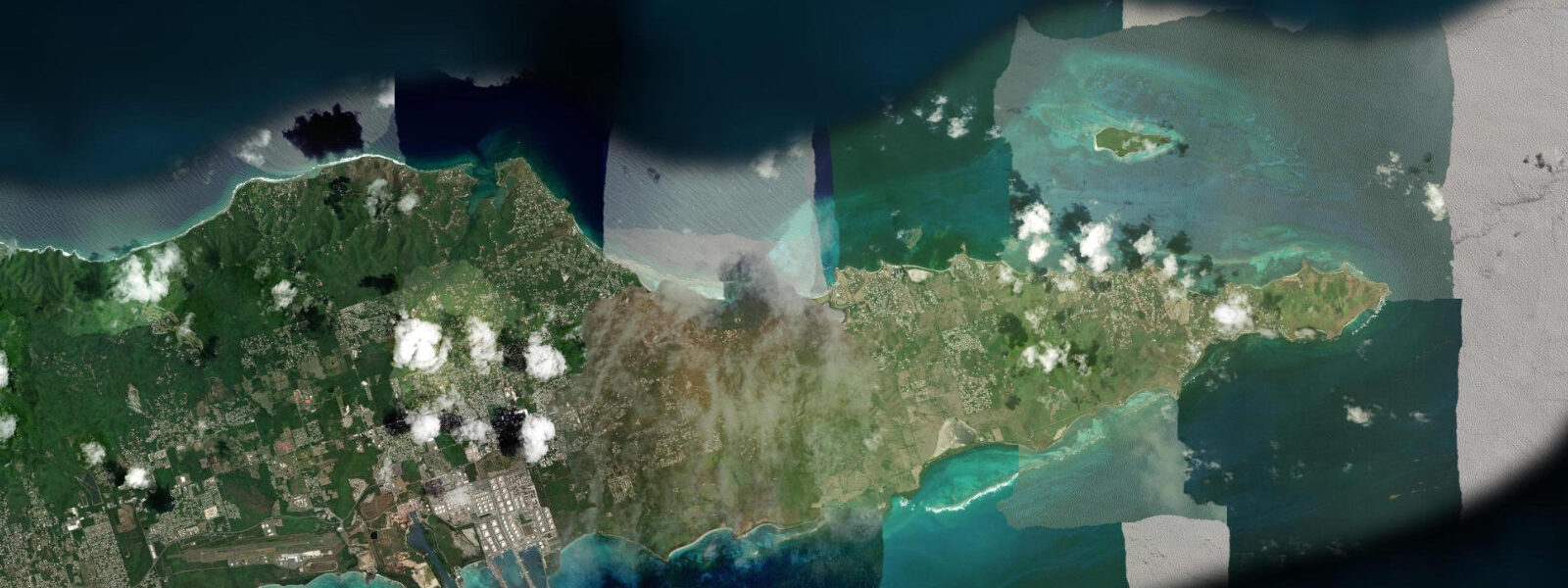
Frederiksted is St. Croix's second town, on the island's west coast facing the Caribbean Sea. Where Christiansted on the north coast is compact, colonial, and commercially active, Frederiksted is slower, wider, and more architecturally intact — blocks of Victorian gingerbread buildings surviving in better condition than almost anywhere else in the Caribbean. The town was twice destroyed by fire, in 1826 and again in 1878 during the Fireburn labour uprising, and rebuilt both times in the late 19th-century Danish-Caribbean vernacular style that defines the streetscape today.
The tidal regime at Frederiksted is Caribbean microtidal: spring range 0.3 to 0.5 metres, mixed semidiurnal. The west coast of St. Croix faces the Caribbean Sea and is sheltered from the northeast Atlantic trade swell by the island's land mass; conditions here are consistently calmer than the Christiansted or Buck Island shores. The main water-level variation drivers are Caribbean weather systems and the diurnal heating pattern that generates afternoon sea breeze — not the astronomical tide.
Frederiksted Pier is the town's most distinctive aquatic asset. The pier extends 300 m into the Caribbean and the pilings, submerged for decades, have been colonised by a dense community of invertebrates: orange cup coral, Christmas tree worms, flamingo tongue snails, and extensive sponge gardens. At night, the pier dive reveals creatures absent during daylight: seahorses anchoring to the pilings, frogfish motionless on encrusted surfaces, flying gurnard walking on modified fins across the sandy bottom in 5 to 8 m of water. The night dive here has been rated among the best in the Caribbean for macro subject density.
The pier dive is accessible to intermediate divers and above. The depth under the pier ranges from 5 to 12 m; the bottom is sandy with minimal current. Entry is off the pier ladder or by giant stride from the edge. Visibility is best at night when pelagic plankton that reduces daytime visibility retreats — on a calm night, 15 to 20 m visibility is typical. The slack near the predicted low water, when current reversal is minimal, gives the calmest conditions for the drift back to the ladder.
For daytime activities, the beach south of the pier at Sandy Point is St. Croix's westernmost beach and the widest stretch of sand on the island. It is also a leatherback sea turtle nesting beach — the largest turtle nesting on the island's outer coast. The beach is co-managed by the US Fish and Wildlife Service; seasonal access restrictions apply from March through June when turtles are nesting and rangers are stationed at the site. Outside nesting season, Sandy Point is a broad, exposed beach that receives Caribbean swell on weather-affected days but is generally calm in the prevailing trades.
Anglers fishing the west coast of St. Croix target large pelagics from charter boats in the deep water beyond the shelf edge. The shelf drops to several thousand metres less than 10 km west of Frederiksted. Inshore, the pier structure itself concentrates snapper and jack; fishing from the pier requires a permit from the VI Department of Planning and Natural Resources. Shore casting from the beach south of the pier in the hour before and after the predicted low tide brings the bottom structure within casting range.
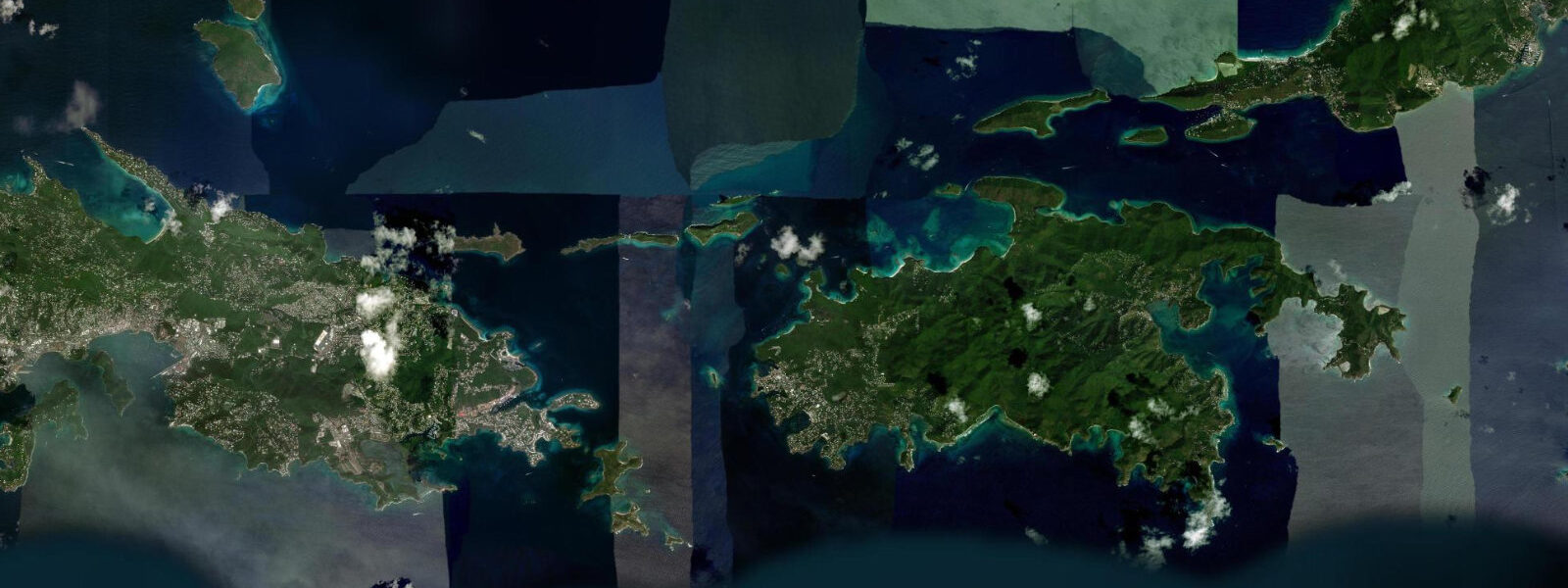
Salt River Bay National Historic Park lies 8 km north of Frederiksted along the north coast road — a separate visit but worth noting as a Columbus landing site with the only known ceremonial ball court associated with the pre-Columbian Arawak people north of the equator. The bay is also a good kayaking destination for a calm morning.
Photographers come to Frederiksted primarily for the Victorian architecture and the pier macro subjects. The golden hour before sunset on the west coast is direct and clean — the pier silhouettes against the orange sky in the final 30 minutes of light. For underwater macro work, artificial lighting is mandatory; natural light at pier depth even midday is insufficient for the subject distances involved.
Predictions on this page come from Open-Meteo Marine, a global gridded ocean model. Accuracy is ±45 minutes on timing and ±0.2 to 0.3 metres on height. For the pier dive, current from the predicted tide change is one of several variables; factor in local charter operator knowledge of the specific conditions on the day.
Tide questions about Frederiksted, St. Croix
Quick answers to the most common questions about tide times, range, and water access at Frederiksted, St. Croix.
When is the next high tide at Frederiksted?
The predicted next high tide at Frederiksted is shown at the top of this page in Atlantic Standard Time (AST, UTC-4). Spring range is 0.3 to 0.5 metres — microtidal Caribbean. For the pier dive, the slack near the predicted low water typically gives the calmest current. Predictions come from Open-Meteo Marine (gridded, ±45 min / ±0.2–0.3 m); NOAA's Christiansted gauge (east St. Croix) is the closest authoritative harmonic reference.
What makes Frederiksted Pier special for night diving?
The pier pilings have been underwater for decades and are densely colonised by orange cup coral, sponges, Christmas tree worms, and flamingo tongue snails. After dark, seahorses, frogfish, flying gurnards, and octopus appear that are absent or hidden during daylight. Visibility typically improves at night when plankton disperses. The dive is 5–12 m deep; entry from the pier ladder or giant stride. Intermediate certification minimum. Dive operators in Frederiksted run scheduled night trips; independent diving off the pier requires landowner coordination.
When is Sandy Point beach accessible?
Sandy Point is open year-round except during the leatherback sea turtle nesting season, typically March through June, when US Fish and Wildlife Service rangers restrict access to the nesting beach. Outside the restriction period, the beach is publicly accessible without a fee. No facilities on the beach itself — bring water and sun protection. The access road is unpaved; high clearance is useful after heavy rain.
Where do tide predictions for Frederiksted come from?
Predictions come from Open-Meteo Marine, a global gridded ocean model. The model estimates tidal height from a geographic grid rather than from harmonic analysis of a local gauge on St. Croix's west coast. Accuracy class: ±45 minutes on timing, ±0.2 to 0.3 metres on height. NOAA's Christiansted, St. Croix gauge is the closest authoritative harmonic tide station for this island.
Is this safe to use for navigation?
No. TideTurtle is a planning tool, not a nautical almanac. Navigation around St. Croix's west coast, including the approach to Frederiksted Pier and the offshore shelf edge, requires current NOAA charts and attention to the reef hazards at Sandy Point and the western tip. The pier itself has mooring restrictions and designated cruise ship berthing zones. Open-Meteo Marine gridded predictions are not a substitute for authoritative harmonic data for any vessel operation. For dive operations at the pier, current USCG and NPS regulations on underwater activity apply.
7-day tide table — Frederiksted, St. Croix
Heights relative to MSL. Predictions: Open-Meteo Marine (MeteoFrance SMOC, 0.08° grid) — heights relative to MSL (not chart datum / LAT). Model-derived.
| Day | Type | Time | Height |
|---|---|---|---|
| Tue 04 Aug | — | ||
| Wed 05 Aug | High | 18:00 | 0.5m |
| Thu 06 Aug | — | ||
| Fri 07 Aug | — | ||
| Sat 08 Aug | — | ||
| Sun 09 Aug | Low | 08:10 | 0.2m |
| Mon 10 Aug | High | 19:00 | 0.5m |