Christiansted tide times
Christiansted tide forecast — heights relative to MSL.
Tide chart for Christiansted
24-hour cosine-interpolated curve around the present moment. Heights relative to MSL. Predictions: Predictions: Open-Meteo Marine (MeteoFrance SMOC, 0.08° grid).
Sun, moon and conditions on Tue 04 Aug
Snapshot at build time — refreshes daily. Sea state from Open-Meteo Marine.
Highs and lows next 7 days
Every predicted high and low for the next week, with the daily tidal coefficient (0–120; higher = bigger swing, > 95 means stronger currents).
Other spots nearby
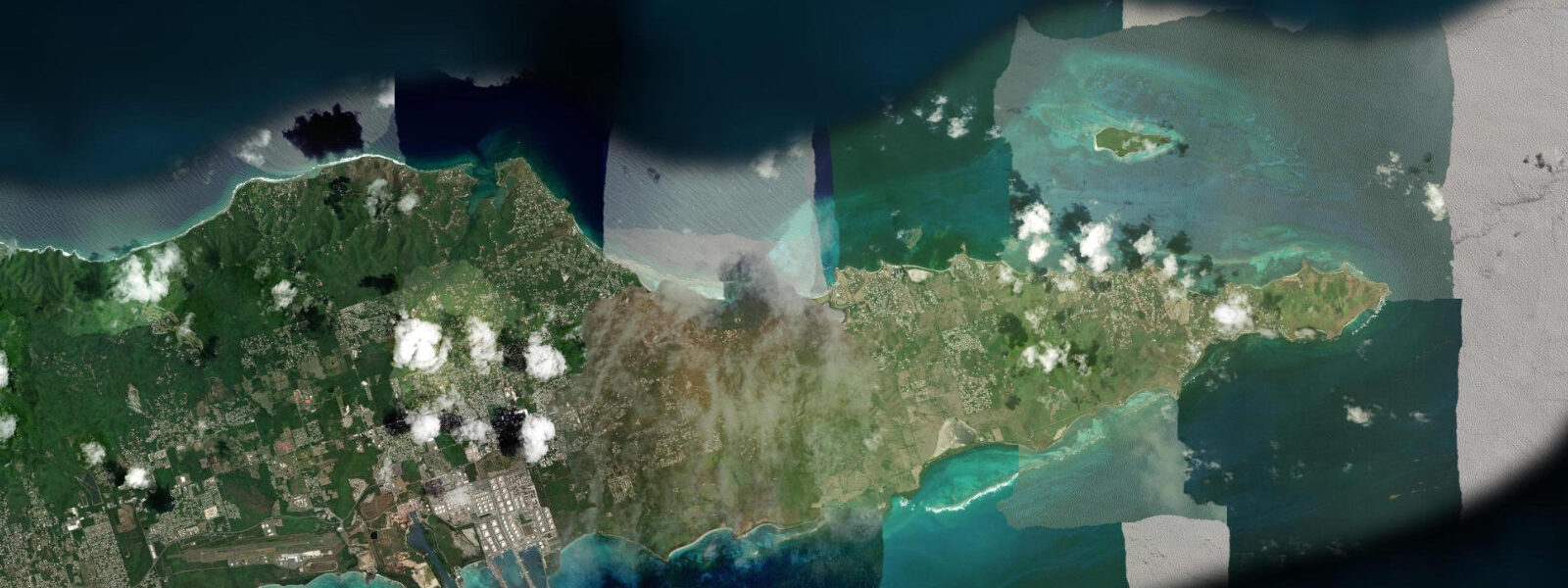
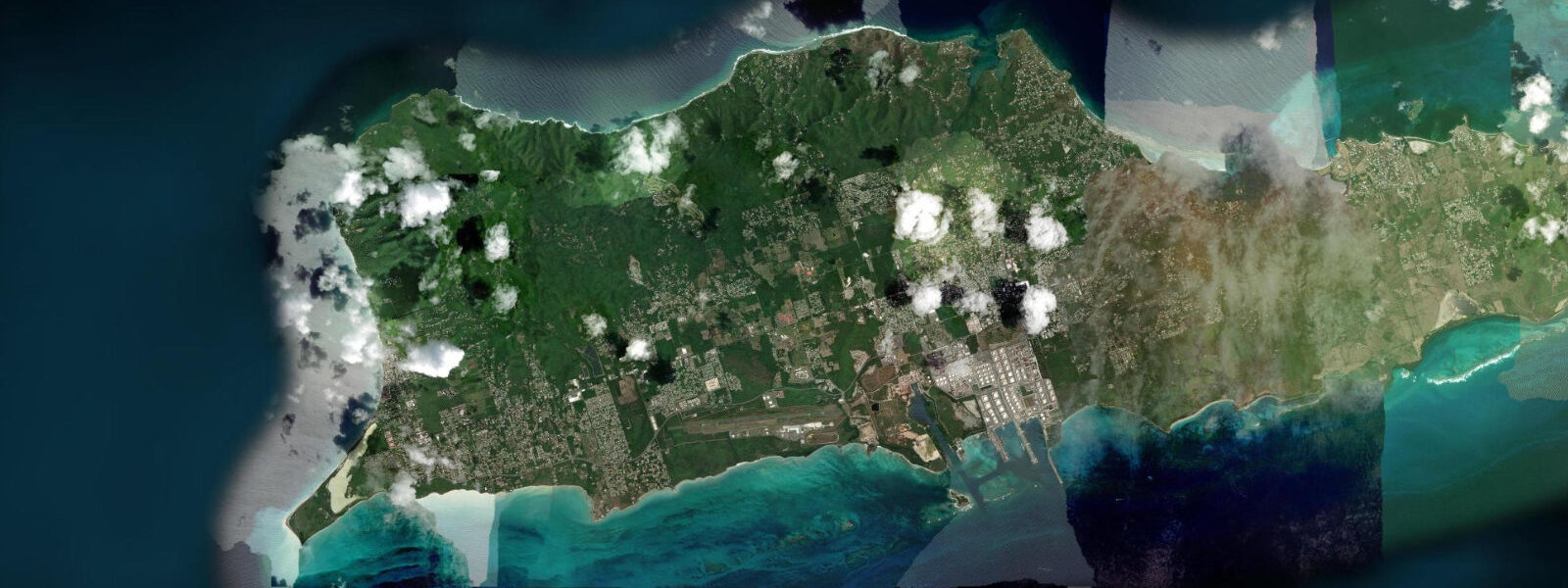
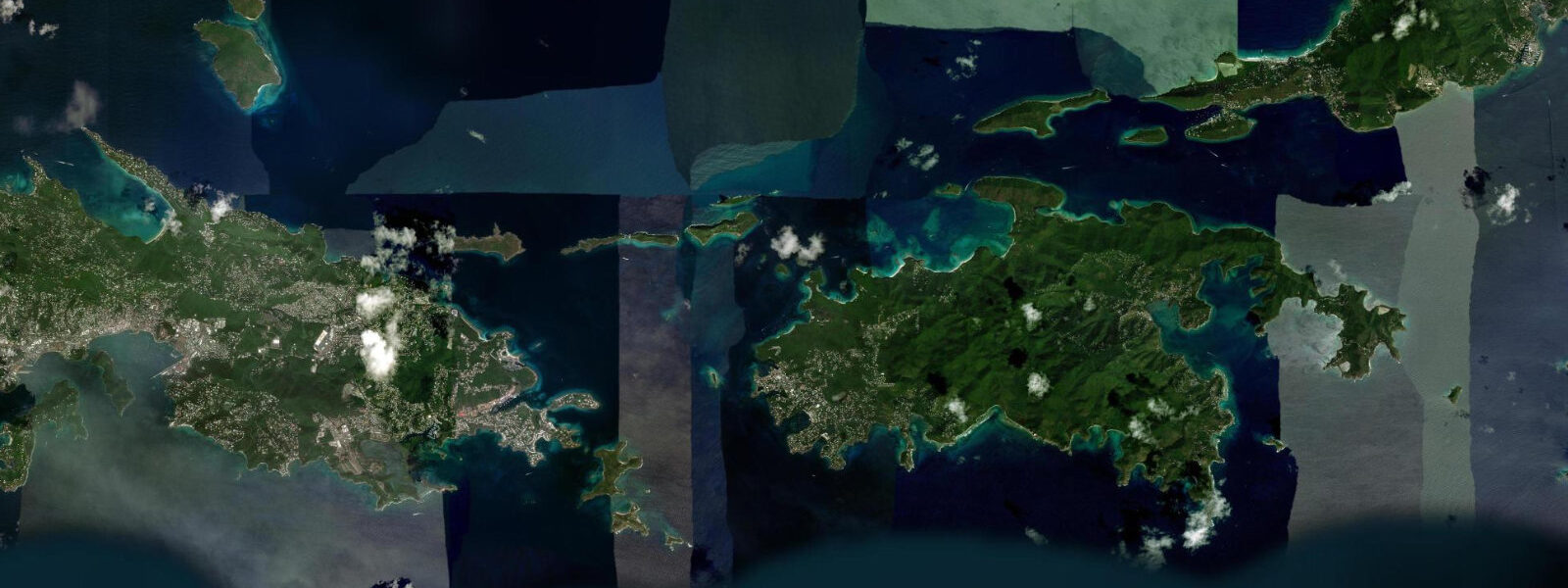
The three closest curated TideTurtle locations to Christiansted, measured by great-circle distance.
Today's solunar windows
Solunar tradition: major periods are the ≈3h windows around moon transit and opposition; minor are ≈2h around moonrise and moonset. Pair with the local tide stage and wind for the best read.
About tides at Christiansted
A short guide to the coastline at Christiansted — geography, sea state, and what the tide is actually doing under your feet.
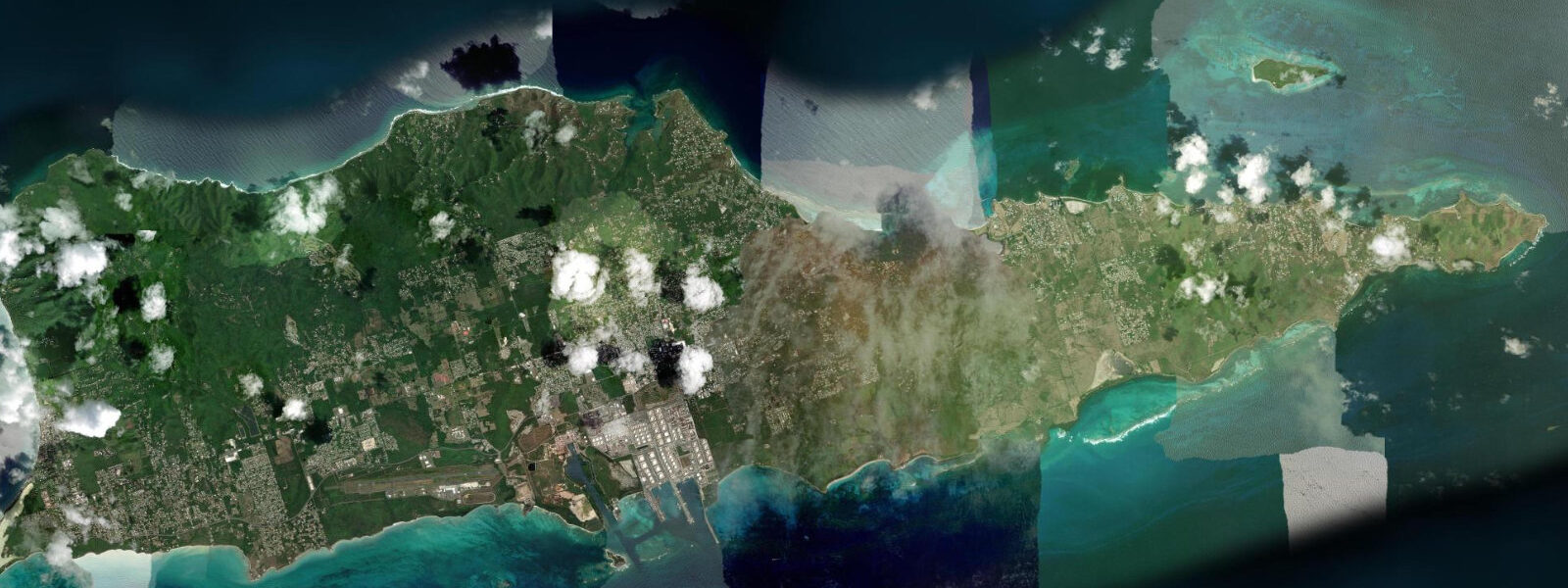
Christiansted is the main town on St. Croix, the southernmost and largest of the US Virgin Islands, 70 km south of St. Thomas across the Anegada Passage. St. Croix sits below the main island chain in a stretch of open Caribbean that gives it a different character from the northern USVI — less cruise traffic, a flatter landscape (the island is an ancient carbonate platform rather than a volcanic peak), and a Danish colonial core that is among the most intact in the Caribbean. Fort Christiansvaern, built in 1749, stands at the edge of Christiansted Harbour in yellow Danish brick; the waterfront buildings along the boardwalk are 18th-century Danish merchant infrastructure, now converted to restaurants and dive shops.
The tidal regime at Christiansted is microtidal: mixed semidiurnal with a spring range of approximately 0.2–0.3 m above Chart Datum, consistent with the broader eastern Caribbean pattern. St. Croix's position 70 km south of the main island chain places it in slightly different water than Charlotte Amalie; the tidal phase at Christiansted leads Charlotte Amalie by approximately 15–30 minutes. Mean high water springs reaches approximately 0.2 m above Chart Datum; mean low water springs approaches 0.0 m. The diurnal inequality is comparable to the rest of the USVI, with neap periods producing a near-negligible range.
The Christiansted Harbour is protected by a reef and cay system that creates a calm inner anchorage. Protestant Cay, a small sandy island in the middle of the harbour with a hotel, is accessible by a 3-minute ferry from the Christiansted boardwalk — a unique feature in a Caribbean town of this size. The harbour reef keeps the inner anchorage flat even during trade wind events; the approach channel through the reef requires navigating a marked passage where depth drops to 2.5–3.0 m at mean low water. With a tidal range of 0.2–0.3 m, the channel minimum depth at low spring water is 2.2–2.7 m — a constraint for vessels drawing 1.8 m or more that should factor the predicted low tide into arrival timing.
Buck Island Reef National Monument, 2.5 km northeast of Christiansted, is the primary natural attraction of St. Croix. The monument protects an underwater snorkel trail at Turtle Beach on the island's western end — a marked route through an elkhorn coral reef system that was, before the 1970s–1990s bleaching events, one of the most pristine in the Caribbean. The reef is recovering; the snorkel trail retains enough living coral and fish diversity to be outstanding by Caribbean standards. Tour boats from Christiansted run the 20-minute crossing; the return timing is governed by afternoon trade wind build-up rather than tide. At low spring water the shallowest sections of the Buck Island reef crest sit 0.3–0.5 m below the surface — the most fragile corals are exposed enough to be scraping hazards for inattentive snorkellers. Tour operators brief the reef-clearance issue before entering the water.
For divers, St. Croix has two distinct environments: the north-wall diving accessible from Frederiksted on the west coast (a vertical wall similar in character to Grand Turk's, beginning at 10–15 m and dropping to 1,000+ m), and the reef and wreck diving around Christiansted on the east coast. The Frederiksted Pier is an accessible shore dive — the pier pilings host seahorses, frogfish, and invertebrate communities that are the dominant attraction, independent of tidal state. The Salt River Canyon northeast of Christiansted, a submerged channel from the island's geological past, produces up-current diving where divers are carried into the canyon by the tidal flow — entrance on the ebb, exit on the flood, with the tidal current (0.3–0.5 knots in the canyon on springs) doing the work.
Anglers on St. Croix target the north-wall dropoff from Frederiksted for offshore species — wahoo and mahi-mahi run the wall edge year-round. Inshore around Christiansted, snapper and grouper hold on the reef structure inside the monument boundary (no fishing permitted within the monument) and on the offshore patches between the monument and the southeast tip of St. Croix. Bottom fishing is most productive on the ebb tide when current sweeps bait off the reef. The harbour anchorage produces tarpon at night around the dock lights on the flood tide — a classic Caribbean dock-light tarpon fishery that works best in the hour before to the hour after high water.
All tide predictions for Christiansted come from the Open-Meteo Marine gridded model. Timing accuracy is ±45 minutes; height accuracy is ±0.3 m above Chart Datum.
Tide questions about Christiansted
Quick answers to the most common questions about tide times, range, and water access at Christiansted.
Does the tidal range at Christiansted affect harbour entry for sailing yachts?
Christiansted's approach channel through the harbour reef has a minimum depth of 2.5–3.0 m at mean low water. With a spring tidal range of 0.2–0.3 m, the channel minimum at low spring tide drops to approximately 2.2–2.7 m. Vessels drawing 1.8 m or more should factor the predicted low tide into arrival timing — not as a major constraint, but worth checking before entering on a falling spring tide. The inner harbour anchorage is well sheltered and deeper than the channel; once through the passage, depth is not a concern for recreational vessels.
What is the Buck Island reef snorkel trail and does tidal state affect it?
The Buck Island Reef National Monument snorkel trail is a marked underwater route through recovering elkhorn coral at the western end of Buck Island, 2.5 km northeast of Christiansted. Tour boats run the 20-minute crossing from the Christiansted boardwalk. At low spring water the shallowest reef crest sections are 0.3–0.5 m below the surface — enough to create a coral-scraping hazard for snorkellers who don't maintain depth awareness. Tour operators brief the clearance issue before entering the water. The spring range of 0.2–0.3 m means the reef is in a similar configuration at all tidal stages; there is no dramatically better or worse tidal window for this snorkel.
What is the Salt River Canyon dive and how does the tidal current work?
Salt River Canyon northeast of Christiansted is a submerged geological channel that produces tidal-current drift diving. The standard approach is to enter from the outer edge on the ebb, letting the current carry you into the canyon past the coral-covered walls, then ascending at the inner end. On the reverse flood current, entry from the inner end carries divers outward. Spring tides produce 0.3–0.5 knots in the canyon — enough to move divers at a comfortable drift pace without significant effort. Check the tidal phase before booking: a neap day produces negligible current and a very different experience from a spring drift.
Where is the best tarpon fishing around Christiansted?
The Christiansted boardwalk dock area and the harbour anchorage produce tarpon at night around dock lights on the incoming flood tide. Tarpon concentrate under lights to feed on baitfish attracted to the illuminated water; the productive window runs from one hour before high water through the first hour of the ebb, when the current shift reactivates feeding. Spinning rods with live mullet or large streamer flies are the standard approach. The small tidal range (0.2–0.3 m) means the flood phase is brief, so arrive early to set up before the current peaks. Tarpon in the 60–100 cm range are common; larger fish appear less predictably.
What makes St. Croix different from the northern USVI islands for a coastal visitor?
St. Croix is flatter (no volcanic ridge), less crowded (fewer cruise calls than Charlotte Amalie), and 70 km south of the main USVI chain in open Caribbean water. The Danish colonial core of Christiansted is more intact and less touristically developed than Charlotte Amalie. Buck Island is a first-rate natural site without the overhead of the main-island crowds. The west-coast Frederiksted Pier shore dive is one of the Caribbean's most accessible wall-adjacent dives, and the north-wall dropoff rivals Grand Turk in depth and fish density. The microtidal range (0.2–0.3 m) is the same as the rest of the USVI — tidal state is never a primary planning factor for any activity here.
5-day tide table — Christiansted
Heights relative to MSL. Predictions: Open-Meteo Marine (MeteoFrance SMOC, 0.08° grid) — heights relative to MSL (not chart datum / LAT). Model-derived.
| Day | Type | Time | Height |
|---|---|---|---|
| Tue 04 Aug | — | ||
| Wed 05 Aug | — | ||
| Thu 06 Aug | — | ||
| Fri 07 Aug | — | ||
| Sat 08 Aug | High | 20:00 | 0.6m |