Buck Island, St. Croix tide times
Buck Island, St. Croix tide forecast — heights relative to MSL.
Tide chart for Buck Island, St. Croix
24-hour cosine-interpolated curve around the present moment. Heights relative to MSL. Predictions: Predictions: Open-Meteo Marine (MeteoFrance SMOC, 0.08° grid).
Sun, moon and conditions on Tue 04 Aug
Snapshot at build time — refreshes daily. Sea state from Open-Meteo Marine.
Highs and lows next 7 days
Every predicted high and low for the next week, with the daily tidal coefficient (0–120; higher = bigger swing, > 95 means stronger currents).
Other spots nearby
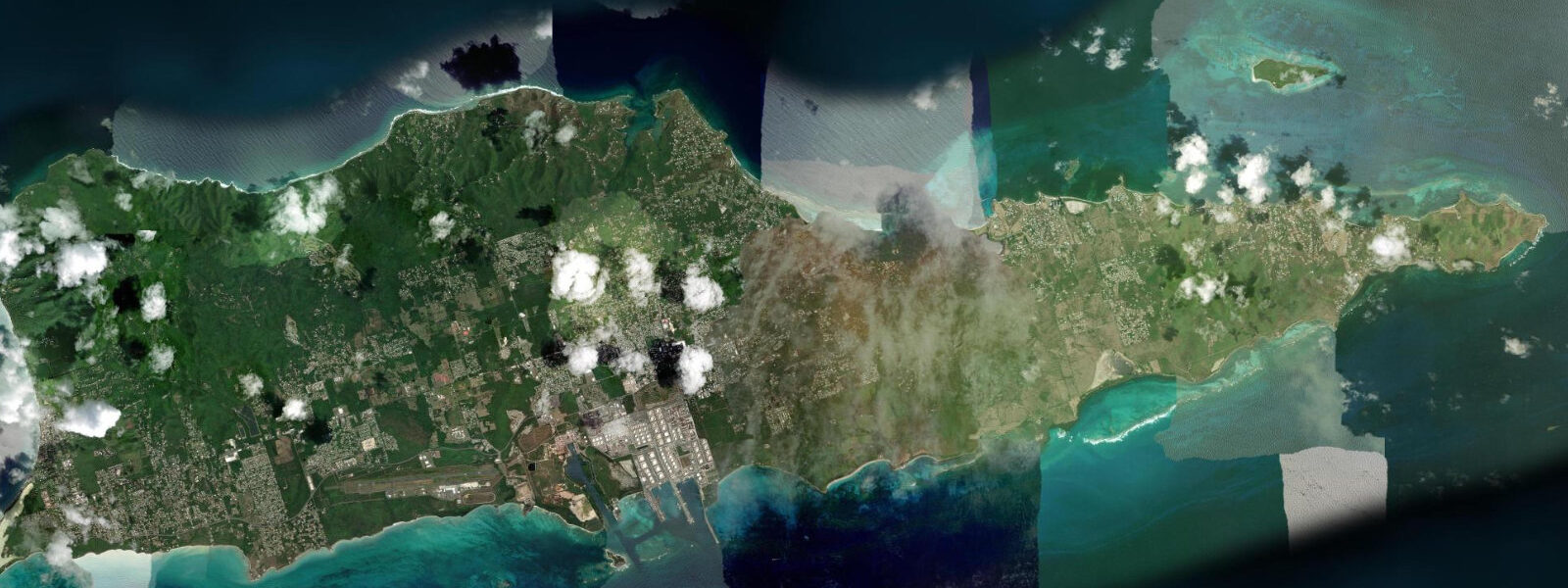
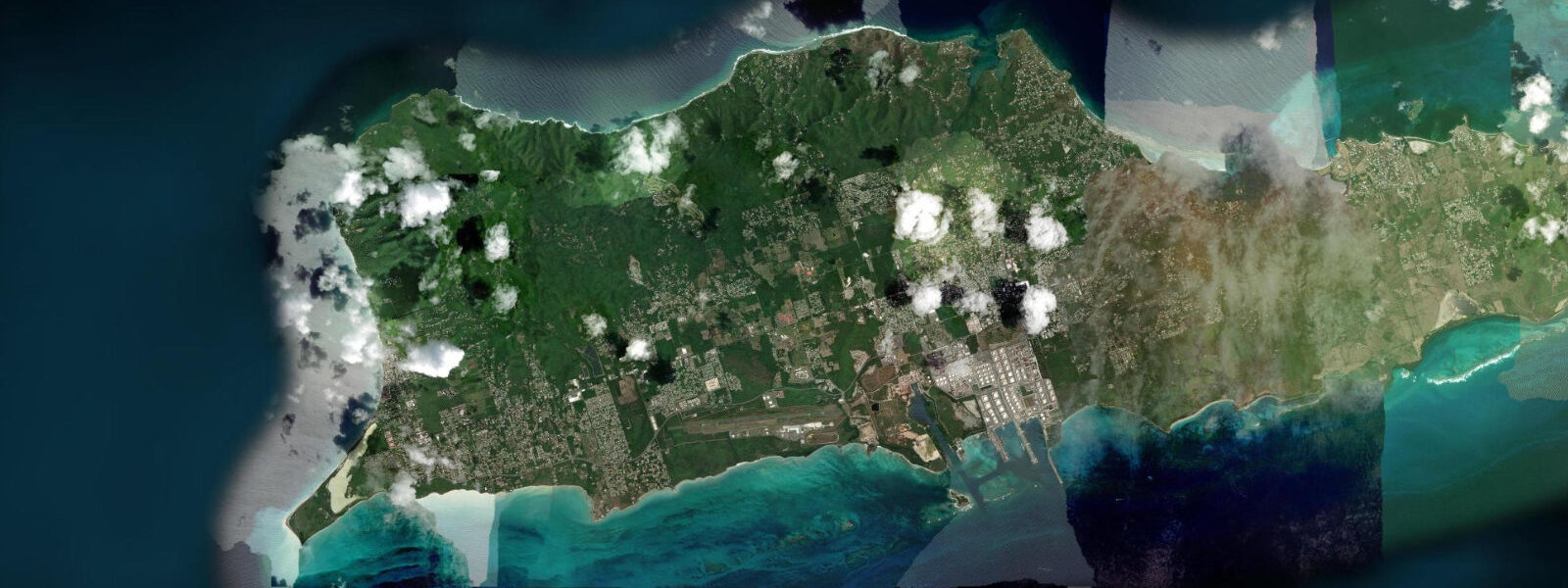
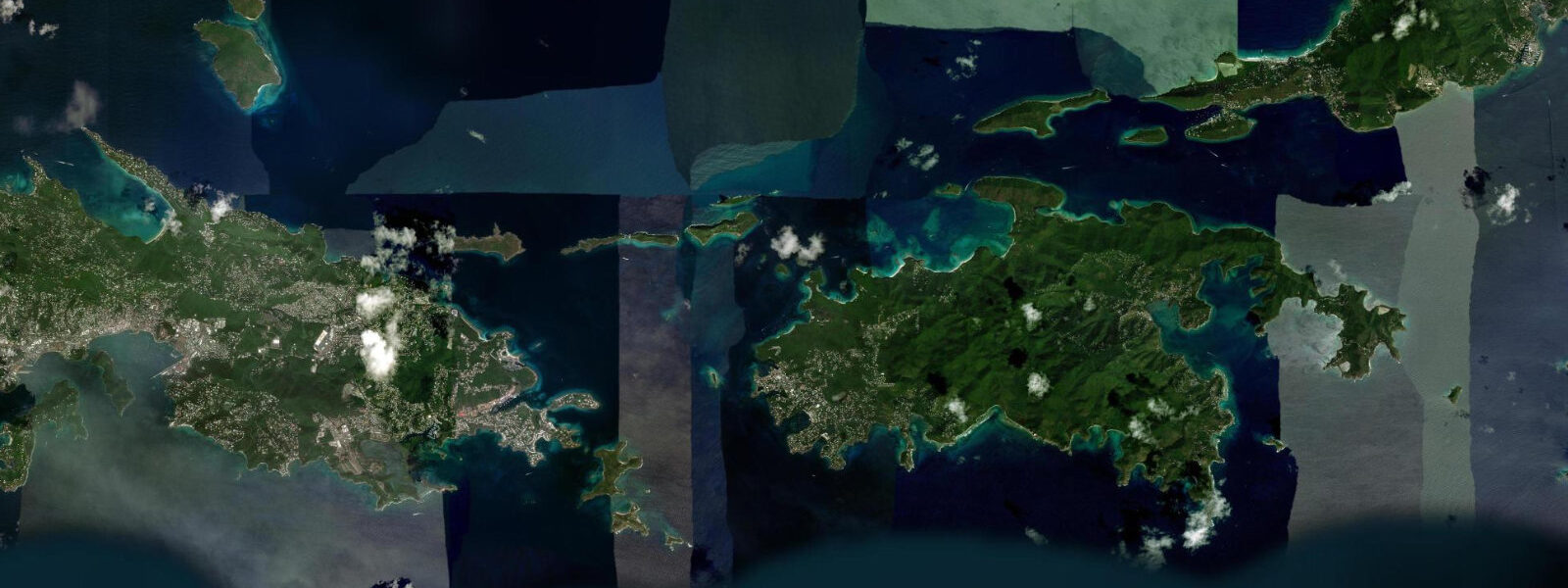
The three closest curated TideTurtle locations to Buck Island, St. Croix, measured by great-circle distance.
Today's solunar windows
Solunar tradition: major periods are the ≈3h windows around moon transit and opposition; minor are ≈2h around moonrise and moonset. Pair with the local tide stage and wind for the best read.
About tides at Buck Island, St. Croix
A short guide to the coastline at Buck Island, St. Croix — geography, sea state, and what the tide is actually doing under your feet.
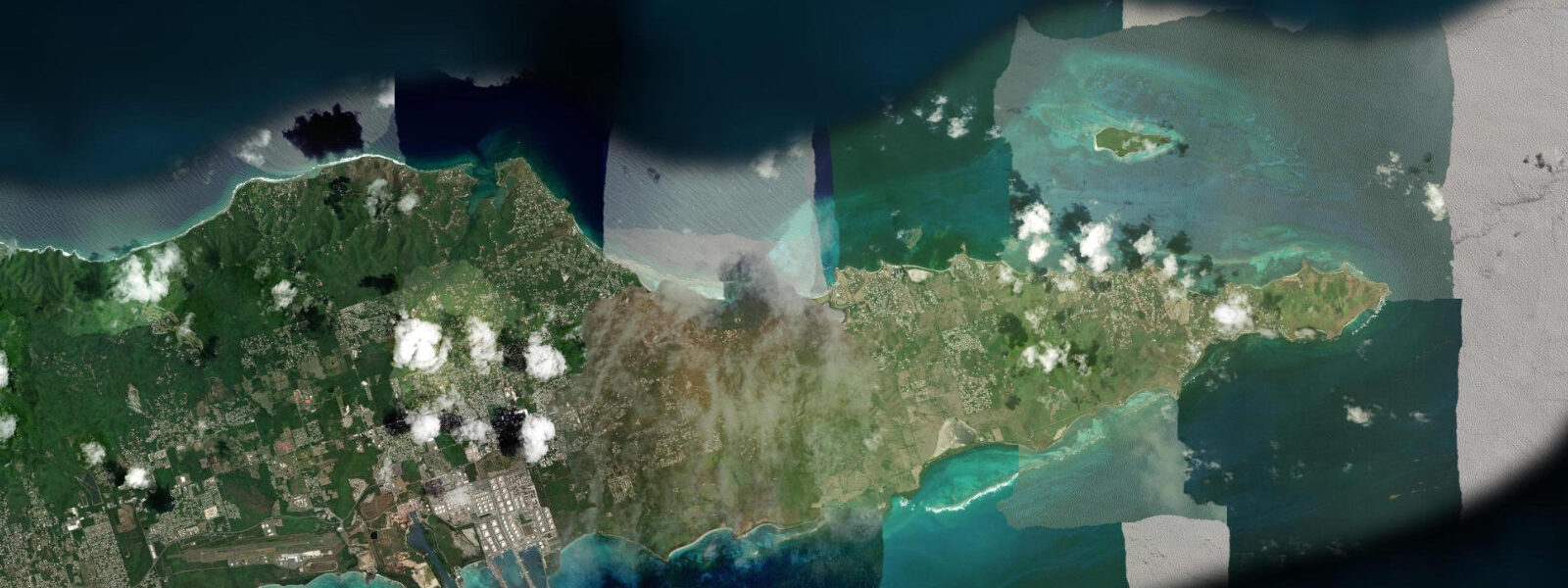
Buck Island sits 2.8 km offshore from the northeast coast of St. Croix, a 73-hectare uninhabited island surrounded by the Buck Island Reef National Monument — one of the few US National Monuments that is entirely underwater. The elkhorn coral barrier reef on the island's northeast side supports one of the best-preserved shallow reef systems in the Caribbean, and the National Park Service maintains a marked underwater snorkelling trail through the elkhorn stands that has operated since the Kennedy administration designated the monument in 1961.
The tidal regime here matches the broader Virgin Islands: Caribbean microtidal, spring range 0.3 to 0.5 metres, mixed semidiurnal. For the snorkelling experience that is Buck Island's main draw, the tide is a secondary variable — the more important factors are wind direction, swell height, and the phase of the moon if planning a night trip. The northeast side of the reef faces directly into the Atlantic trade swell; when trades are running above 20 knots and swell is above 0.8 m, the snorkelling trail is rough and visibility drops as the surge stirs sediment inside the reef structure. Calm conditions occur most reliably in the summer months (June–September) and in the early morning before the trade builds on winter days.
Access to Buck Island is by boat only. Charter operators out of Christiansted Harbour on St. Croix's north coast make the crossing in 25 to 35 minutes. The NPS regulates vessel numbers; advance booking is recommended in the December–April peak season. The main landing beach on the island's south side is sandy and calm, sheltered from the northeast trade by the island's low ridge. Picnic facilities and composting toilets are the extent of the infrastructure.
The snorkelling trail runs along the northeast reef crest in water 1 to 5 m deep. The elkhorn coral formations at the shallow end are the most dramatic — branches up to 2 m long, interspersed with brain coral colonies and dense fish schools (blue tang, grunt, sergeant major, and queen angelfish are reliable). Sea turtle nesting takes place on the island's south beach from May through October; hawksbill and green turtles both use the site. The NPS asks visitors to keep 1.5 m clearance from nesting turtles.
Divers (as opposed to snorkellers) find the south side wall more interesting: the reef drops from 15 m to over 30 m on the deeper southwest end, with larger reef fish, occasional Caribbean reef shark, and schools of creole wrasse. The wall dive is best when current is minimal — near the turn of tide, either the predicted high or low on this page, which Open-Meteo Marine estimates to within ±45 minutes.
Anglers fishing from charter boats troll the channel between Buck Island and St. Croix for wahoo, mahi-mahi, and kingfish. The channel has good current on the flood tide as water moves westward through the passage. The predicted flood phase — from the low to the high — defines the more productive trolling window on this particular piece of water.
Families on the south beach at Buck Island find a genuinely calm, boat-access-only environment: no cars, no jet skis, no beach bars. The calm water on the south side is suitable for young swimmers; the snorkelling is achievable for competent swimmers of any age. The beach is small and fills quickly on busy charter days — arrive early to secure a picnic spot in the shade of the sea grape trees.
Photographers targeting Buck Island's underwater landscape need a housing for their camera and patience for the 15-second pauses when a large surge flushes through the reef structure. The surface conditions — the green ridge of the island rising above turquoise shallow water against blue Atlantic — photograph cleanly from a distance in the morning light. The reef structure itself is best in midday light when the sun angle penetrates to the bottom.
Predictions on this page come from Open-Meteo Marine, a global gridded ocean model. Accuracy is ±45 minutes on timing and ±0.2 to 0.3 metres on height. For navigation around the reef, use NOAA chart 25650 and the current NPS briefing on the monument boundary.
Tide questions about Buck Island, St. Croix
Quick answers to the most common questions about tide times, range, and water access at Buck Island, St. Croix.
When is the next high tide at Buck Island?
The predicted next high tide at Buck Island is shown at the top of this page in Atlantic Standard Time (AST, UTC-4). Spring range is 0.3 to 0.5 metres — microtidal. For snorkelling the reef trail, wind and swell conditions matter far more than the tide state. Predictions come from Open-Meteo Marine (gridded, ±45 min / ±0.2–0.3 m); NOAA's Christiansted tide gauge (St. Croix) is the authoritative nearby reference.
How do you get to Buck Island and does the tide affect access?
Buck Island is accessible only by boat — no ferry or public vessel service. Charter operators depart from Christiansted Harbour on St. Croix's north coast, a 25–35 minute crossing. The NPS regulates vessel numbers; book in advance for December–April. Tide state does not affect the crossing meaningfully — the 0.3 to 0.5 m range is far smaller than the wind-driven chop that makes the crossing rough. Strong northeast trades (above 20 knots) make the crossing uncomfortable regardless of tide.
What is the best tide and time to snorkel the underwater trail?
The underwater trail on the northeast reef crest is most enjoyable when swell and surge are minimal — early morning (before trade wind builds) and during calmer summer months. The slack near the predicted high or low water gives the calmest current on the reef. Open-Meteo Marine estimates this to within about 45 minutes. When northeast swell exceeds 0.8 m, surge inside the reef creates conditions unsuitable for safe snorkelling.
When is sea turtle nesting season at Buck Island?
Hawksbill and green turtles nest on Buck Island's south beach from May through October. Nesting females come ashore at night; hatchlings emerge 60 days later. The NPS asks all visitors to maintain 1.5 m clearance from any turtles observed on the beach and to avoid using white lights near the nesting beach at night. Snorkellers sometimes encounter turtles feeding on the reef during the day — maintain the same 1.5 m clearance in the water.
Is this safe to use for navigation?
No. TideTurtle is a planning tool, not a nautical almanac. Navigation around Buck Island Reef requires NOAA chart 25650, awareness of the reef boundary marked by the NPS, and close attention to the current in the Buck Island Channel, which runs at up to 2 knots on a strong ebb. The reef itself is an underwater hazard with depths of less than 1 m in places on the northeast crest. Open-Meteo Marine gridded predictions are not a substitute for authoritative harmonic data for any vessel operation.
7-day tide table — Buck Island, St. Croix
Heights relative to MSL. Predictions: Open-Meteo Marine (MeteoFrance SMOC, 0.08° grid) — heights relative to MSL (not chart datum / LAT). Model-derived.
| Day | Type | Time | Height |
|---|---|---|---|
| Tue 04 Aug | — | ||
| Wed 05 Aug | — | ||
| Thu 06 Aug | — | ||
| Fri 07 Aug | — | ||
| Sat 08 Aug | — | ||
| Sun 09 Aug | — | ||
| Mon 10 Aug | High | 19:00 | 0.5m |