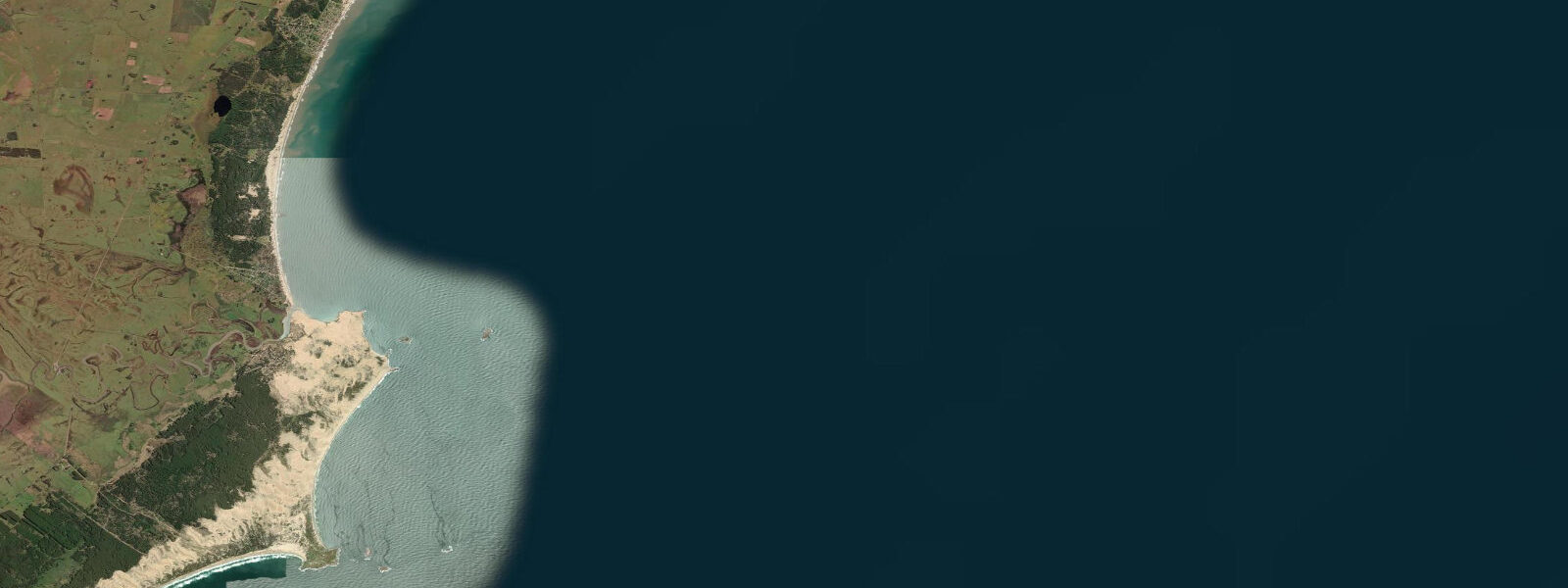
Punta del Diablo, Uruguay tide times
Punta del Diablo, Uruguay tide forecast — heights relative to MSL.
Today's tide times for Punta del Diablo, Uruguay
Tide times at Punta del Diablo, Uruguay on Tuesday, 4 August 2026: first low tide at 06:06am, first high tide at 10:15am, second low tide at 05:42pm. Sunrise 07:24am, sunset 05:56pm.
Tide chart for Punta del Diablo, Uruguay
24-hour cosine-interpolated curve around the present moment. Heights relative to MSL. Predictions: Predictions: Open-Meteo Marine (MeteoFrance SMOC, 0.08° grid).
Sun, moon and conditions on Tue 04 Aug
Snapshot at build time — refreshes daily. Sea state from Open-Meteo Marine.
Highs and lows next 7 days
Every predicted high and low for the next week, with the daily tidal coefficient (0–120; higher = bigger swing, > 95 means stronger currents).
Other spots nearby
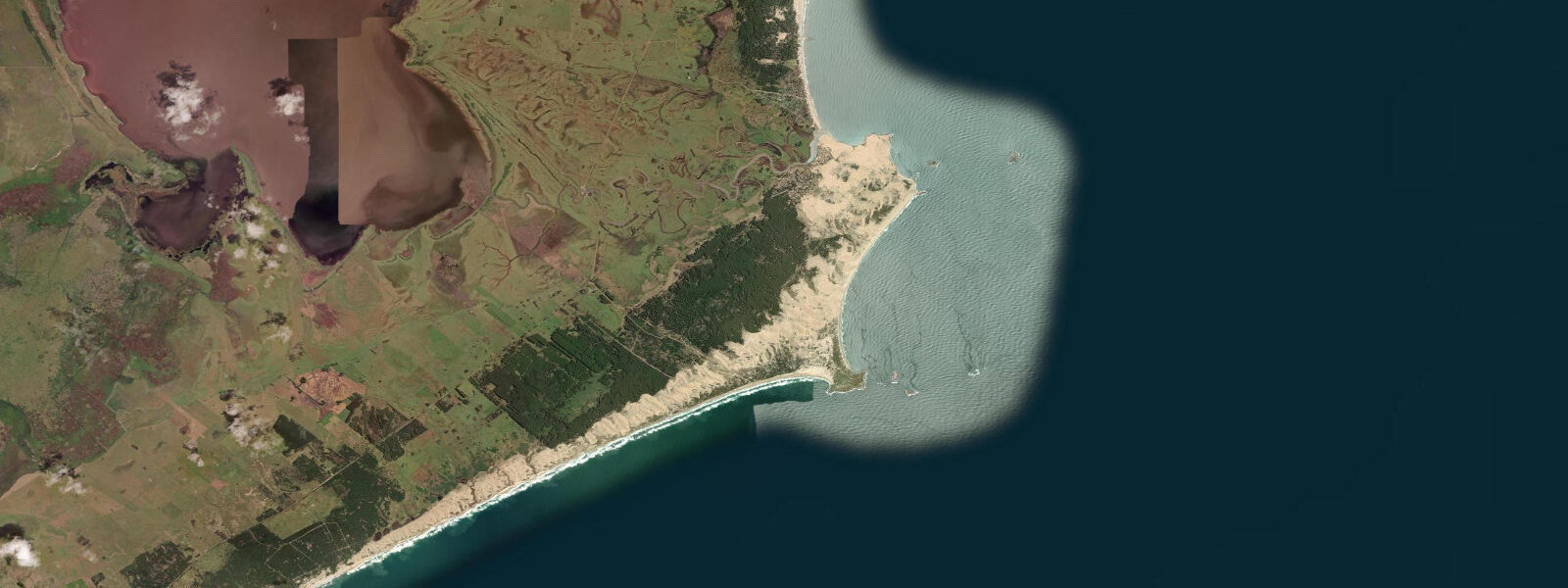
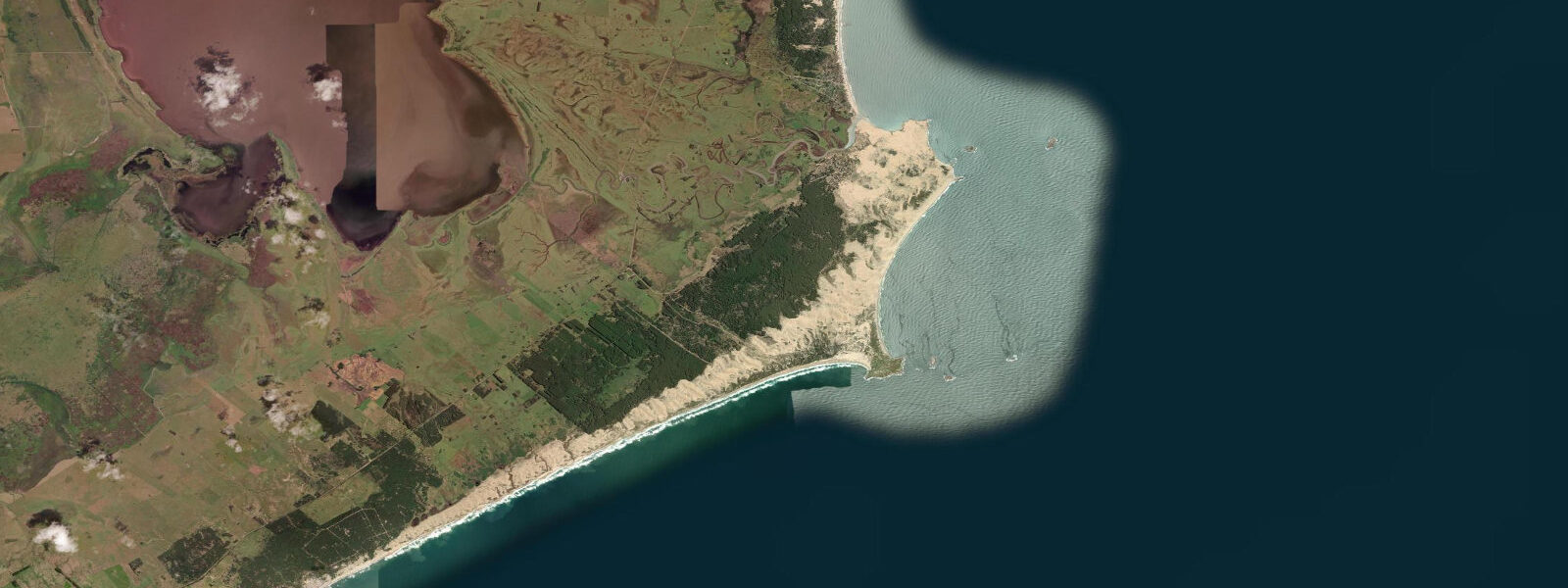
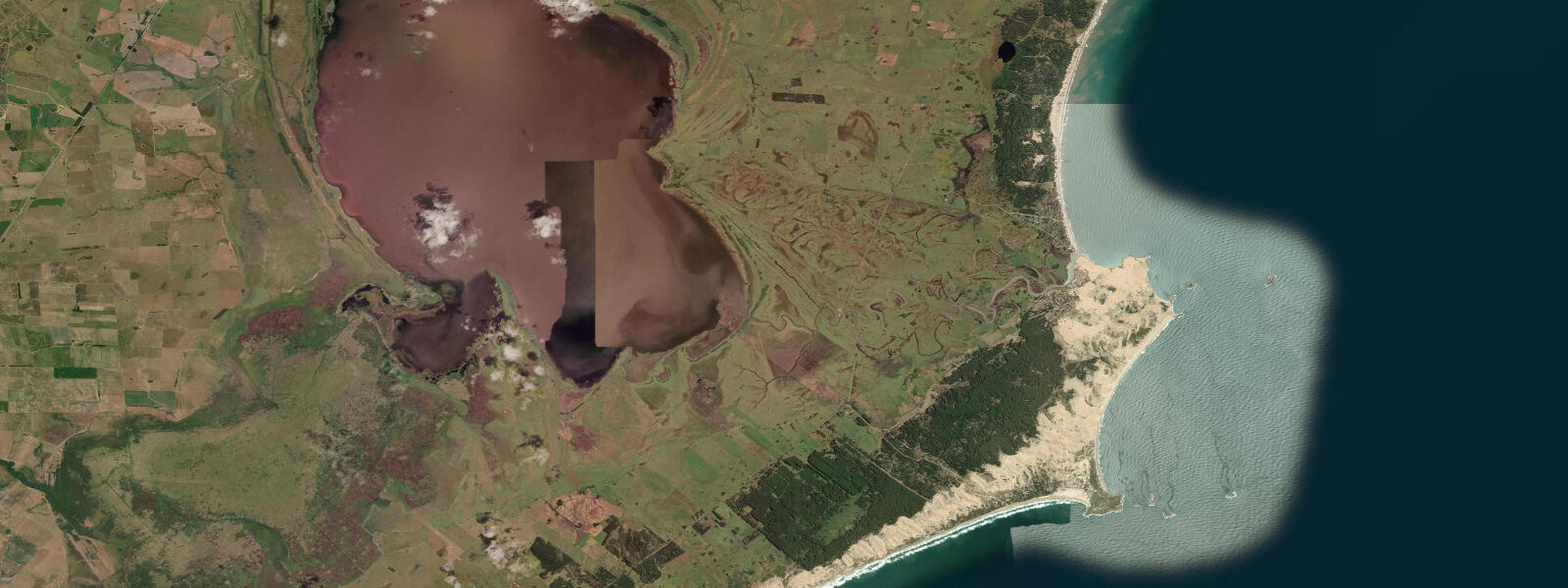
The three closest curated TideTurtle locations to Punta del Diablo, Uruguay, measured by great-circle distance.
Today's solunar windows
Solunar tradition: major periods are the ≈3h windows around moon transit and opposition; minor are ≈2h around moonrise and moonset. Pair with the local tide stage and wind for the best read.
About tides at Punta del Diablo, Uruguay
A short guide to the coastline at Punta del Diablo, Uruguay — geography, sea state, and what the tide is actually doing under your feet.
Punta del Diablo is a fishing village at the end of Route 11 in northeastern Rocha Department, 12 km from the Brazilian border. It has three beaches separated by rocky headlands — Playa del Rivero on the south, Playa de los Pescadores (Fishermen's Beach) in the centre, and Playa Grande on the north — and a core of traditional ranchos de paja (thatched-roof cottages) that the fishing families built when the village had no road and no summer visitors. That core is still partially intact, though the surrounding development has grown around it in the past 30 years.
The tidal regime is Atlantic semidiurnal with a spring range of approximately 0.8 to 1.2 metres — slightly smaller than the central Rocha coast due to the orientation shift as the coast approaches the Brazilian border and the exposure angle to the South Atlantic changes. Wind setup from the south and southeast (Sudestada) adds significantly above the predicted level during storm events. The predicted tide on this page is the starting point; Sudestada wind and pressure monitoring is essential for any weather-sensitive activity.
The three beaches behave differently from each other. Playa del Rivero, on the south side of the village headland, is more sheltered from the dominant SW/SE swell — the most consistent recreational beach in calm to moderate conditions. Playa de los Pescadores is where the fishing boats launch through the shore break, which requires reading both the swell height and the tide state. The boats go out in the early morning on the incoming tide, when the shore break is typically lightest; they return in the afternoon. Playa Grande on the north side is the most exposed, receiving the full face of northeast Atlantic swell in the May–September window — the surf here is the best in the immediate area and is surfed by a small local crew year-round.
The bohemian seasonal character of Punta del Diablo — what has drawn artists, backpackers, and Argentine and Uruguayan urban escapees since the 1980s — rests on the combination of the remote character, the genuine fishing economy, and the relatively low commercialisation compared to Punta del Este or even La Paloma. The campsite and hostel infrastructure is the primary accommodation; the handful of restaurants serve fresh local catch. In January and February, the village population multiplies dramatically and the bohemian character compresses under tourist pressure; April through November is the authentic season.
Anglers at Punta del Diablo fish the rocky headlands from shore. The point structures at the base of each headland produce corvina, pejerrey, and brótola on the incoming tide; the first two hours after the predicted low are the most productive window. Bluefish (anjova) run along the exposed beach at Playa Grande during autumn (March–May) in numbers that occasionally make shore casting extraordinary. The fishing families' boats, when conditions are suitable, take the occasional tourist for offshore corvina and weakfish in the shelf zone.
The rocky inter-tidal zone between Playa de los Pescadores and the south headland is one of the more accessible rock-pool systems on the Uruguayan coast. At the predicted low water, the mid-tide platform and the low-tide ledge are both accessible to walk without getting wet. Common species in the pools include purple sea urchin (Paracentrotus lividus), hermit crabs, limpets, and small blennies in the lower pools. The 0.8 to 1.2 m range ensures these zones are fully submerged at high water.
Families at Punta del Diablo accept the trade-offs: basic infrastructure, no supermarket (a small abasto for basics), and a village that is genuinely remote by Uruguayan coastal standards. The reward is a coastal character that the more developed sections of the Uruguayan coast no longer offer — the fishing boats launching through the surf in the early morning, the ranchos de paja, the headlands with no hotel towers.
Predictions on this page come from Open-Meteo Marine, a global gridded ocean model. Accuracy is ±45 minutes on timing and ±0.2 to 0.3 metres on height. SOHMA (Uruguayan Navy) publishes the authoritative tidal tables for the Uruguayan Atlantic coast.
Tide questions about Punta del Diablo, Uruguay
Quick answers to the most common questions about tide times, range, and water access at Punta del Diablo, Uruguay.
When is the next high tide at Punta del Diablo?
The predicted next high tide at Punta del Diablo is shown at the top of this page in Uruguay Standard Time (UYT, UTC-3). Spring range is approximately 0.8 to 1.2 metres — Atlantic semidiurnal. Sudestada southeasterly storms can add 0.5 m or more above the predicted level. Predictions come from Open-Meteo Marine (gridded, ±45 min / ±0.2–0.3 m); SOHMA publishes the authoritative harmonic tables for this coast.
What is the best beach at Punta del Diablo for swimming?
Playa del Rivero on the south side of the main headland is the most sheltered from dominant swell — the most reliable recreational swimming beach. Playa de los Pescadores (Fishermen's Beach) is the boat-launch beach with shore break that can be rough when swell is above 0.5 m. Playa Grande on the north is the most exposed and is surfed, not swum, when swell is running. The lower half of the tidal cycle on any beach here gives the widest sand area and the gentlest water entry.
When is the best season to visit Punta del Diablo?
April through November is quieter and the most authentic season — the fishing village character is visible without being overwhelmed by summer visitors. January and February bring a large seasonal influx that changes the character significantly. The surf is best May through September when South Atlantic swells run at 0.8–1.5 m from the SW/SE. Fishing is productive year-round; bluefish (anjova) run along the beach in significant numbers March–May.
Where do tide predictions for Punta del Diablo come from?
Predictions come from Open-Meteo Marine, a global gridded ocean model. Accuracy class: ±45 minutes on timing, ±0.2 to 0.3 metres on height. SOHMA (Servicio de Oceanografía, Hidrografía y Meteorología de la Armada, Uruguayan Navy) is the authoritative source for Uruguayan Atlantic coast tidal predictions. There is no active tide gauge at Punta del Diablo; the nearest SOHMA reference stations are on the central Rocha coast.
Is this safe to use for navigation?
No. TideTurtle is a planning tool, not a nautical almanac. Navigation around the rocky headlands at Punta del Diablo requires current SOHMA charts and awareness of the submerged reef structure extending off each headland point — some outcrops are awash at low water and submerged at high, with no navigation marks. Sudestada conditions significantly elevate actual water levels above the predicted tidal baseline, creating surf conditions on normally manageable shores. Open-Meteo Marine predictions are not a substitute for authoritative harmonic data for any vessel operation.
7-day tide table — Punta del Diablo, Uruguay
Heights relative to MSL. Predictions: Open-Meteo Marine (MeteoFrance SMOC, 0.08° grid) — heights relative to MSL (not chart datum / LAT). Model-derived.
| Day | Type | Time | Height |
|---|---|---|---|
| Tue 04 Aug | Low | 06:06 | -0.3m |
| High | 10:15 | 0.0m | |
| Low | 17:42 | -0.2m | |
| Wed 05 Aug | — | ||
| Thu 06 Aug | High | 11:47 | 0.4m |
| Fri 07 Aug | Low | 20:50 | -0.1m |
| Sat 08 Aug | High | 01:21 | 0.2m |
| Low | 06:10 | -0.0m | |
| High | 13:48 | 0.4m | |
| Low | 21:42 | -0.1m | |
| Sun 09 Aug | High | 02:40 | 0.3m |
| Low | 06:06 | 0.2m | |
| High | 14:40 | 0.7m | |
| Low | 23:20 | 0.1m | |
| Mon 10 Aug | High | 15:35 | 0.8m |
| Low | 20:00 | 0.2m | |