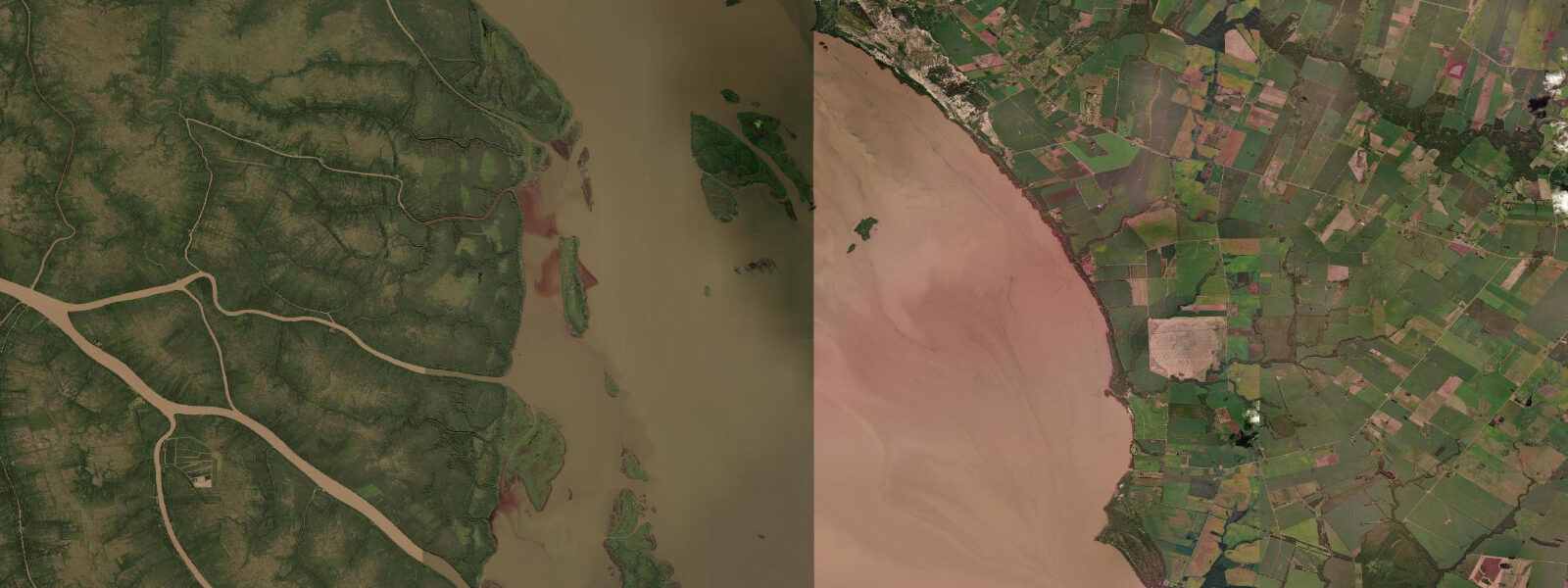
Carmelo, Uruguay tide times
Carmelo, Uruguay tide forecast — heights relative to MSL.
Today's tide times for Carmelo, Uruguay
Tide times at Carmelo, Uruguay on Tuesday, 4 August 2026: first low tide at 03:55am, first high tide at 11:06am, second low tide at 08:54pm, second high tide at 11:18pm. Sunrise 07:43am, sunset 06:15pm.
Tide chart for Carmelo, Uruguay
24-hour cosine-interpolated curve around the present moment. Heights relative to MSL. Predictions: Predictions: Open-Meteo Marine (MeteoFrance SMOC, 0.08° grid).
Sun, moon and conditions on Tue 04 Aug
Snapshot at build time — refreshes daily. Sea state from Open-Meteo Marine.
Highs and lows next 7 days
Every predicted high and low for the next week, with the daily tidal coefficient (0–120; higher = bigger swing, > 95 means stronger currents).
Other spots nearby
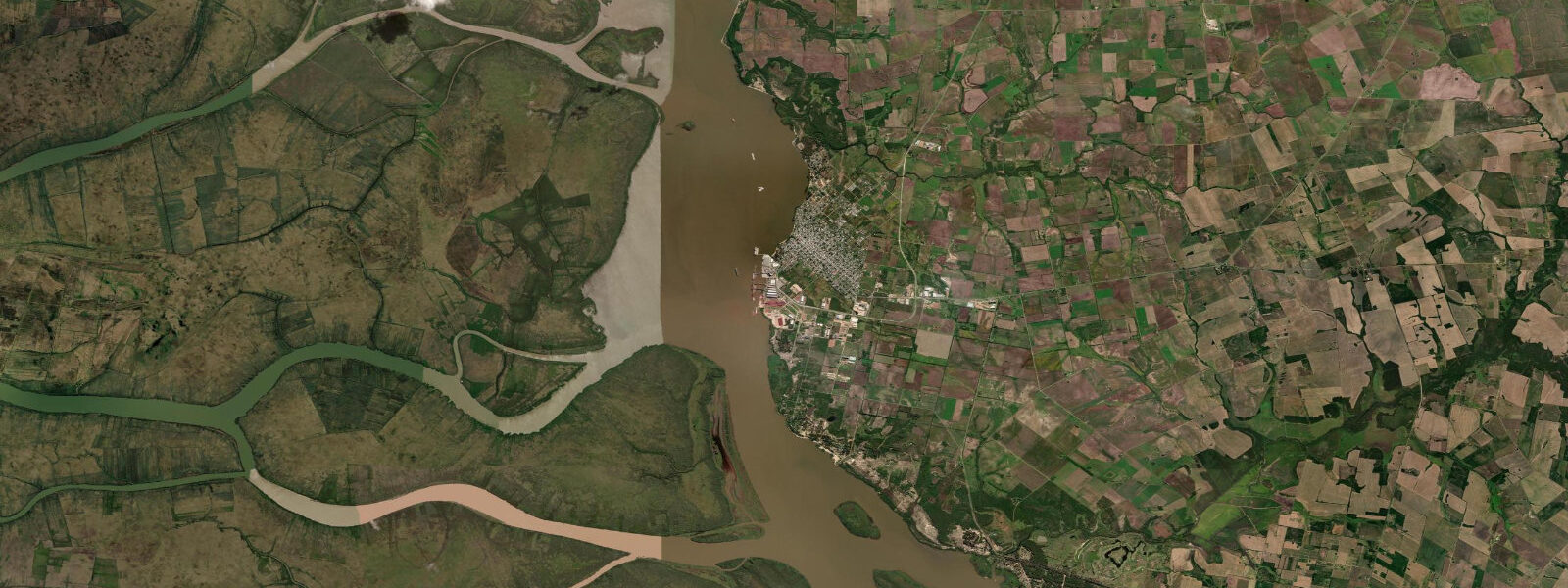
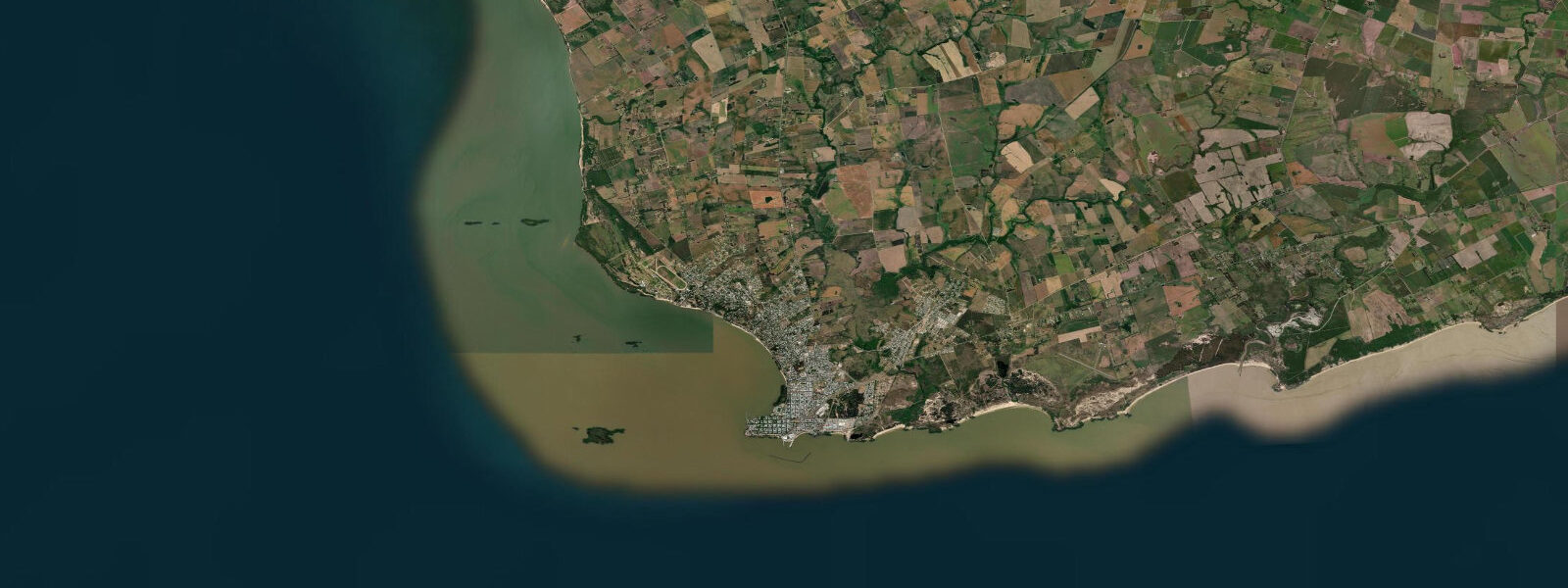
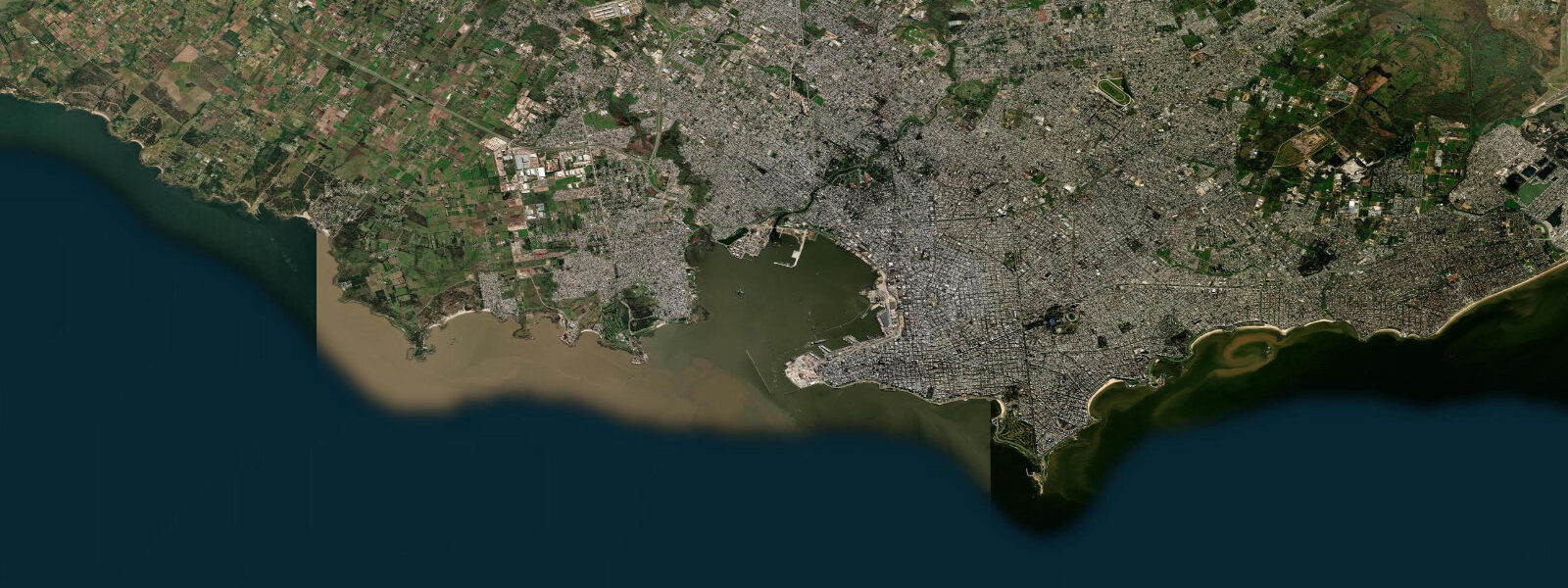
The three closest curated TideTurtle locations to Carmelo, Uruguay, measured by great-circle distance.
Today's solunar windows
Solunar tradition: major periods are the ≈3h windows around moon transit and opposition; minor are ≈2h around moonrise and moonset. Pair with the local tide stage and wind for the best read.
Cycle dates near Carmelo, Uruguay
Last spring tide on Mon 03 Aug (range 0.7m). Next spring tide on Fri 07 Aug (range 0.6m). Next neap on Thu 06 Aug.
Spring tides cluster around new and full moons (biggest swings). Neap tides land on quarter moons (smallest swings). See the spring tide and neap tide glossary entries for the why.
About tides at Carmelo, Uruguay
A short guide to the coastline at Carmelo, Uruguay — geography, sea state, and what the tide is actually doing under your feet.
Carmelo is a small city of 20,000 on the Arroyo Las Vacas, a creek that meets the Río de la Plata 2 km below the town centre, in Uruguay's Colonia department. The marina on the arroyo is one of the most used river marinas on the Uruguayan side of the estuary — a mix of Argentinian and Uruguayan cruising boats, fishing pangas, and the occasional bluewater yacht on the Buenos Aires–Montevideo coastal run. The surrounding Colonia department has become the primary Uruguayan wine-producing region, with tannat and merlot vineyards on the rolling countryside 10–20 km inland from the coast.
The Río de la Plata here is not a tidal ocean coast but a wind-dominated estuarine system. Open-Meteo Marine provides forecast data — the ±45-minute timing and ±0.2–0.3 m height accuracy applies to the modelled tidal component, but wind-driven water level change is the dominant variable. Sudestadas (persistent SE winds) raise levels 1–2 m; northwest winds draw water down. The arroyo itself behaves as a tidal creek with the estuary driving a bidirectional flow, though the true tidal amplitude is small compared to the wind setup.
For anglers, Carmelo is the primary dorado and pejerrey fishing base on the Colonia coast. The confluence of the Arroyo Las Vacas with the Río de la Plata, and the rocky islets and channel bends immediately north on the Río Uruguay, are productive dorado ground from October through April. Pejerrey school along the estuary margins year-round and are caught in numbers from the marina dock and from boats drifting the sandy shallows. Local fishing guides operate from the marina; they provide boats, tackle, and knowledge of the current fish locations that makes a significant difference compared to independent fishing.
Boat-based wine touring is a distinctive Carmelo activity: several vineyards within 15 km of town (including Establecimiento Juanicó and Bodega Irurtia) accept visits, and Carmelo's marina makes the combination of an estuary cruise and winery lunch a logical day structure. The ferry to the Argentine shore (Tigre) also operates from Carmelo, making it a functional crossing point between the two countries for travellers without a vehicle.
Kayakers use the Arroyo Las Vacas as a sheltered paddling circuit: the creek runs 8–10 km inland through willow-shaded banks before the current becomes too shallow. Outgoing tide (the estuary-driven ebb) assists the downstream return. Early morning on the arroyo produces excellent bird activity: ringed kingfisher, yellow-billed cardinal, and the occasional snail kite are reliably seen. Capybara use the creek margins and are a reliable sighting on dawn paddles.
The costanera along the Río de la Plata shore just downstream of the arroyo mouth gives broad views across the brown estuary to the low Argentine shore on the opposite side. The ferry terminal and the yacht marina create a functional but pleasant waterfront — not manicured tourism but a working river port with character.
Tide questions about Carmelo, Uruguay
Quick answers to the most common questions about tide times, range, and water access at Carmelo, Uruguay.
How does the Río de la Plata tidal regime affect conditions at Carmelo?
Carmelo is on the Río de la Plata estuary where astronomical tides are secondary to wind-driven water level changes. Open-Meteo Marine provides forecast data with ±45-minute timing and ±0.2–0.3 m height accuracy for the tidal component, but a sudestada (sustained SE wind event, common May–September) can push water levels 1–2 m above the tidal prediction within 12–24 hours. Similarly, sustained northwest winds in summer can lower the water level significantly. Boaters and anglers operating from the marina should check the wind forecast (INUMET) alongside the tide data. The Arroyo Las Vacas experiences bidirectional tidal flow from the estuary with a lag of 1–2 hours behind the open estuary signal.
What is dorado fishing like at Carmelo?
Dorado (Salminus brasiliensis) are a trophy freshwater-estuary fish found in the Río de la Plata and its tributaries. From Carmelo, the productive water is the Arroyo Las Vacas confluence and the rocky structures 10–20 km north on the Río Uruguay channel. The season is October through April, peaking February–March. Fish in the 2–8 kg range are common; guides report fish above 15 kg taken on rare occasions. Spinning with jigs (30–60 g) in gold and orange is the standard approach; fly fishing with large streamers on 8–10 weight rods is effective in the shallower channel edges. Licensed local guides operate from the Carmelo marina and know current holding locations — an independent first trip without local knowledge is a significant disadvantage.
Can I do wine tourism from Carmelo?
The Colonia department surrounding Carmelo is Uruguay's second wine region after Canelones, with tannat (Uruguay's signature grape) and merlot as the principal varieties. Establecimiento Juanicó, Bodega Irurtia, and Pisano are among the wineries within 15–25 km of Carmelo that accept visitor bookings for tours and tastings. The landscape is gentle rolling hills with open views to the river — different in character from the more dramatic Argentine Mendoza but distinct and pleasant. A rental car from Montevideo or a hire car in Carmelo makes winery touring self-directed. Carmelo's posadas and small hotels can arrange guided wine tours. This is not a mass-tourism wine circuit — call ahead to confirm visit times rather than arriving without a reservation.
Is there a ferry from Carmelo to Argentina?
A ferry service connects Carmelo to Tigre on the Buenos Aires metropolitan fringe. The crossing takes approximately 3 hours through the Paraná delta islands and deposits passengers at the Tigre waterfront, from where trains run into Buenos Aires in 45 minutes. This is a slower but more scenic alternative to the Colonia–Buenos Aires or Montevideo–Buenos Aires fast ferry routes. The Carmelo–Tigre route is operated by small passenger catamarans; carrying a vehicle is not possible on most services. Check current schedules and operator details before travel — the route has had service interruptions historically.
What wildlife can I see kayaking the Arroyo Las Vacas from Carmelo?
The arroyo runs through willow and tala woodland 8–10 km inland of the Carmelo marina, with gentle current and limited boat traffic above the first few kilometres. Capybara are reliable sightings on the bank vegetation — the world's largest rodent is a common estuary-zone species in this part of Uruguay. Ringed kingfisher and green kingfisher work both banks. Yellow-billed cardinal, monk parakeet, and red-crested cardinal are in the riverside scrub. Snail kite and black-collared hawk patrol the open water sections. Nutria (coypu) are present and often confused with capybara at distance — nutria are smaller and have a rat-like tail where capybara have none. Dawn paddles (6–8 am) are the most productive for wildlife encounters.
7-day tide table — Carmelo, Uruguay
Heights relative to MSL. Predictions: Open-Meteo Marine (MeteoFrance SMOC, 0.08° grid) — heights relative to MSL (not chart datum / LAT). Model-derived.
| Day | Type | Time | Height |
|---|---|---|---|
| Tue 04 Aug | Low | 03:55 | 0.0m |
| High | 11:06 | 0.7m | |
| Low | 20:54 | -0.0m | |
| High | 23:18 | 0.2m | |
| Wed 05 Aug | Low | 05:10 | -0.1m |
| High | 12:11 | 0.5m | |
| Low | 17:57 | 0.1m | |
| High | 20:06 | 0.3m | |
| Low | 21:37 | 0.2m | |
| Thu 06 Aug | High | 00:12 | 0.5m |
| Low | 05:51 | 0.2m | |
| High | 12:55 | 0.8m | |
| Fri 07 Aug | Low | 07:08 | 0.4m |
| Low | 10:38 | 0.5m | |
| High | 13:46 | 0.8m | |
| Low | 20:15 | 0.3m | |
| High | 20:50 | 0.3m | |
| Low | 23:51 | 0.1m | |
| Sat 08 Aug | High | 01:22 | 0.2m |
| Low | 08:11 | -0.4m | |
| Low | 10:42 | -0.3m | |
| High | 15:12 | 0.2m | |
| High | 17:51 | 0.3m | |
| Low | 20:15 | 0.1m | |
| High | 22:50 | 0.3m | |
| Sun 09 Aug | Low | 00:00 | 0.2m |
| High | 02:40 | 0.4m | |
| Low | 05:12 | 0.3m | |
| High | 05:45 | 0.3m | |
| Low | 09:08 | -0.0m | |
| Low | 11:42 | 0.1m | |
| High | 16:00 | 0.5m | |
| High | 18:47 | 0.6m | |
| Low | 21:20 | 0.4m | |
| Mon 10 Aug | High | 03:24 | 0.6m |
| Low | 06:10 | 0.5m | |
| High | 06:35 | 0.5m | |
| Low | 10:15 | 0.1m | |
| Low | 12:50 | 0.1m | |
| High | 20:00 | 0.7m |