Cabo Polonio tide times
Cabo Polonio tide forecast — heights relative to MSL.
Today's tide times for Cabo Polonio
Tide times at Cabo Polonio on Tuesday, 4 August 2026: first low tide at 05:54am, first high tide at 10:16am, second low tide at 05:42pm, second high tide at 10:18pm. Sunrise 07:25am, sunset 05:56pm.
Tide chart for Cabo Polonio
24-hour cosine-interpolated curve around the present moment. Heights relative to MSL. Predictions: Predictions: Open-Meteo Marine (MeteoFrance SMOC, 0.08° grid).
Sun, moon and conditions on Tue 04 Aug
Snapshot at build time — refreshes daily. Sea state from Open-Meteo Marine.
Highs and lows next 7 days
Every predicted high and low for the next week, with the daily tidal coefficient (0–120; higher = bigger swing, > 95 means stronger currents).
Other spots nearby
The three closest curated TideTurtle locations to Cabo Polonio, measured by great-circle distance.
Today's solunar windows
Solunar tradition: major periods are the ≈3h windows around moon transit and opposition; minor are ≈2h around moonrise and moonset. Pair with the local tide stage and wind for the best read.
About tides at Cabo Polonio
A short guide to the coastline at Cabo Polonio — geography, sea state, and what the tide is actually doing under your feet.
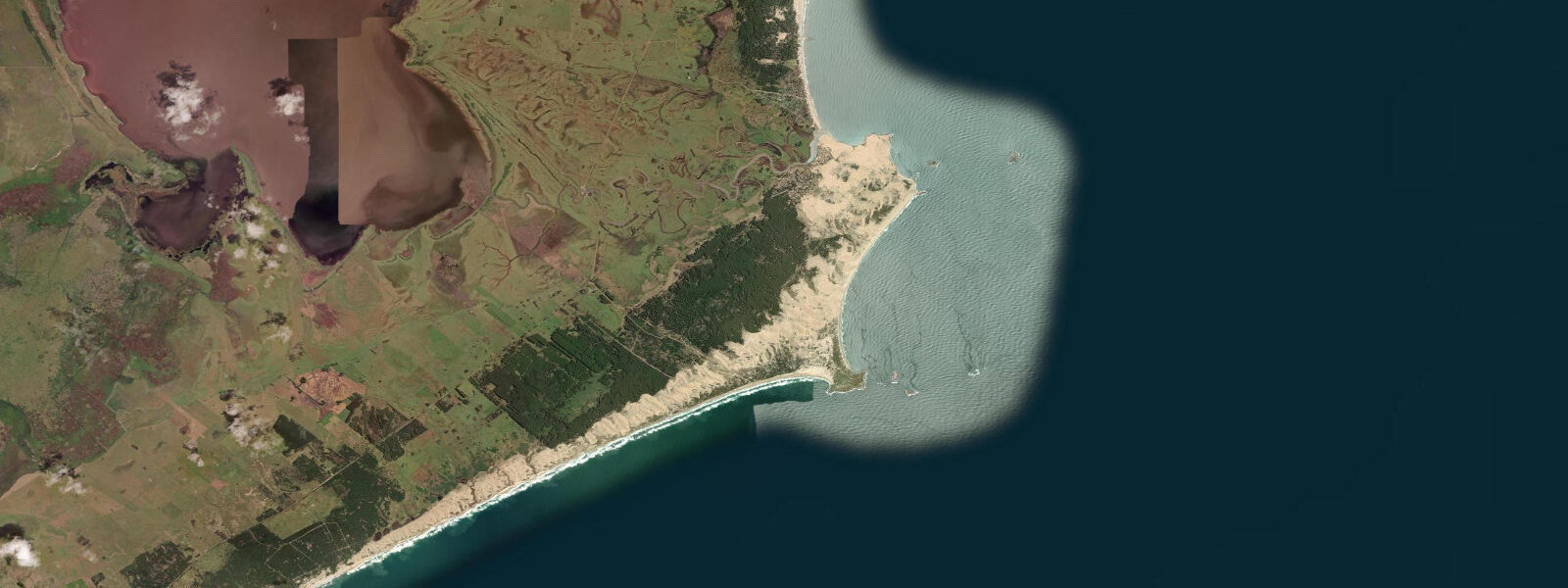
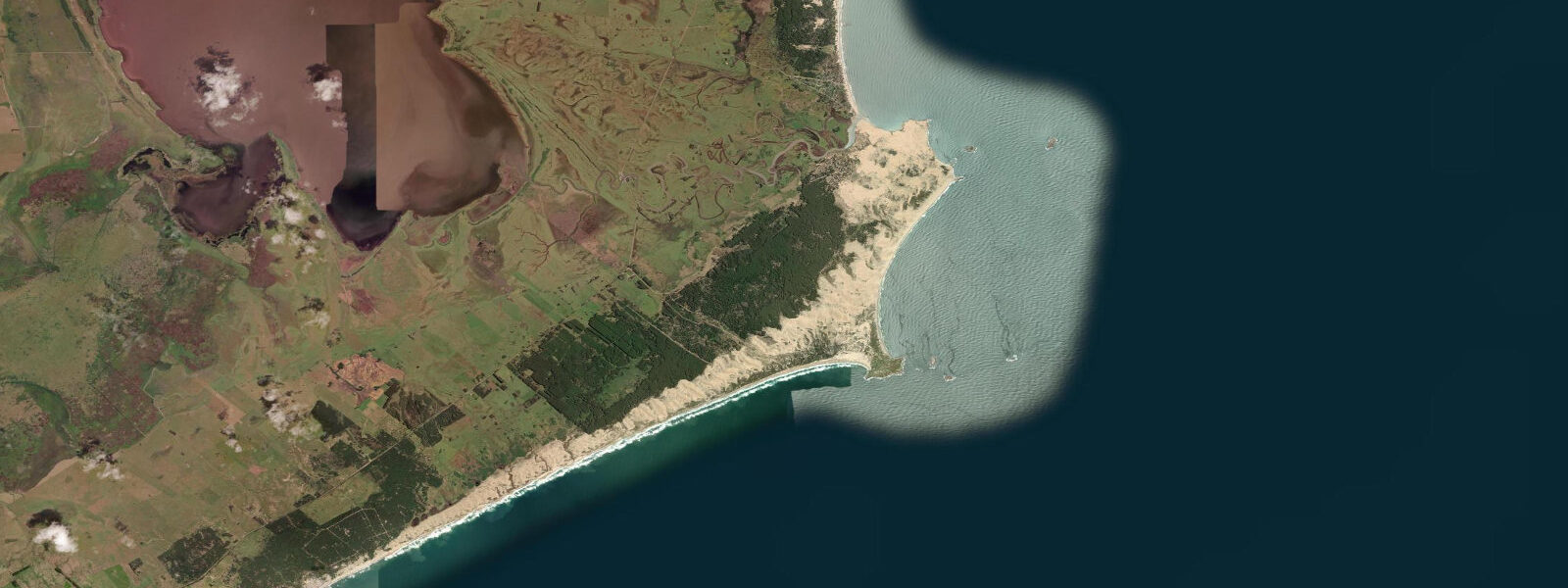
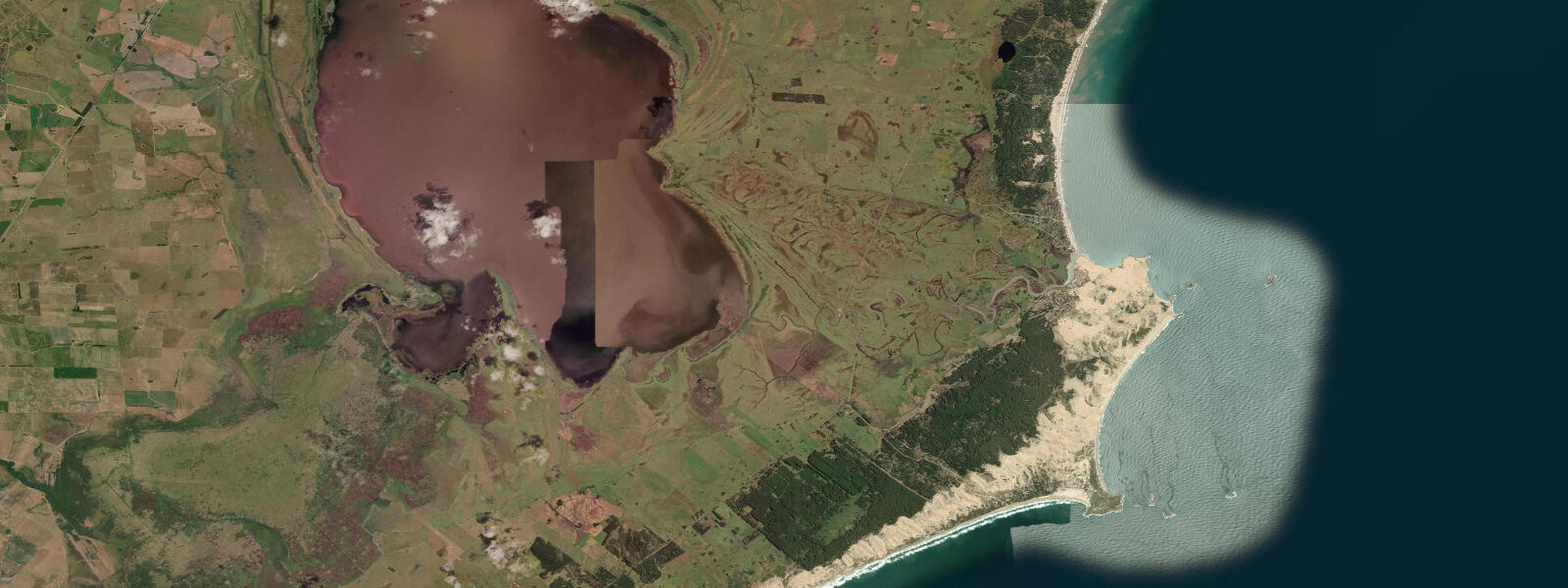
Cabo Polonio is the most remote settled point on the Uruguayan coast — accessible only by 4WD shuttle across a 10 km dune field or on foot, with no grid electricity, no piped water, and a lighthouse that has operated on this rocky headland since 1881. The Southern sea lion colony (Otaria flavescens) on the rocks below the lighthouse numbers around 3,000 animals and is the largest on the Uruguayan coast. The headland rises to 20 m above sea level; below it, the basalt ledges drop directly into the Atlantic.
The tidal regime at Cabo Polonio is semidiurnal, spring range approximately 1.2–1.6 m above Chart Datum — slightly larger than Punta del Este, reflecting the increasing range as the coast approaches the deeper Atlantic and moves away from the Plata estuary geometry. There is no permanent tide gauge at Cabo Polonio; SOHMA interprets this stretch from the La Paloma reference station, 60 km to the south.
The sea lion colony uses the rock ledges below the lighthouse according to a clear tidal and seasonal logic. At low water the full extent of the basalt platform is exposed; the colony spreads across the ledges in the sun, the males patrolling territorial boundaries, females nursing pups, and juveniles playing in the surge channels. As the tide rises, the lower sections of the platform are progressively submerged and the animals concentrate on the higher ledges. During the breeding season (December–February) the colony is most active and the competition for high-tide dry ground is most visible. The park management path from the lighthouse gives views down to the colony without entering the restricted beach area; the minimum approach to the colony is enforced by park rangers.
The beach north of the headland — Playa Norte at Cabo Polonio — is an excellent surf beach; a consistent beach break receives South Atlantic swell from the SE and delivers waves from 0.5 m to overhead on the right days. The break is most reliable from May through September when the South Atlantic storm track is active and swell is consistent. At mid-tide the sandbars are at their most defined; at low water the break is more powerful and the shore dump increases. Fishing from the beach and rocks at Cabo Polonio targets corvina, pejerrey, and bacalao (Genypterus brasiliensis, a southern cusk eel), on the incoming tide.
The dune ecosystem between Cabo Polonio and the paved road is one of the largest active dune systems in Uruguay, part of the Cabo Polonio National Park declared in 2009. The dunes are not tidal but they are dynamic — storm events regularly shift the access track and change the topography. 4WD shuttle services operate from the Route 10 parking area; confirm departure and return times, particularly in the afternoon when wind can limit operations.
Tide predictions here come from Open-Meteo Marine: accuracy ±45 min / ±0.2–0.3 m. For official reference, SOHMA publishes tide tables for the Uruguayan Atlantic coast.
The lighthouse at Cabo Polonio has operated continuously since 1881 and is still active as an operational navigational light; the light is visible 16 nautical miles at sea. The lightkeeper's cottage below the tower serves as accommodation for the lighthouse keeper during rotation. The headland drops 20 m to the basalt shelf where the sea lions haul out; the ledges are below the lighthouse path and there is no safe descent to the ledge level — the colony must be observed from above. At night the light sweeps every few seconds, illuminating the sea lion silhouettes on the ledges below.
The Cabo Polonio lighthouse keeper's rotation and the absence of grid infrastructure give the settlement a genuine edge-of-the-world character that is increasingly rare on the South American Atlantic coast. There are a few surf-oriented hostels and food stalls that operate in the summer season (December–February) and close from March onward. The sea lion colony is year-round, the lighthouse is year-round, and the dune field is year-round; the summer infrastructure is a seasonal overlay on a permanent coastal ecosystem.
Tide questions about Cabo Polonio
Quick answers to the most common questions about tide times, range, and water access at Cabo Polonio.
When is the best time to see the sea lion colony at Cabo Polonio?
The sea lion colony on the basalt ledges below the lighthouse is largest and most accessible at low water, when the full platform is exposed and the animals spread across all ledges. The colony is present year-round; December through February is the breeding season when pup activity and male territorial behaviour are most dramatic. Morning visits before 10:00 offer the best combination of low tide (depending on the day's predicted low), good light, and fewer people. The park management path gives elevated views without disturbing the animals; rangers enforce a minimum approach distance.
How do I get to Cabo Polonio?
4WD shuttle services operate from the Cabo Polonio park entrance off Route 10 (about 4 km from the coast); the transfer takes 20–30 minutes across the dune field. The shuttles run on a schedule that changes by season; confirm times before arrival. Walking the dune crossing on foot (10 km one-way) is permitted but takes 2.5–3 hours each way in loose sand. There is no direct tide-state link to shuttle operations, but afternoon wind can limit services — book morning departures and confirm the last return shuttle to avoid being stranded after dark.
Where do the tide predictions on this page come from?
Open-Meteo Marine, a free gridded global ocean model. Accuracy is typically ±45 minutes on timing and ±0.2–0.3 m on height. There is no permanent tide gauge at Cabo Polonio; SOHMA (Servicio de Oceanografía, Hidrografía y Meteorología de la Armada) derives official predictions for this coast from the La Paloma reference station, approximately 60 km to the south. Timing and height differences between La Paloma and Cabo Polonio are small but should be confirmed with SOHMA data for any safety-critical application. This page is not for navigation.
Is the surf at Cabo Polonio worth the journey?
For people willing to make the access trip, the surf at Playa Norte is consistently good from May through September when the South Atlantic storm track delivers regular SE and S groundswell to this exposed headland. The beach break produces clean waves from 0.5–1.5 m on a moderate swell; larger swells can push to 2.0 m. The break is best at mid-tide. The beach has no facilities, no rescue services, and rescue access is slow given the dune access only. This is not a venue for inexperienced surfers.
Is Cabo Polonio safe for swimming?
The beaches at Cabo Polonio receive open South Atlantic swell and have no lifeguard coverage. Shore currents, shore dump, and rip currents between sand banks are present on any swell above 0.8 m. The small sheltered inlet immediately south of the lighthouse headland is the calmer option for casual water entry; the larger Playa Norte to the north is a surf beach and should be treated as such. There are no rescue services; swimming alone or at unusual hours is not advisable.
7-day tide table — Cabo Polonio
Heights relative to MSL. Predictions: Open-Meteo Marine (MeteoFrance SMOC, 0.08° grid) — heights relative to MSL (not chart datum / LAT). Model-derived.
| Day | Type | Time | Height |
|---|---|---|---|
| Tue 04 Aug | Low | 05:54 | -0.3m |
| High | 10:16 | 0.0m | |
| Low | 17:42 | -0.1m | |
| High | 22:18 | 0.2m | |
| Wed 05 Aug | Low | 06:12 | -0.2m |
| High | 11:04 | 0.1m | |
| Low | 18:15 | -0.1m | |
| Thu 06 Aug | High | 11:52 | 0.4m |
| Fri 07 Aug | Low | 20:50 | -0.1m |
| Sat 08 Aug | High | 01:16 | 0.3m |
| Low | 06:15 | -0.0m | |
| Sun 09 Aug | High | 02:47 | 0.4m |
| Low | 06:15 | 0.3m | |
| High | 14:40 | 0.8m | |
| Mon 10 Aug | Low | 20:00 | 0.2m |