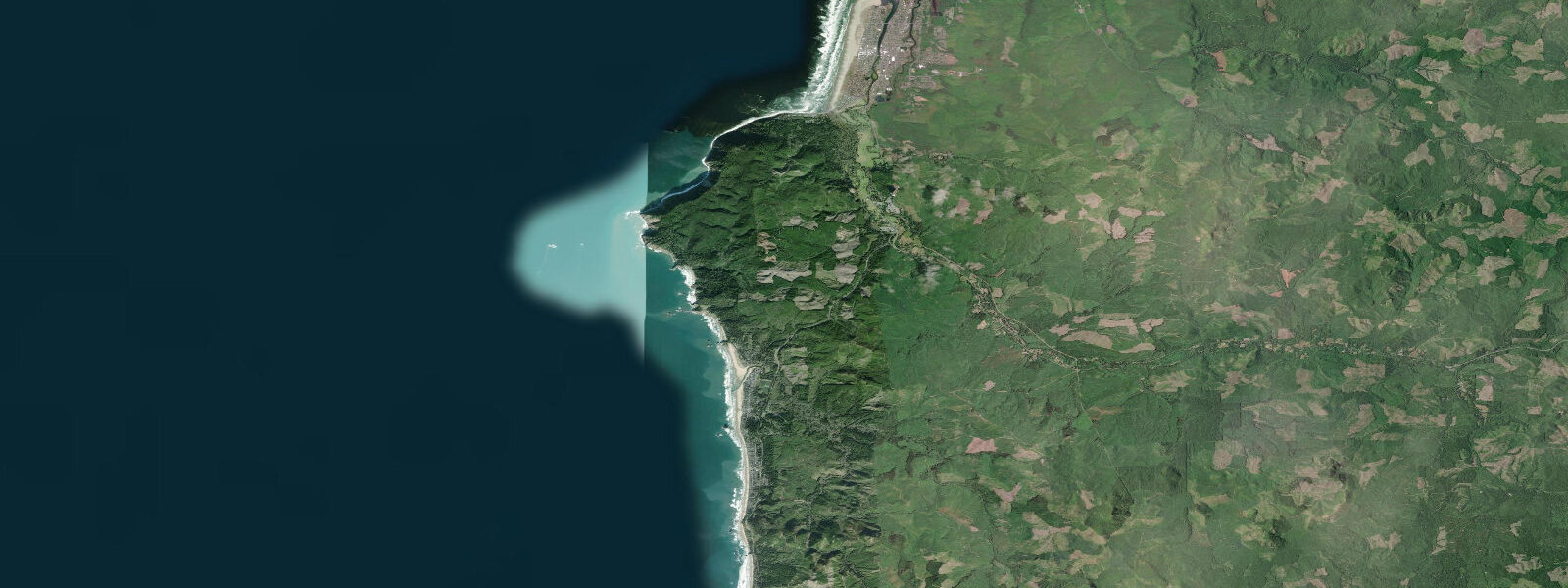
Cannon Beach tide times
Cannon Beach tide forecast — heights relative to MSL.
Today's tide times for Cannon Beach
Tide times at Cannon Beach on Sunday, 2 August 2026: first high tide at 05:00pm, first low tide at 09:16pm. Sunrise 06:00am, sunset 08:44pm.
Tide chart for Cannon Beach
24-hour cosine-interpolated curve around the present moment. Heights relative to MSL. Predictions: Predictions: Open-Meteo Marine (MeteoFrance SMOC, 0.08° grid).
Sun, moon and conditions on Sun 02 Aug
Snapshot at build time — refreshes daily. Sea state from Open-Meteo Marine.
Highs and lows next 7 days
Every predicted high and low for the next week, with the daily tidal coefficient (0–120; higher = bigger swing, > 95 means stronger currents).
Other spots nearby
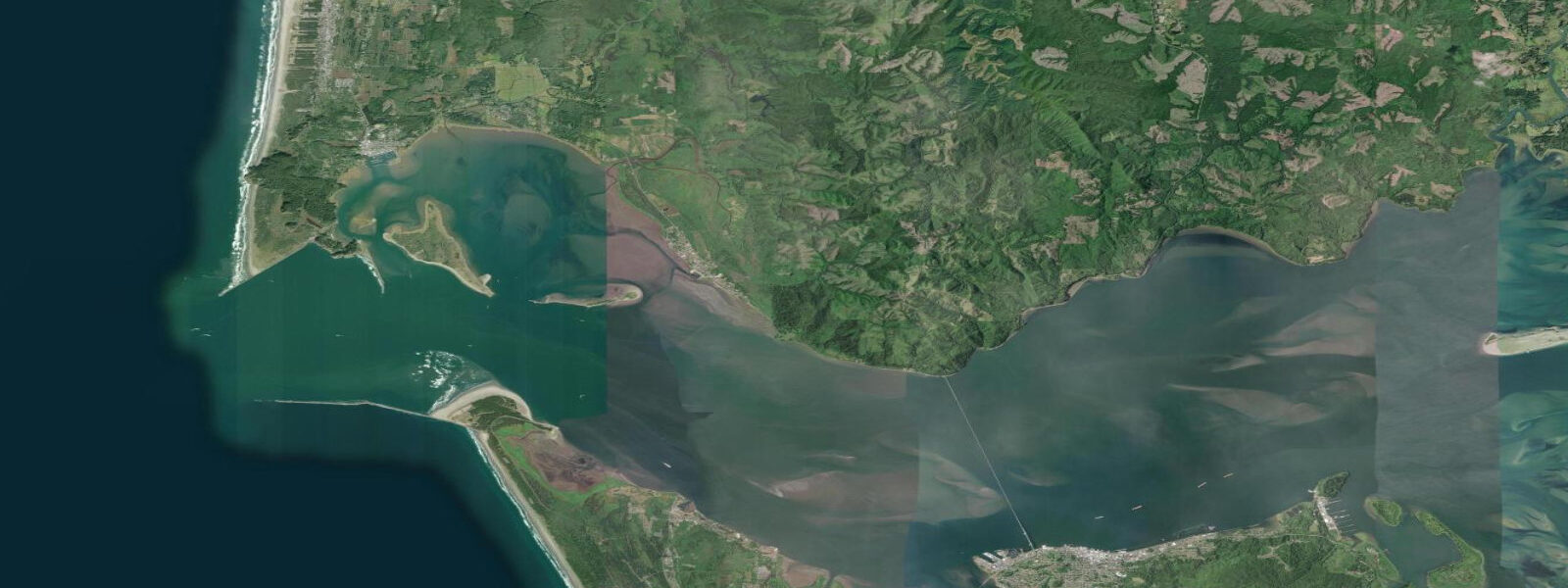
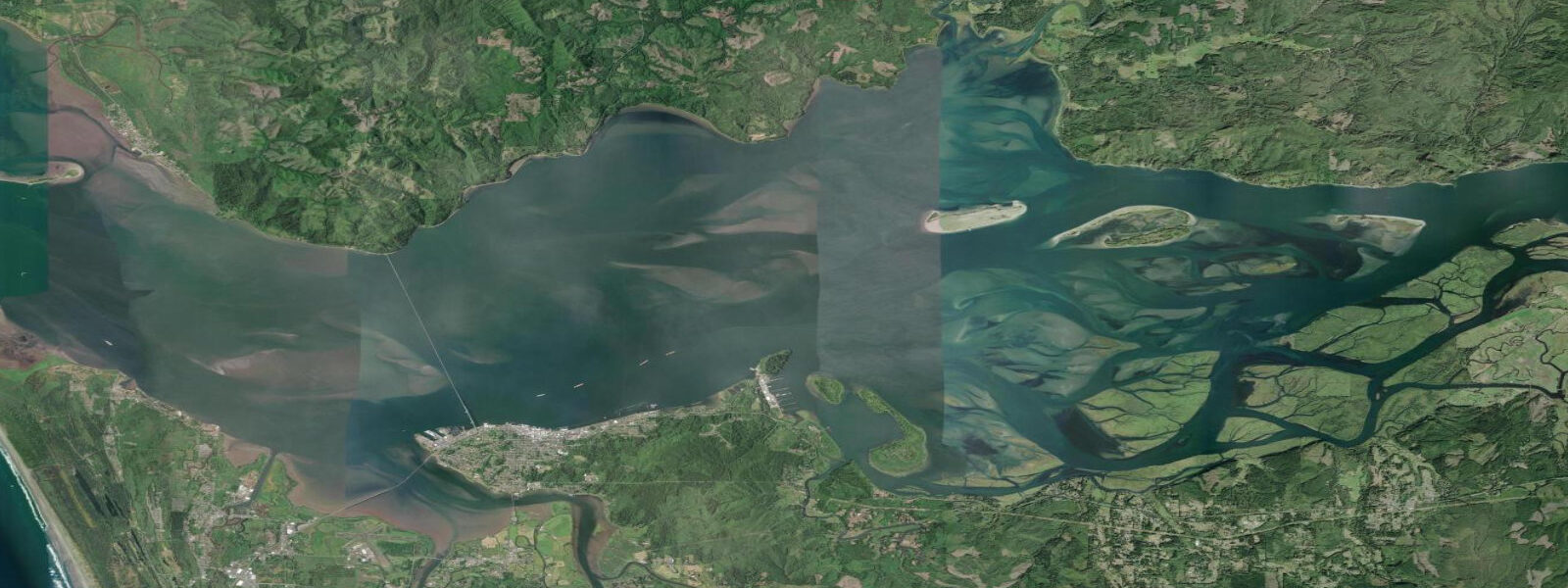
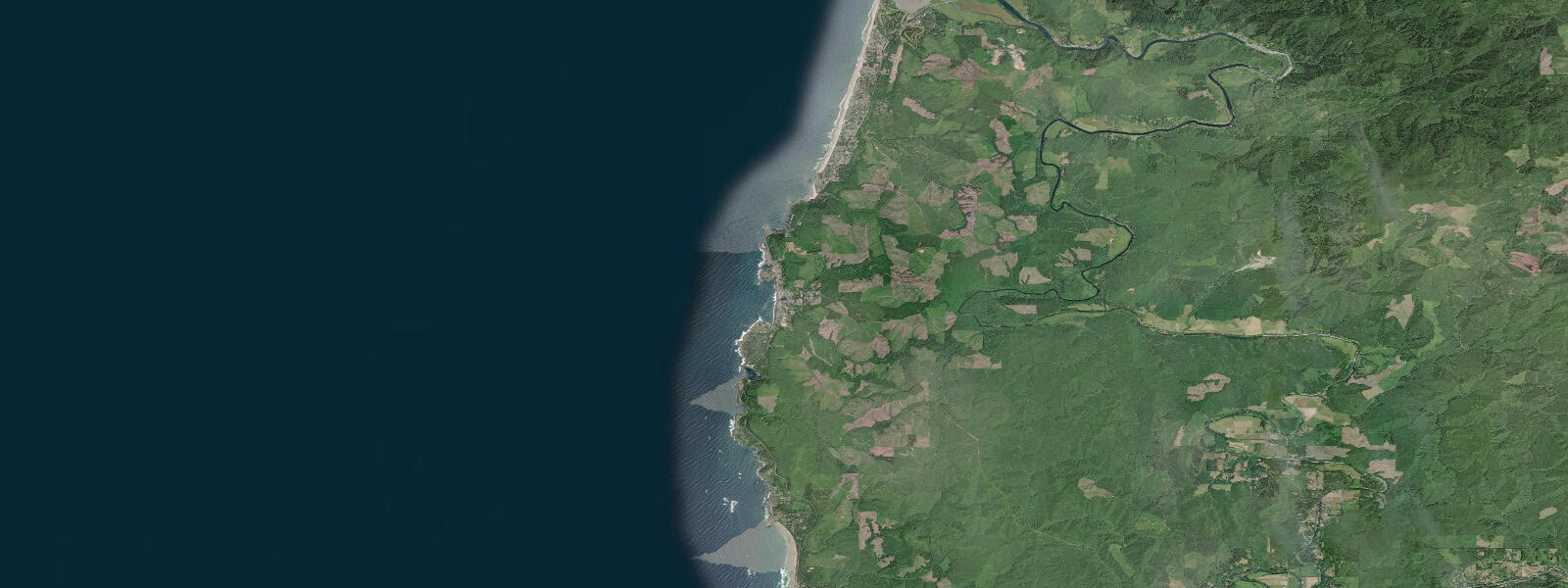
The three closest curated TideTurtle locations to Cannon Beach, measured by great-circle distance.
Today's solunar windows
Solunar tradition: major periods are the ≈3h windows around moon transit and opposition; minor are ≈2h around moonrise and moonset. Pair with the local tide stage and wind for the best read.
Cycle dates near Cannon Beach
Next spring tide on Sat 08 Aug (range 2.9m / 9.4ft). Next neap on Mon 03 Aug.
Spring tides cluster around new and full moons (biggest swings). Neap tides land on quarter moons (smallest swings). See the spring tide and neap tide glossary entries for the why.
About tides at Cannon Beach
A short guide to the coastline at Cannon Beach — geography, sea state, and what the tide is actually doing under your feet.
Cannon Beach sits on the northern Oregon coast, 120 kilometres from Portland, at the base of Haystack Rock — a 72-metre basalt monolith standing in the surf 90 metres from shore. The rock is the third-tallest coastal monolith in the US and the defining landmark of the Oregon coast. Tidal pattern is mixed semidiurnal with a large range: mean range around 1.8 metres, but spring tides producing higher-lower extremes of 3.0+ metres between the highest and lowest water of the day.
Haystack Rock is a marine garden at low tide. The rock's base is exposed for roughly 2 to 3 hours around low water, revealing some of the most accessible intertidal habitat on the Pacific coast. Purple sea urchins occupy the mid-tide pools; ochre sea stars (recovering from sea star wasting disease) and giant green anemones populate the lower pools. The rock is a designated Marine Garden — no collecting of any species is permitted. Cannon Beach Haystack Rock Awareness Program volunteers staff the site at low tides and can identify what you're seeing.
Surfers use the beach break north of Haystack Rock. The Oregon coast receives consistent northwest swell year-round, with the best shape in autumn and early winter when the groundswell organises and the wind briefly goes offshore in the early morning. The water is cold — 10 to 14°C — and wetsuits are mandatory in all seasons. The beach break has several sand bar sections that shift through the year; the north end near Ecola Creek mouth tends to be the most consistent.
The tidal flats exposed at low water around Haystack Rock are the main reason visitors plan tide-aware trips. The Oregon Department of Fish and Wildlife publishes a free pocket tide chart for Cannon Beach; the Cannon Beach Visitors Association has current low-tide times posted at the trailhead. Photographers targeting the rock's reflection at sunset need to coordinate high water (when the reflection appears in the wet sand foreshore) with the correct sunset angle — typically October through December.
Clamming for razor clams is productive on the beaches north of Cannon Beach toward Seaside. Oregon ODFW issues razor clam alerts when harvests are approved; seasons are often restricted due to domoic acid testing. A shellfish license is required from ODFW.
Predictions on this page come from Open-Meteo Marine, a gridded global ocean model. Accuracy is typically within plus or minus 45 minutes on timing and 0.2 to 0.3 metres on height — model-derived, not from a local gauge. For authoritative US tide data, consult NOAA CO-OPS at tidesandcurrents.noaa.gov.
Tide questions about Cannon Beach
Quick answers to the most common questions about tide times, range, and water access at Cannon Beach.
When can I visit the tide pools at Haystack Rock?
Haystack Rock tide pools are accessible during the 2 to 3 hours around low water. The richest pools (lower intertidal) are exposed only on the lowest tides — typically minus or near-zero tides that occur in late winter mornings and summer evenings. Check NOAA tide predictions for Tillamook Bay (the reference station for this stretch) and plan to arrive 90 minutes before predicted low. Cannon Beach Haystack Rock Awareness Program volunteers are present at most low tides during the busy season.
Is collecting from the Haystack Rock tide pools legal?
No — Haystack Rock is a designated Marine Garden under Oregon law. Removing any species, including shells, rocks, or sand, is prohibited. The rule applies to the rock and the surrounding 300-foot marine garden zone. Fines apply. This prohibition is what has made the pools so rich — they have not been collected for decades.
Is there surf at Cannon Beach?
Yes — beach break surf on both sides of Haystack Rock, with the north end near Ecola Creek tending to be the most consistent. The Oregon coast receives northwest groundswell year-round; autumn and early winter produce the best organised swell. Water temperature is 10 to 14°C year-round — a 4/3mm wetsuit is the minimum, a 5/4mm is more comfortable in winter. Surf schools in Seaside (10 km north) offer lessons.
Is the beach at Cannon Beach dog-friendly?
Yes — dogs are allowed on Cannon Beach year-round, on leash. The beach is public from the toe of the dunes to the surf line. Haystack Rock's marine garden zone requires dogs to be kept away from the rock and pools to protect nesting seabirds (tufted puffins nest on the rock in spring and early summer). The beach north toward Tolovana Park has more space and is typically less crowded.
What is the best time to photograph Haystack Rock?
Sunset from October through December produces the most dramatic light — the sun sets to the southwest and side-lights the rock as it drops toward the horizon. A mid-to-high incoming tide creates foreground reflection pools in the wet sand. For arch and silhouette shots, arrive 60 minutes before sunset and position north of the rock. Summer sunset is too far north for a rock-aligned sun angle; late autumn gives the clearest alignment.
8-day tide table — Cannon Beach
Heights relative to MSL. Predictions: Open-Meteo Marine (MeteoFrance SMOC, 0.08° grid) — heights relative to MSL (not chart datum / LAT). Model-derived.
| Day | Type | Time | Height |
|---|---|---|---|
| Sun 02 Aug | High | 17:00 | 0.6m / 2.0ft |
| Low | 21:16 | -0.9m / -2.8ft | |
| Mon 03 Aug | High | 03:02 | 0.7m / 2.4ft |
| Low | 09:13 | -1.2m / -3.9ft | |
| High | 15:44 | 1.0m / 3.4ft | |
| Low | 22:05 | -1.0m / -3.2ft | |
| Tue 04 Aug | High | 03:57 | 0.6m / 1.8ft |
| Low | 09:47 | -0.9m / -3.0ft | |
| High | 16:19 | 1.1m / 3.7ft | |
| Low | 23:01 | -1.0m / -3.3ft | |
| Wed 05 Aug | High | 17:03 | 1.2m / 4.0ft |
| Thu 06 Aug | Low | 00:09 | -1.0m / -3.4ft |
| High | 06:26 | 0.4m / 1.2ft | |
| Low | 11:17 | -0.3m / -1.0ft | |
| High | 17:54 | 1.3m / 4.1ft | |
| Fri 07 Aug | Low | 01:21 | -1.2m / -3.8ft |
| High | 08:00 | 0.3m / 1.1ft | |
| Low | 12:24 | -0.2m / -0.5ft | |
| High | 18:57 | 1.2m / 4.1ft | |
| Sat 08 Aug | Low | 02:35 | -1.4m / -4.5ft |
| High | 09:22 | 0.4m / 1.2ft | |
| Low | 13:48 | -0.1m / -0.4ft | |
| High | 20:07 | 1.3m / 4.1ft | |
| Sun 09 Aug | Low | 03:42 | -1.6m / -5.3ft |
| High | 16:00 | -0.1m / -0.5ft |