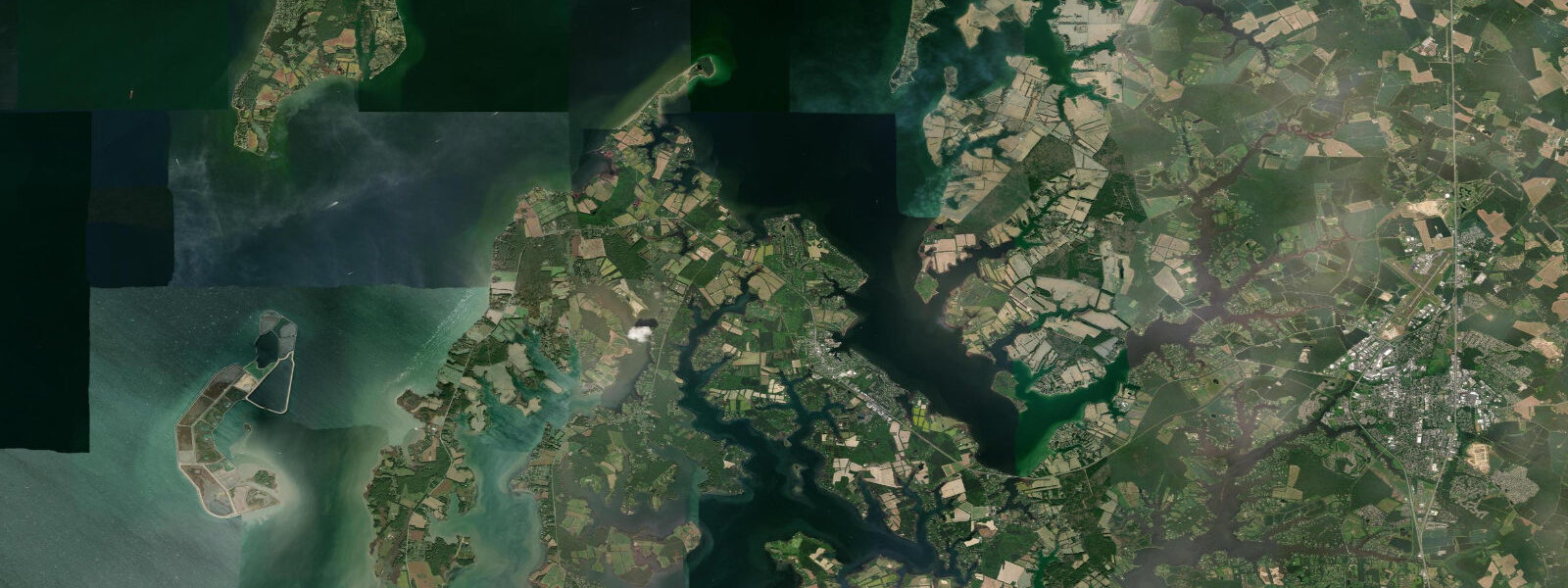
St. Michaels, MD tide times
St. Michaels, MD tide forecast — heights relative to MSL.
Today's tide times for St. Michaels, MD
Tide times at St. Michaels, MD on Tuesday, 4 August 2026: first high tide at 04:23am, first low tide at 11:06am, second high tide at 05:23pm, second low tide at 11:00pm. Sunrise 06:08am, sunset 08:13pm.
Tide chart for St. Michaels, MD
24-hour cosine-interpolated curve around the present moment. Heights relative to MSL. Predictions: Predictions: Open-Meteo Marine (MeteoFrance SMOC, 0.08° grid).
Sun, moon and conditions on Tue 04 Aug
Snapshot at build time — refreshes daily. Sea state from Open-Meteo Marine.
Highs and lows next 7 days
Every predicted high and low for the next week, with the daily tidal coefficient (0–120; higher = bigger swing, > 95 means stronger currents).
Other spots nearby
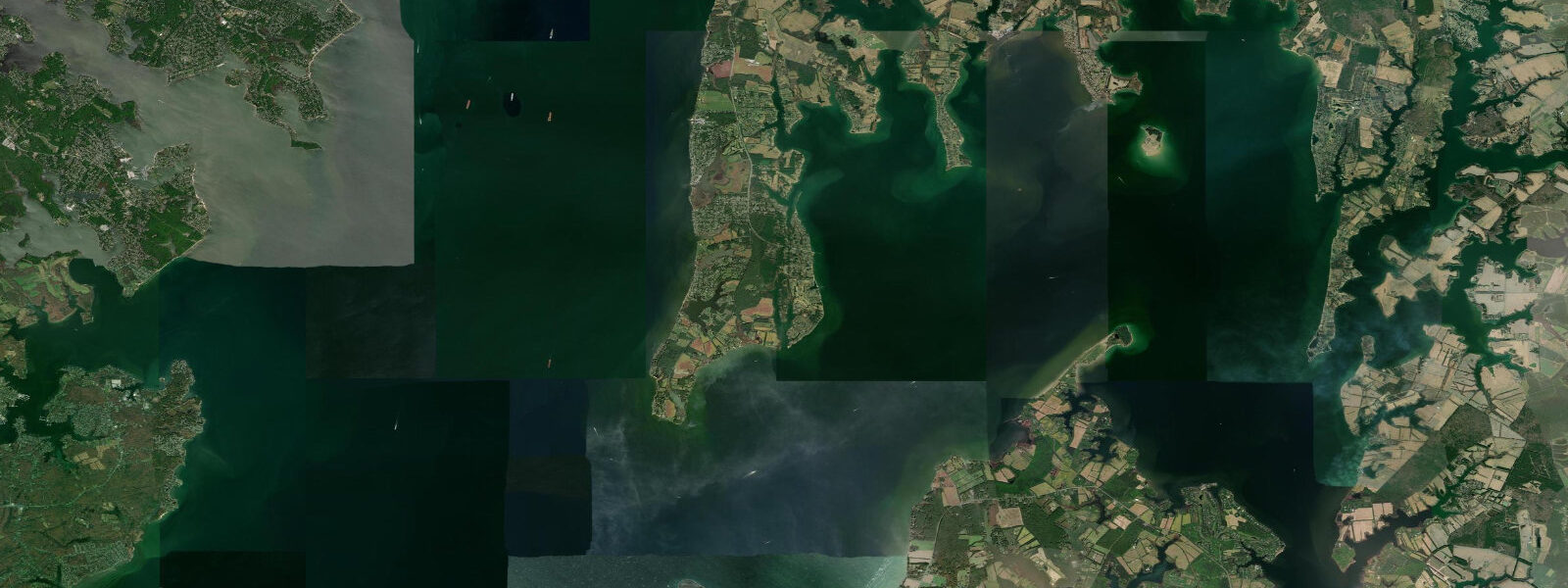
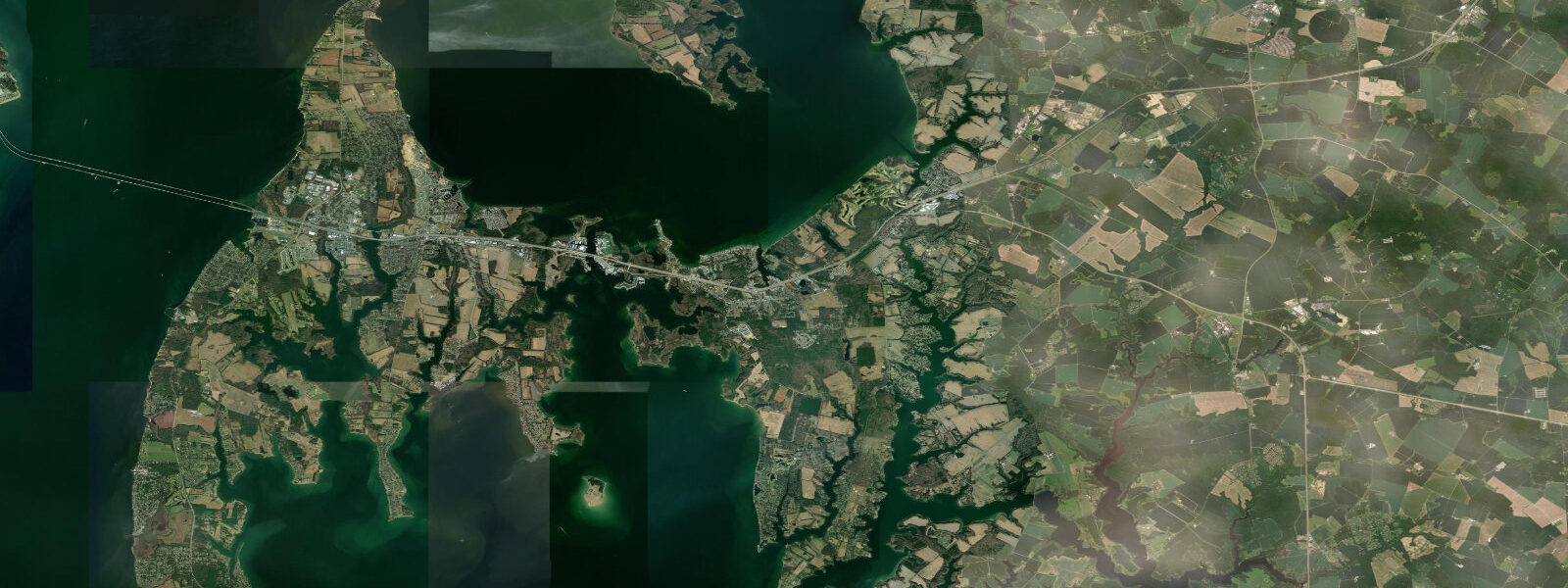
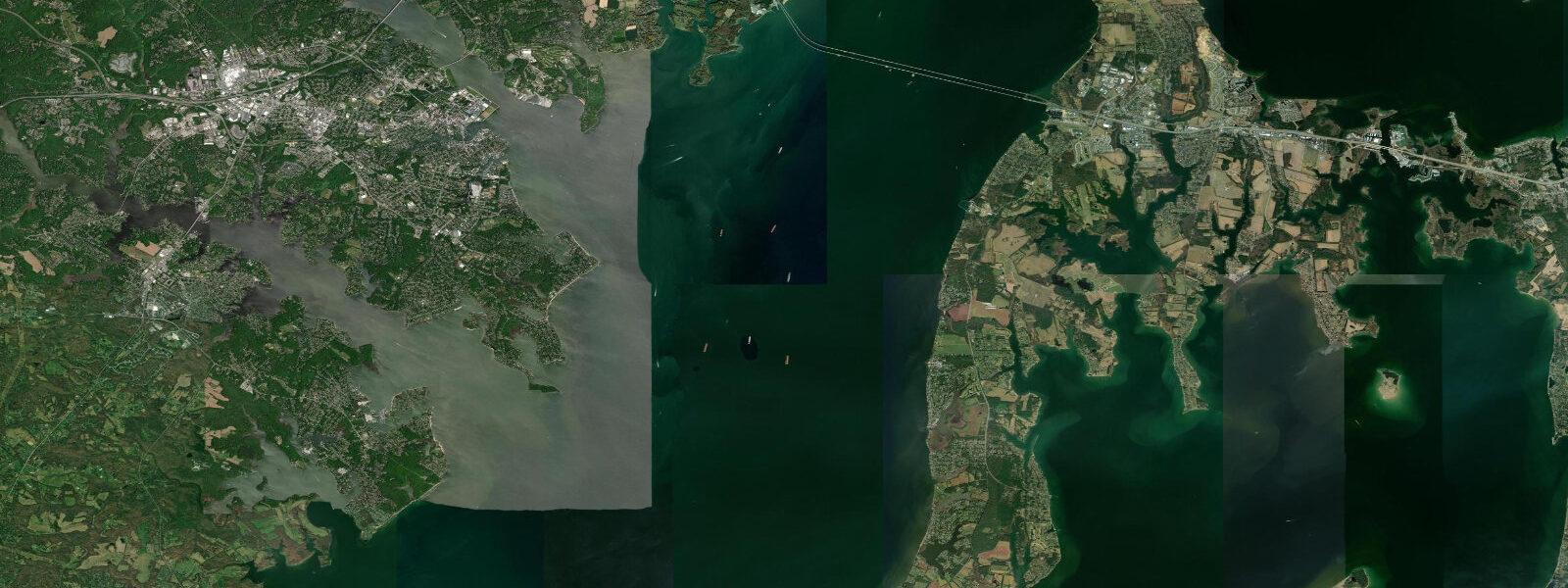
The three closest curated TideTurtle locations to St. Michaels, MD, measured by great-circle distance.
Today's solunar windows
Solunar tradition: major periods are the ≈3h windows around moon transit and opposition; minor are ≈2h around moonrise and moonset. Pair with the local tide stage and wind for the best read.
Cycle dates near St. Michaels, MD
Last spring tide on Mon 03 Aug (range 0.5m / 1.5ft). Next neap on Wed 05 Aug.
Spring tides cluster around new and full moons (biggest swings). Neap tides land on quarter moons (smallest swings). See the spring tide and neap tide glossary entries for the why.
About tides at St. Michaels, MD
A short guide to the coastline at St. Michaels, MD — geography, sea state, and what the tide is actually doing under your feet.
St. Michaels occupies a small peninsula on the Miles River, a broad tidal tributary of the Eastern Shore of the Chesapeake Bay. Its tidal regime is among the most muted on the mid-Atlantic coast: mean range is approximately 0.3 m MLLW, barely a foot between mean low and mean high water. The bay water here is warm, shallow, and nutrient-rich — conditions shaped as much by prevailing winds and the semi-enclosed geometry of the Miles River estuary as by the tide.
The Chesapeake Bay Maritime Museum anchors the town's identity and its relationship with tidal water. The museum's waterfront campus holds the last intact screwpile lighthouse in the bay (the Hooper Strait Lighthouse, moved to the site), along with a working boatyard where traditional log canoes, skipjacks, and buyboats are maintained and sailed. These vessel types are inseparable from the bay's tidal waterman culture — skipjacks dredged oysters under sail on the ebb, a restriction still nominally in place under Maryland law to limit harvest; log canoes raced in the estuary on summer Saturday afternoons using the afternoon southwest sea breeze as the engine. The museum's docks flood and drain with the subtle tide, and at very low water the soft bottom of the Miles River cove behind the lighthouse is exposed as a silty flat that great blue herons and oystercatchers work systematically.
Oyster aquaculture is the dominant commercial use of the tidal water around St. Michaels. The Miles River and the adjacent Harris Creek — both tributaries with nearly identical microtidal regimes — host cage aquaculture operations that have helped restore oyster populations depleted by overharvest and disease across the 20th century. The cages are visible at low water as rows of dark structures on the surface, moored in the subtidal zone. Kayakers navigating the creek should stay in the marked channel and yield to aquaculture workboats.
For paddlers, the Miles River and the St. Michaels Harbour are ideal flat-water venues in the morning before the afternoon southwest breeze generates chop across the wide river mouth. A circumnavigation of the St. Michaels peninsula — roughly 12 km — is achievable at any tide stage given the minimal tidal variation. The soft silty bottom means grounding at low tide is unlikely to cause damage but will require pushing off rather than dragging a hard-bottom boat. The grass beds near the mouth of the harbour hold blue crabs, egrets, and juvenile striped bass.
Sailing on the Miles River is popular for daysailors and cruising boats. The river's width provides enough fetch for moderate performance sailing but is sheltered enough from the main bay to avoid the steep chop that builds on the open Chesapeake on afternoon southwest winds. St. Michaels Harbour has several marinas with transient slips; approach depths are 1.8–2.1 m at mean low water in the main channel. The 0.3 m tidal range means that a boat drawing 1.7 m will not find appreciable additional water at high tide — keel clearance over the shallower approaches to the inner harbour is tight at any stage.
The town itself has changed from a working waterman community to a destination for food, marine antiques, and bay culture tourism, but the physical tidal environment that shaped it remains legible in the working boatyard, the crab-pot floats in the creek, and the light that falls across the Miles River at dawn.
Tide predictions shown here are sourced from Open-Meteo Marine global ocean model output. At St. Michaels, as throughout the upper Chesapeake, wind setup and barometric pressure variation can exceed the tidal range and are not captured in standard tide model predictions. Timing uncertainty is ±45 minutes; height uncertainty is ±0.2–0.3 m. NOAA CO-OPS publishes harmonic predictions for stations at Crisfield, Cambridge, and Annapolis — Cambridge (station 8571892) is the closest authoritative reference station for the Miles River, approximately 15 km to the south.
Tide questions about St. Michaels, MD
Quick answers to the most common questions about tide times, range, and water access at St. Michaels, MD.
What is the tidal range at St. Michaels and how does it affect boat access?
Mean range at St. Michaels is approximately 0.3 m MLLW — three-tenths of a metre difference between mean low and mean high water. For practical purposes, a boat drawing 1.5 m has essentially the same clearance at high tide as at low. The main constraint is not tidal stage but the fixed charted depths in the inner harbour approach channel, which run 1.8–2.1 m in the marked sections. Boats drawing over 1.5 m should verify approach depths with the marina and cross-check against NOAA chart 12270 before approaching on a falling tide.
Can I visit the Chesapeake Bay Maritime Museum by kayak?
Yes. The museum sits on the waterfront at Navy Point and has a public water access landing at the harbour. Approach from the Miles River via the main harbour channel; the museum dock is on the east face of the campus. Kayaks can land at the floating dock during museum hours (check current hours as they are seasonal). The paddle from the town public launch at the foot of Mill Street is approximately 500 m. The inner harbour is shallow near the edges — stay within 20 m of the dock faces to avoid the silty margins at lower water.
When does the Chesapeake Bay Maritime Museum race log canoes?
The museum's log canoe racing season typically runs from late June through September, with Saturday afternoon races on the Miles River between St. Michaels and Oxford. Race times are not tide-dependent but are closely tied to the afternoon southwest sea breeze, which reliably builds from around noon. The canoes carry an enormous press of sail relative to their beam and require precise sail management in puffs — they capsize readily and are crewed by teams that hike out on planks. The race schedule is published by the museum each spring.
Is the oyster aquaculture on Harris Creek and the Miles River accessible by kayak?
The aquaculture cages in Harris Creek and the Miles River are in the water and visible, but the cage arrays are private working infrastructure — approach to observe, but do not moor to or cross over them. Workboats service the cages daily, especially in morning. The marked navigation channel must be kept clear; stay outside the channel buoys when transiting near active cage areas. A good overview of the Harris Creek aquaculture restoration is available at the Chesapeake Bay Foundation and the Maryland Department of Natural Resources oyster program.
Are TideTurtle tide times accurate enough for navigation on the Miles River?
No. Predictions here come from Open-Meteo Marine and carry ±45 minutes timing uncertainty and ±0.2–0.3 m height uncertainty — larger than the entire tidal range at St. Michaels. Wind-driven water level changes are not reflected in the model output and can exceed the tide signal entirely. For navigation on the Miles River and Harris Creek, use NOAA charts (12270, 12263), the NOAA CO-OPS prediction for Cambridge (station 8571892) as the nearest reference, and current USCG Notices to Mariners for local shoaling and hazard updates.
6-day tide table — St. Michaels, MD
Heights relative to MSL. Predictions: Open-Meteo Marine (MeteoFrance SMOC, 0.08° grid) — heights relative to MSL (not chart datum / LAT). Model-derived.
| Day | Type | Time | Height |
|---|---|---|---|
| Tue 04 Aug | High | 04:23 | -0.4m / -1.3ft |
| Low | 11:06 | -0.8m / -2.7ft | |
| High | 17:23 | -0.4m / -1.2ft | |
| Low | 23:00 | -0.6m / -2.0ft | |
| Wed 05 Aug | High | 05:40 | -0.2m / -0.7ft |
| Low | 11:45 | -0.6m / -1.8ft | |
| High | 18:04 | -0.2m / -0.6ft | |
| Thu 06 Aug | Low | 00:06 | -0.5m / -1.7ft |
| High | 06:07 | -0.3m / -0.8ft | |
| Fri 07 Aug | Low | 01:00 | -0.6m / -1.8ft |
| High | 07:00 | -0.3m / -1.1ft | |
| Low | 13:21 | -0.7m / -2.3ft | |
| High | 20:15 | -0.3m / -1.1ft | |
| Sat 08 Aug | Low | 14:18 | -0.7m / -2.1ft |
| Sun 09 Aug | High | 04:00 | -0.6m / -1.8ft |