Hilo tide times
Hilo tide forecast — heights relative to MSL.
Today's tide times for Hilo
Tide times at Hilo on Sunday, 2 August 2026: first low tide at 02:00pm, first high tide at 04:50pm, second low tide at 11:22pm. Sunrise 05:56am, sunset 06:56pm.
Tide chart for Hilo
24-hour cosine-interpolated curve around the present moment. Heights relative to MSL. Predictions: Predictions: Open-Meteo Marine (MeteoFrance SMOC, 0.08° grid).
Sun, moon and conditions on Sun 02 Aug
Snapshot at build time — refreshes daily. Sea state from Open-Meteo Marine.
Highs and lows next 7 days
Every predicted high and low for the next week, with the daily tidal coefficient (0–120; higher = bigger swing, > 95 means stronger currents).
Other spots nearby
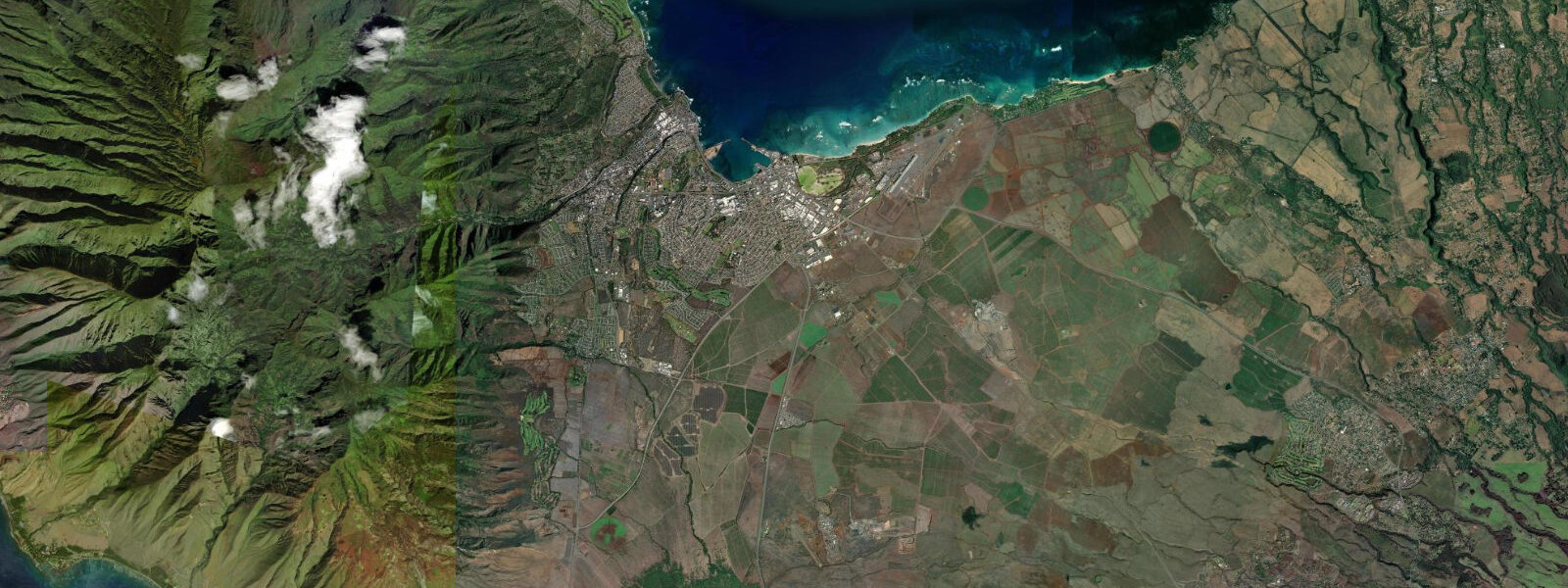
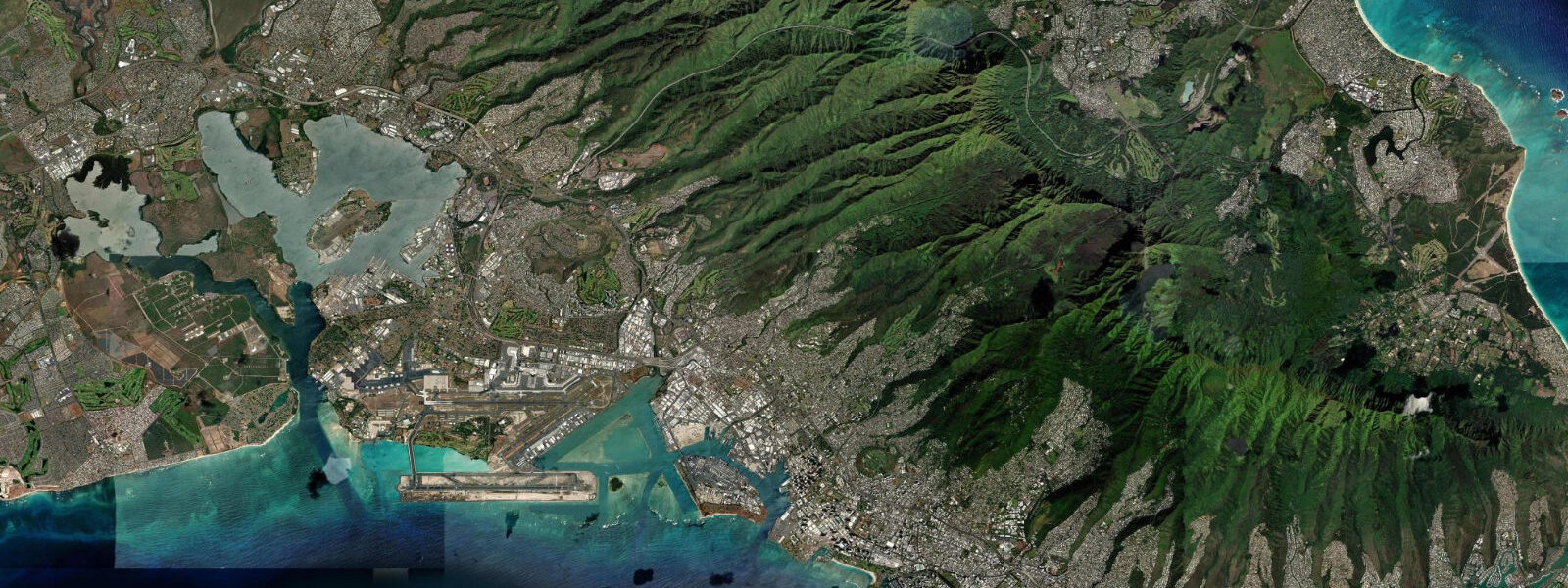
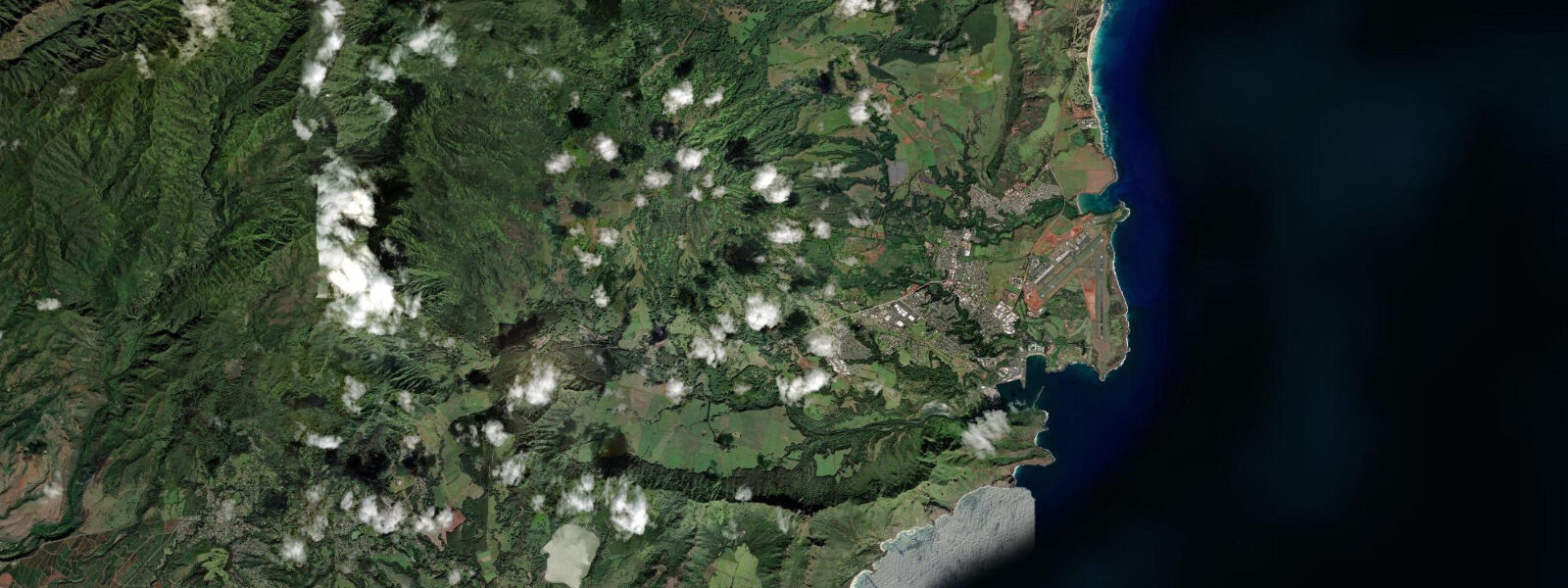
The three closest curated TideTurtle locations to Hilo, measured by great-circle distance.
Today's solunar windows
Solunar tradition: major periods are the ≈3h windows around moon transit and opposition; minor are ≈2h around moonrise and moonset. Pair with the local tide stage and wind for the best read.
Cycle dates near Hilo
Next spring tide on Sat 08 Aug (range 1.0m / 3.1ft). Next neap on Mon 03 Aug.
Spring tides cluster around new and full moons (biggest swings). Neap tides land on quarter moons (smallest swings). See the spring tide and neap tide glossary entries for the why.
About tides at Hilo
A short guide to the coastline at Hilo — geography, sea state, and what the tide is actually doing under your feet.
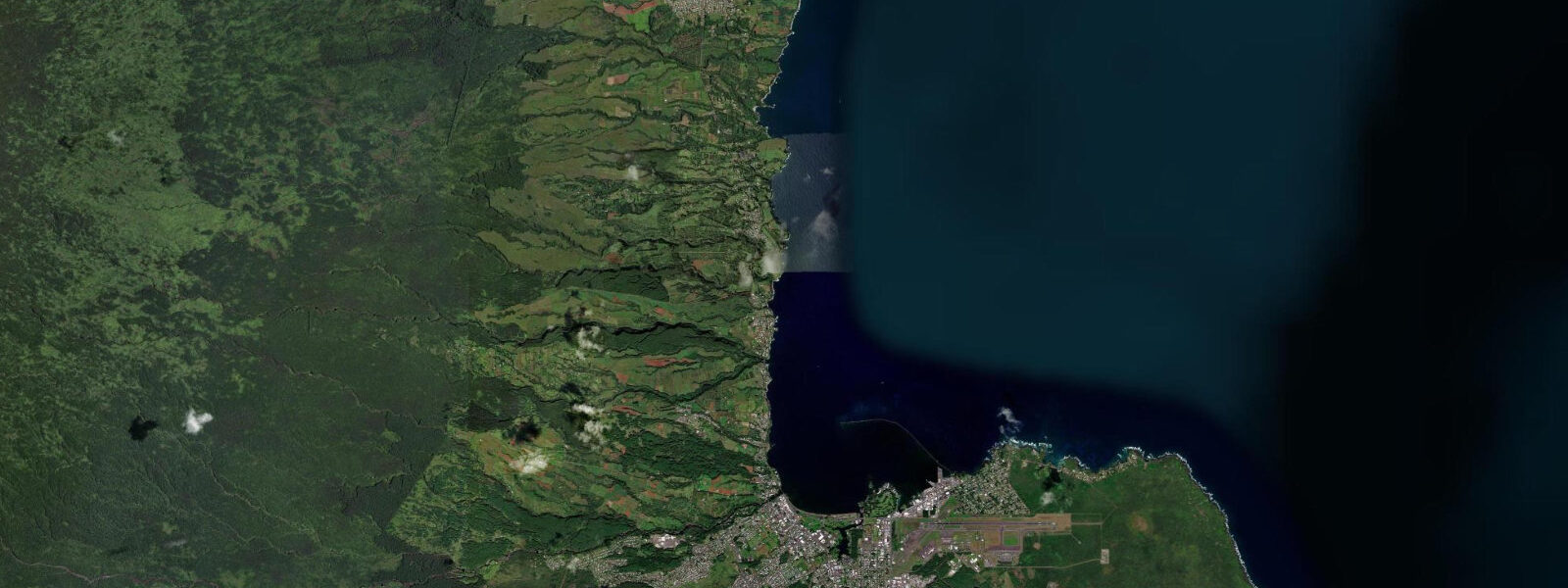
Hilo sits on the rainy side of Hawai'i Island, where the Wailuku and Wailoa rivers drain the Mauna Kea slopes into a bay that faces northeast — directly into the North Pacific swell window. The tidal pattern is mixed semidiurnal: two unequal highs and lows each day. Mean tidal range is around 0.6 metres, with spring tides reaching 0.8 m. The astronomical tide is modest, but Hilo Bay's history with tsunamis is a reminder that extraordinary water level events are not just theoretical here.
The two tsunamis of 1946 and 1960 destroyed the original downtown waterfront. The rebuilt town sits set back from the bay, and the former waterfront area — now Wailoa River State Park — is deliberately left as open green space. The civic memory shapes how locals think about ocean conditions; tide plus swell plus event is always the mental model.
Surf at Hilo is not what most visitors expect. The northeast exposure catches raw swell in winter; Richardson Ocean Park on the east side of the bay has a rocky entry but delivers consistent waves for bodyboarders and experienced surfers. The bay itself damps swell significantly — inside the bay, conditions are calmer and more suited to kayaking and outrigger canoe training.
Hilo is the departure point for snorkelling and dive charters heading south toward the Kapoho tide pools and the lava coast. Water clarity in the open ocean off the Puna coast is exceptional; visibility routinely exceeds 30 metres. The tidal range is small enough that snorkelling access is practical at most tides, though surge on the lava shelves requires caution — water level can change 0.3 metres in under a minute on exposed lava benches.
Kayaking in Hilo Bay is calm and the route around the breakwater to Coconut Island (Mokuola) is a standard beginner circuit. Outrigger canoe paddling is a deeply embedded local sport; several clubs train in the bay in the early morning before the trade wind fills in. Fishing from the breakwater is productive for papio (juvenile jack crevalle), pua'ama (bonefish), and occasionally bonefish on the flats at Onekahakaha Beach Park.
The Suisan Fish Auction at the Hilo waterfront is one of the few remaining traditional fish auctions in the state — it runs most weekday mornings before dawn. The boats unload catches of ahi, ono, and marlin directly from overnight trips to the deep-water grounds south of the island. Tide depth in the harbour determines access for the deeper-drafted longliners.
Predictions on this page come from Open-Meteo Marine, a gridded global ocean model. Accuracy is typically within plus or minus 45 minutes on timing and 0.2 to 0.3 metres on height — model-derived, not from a local gauge. For authoritative US tide data, consult NOAA CO-OPS at tidesandcurrents.noaa.gov.
Tide questions about Hilo
Quick answers to the most common questions about tide times, range, and water access at Hilo.
What is the tidal range at Hilo, Hawaii?
Hilo has mixed semidiurnal tides — two highs and two lows per day, often of different heights. Mean tidal range is around 0.6 metres, with spring tides reaching about 0.8 m. The astronomical range is small compared to mainland locations, but Hilo's tsunami history means that extraordinary water level events are a real consideration. Current tsunami inundation maps are available at the Hawaii Emergency Management Agency.
Where can I surf near Hilo?
Richardson Ocean Park on the northeast edge of the bay has a rocky lava entry and consistent bodyboard/shortboard waves in winter northeast swell. Honolii Beach Park, just north of town, is the main local surf spot — a river-mouth break with consistent waves and a strong local crew. The inside of Hilo Bay is too sheltered for surfing but calm for outrigger canoes and kayaks. Winter swell season (November through March) brings the biggest surf.
Are the Kapoho tide pools accessible year-round?
The original Kapoho tide pool complex was destroyed by the 2018 Kilauea eruption and is now covered in lava. However, the Puna coast south of Hilo still has excellent snorkelling access at several lava bench locations. MacKenzie State Recreation Area and Isaac Hale Beach Park are accessible alternatives. Surge on open lava benches can be sudden and forceful — never turn your back on the ocean and check swell forecasts before visiting.
Can I kayak in Hilo Bay?
Yes — Hilo Bay is one of the calmer paddling venues on the Big Island. The breakwater protects against ocean swell, and the trade wind typically fills in from the northeast after 10 a.m. Plan early morning paddles. The route to Coconut Island (Mokuola) is about 1 km from the boat ramp near Lili'uokalani Park. The park around the island is open to visitors; kayak rentals are available seasonally from outfitters near the Wailoa River area.
What fish can I catch from Hilo's breakwater?
The Hilo breakwater is a productive shore fishing spot for papio (jack crevalle under 2 kg), papa'i (crabs), and occasionally ahi when the fish push close to shore in summer. Bonefish (o'io) feed on the flats at Onekahakaha Beach Park at low tide — sight fishing with 6-8 lb tippet is the standard approach. A Hawaii freshwater and saltwater fishing license is not required for recreational ocean fishing in Hawaii, though some species have bag limits.
8-day tide table — Hilo
Heights relative to MSL. Predictions: Open-Meteo Marine (MeteoFrance SMOC, 0.08° grid) — heights relative to MSL (not chart datum / LAT). Model-derived.
| Day | Type | Time | Height |
|---|---|---|---|
| Sun 02 Aug | Low | 14:00 | 0.6m / 1.8ft |
| High | 16:50 | 0.8m / 2.7ft | |
| Low | 23:22 | 0.1m / 0.4ft | |
| Mon 03 Aug | High | 05:40 | 0.6m / 2.1ft |
| Low | 11:06 | 0.3m / 1.0ft | |
| High | 17:10 | 0.8m / 2.5ft | |
| Low | 23:55 | 0.1m / 0.4ft | |
| Tue 04 Aug | — | ||
| Wed 05 Aug | — | ||
| Thu 06 Aug | High | 09:50 | 0.7m / 2.4ft |
| Fri 07 Aug | Low | 02:45 | 0.1m / 0.4ft |
| High | 11:18 | 0.8m / 2.7ft | |
| Sat 08 Aug | Low | 04:00 | 0.1m / 0.3ft |
| High | 12:12 | 0.9m / 3.0ft | |
| Sun 09 Aug | Low | 05:18 | 0.0m / 0.0ft |
| High | 13:00 | 1.0m / 3.1ft | |