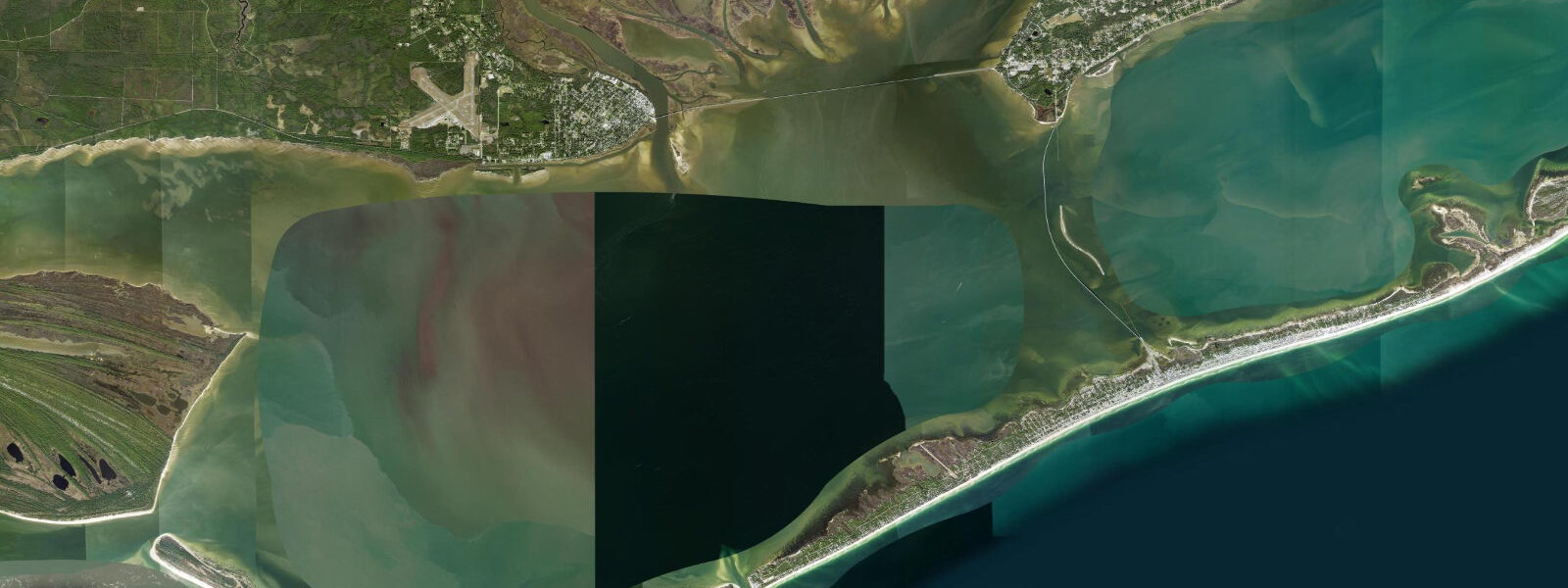
Apalachicola, FL tide times
Apalachicola, FL tide forecast — heights relative to MSL.
Today's tide times for Apalachicola, FL
Tide times at Apalachicola, FL on Tuesday, 4 August 2026: first low tide at 02:00pm, first high tide at 06:15pm, second low tide at 07:00pm. Sunrise 07:01am, sunset 08:31pm.
Tide chart for Apalachicola, FL
24-hour cosine-interpolated curve around the present moment. Heights relative to MSL. Predictions: Predictions: Open-Meteo Marine (MeteoFrance SMOC, 0.08° grid).
Sun, moon and conditions on Tue 04 Aug
Snapshot at build time — refreshes daily. Sea state from Open-Meteo Marine.
Highs and lows next 7 days
Every predicted high and low for the next week, with the daily tidal coefficient (0–120; higher = bigger swing, > 95 means stronger currents).
Other spots nearby
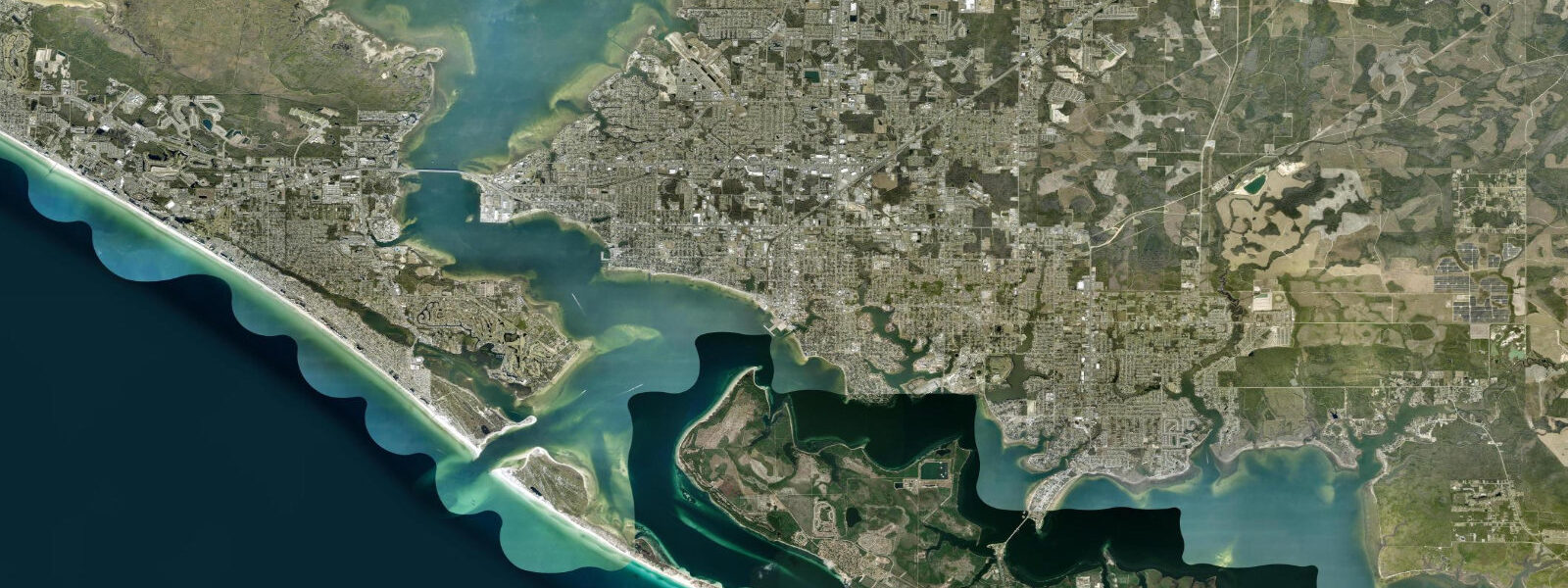
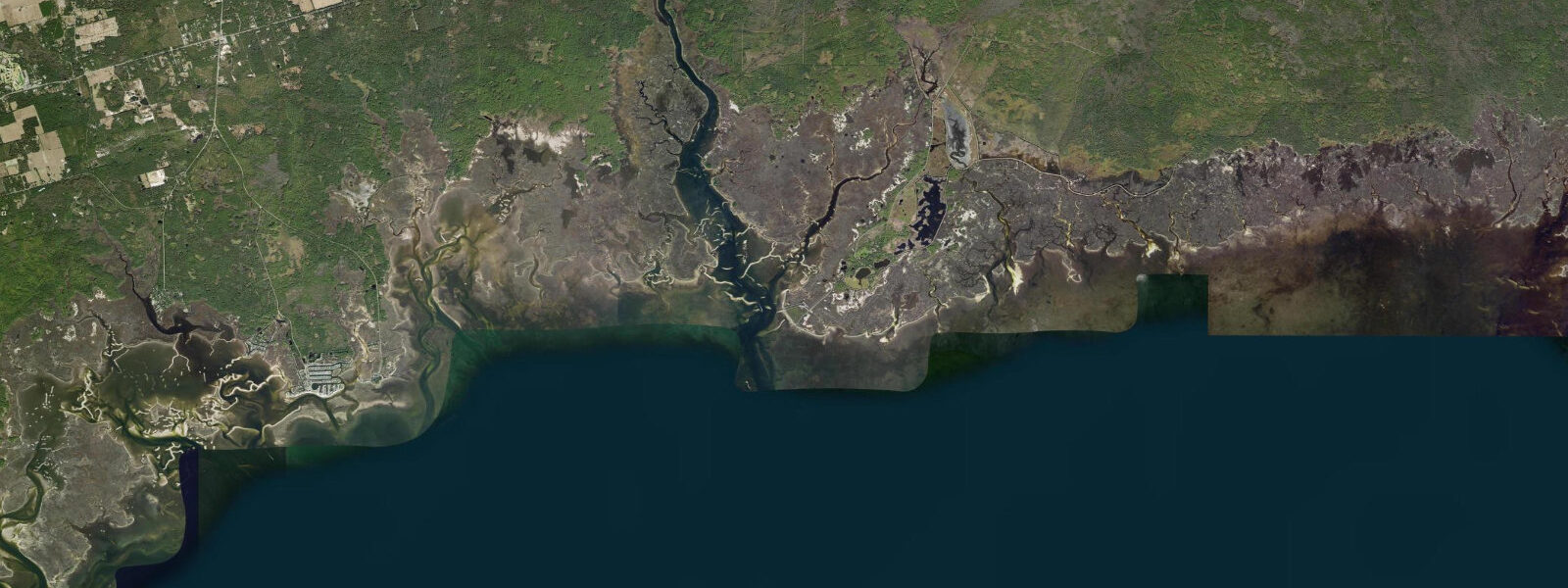
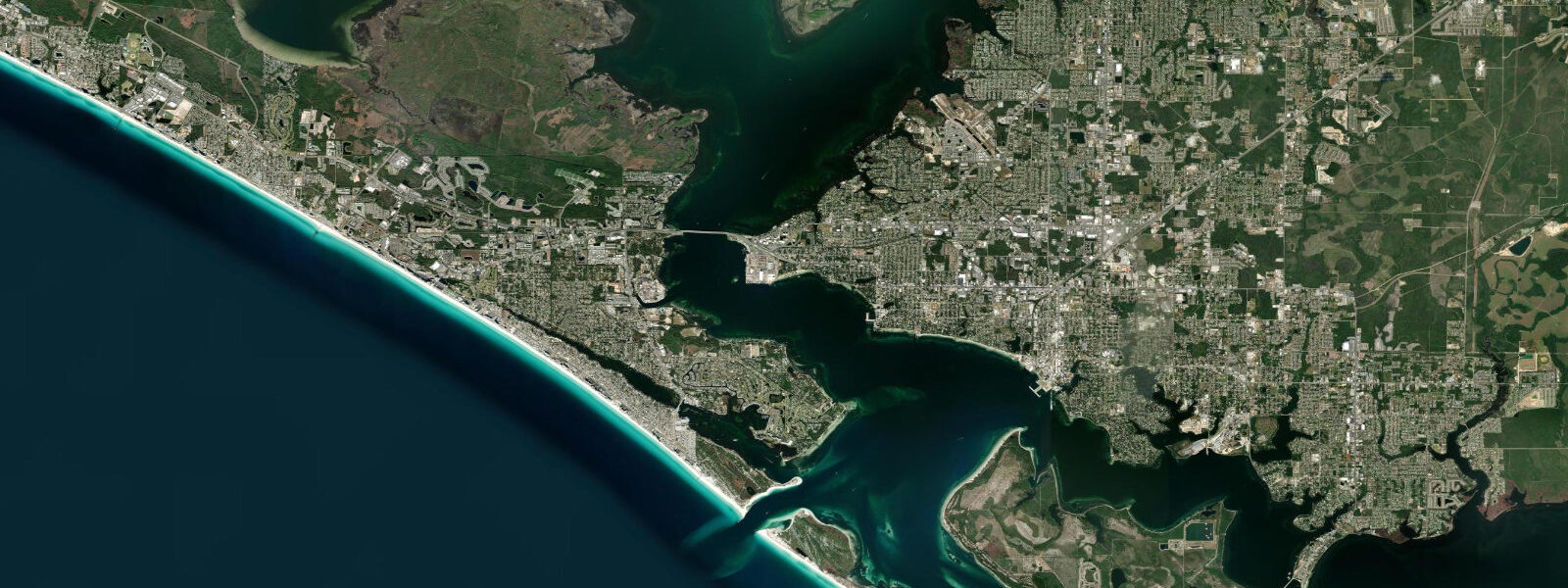
The three closest curated TideTurtle locations to Apalachicola, FL, measured by great-circle distance.
Today's solunar windows
Solunar tradition: major periods are the ≈3h windows around moon transit and opposition; minor are ≈2h around moonrise and moonset. Pair with the local tide stage and wind for the best read.
About tides at Apalachicola, FL
A short guide to the coastline at Apalachicola, FL — geography, sea state, and what the tide is actually doing under your feet.
Apalachicola sits at the mouth of the Apalachicola River on the eastern Florida Panhandle, where the river drains roughly half of west-central Florida and southwest Georgia into Apalachicola Bay. The bay is shallow, broad, and screened from the open Gulf of Mexico by the long barrier-island chain of St Vincent, St George, and Dog islands. This is the great river-and-bay coastline of the Panhandle, ecologically distinct from the white-sand resort coast further west, and historically built on oysters rather than tourism.
The tide here runs the Gulf diurnal pattern, but with some of its own character because of the river inflow and the bay's geometry. Mean range at the Apalachicola gauge is about 0.34 metres above MLLW, with a great diurnal range of 0.49 metres on the bigger days. Most days produce one notable high and one notable low; on the moon's quarter phases the pattern goes briefly mixed diurnal with a small second cycle. The river adds a freshwater pulse on top of the salt tide, so when sustained rainfall in the Apalachicola-Chattahoochee-Flint basin is running high, river outflow can hold the bay-side water level above the predicted tide for days at a time. The opposite happens during drought years and during the long-running tristate water dispute, when reduced flow drops salinity in the bay and stresses the oyster grounds.
Apalachicola Bay produced roughly 90 percent of Florida's oysters and around 10 percent of the national supply for most of the 20th century. The fishery collapsed in the 2010s under a combination of reduced freshwater inflow, drought, hurricane damage, and overharvest, and the bay was closed to wild oyster harvest in 2020 with a five-year recovery plan. As of 2025 the closure is being phased out in stages on monitored grounds; the fishery is not yet at its historic level. The infrastructure of the oyster industry — tonging boats, the Riverfront docks, the historic seafood houses on Water Street — is still the backbone of the town, even when the catch is reduced.
The pass between the bay and the Gulf is at the east end of St George Island, where Sikes Cut (a federal channel cut in 1954) is the main marked entrance. Tidal current through the cut runs at moderate speed; the inlet is shallow and shoals on its Gulf side, so navigation requires the chart and current marker positions. Inshore fishing in the bay holds redfish, speckled trout, flounder, and sheepshead; the bayside grass beds and the deeper channels around the river mouth are the productive grounds. Tarpon stage off the river mouth in early summer, the migration tracking the warming water and the early shrimp runs.
Apalachicola town itself is on the National Register, with a downtown core of late-19th-century cotton-warehouse and seafood-house buildings still standing. The Gibson Inn (1907) anchors the downtown; the Apalachicola Maritime Museum runs sailing trips on the bay; and the J. Patrick Floyd Apalachicola River Wildlife and Environmental Area protects 16,000 hectares of bottomland hardwood swamp upriver, accessible by kayak.
St George Island, across the bay from town via the 6-kilometre causeway, has the most accessible undeveloped Gulf-front beach in the region. Dr Julian G. Bruce St George Island State Park occupies the eastern third of the island and protects 14 kilometres of beach, dune, and pine flatwoods. The island is dark-sky country by Florida standards, with measurable but limited light pollution, and the beach is one of the better stretches of the Panhandle for night-sky photography. Sea turtles (loggerhead and the occasional green turtle) nest on the island from May through October; volunteer monitors mark and protect nests, and beach users are asked to keep lights off the dune line during nesting season. The bay-side of St George Island has access to the productive grass-flat fishery without the boat-trip requirement of the rest of Apalachicola Bay.
Predictions on this page come from NOAA CO-OPS station 8728690 (harmonic predictions, accurate to within minutes). Hurricane season runs June through November and storm surge during a Gulf landfall is the dominant water-level hazard, far exceeding the modest astronomical tide.
Tide questions about Apalachicola, FL
Quick answers to the most common questions about tide times, range, and water access at Apalachicola, FL.
What is the tidal range at Apalachicola?
Apalachicola has a diurnal tide, mean range about 0.34 metres above MLLW, with a great diurnal range of 0.49 metres on the bigger days. Most days produce one high and one low; on the moon's quarter phases a brief mixed diurnal pattern with a smaller second cycle appears. The Apalachicola River outflow adds a freshwater pulse on top of the tide, so during high-rainfall periods upstream the bay-side water level can sit above the predicted tide for days. Wind setup from south or southeast winds further raises bay levels.
Can I still get Apalachicola Bay oysters?
The wild Apalachicola Bay oyster fishery was closed to harvest in 2020 after a long-running collapse driven by reduced freshwater inflow, drought, and hurricane damage. A five-year recovery plan is in progress, with phased reopenings on monitored grounds beginning around 2025. Local restaurants now serve oysters from other Gulf and East Coast sources alongside whatever bay product is available. The infrastructure of the historic oyster industry — tonging boats and the Water Street seafood houses — is still in place. Check Florida Fish and Wildlife for the current harvest status before a trip.
What can I fish for in Apalachicola Bay?
The bay holds redfish (red drum), speckled trout (spotted seatrout), flounder, and sheepshead year-round in the grass beds and channel edges. Tarpon stage off the river mouth in early summer, tracking shrimp runs and warming water. Sheepshead concentrate on the bridge pilings and oyster-bar edges in winter and early spring. The Sikes Cut jetties at the east end of St George Island produce Spanish mackerel and the occasional cobia. A Florida saltwater fishing licence is required; check Florida Fish and Wildlife for current bag limits and oyster harvest status.
Where do these tide predictions come from?
NOAA CO-OPS station 8728690, Apalachicola, on the Apalachicola River near where it enters the bay. NOAA's harmonic predictions resolve the diurnal Gulf signal and produce navigation-grade accuracy under normal weather. River outflow and wind setup both modify the actual water level on top of the prediction; during high-flow periods or strong south winds the observed level can run 0.3 metres or more above the predicted tide. The CO-OPS web service shows real-time observed water level alongside the prediction.
Is this safe to use for navigation?
No. For piloting through Sikes Cut or the Apalachicola channel, use NOAA Chart 11401 and the latest USCG notices. The cut shoals on its Gulf side, the dredged channel positions can shift, and the bay has extensive shallow oyster reefs that are unforgiving to keels. The river-mouth area near the railroad bridge has marked obstructions. Inshore navigators should monitor VHF Channel 16 and consult local guides for shifting bar conditions, particularly after major storm events.
6-day tide table — Apalachicola, FL
Heights relative to MSL. Predictions: Open-Meteo Marine (MeteoFrance SMOC, 0.08° grid) — heights relative to MSL (not chart datum / LAT). Model-derived.
| Day | Type | Time | Height |
|---|---|---|---|
| Tue 04 Aug | Low | 14:00 | -0.2m / -0.8ft |
| High | 18:15 | -0.1m / -0.4ft | |
| Low | 19:00 | -0.1m / -0.4ft | |
| Wed 05 Aug | — | ||
| Thu 06 Aug | — | ||
| Fri 07 Aug | High | 06:45 | 0.1m / 0.4ft |
| Sat 08 Aug | — | ||
| Sun 09 Aug | Low | 18:10 | -0.5m / -1.7ft |