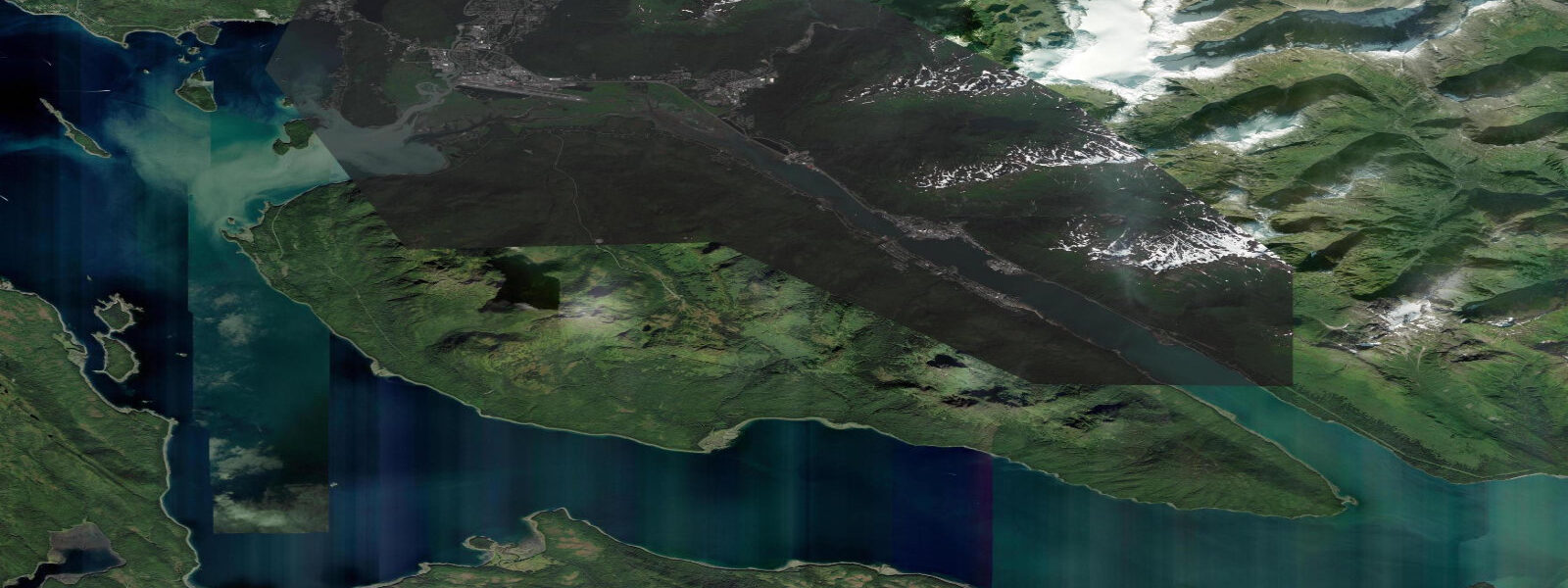
Juneau, AK tide times
Juneau, AK tide forecast — heights relative to MSL.
Tide chart for Juneau, AK
24-hour cosine-interpolated curve around the present moment. Heights relative to MSL. Predictions: Predictions: Open-Meteo Marine (MeteoFrance SMOC, 0.08° grid).
Sun, moon and conditions on Mon 03 Aug
Snapshot at build time — refreshes daily. Sea state from Open-Meteo Marine.
Highs and lows next 7 days
Every predicted high and low for the next week, with the daily tidal coefficient (0–120; higher = bigger swing, > 95 means stronger currents).
Other spots nearby
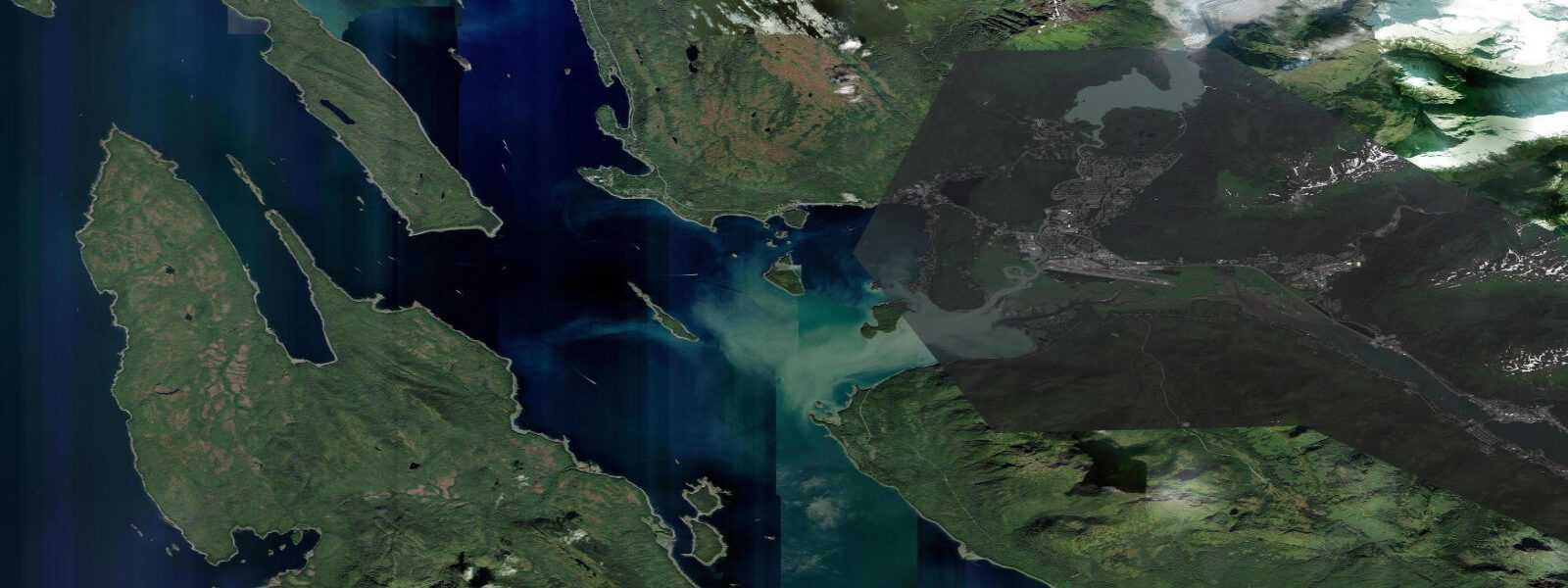
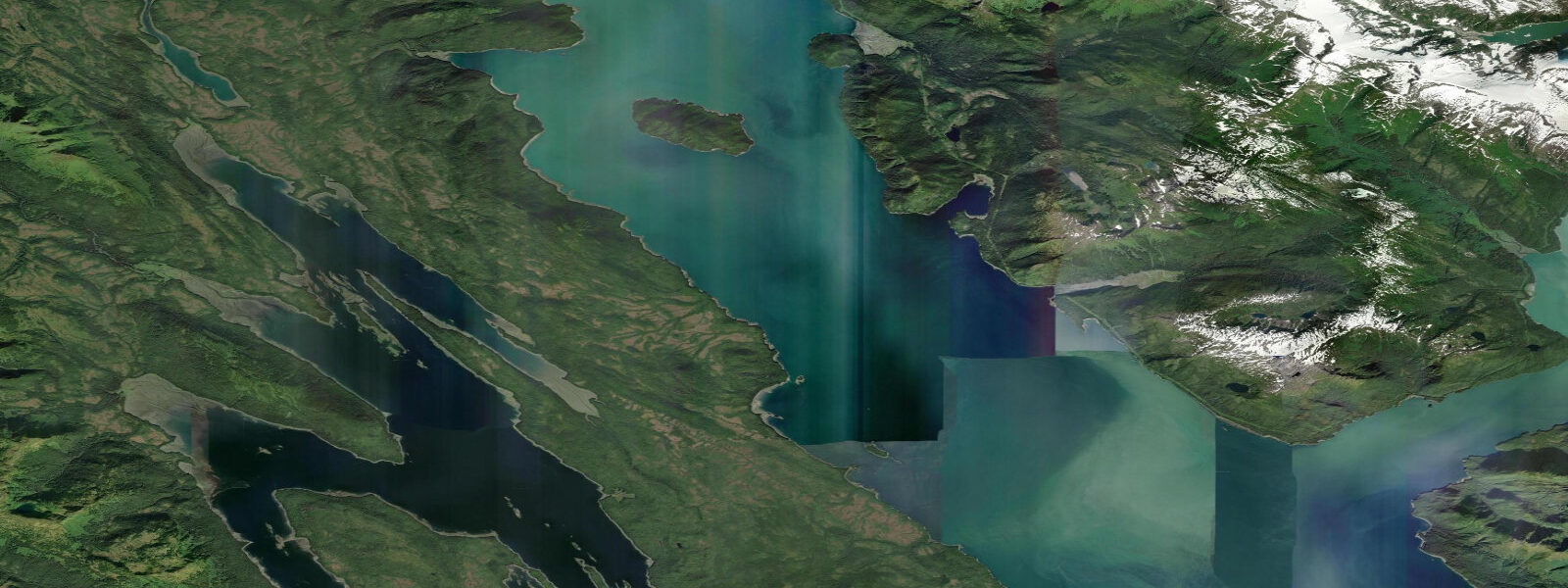
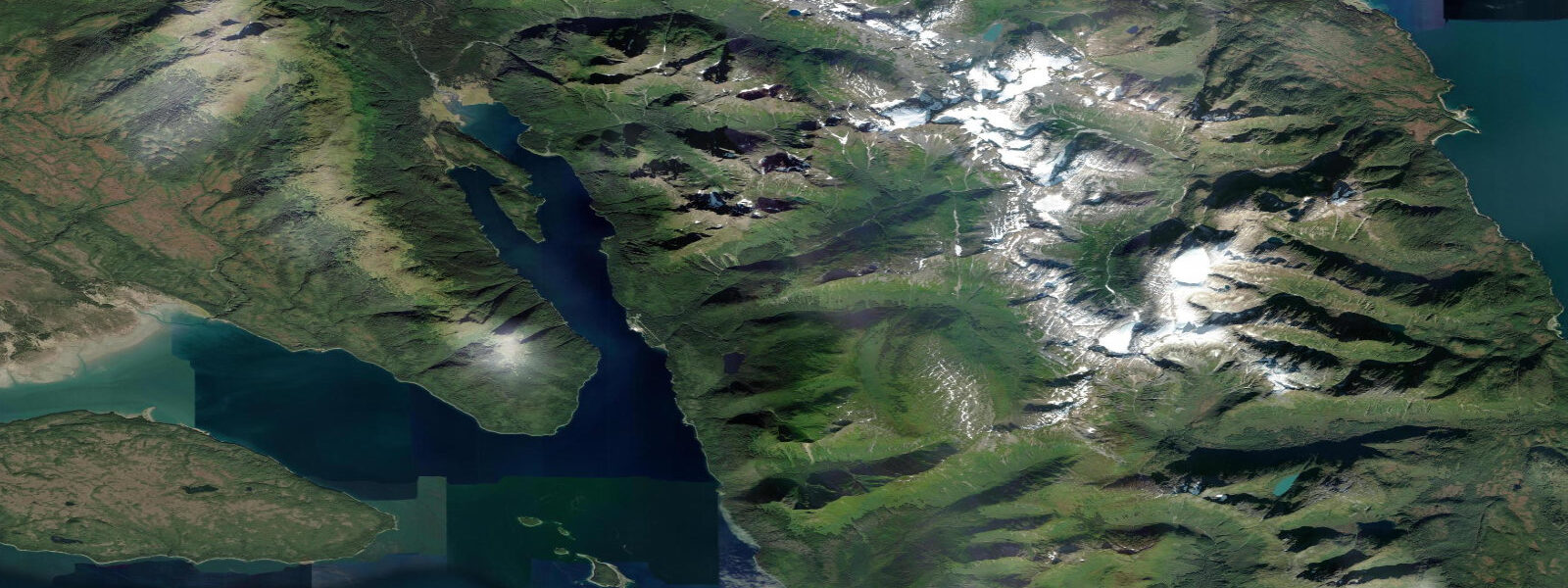
The three closest curated TideTurtle locations to Juneau, AK, measured by great-circle distance.
Today's solunar windows
Solunar tradition: major periods are the ≈3h windows around moon transit and opposition; minor are ≈2h around moonrise and moonset. Pair with the local tide stage and wind for the best read.
About tides at Juneau, AK
A short guide to the coastline at Juneau, AK — geography, sea state, and what the tide is actually doing under your feet.
Juneau sits at the junction of the Gastineau Channel and the broader Inside Passage network in Southeast Alaska, accessible only by air or water — there is no road to the outside. The city fronts the Gastineau Channel, a tidal waterway that runs roughly 30 km between the Douglas Island shoreline and the mainland. Tides here are semidiurnal with marked diurnal inequality: on a typical day the higher high water reaches around 4.9 m MLLW and the lower low drops to 0.1–0.2 m MLLW, giving a mean range of approximately 4.5 m. The tidal cycle at Juneau follows Pacific Coast semidiurnal patterns, with the two daily cycles offset by roughly 12 hours 25 minutes and the diurnal inequality shifting with the moon's declination.
The Gastineau Channel narrows to approximately 300 m at the Douglas Island bridge, and this constriction produces tidal currents of 1–2 knots on spring tides, peaking roughly 2–3 hours after the high or low predicted at the Juneau gauge (Station 9452210). At the channel's south end, near the downtown waterfront, the flood current runs northeast; the ebb reverses to southwest. Kayakers and small-boat operators planning a crossing from downtown to Douglas Island should check the current direction: a spring ebb running at 1.5 knots can push a loaded kayak 150 m off line over a 200 m crossing. The intertidal zone along the Gastineau Channel exposes a gravel-and-mud shelf up to 80 m wide at mean lower low water, and this shelf concentrates humpback whale foraging activity on herring schools during flood tides from late spring through fall.
Stephens Passage, the broader waterway immediately south of the Gastineau Channel entrance, is one of Southeast Alaska's most reliable humpback feeding grounds. Whale-watching tours out of Auke Bay (15 km northwest of downtown) schedule departures around the flood tide because humpbacks concentrate bait near the surface when current brings prey up from depth. The Mendenhall Glacier, 19 km from downtown, terminates approximately 200 m from Mendenhall Lake; the lake drains through Mendenhall River into Gastineau Channel. River levels at the outlet track the tidal stage roughly 2–3 hours delayed, which affects salmon holding behavior in the lower river during late July through September king and coho runs.
Anglers work the Gastineau Channel intertidal for Dungeness crab at low tide — the flats between the Douglas Island bridge and Thane are accessible on foot at tides below 0.3 m MLLW. King salmon enter the Juneau-area streams beginning in late May; the best fishing in tidal water concentrates on the first two hours of an incoming tide. Sea kayakers paddling the Gastineau Channel day trip should plan to depart the downtown launch near high water and return before the ebb runs strong — a 3-hour window centered on high slack is comfortable for a round trip to Douglas Island and back. Photographers targeting low-tide intertidal life (sea stars, anemone fields, ochre sea stars in the lower zone) have a reliable 45–60 minute window around mean lower low water before the flat begins to flood. Families with children can explore the intertidal shelf safely during neap tides, when the low reaches only 0.4–0.6 m MLLW and the flat exposes gradually rather than draining quickly.
TideTurtle tide predictions for Juneau are generated from Open-Meteo Marine, a free gridded global ocean model. Accuracy is typically ±45 minutes on timing and ±0.2–0.3 m on height compared to observed tides. NOAA CO-OPS is the authoritative source for Juneau tide data; the primary gauge is Juneau, AK (Station 9452210) at tidesandcurrents.noaa.gov. Use NOAA CO-OPS data for any navigation, commercial fishing, or safety-critical planning.
Tide questions about Juneau, AK
Quick answers to the most common questions about tide times, range, and water access at Juneau, AK.
What is the tidal range in Juneau, Alaska?
Juneau has a mean tidal range of approximately 4.5 m (about 14.8 ft), measured at MLLW datum. On large spring tides the range can reach 5.8 m or more. The tides are semidiurnal — two highs and two lows per day — with significant diurnal inequality, meaning the two highs and two lows on a given day are often quite different in height. These are among the largest tidal ranges on the US West Coast outside of Cook Inlet.
When is the best time to watch whales in Juneau relative to the tide?
Humpback whales in Stephens Passage and Frederick Sound tend to concentrate bait near the surface during flood tide, when tidal currents push krill and small fish upward. Most Juneau whale-watching operators depart Auke Bay Boat Harbor 1–2 hours before the predicted low to catch the early flood. The specific timing shifts daily with the tidal cycle, so check the predicted low water at Juneau (NOAA Station 9452210) and add 30–60 minutes for the flood to begin running.
Can I kayak the Gastineau Channel from downtown Juneau?
Yes. The standard day route crosses from the downtown launch ramp to Douglas Island and follows the Douglas shoreline south. The safest window is the 2–3 hours centered on high slack water, when the Gastineau Channel narrows to about 300 m at the bridge and currents are minimal. On spring tides the ebb current in the narrows reaches 1.5–2 knots; paddling against it in a loaded touring kayak is hard work. Consult the NOAA current predictions for Gastineau Channel alongside the Juneau tide tables before launching.
When do tidal flats near Juneau expose for crabbing and clamming?
The Gastineau Channel flats between the Douglas Island bridge and Thane Road begin to expose at tides below roughly 0.5 m MLLW and reach maximum exposure — up to 80 m of flat — at mean lower low water (near 0.0–0.1 m MLLW). On a day with a predicted low of 0.2 m MLLW, expect about 45–60 minutes of good exposure time before the flat floods. Check the Alaska Department of Fish and Game for current shellfish biotoxin (paralytic shellfish poisoning) closures before harvesting any bivalves.
Is this tide information safe to use for navigation?
No. TideTurtle predictions for Juneau are generated from Open-Meteo Marine, a free gridded global ocean model with typical accuracy of ±45 minutes on timing and ±0.2–0.3 m on height. That margin is too wide for navigation, passage planning, or any safety-critical use. NOAA CO-OPS is the authoritative source: use Station 9452210 (Juneau, AK) at tidesandcurrents.noaa.gov for verified tide predictions and current data.
0-day tide table — Juneau, AK
Heights relative to MSL. Predictions: Open-Meteo Marine (MeteoFrance SMOC, 0.08° grid) — heights relative to MSL (not chart datum / LAT). Model-derived.
| Day | Type | Time | Height |
|---|