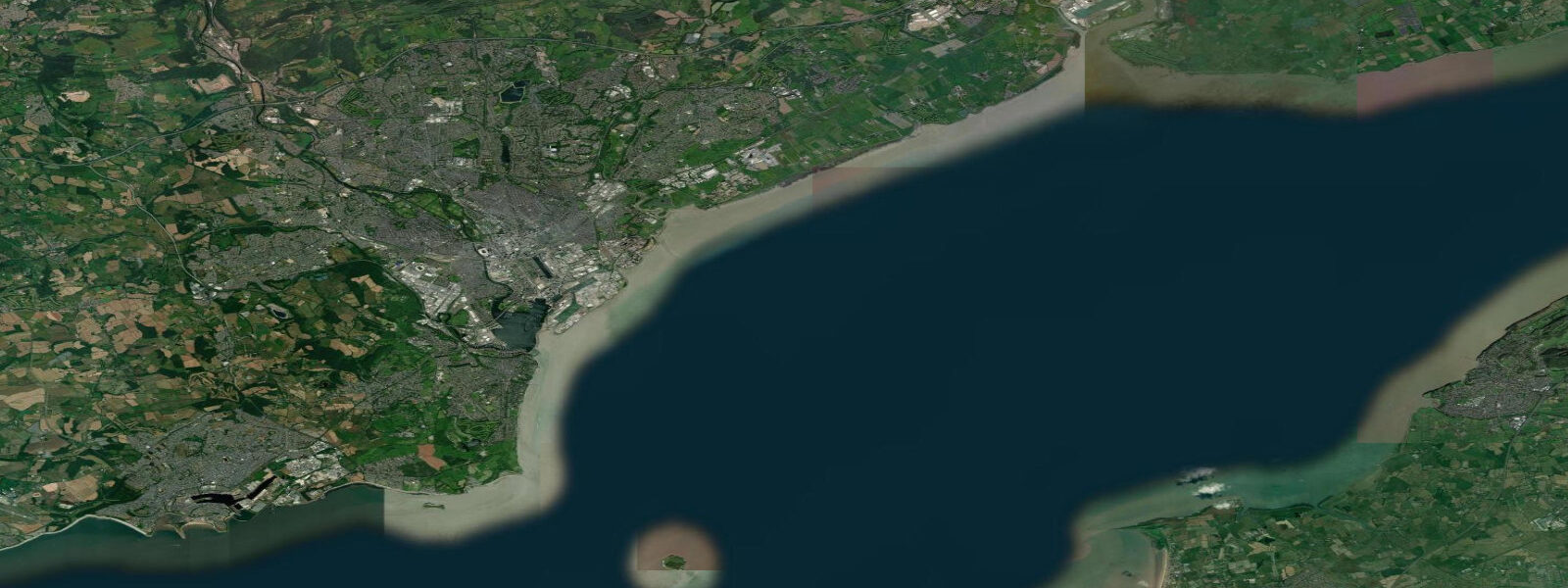
Cardiff tide times
Cardiff tide forecast — heights relative to MSL.
Today's tide times for Cardiff
Tide times at Cardiff on Friday, 31 July 2026: first high tide at 01:00, first low tide at 02:31, second high tide at 08:24, second low tide at 14:46, third high tide at 20:40. Sunrise 05:33, sunset 21:03.
Tide chart for Cardiff
24-hour cosine-interpolated curve around the present moment. Heights relative to MSL. Predictions: Predictions: Open-Meteo Marine (MeteoFrance SMOC, 0.08° grid).
Sun, moon and conditions on Fri 31 Jul
Snapshot at build time — refreshes daily. Sea state from Open-Meteo Marine.
Highs and lows next 7 days
Every predicted high and low for the next week, with the daily tidal coefficient (0–120; higher = bigger swing, > 95 means stronger currents).
Other spots nearby
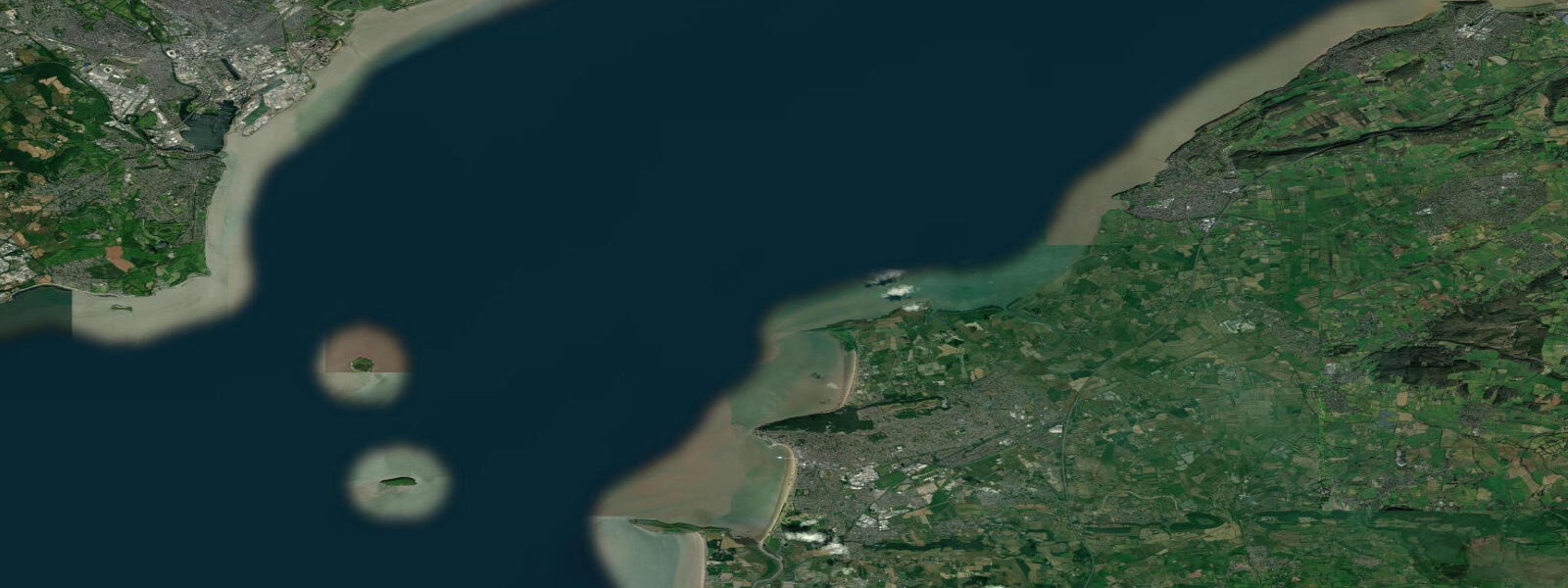
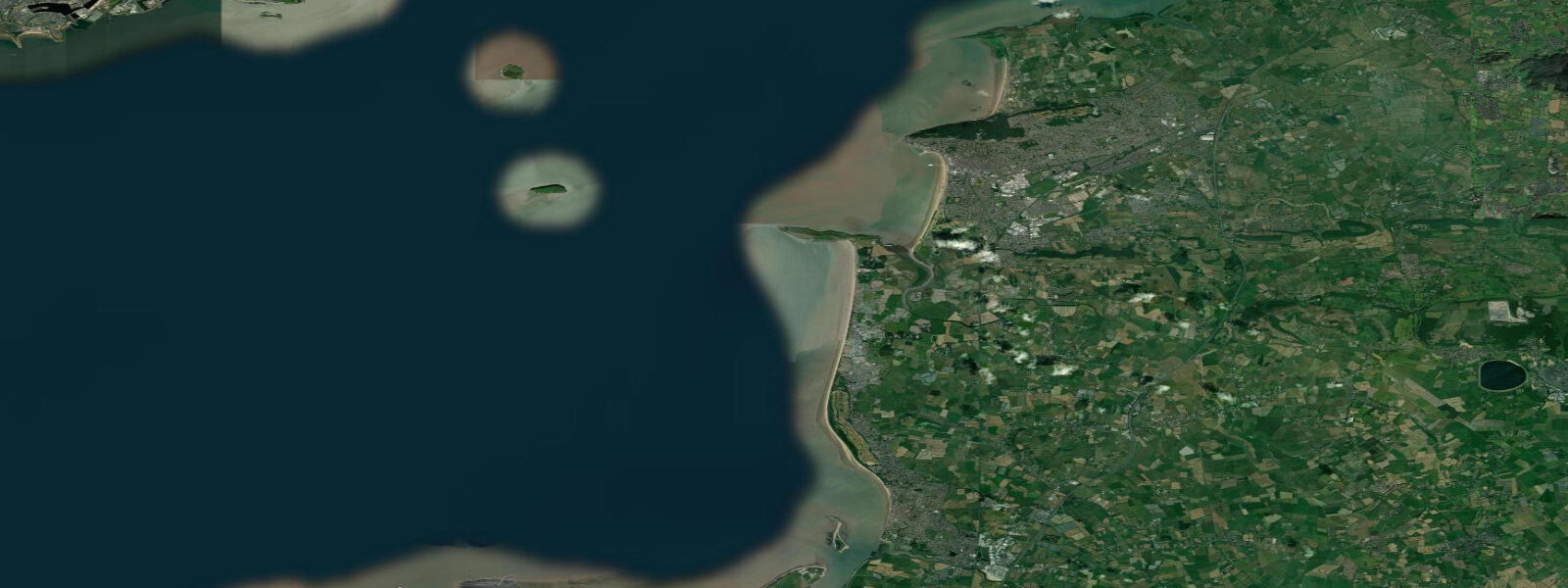
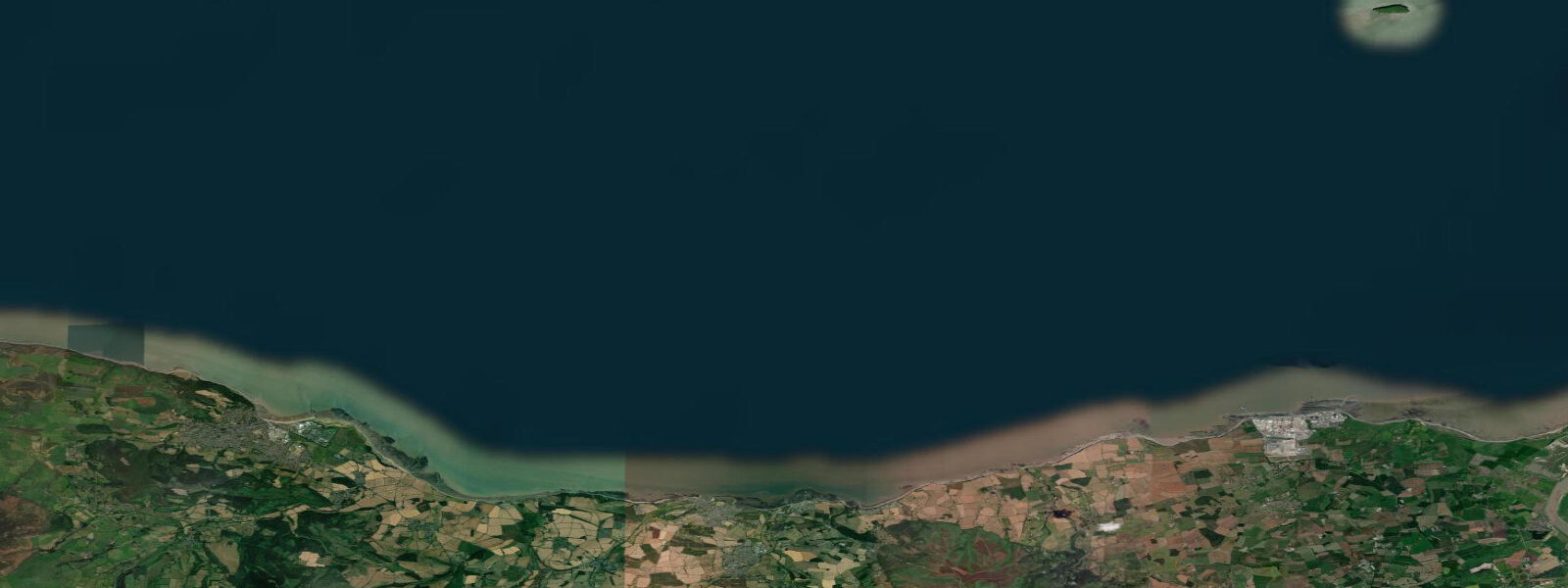
The three closest curated TideTurtle locations to Cardiff, measured by great-circle distance.
Today's solunar windows
Solunar tradition: major periods are the ≈3h windows around moon transit and opposition; minor are ≈2h around moonrise and moonset. Pair with the local tide stage and wind for the best read.
Cycle dates near Cardiff
Next spring tide on Sun 02 Aug (range 9.8m / 32.2ft). Next neap on Thu 06 Aug.
Spring tides cluster around new and full moons (biggest swings). Neap tides land on quarter moons (smallest swings). See the spring tide and neap tide glossary entries for the why.
About tides at Cardiff
A short guide to the coastline at Cardiff — geography, sea state, and what the tide is actually doing under your feet.
Cardiff sits on the northern shore of the Bristol Channel, at the point where the Severn Estuary narrows toward the Severn bridges, and the tidal range here is one of the largest in the world. Spring tides at Cardiff regularly reach 12 to 14 metres between low and high water. To put that in context: at low water springs, the foreshore east and west of Cardiff Bay exposes broad mudflats stretching hundreds of metres from the sea wall; six hours later, the same ground is under several metres of water.
There is no other capital city in Europe where the tidal range is this large, and it shapes everything about how Cardiff's waterfront works. Cardiff Bay itself is now an impounded freshwater lake — the Cardiff Bay Barrage was completed in 1999, sealing the mouths of the Rivers Taff and Ely to create a permanent water level and eliminate the vast mudflat that previously dominated the bay at low tide. The barrage has a fish pass, a lock for vessels wanting to transit between the bay and the open Severn, and sluice gates that discharge freshwater into the estuary.
Outside the barrage, the tidal Severn continues on its natural 12 to 14 metre cycle. The barrage decision was controversial for exactly that reason: the Severn Estuary SSSI, which includes the intertidal mudflats, is one of the most important bird habitats in the UK — tens of thousands of dunlin, knot, redshank, and curlew depend on the mudflats for feeding during winter. The sealed bay removed a significant stretch of that habitat.
What was gained is a stable waterfront suitable for the Senedd (Welsh Parliament), the Wales Millennium Centre, and the marina developments that transformed Cardiff's docklands economy in the 2000s. West of Cardiff, the coast at Barry and Penarth remains openly tidal — the mudflats exposed at low water there give an idea of what the bay's foreshore looked like before the barrage. The spring tide low at Barry or Penarth is a dramatic low, with the foreshore extending far and the channel shipping fairway marked by buoys standing in shallow water between the exposures.
For kayakers and paddleboarders, the tidal currents in the outer Severn are a serious planning consideration. The estuary is not just large — it moves fast. The flood tide coming up the channel from the Bristol Channel carries significant current, and the narrowing funnel geometry accelerates it further.
Experienced sea kayakers paddle the Severn at specific tidal windows, working the eddies and counter-currents behind headlands rather than fighting the main flow. Beginners should stay in the bay on impounded water or paddle close inshore on the ebb with an easy escape route. Anglers fishing the Severn foreshore — from the rocks at Penarth, the shingle at Barry, or the sea walls around Newport further east — time sessions around the flood, when bass, mullet, and flatfish push up over the exposed ground on the rising water.
The massive tidal range means that fishing two hours either side of high water from a fixed mark delivers the most productive intertidal zone access. The low-water rocks also produce good wrasse fishing from accessible rocky ground that would be too deep to fish effectively at high tide. The tidal range affects water temperature too: the exposed mudflats heat rapidly on summer low tides, and the water warming over the flats produces thermal stratification on the flood that can trigger bass feeding activity.
Photographers working the Bristol Channel foreshore learn the tide table as the primary planning tool — the difference between a shot of a vast mudflat under a winter dawn sky and a shot of flat grey water is the six hours between low and high. The wading birds that feed the mudflats at low tide depart before the flood reaches them, and tracking that movement requires knowing exactly where the tide is in its cycle. 3 metres on height.
3 metres of model error is proportionally small — tide height prediction here is relatively reliable in percentage terms even if the absolute uncertainty looks large compared to a microtidal coast. Authoritative data for Cardiff is published by the National Tidal and Sea Level Facility (NTSLF) operating the Cardiff gauge, and in Admiralty Tide Tables volume 1, published by the UK Hydrographic Office.
Tide questions about Cardiff
Quick answers to the most common questions about tide times, range, and water access at Cardiff.
What is the tidal range at Cardiff?
Cardiff has one of the largest tidal ranges in the world. Mean spring range is approximately 12 to 14 metres between low and high water — two complete tidal cycles every day, each with a roughly six-hour rise and six-hour fall. Neap tides, which occur around the first and third quarter moon, reduce the range to around 6 to 7 metres, which is still larger than the spring range at most UK coastal cities. The extreme range is caused by the funnel geometry of the Severn Estuary and Bristol Channel, which amplifies the incoming Atlantic tidal wave as it travels northeast toward the Severn Bridge. This puts Cardiff in a very small group of globally exceptional tidal sites alongside the Bay of Fundy in Canada and Mont-Saint-Michel in France.
When is the next high tide at Cardiff?
The tide table at the top of this page shows today's predicted high and low tide times for Cardiff in local time — GMT in winter, BST (UTC+1) from late March to late October. Cardiff sees two high tides and two low tides every 24 hours and 50 minutes, with each high approximately 12 hours 25 minutes after the previous one. The tide times shift by around 45 to 50 minutes later each day. Predictions here come from Open-Meteo Marine, typically within plus or minus 45 minutes on timing — model-derived rather than from the Cardiff gauge. For critical navigation or safety decisions, use Admiralty Tide Tables volume 1 or the NTSLF published gauge predictions.
Where does Cardiff's tide data come from?
Predictions on this page are generated by Open-Meteo Marine, a global ocean model that produces gridded tide forecasts from harmonic constituent analysis. Accuracy is typically within plus or minus 45 minutes on timing and 0.2 to 0.3 metres on height — useful for general trip planning, not precision navigation. The authoritative Cardiff tide gauge is operated by the National Tidal and Sea Level Facility (NTSLF) as part of the UK National Tide Gauge Network. Official published tide tables for Cardiff are in Admiralty Tide Tables volume 1, produced by the UK Hydrographic Office (UKHO) and updated annually.
Can kayakers and paddleboarders use the water around Cardiff safely?
Inside Cardiff Bay — the impounded freshwater lake behind the Cardiff Bay Barrage — conditions are sheltered and the water level is fixed, making it accessible for beginners and recreational paddlers without tidal considerations. Outside the barrage, in the tidal Severn Estuary, conditions are a different matter. Tidal currents on the flood and ebb can reach several knots in the main channel, and the funnel geometry of the estuary accelerates flow further on spring tides. Experienced sea kayakers do paddle the open Severn, but with careful tidal planning — using eddies, timing departures for slack water, and always having an exit route. Beginners should stay inside the barrage or paddle close inshore at neap tides with experienced supervision.
Is it safe to walk on the mudflats exposed at low tide near Cardiff?
Walking on tidal mudflats in the Severn Estuary requires caution and is not recommended without local knowledge. The mud in some areas is soft enough to trap a person's legs, and the tidal rise is rapid — the 12 to 14 metre spring range means the flood tide can travel across flat ground at walking pace or faster. People have been caught on the flats and rescued by coastguard helicopter. The correct approach is to stay on designated paths and access points, check the tide table before heading onto any foreshore, and never go further than you can clearly and quickly retreat. This is a safety consideration that the RNLI and HM Coastguard flag specifically for the Severn Estuary.
8-day tide table — Cardiff
Heights relative to MSL. Predictions: Open-Meteo Marine (MeteoFrance SMOC, 0.08° grid) — heights relative to MSL (not chart datum / LAT). Model-derived.
| Day | Type | Time | Height |
|---|---|---|---|
| Fri 31 Jul | High | 01:00 | -3.7m / -12.0ft |
| Low | 02:31 | -4.8m / -15.9ft | |
| High | 08:24 | 4.3m / 14.2ft | |
| Low | 14:46 | -4.8m / -15.8ft | |
| High | 20:40 | 4.7m / 15.5ft | |
| Sat 01 Aug | Low | 03:09 | -5.0m / -16.5ft |
| High | 09:00 | 4.4m / 14.5ft | |
| Low | 15:22 | -5.0m / -16.3ft | |
| High | 21:14 | 4.8m / 15.7ft | |
| Sun 02 Aug | Low | 03:44 | -5.1m / -16.8ft |
| High | 09:32 | 4.4m / 14.4ft | |
| Low | 15:56 | -4.9m / -16.2ft | |
| High | 21:49 | 4.7m / 15.4ft | |
| Mon 03 Aug | Low | 04:16 | -4.9m / -16.0ft |
| High | 10:06 | 4.3m / 14.2ft | |
| Low | 16:31 | -4.6m / -15.2ft | |
| High | 22:22 | 4.5m / 14.8ft | |
| Tue 04 Aug | Low | 04:50 | -4.7m / -15.3ft |
| High | 10:43 | 4.1m / 13.5ft | |
| Low | 17:04 | -4.4m / -14.5ft | |
| High | 23:00 | 4.2m / 13.6ft | |
| Wed 05 Aug | Low | 05:25 | -4.5m / -14.7ft |
| High | 11:23 | 3.7m / 12.2ft | |
| Low | 17:42 | -4.2m / -13.8ft | |
| High | 23:45 | 3.7m / 12.0ft | |
| Thu 06 Aug | Low | 06:04 | -4.1m / -13.6ft |
| High | 12:12 | 3.3m / 10.8ft | |
| Low | 18:25 | -3.8m / -12.5ft | |
| Fri 07 Aug | High | 00:00 | 3.0m / 9.7ft |