Weston-super-Mare tide times
Weston-super-Mare tide forecast — heights relative to MSL.
Today's tide times for Weston-super-Mare
Tide times at Weston-super-Mare on Tuesday, 4 August 2026: first high tide at 01:00, first low tide at 04:47, second high tide at 10:40, second low tide at 17:01, third high tide at 22:56. Sunrise 05:39, sunset 20:56.
Tide chart for Weston-super-Mare
24-hour cosine-interpolated curve around the present moment. Heights relative to MSL. Predictions: Predictions: Open-Meteo Marine (MeteoFrance SMOC, 0.08° grid).
Sun, moon and conditions on Tue 04 Aug
Snapshot at build time — refreshes daily. Sea state from Open-Meteo Marine.
Highs and lows next 7 days
Every predicted high and low for the next week, with the daily tidal coefficient (0–120; higher = bigger swing, > 95 means stronger currents).
Other spots nearby
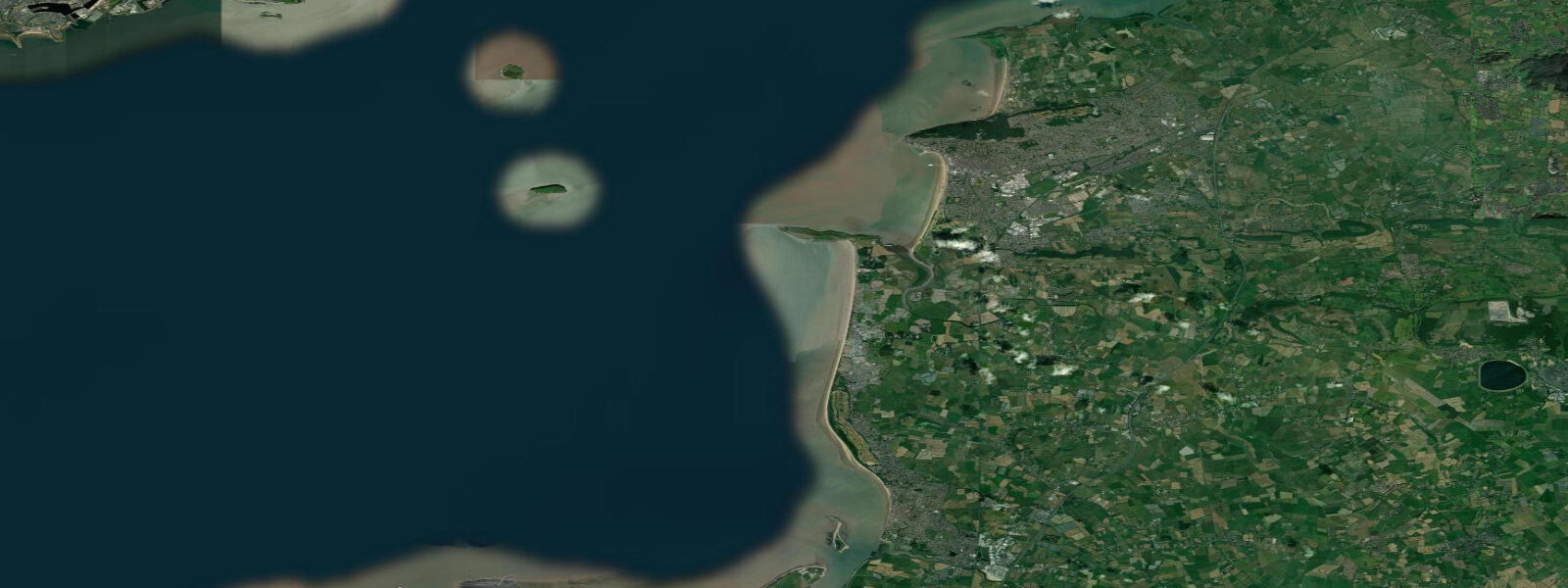
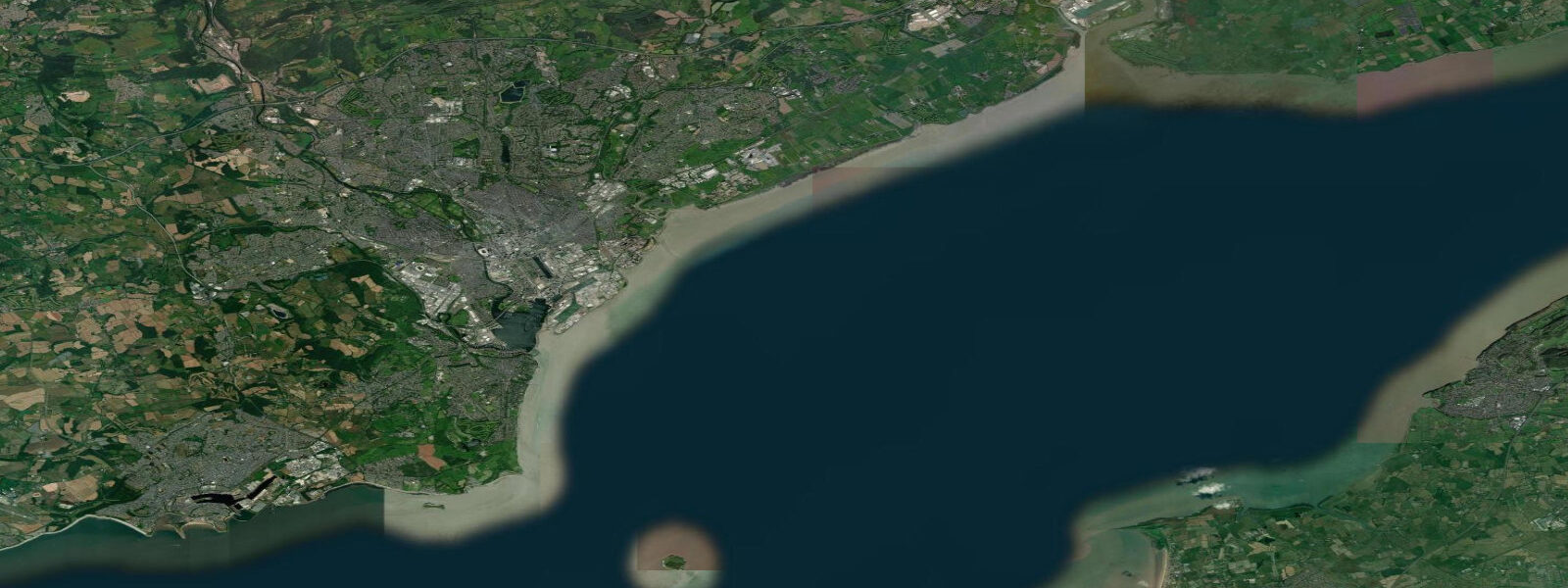
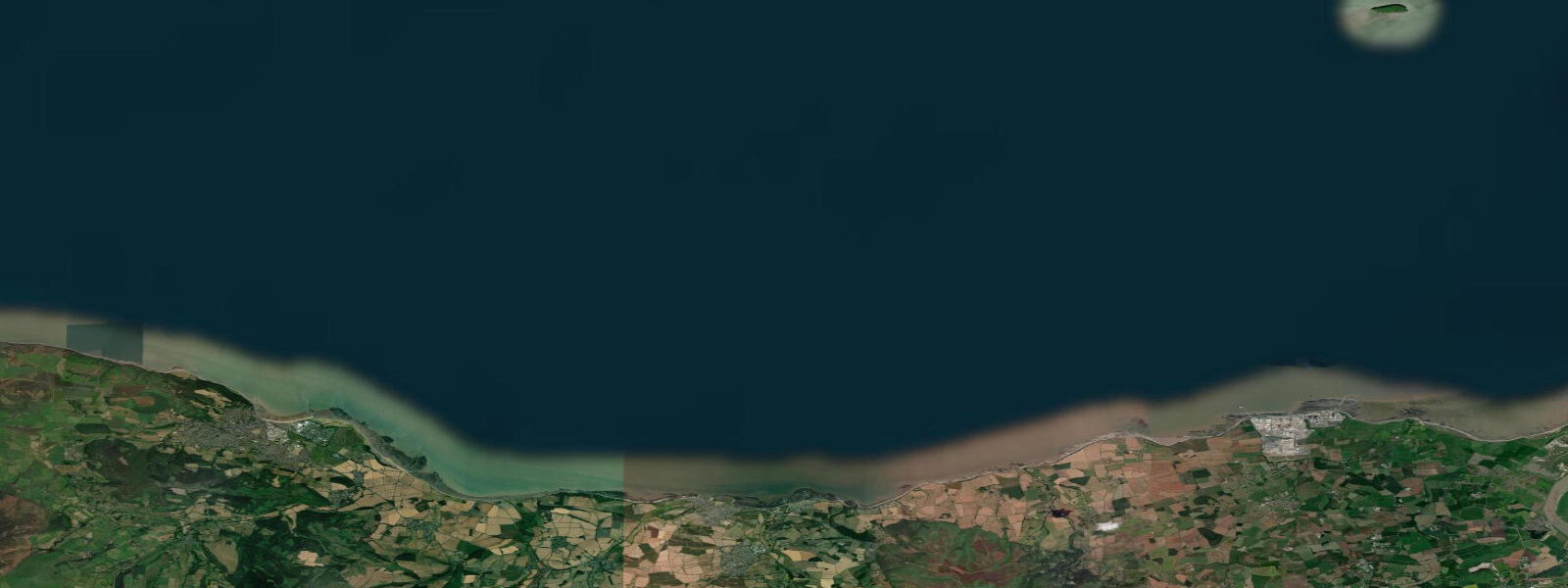
The three closest curated TideTurtle locations to Weston-super-Mare, measured by great-circle distance.
Today's solunar windows
Solunar tradition: major periods are the ≈3h windows around moon transit and opposition; minor are ≈2h around moonrise and moonset. Pair with the local tide stage and wind for the best read.
Cycle dates near Weston-super-Mare
Last spring tide on Tue 04 Aug (range 8.9m / 29.3ft). Next spring tide on Mon 10 Aug (range 7.4m / 24.4ft). Next neap on Sat 08 Aug.
Spring tides cluster around new and full moons (biggest swings). Neap tides land on quarter moons (smallest swings). See the spring tide and neap tide glossary entries for the why.
About tides at Weston-super-Mare
A short guide to the coastline at Weston-super-Mare — geography, sea state, and what the tide is actually doing under your feet.
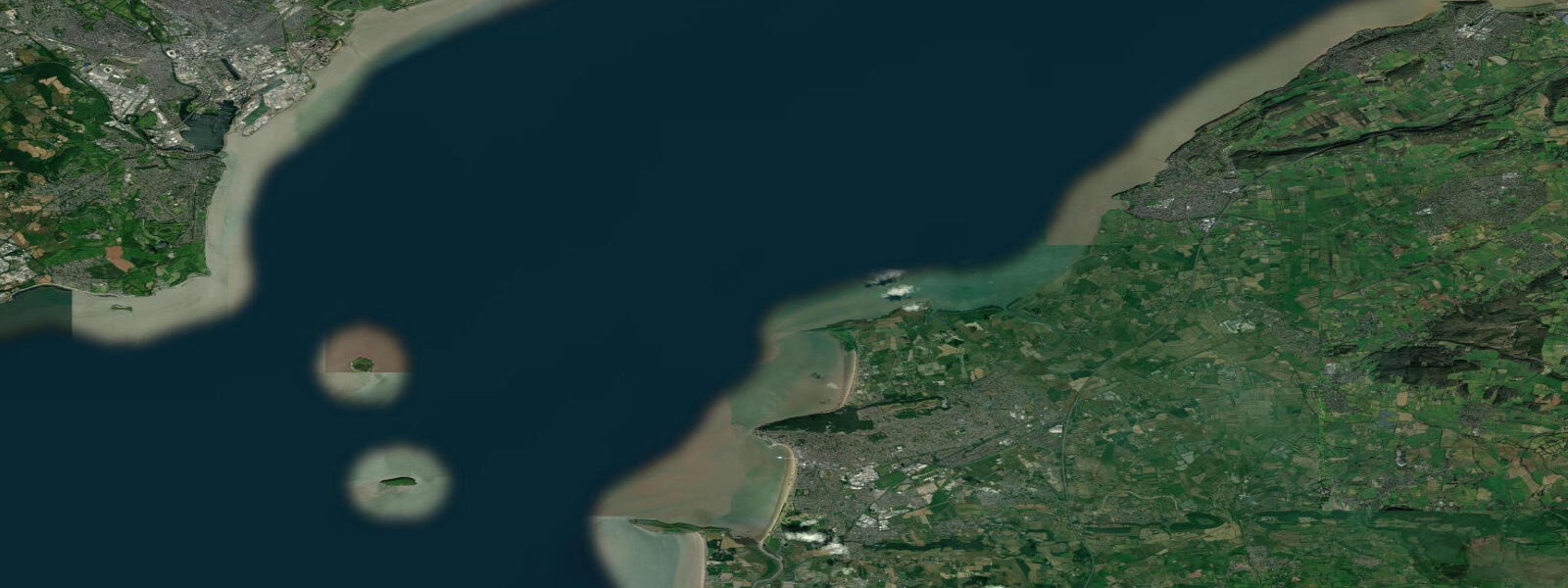
Weston-super-Mare faces the Bristol Channel from a gently curving bay on the Somerset coast, and it has a tidal range that stops most people when they first encounter it. Spring range approximately 12.3 m: the second-highest tidal range in the world, behind only the Bay of Fundy in Nova Scotia. This is not a quirk of local topography — it is the result of the Bristol Channel's funnel geometry producing near-resonance with the 12.4-hour tidal period, generating a standing wave that amplifies the oceanic tidal range by a factor of five or six. The physics here is as dramatic as the scenery.
The beach at Weston is 3 km wide at spring low water. This figure requires context: the sand extends that distance from the top of the beach to the waterline at the lowest spring tides. The incoming flood covers that 3 km in roughly 3 hours — a rate of approximately 1 km per hour across the flat intertidal zone. This is a significant safety consideration. Visitors who walk far out on the sands at low water and linger have been caught by the tide; the sand is firm and the temptation to wander is understandable, but a smart watch and a clear understanding of the forecast low water time are required before venturing beyond 500 m from the promenade. The RNLI and coastguard at Weston respond to walkers caught by the tide every season.
Brean Down, the limestone headland 5 km south of Weston, creates the southern boundary of the bay. On very large spring tides — when atmospheric pressure is low and wind assists — the low water exposes a natural causeway of rock at the base of Brean Down that allows careful walkers to access the headland from the beach. The fort at the tip of Brean Down, a Victorian Palmerston fort built to defend the Bristol Channel, is visible from most of the Weston beach arc. Walk to the fort along the top of the headland (National Trust access) for the full panoramic view of the bay and the spring tidal drainage.
For families, Weston is a classic English seaside resort: the Grand Pier, the donkeys, the Banksy museum (Dismaland occupied the derelict lido site in 2015; the Banksy mural trail remains in the town), the fish and chips on the promenade. The best time to be on the beach is 2–4 hours after high water on a spring day, when the sand has drained, firmed, and warmed enough for sand castles but the waterline is still accessible for paddling. Sand castle competitions happen when the tide has been out long enough to pack the lower sand — the organising clubs check the tide table months ahead.
Kite surfers and windsurfers work Weston beach in the right conditions. The 3-km beach at low spring water provides the longest natural flat-water run in the Bristol Channel; the southwest wind that funnels up the Channel is the preferred direction. The ramps in the southern section of the beach near Birnbeck Island are the main launch points. Birnbeck Pier, the only pier in England built on an island, sits to the northwest of the beach — derelict and under restoration, it is a landmark visible from the whole beach arc.
Birdwatchers find the lower mudflats productive in late summer through winter. The Weston mudflats support dunlin, knot, and golden plover in large numbers as the tide drops; the view of 20,000 dunlin wheeling over the exposed bay on a winter afternoon is one of the underappreciated wildlife spectacles of the Somerset coast.
All tide predictions for Weston-super-Mare come from the Open-Meteo Marine gridded model. Timing accuracy is ±45 minutes; height accuracy is ±0.3 m above Chart Datum.
Tide questions about Weston-super-Mare
Quick answers to the most common questions about tide times, range, and water access at Weston-super-Mare.
Why does Weston-super-Mare have such an extreme tidal range?
The Bristol Channel is a long, narrowing funnel whose dimensions produce near-resonance with the dominant 12.4-hour tidal period. The Atlantic tidal wave enters the Channel mouth and is amplified as the funnel narrows toward the Severn Estuary, increasing the range from about 2 m at the open ocean to 12.3 m at Weston. The Bay of Fundy in Canada is the only place with a higher range (up to 16 m), produced by the same resonance mechanism. The effect is predictable and consistent — Weston's spring range has been essentially the same for as long as records exist.
Is it safe to walk on the sands at low water at Weston-super-Mare?
Walking on the sands is safe within around 500 m of the promenade at low water, provided you know the low water time and leave a 90-minute margin before the predicted low. Beyond 500 m, the return walk of 1 km can take 20–25 minutes across firm sand; the flood advances at approximately 1 km per hour across the flat beach at spring tides. The RNLI respond to walkers caught by the tide every season. Never walk onto the outer sands near Brean Down or the northern end of the bay without a watch, a clear return time, and an understanding of that day's tidal range.
When can I access the Brean Down causeway on foot?
The rock shelf at the base of Brean Down is exposed on the largest spring tides — roughly when the predicted low water falls below 0.5 m above Chart Datum at Weston. These conditions occur on perhaps 8–10 tides per month in the spring-neap cycle. The approach along the beach from Brean village (3 km south of Weston) takes 40 minutes. Allow 90 minutes on the causeway before the flood begins covering the rocks. The National Trust path along the top of Brean Down is always accessible and gives the full panoramic view of the bay without tidal constraint.
Is Weston-super-Mare good for kitesurfing or windsurfing?
Weston beach offers a long flat-water run at spring low water — up to 3 km of exposed sand — and the southwest winds funnelling up the Bristol Channel are consistent in the right season. The main launch area is the southern beach near Birnbeck Island. The best conditions combine a spring low tide (maximum sand width) with a southwest Force 4–5. Incoming flood tides on open flat sand can advance fast; kite surfers must monitor tidal state and have a clear exit route to the high beach. A local instructor or guide is recommended for first-time sessions at Weston.
What is on the Weston-super-Mare seafront beyond the beach?
The Grand Pier (rebuilt 2010 after fire) has rides, arcades, and a café and is one of the most visited piers on the Bristol Channel. The Banksy mural trail runs through the town centre following work created during the Dismaland installation in 2015. The Helicopter Museum at Weston Airport (2 km southeast) has the world's largest collection of civil helicopters. The Weston Museum covers Bristol Channel maritime and natural history. Birnbeck Pier to the northwest — the only English pier built on an offshore island — is closed but undergoing restoration and visible from the beach.
8-day tide table — Weston-super-Mare
Heights relative to MSL. Predictions: Open-Meteo Marine (MeteoFrance SMOC, 0.08° grid) — heights relative to MSL (not chart datum / LAT). Model-derived.
| Day | Type | Time | Height |
|---|---|---|---|
| Tue 04 Aug | High | 01:00 | 0.7m / 2.3ft |
| Low | 04:47 | -4.7m / -15.3ft | |
| High | 10:40 | 4.2m / 13.8ft | |
| Low | 17:01 | -4.4m / -14.5ft | |
| High | 22:56 | 4.3m / 14.0ft | |
| Wed 05 Aug | Low | 05:21 | -4.4m / -14.4ft |
| High | 11:19 | 3.8m / 12.4ft | |
| Low | 17:40 | -4.1m / -13.6ft | |
| High | 23:41 | 3.7m / 12.1ft | |
| Thu 06 Aug | Low | 06:02 | -4.1m / -13.6ft |
| High | 12:08 | 3.4m / 11.1ft | |
| Low | 18:26 | -3.8m / -12.5ft | |
| Fri 07 Aug | High | 00:38 | 3.2m / 10.4ft |
| Low | 06:53 | -3.6m / -12.0ft | |
| High | 13:08 | 2.9m / 9.6ft | |
| Low | 19:22 | -3.3m / -11.0ft | |
| Sat 08 Aug | High | 01:47 | 2.9m / 9.4ft |
| Low | 07:59 | -3.1m / -10.2ft | |
| High | 14:26 | 2.7m / 8.9ft | |
| Low | 20:43 | -2.9m / -9.6ft | |
| Sun 09 Aug | High | 03:10 | 2.7m / 9.0ft |
| Low | 09:27 | -3.0m / -9.8ft | |
| High | 15:52 | 2.9m / 9.4ft | |
| Low | 22:20 | -3.1m / -10.2ft | |
| Mon 10 Aug | High | 04:32 | 3.0m / 9.8ft |
| Low | 11:08 | -3.3m / -10.9ft | |
| High | 17:10 | 3.5m / 11.5ft | |
| Tue 11 Aug | Low | 00:00 | -3.9m / -12.9ft |