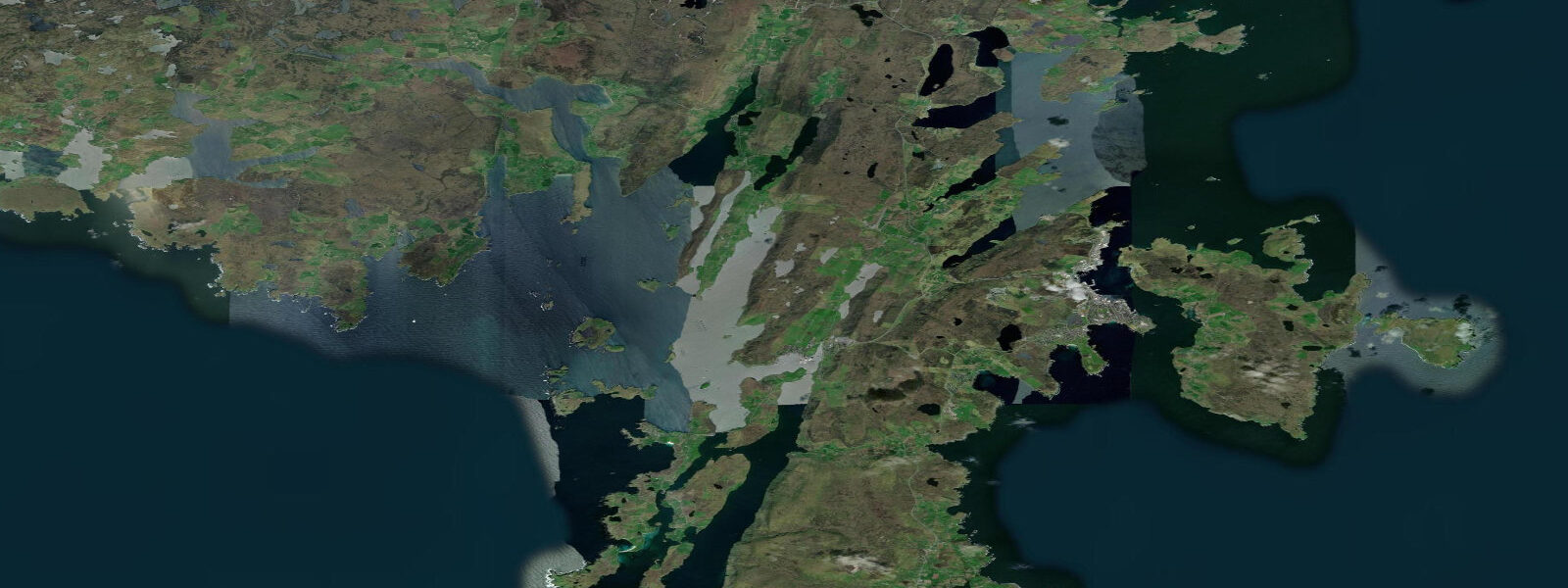
Scalloway tide times
Scalloway tide forecast — heights relative to MSL.
Today's tide times for Scalloway
Tide times at Scalloway on Tuesday, 4 August 2026: first high tide at 01:00, first low tide at 07:02, second high tide at 13:24, second low tide at 19:00. Sunrise 04:49, sunset 21:31.
Tide chart for Scalloway
24-hour cosine-interpolated curve around the present moment. Heights relative to MSL. Predictions: Predictions: Open-Meteo Marine (MeteoFrance SMOC, 0.08° grid).
Sun, moon and conditions on Tue 04 Aug
Snapshot at build time — refreshes daily. Sea state from Open-Meteo Marine.
Highs and lows next 7 days
Every predicted high and low for the next week, with the daily tidal coefficient (0–120; higher = bigger swing, > 95 means stronger currents).
Other spots nearby
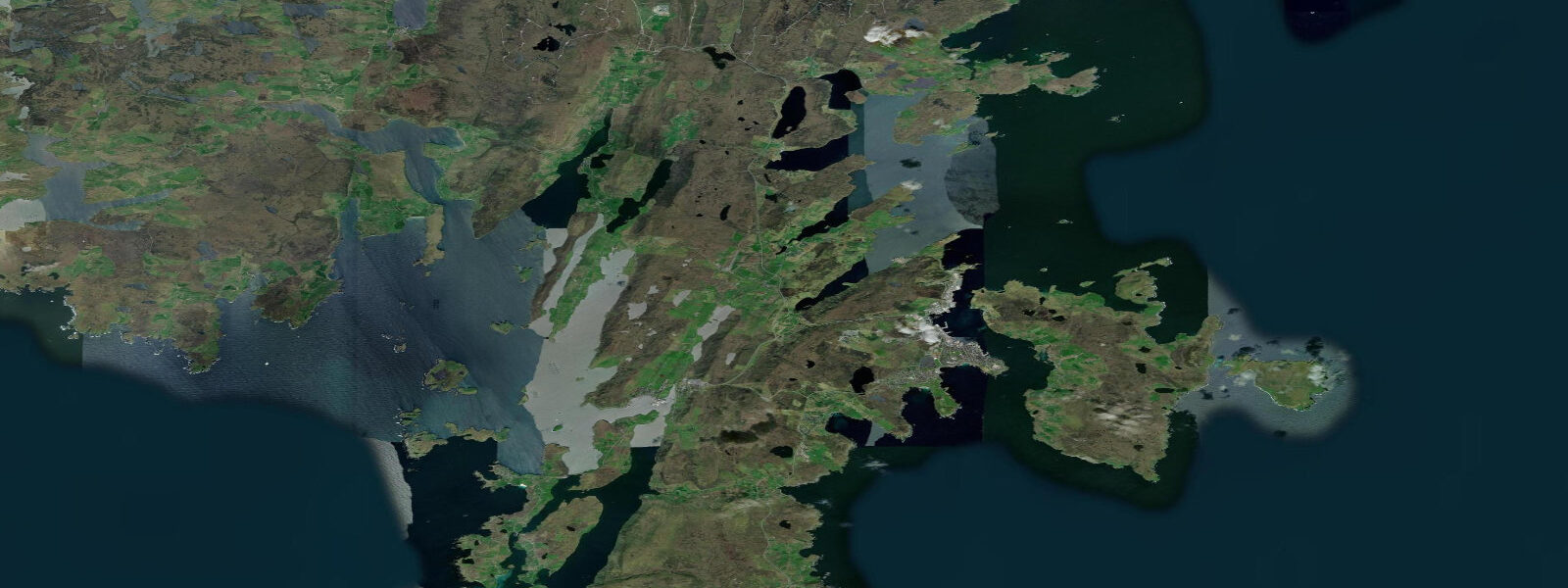
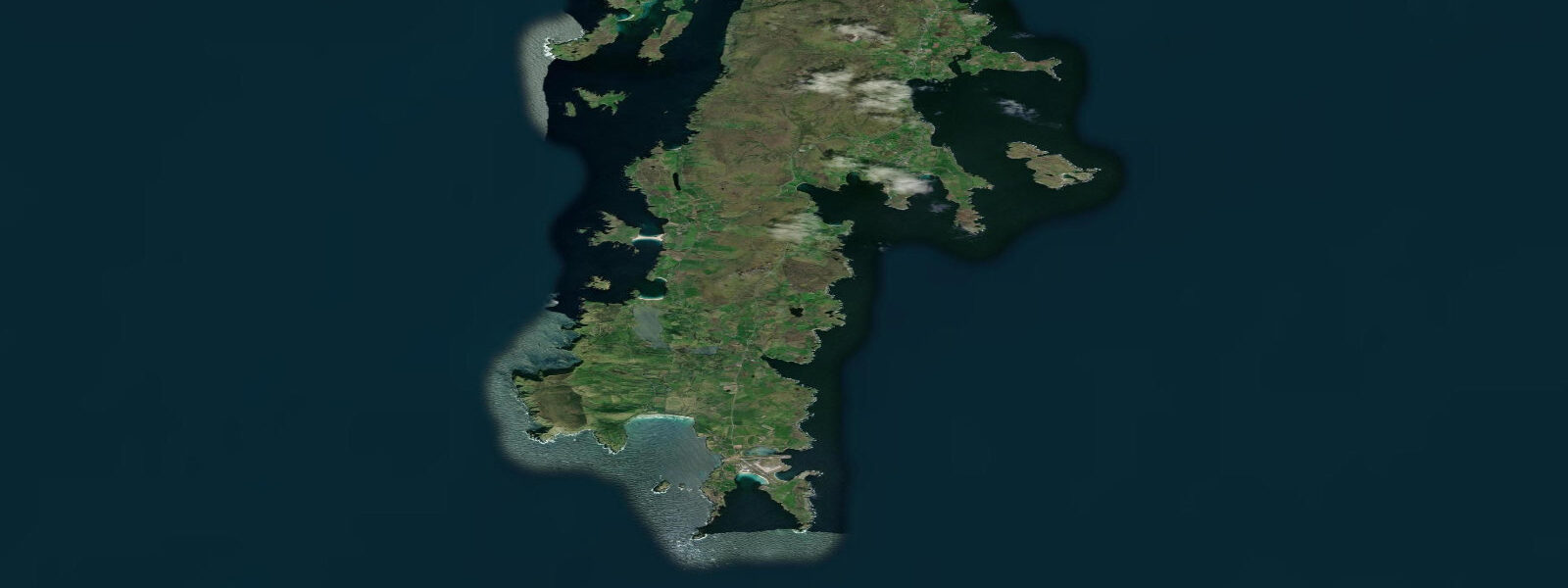
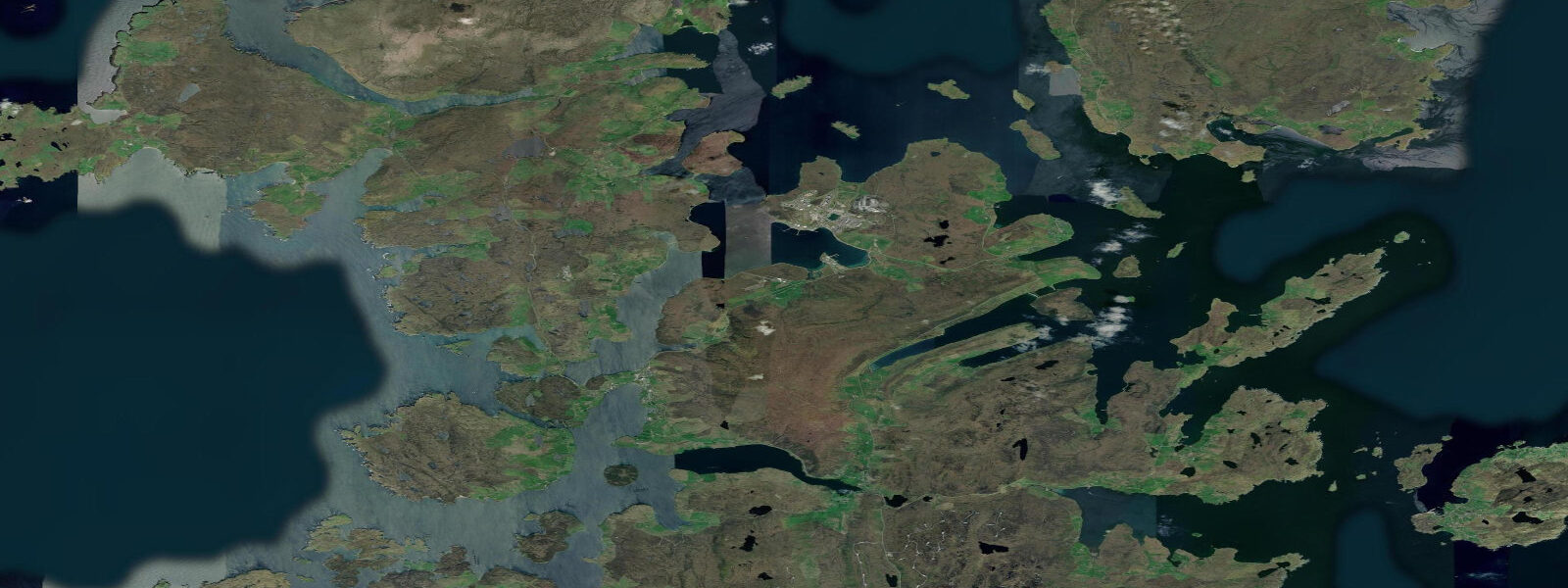
The three closest curated TideTurtle locations to Scalloway, measured by great-circle distance.
Today's solunar windows
Solunar tradition: major periods are the ≈3h windows around moon transit and opposition; minor are ≈2h around moonrise and moonset. Pair with the local tide stage and wind for the best read.
Cycle dates near Scalloway
Last spring tide on Tue 04 Aug (range 1.1m / 3.6ft). Next neap on Fri 07 Aug.
Spring tides cluster around new and full moons (biggest swings). Neap tides land on quarter moons (smallest swings). See the spring tide and neap tide glossary entries for the why.
About tides at Scalloway
A short guide to the coastline at Scalloway — geography, sea state, and what the tide is actually doing under your feet.
Scalloway was Shetland's former capital, sitting on the west side of the Mainland 7 kilometres from Lerwick by road. The town faces west into the complex of islands, voes, and sounds that make up the west Mainland coast, a landscape more sheltered than the open Atlantic cliffs further west but still exposed to the prevailing swell from the southwest in winter. Spring tidal range at Scalloway is 1.4 metres above Chart Datum — marginally less than Lerwick on the east side. Tidal streams in the Scalloway harbour approaches run at 1 to 2 knots at springs.
Scalloway Castle is the dominant visual feature of the town — a four-storey early 17th-century tower house built in 1600 by Patrick Stewart, the tyrannical Earl of Orkney and Shetland, who used forced crofter labour for its construction and was executed for treason in 1615. The castle is roofless but largely intact, its sandstone walls standing directly above the waterfront. Historic Environment Scotland manages the site; access is free. The castle is best photographed at low tide in evening light when the shadows define the stonework and the harbour boats sit grounded on the exposed shingle below.
The Shetland Bus was one of the most remarkable clandestine operations of the Second World War. Between 1941 and 1945, a small fleet of Norwegian fishing boats based at Scalloway made over 200 round trips across the 600-kilometre North Sea to occupied Norway, delivering agents, weapons, and radio equipment to the Norwegian resistance and returning with refugees and intelligence. The operation was run from a base in Scalloway harbour by the British Special Operations Executive and the US Office of Strategic Services. Losses were significant — boats and crews were lost to German patrols and North Sea storms. The Scalloway Museum on Main Street documents the operation in detail and is the best single resource on this history in the UK.
The harbour at Scalloway is a working fishing harbour with a fish processing plant and a small boat-building tradition. The Scalloway Boating Club maintains a fleet of traditional Shetland models — six-oared wooden boats that reflect Norse small-boat building heritage. Summer regattas bring these boats out on the voe; the rowing technique is distinct from standard competitive rowing. The voe itself is a sheltered, productive stretch of water with the islands of Trondra and Burra connected by bridge to the south.
The voe's rocky margins are productive fishing ground for small boats. Pollock and coalfish are taken from the pier and the rocks around the harbour entrance at most states of tide on lures. Seals haul out on the rocky islands at the southern end of the voe and can be observed from the road on the west side of the harbour without disturbance. Grey seals and common seals both use the Scalloway islands; numbers increase in autumn when pups begin to appear on exposed rocks.
The approach road from Lerwick crosses the central Mainland and gives views over the East Voe of Quarff. The west side of Shetland seen from the Scalloway road shows the characteristic Shetland patchwork of small crofts, moorland, and lochans. Red-throated divers that nest on Shetland's inland lochs in summer fly between their nesting lochs and the sea coast to feed; they are regularly visible from the road as they cross overhead with a fast, direct flight. The lochs hold brown trout that are fished by permit from the Scalloway Hotel and from the Shetland Angling Association. In autumn, the moorland above the town carries good numbers of golden plover before they move south for winter.
Tidal predictions here use the Open-Meteo Marine gridded model (±45 minutes on timing, ±0.3 m on height). Not for navigation.
Tide questions about Scalloway
Quick answers to the most common questions about tide times, range, and water access at Scalloway.
What is Scalloway Castle and can I visit it?
Scalloway Castle is a four-storey tower house built in 1600 by Patrick Stewart, Earl of Orkney, using forced labour from the local crofting population. Stewart was executed for treason and rebellion in 1615, and the castle fell into disuse. The roofless structure is largely intact and managed by Historic Environment Scotland. Access is free; a key is available from a nearby property to enter the ground floor. The castle stands directly above the harbour waterfront — walk along the main street to the waterfront end. Evening low tide gives the best photographic conditions when the harbour boats ground and the sandstone walls catch the low western light.
What was the Shetland Bus operation?
The Shetland Bus was a clandestine Second World War operation run from Scalloway between 1941 and 1945. Norwegian fishing vessels made over 200 crossings of the North Sea to occupied Norway, carrying SOE and OSS agents, weapons, and supplies to the resistance, and evacuating refugees. The 600-kilometre crossing was made in all weathers in small wooden boats to maintain the appearance of normal fishing traffic. Losses were significant — several crews and boats were lost to German patrols and North Sea storms. The Scalloway Museum on Main Street documents the operation thoroughly and is highly recommended.
What wildlife can I see around Scalloway?
Seals are the most reliably-seen wildlife at Scalloway. Grey and common seals haul out on the rocky islands at the southern end of the voe and can be observed from the road on the west side of the harbour without disturbance. Otters use the kelp-covered rocks around the voe edge and are seen at low water. Red-throated divers fly between their inland nesting lochs and the sea coast throughout summer — the call is distinctive and audible from a distance. The islands in the voe hold breeding eider ducks and shags. The moorland above the town supports curlew, golden plover, and occasional merlin.
What fishing is available from Scalloway?
Pollock and coalfish are the main catches from the Scalloway pier and the rocks at the harbour entrance, taken on lures and feathers from June through October. The voe produces flatfish — flounder — in the shallow areas at the head of the inlet on the incoming tide. Small boats have access to the sounds and islands to the south where ling, cod, and large pollock are taken on pirks in deeper water. Mackerel run through the Scalloway approaches from July. The fish processing plant on the harbour quay handles commercial catches and sometimes has fresh fish available for direct purchase.
How does Scalloway compare to Lerwick as a base for exploring Shetland?
Scalloway is quieter and more intimate than Lerwick, with fewer facilities but a stronger sense of the working fishing community. Lerwick has the main supermarkets, ferry terminal, museum, and most accommodation options. Scalloway offers the castle, the Shetland Bus museum, and easier access to the west Mainland coast, west voes, and the island of Trondra (connected by bridge). The 7-kilometre road between the two is fast and most visitors stay in Lerwick and make Scalloway a day trip. For kayakers and small-boat sailors, Scalloway's western island complex offers more sheltered water than the Lerwick Sound of Bressay.
8-day tide table — Scalloway
Heights relative to MSL. Predictions: Open-Meteo Marine (MeteoFrance SMOC, 0.08° grid) — heights relative to MSL (not chart datum / LAT). Model-derived.
| Day | Type | Time | Height |
|---|---|---|---|
| Tue 04 Aug | High | 01:00 | 0.1m / 0.3ft |
| Low | 07:02 | -1.0m / -3.3ft | |
| High | 13:24 | -0.1m / -0.4ft | |
| Low | 19:00 | -0.8m / -2.7ft | |
| Wed 05 Aug | High | 01:20 | 0.1m / 0.3ft |
| Low | 07:43 | -0.9m / -2.9ft | |
| High | 14:07 | -0.1m / -0.3ft | |
| Low | 19:51 | -0.7m / -2.4ft | |
| Thu 06 Aug | High | 02:05 | 0.0m / 0.1ft |
| Low | 08:26 | -0.9m / -2.8ft | |
| High | 14:50 | -0.2m / -0.5ft | |
| Low | 20:48 | -0.7m / -2.4ft | |
| Fri 07 Aug | High | 03:07 | -0.1m / -0.4ft |
| Low | 09:25 | -0.8m / -2.5ft | |
| High | 16:00 | -0.2m / -0.5ft | |
| Low | 22:00 | -0.6m / -2.1ft | |
| Sat 08 Aug | — | ||
| Sun 09 Aug | High | 07:06 | 0.1m / 0.2ft |
| Low | 12:50 | -0.6m / -1.9ft | |
| High | 19:39 | 0.1m / 0.5ft | |
| Mon 10 Aug | Low | 01:48 | -0.7m / -2.3ft |
| High | 08:16 | 0.1m / 0.2ft | |
| Low | 13:56 | -0.7m / -2.2ft | |
| High | 20:33 | 0.2m / 0.6ft | |
| Tue 11 Aug | Low | 00:00 | -0.6m / -1.9ft |