Westray tide times
Westray tide forecast — heights relative to MSL.
Today's tide times for Westray
Tide times at Westray on Tuesday, 4 August 2026: first high tide at 01:00, first low tide at 06:40, second high tide at 12:55, second low tide at 18:50. Sunrise 05:01, sunset 21:32.
Tide chart for Westray
24-hour cosine-interpolated curve around the present moment. Heights relative to MSL. Predictions: Predictions: Open-Meteo Marine (MeteoFrance SMOC, 0.08° grid).
Sun, moon and conditions on Tue 04 Aug
Snapshot at build time — refreshes daily. Sea state from Open-Meteo Marine.
Highs and lows next 7 days
Every predicted high and low for the next week, with the daily tidal coefficient (0–120; higher = bigger swing, > 95 means stronger currents).
Other spots nearby
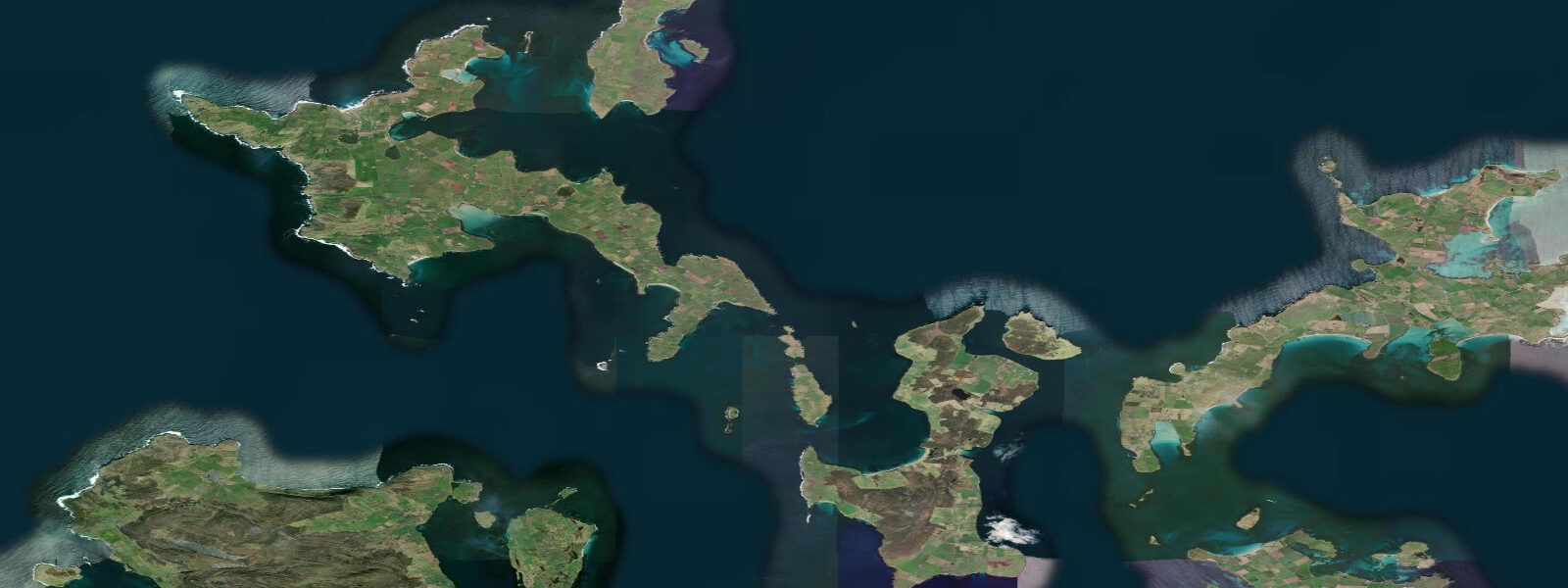
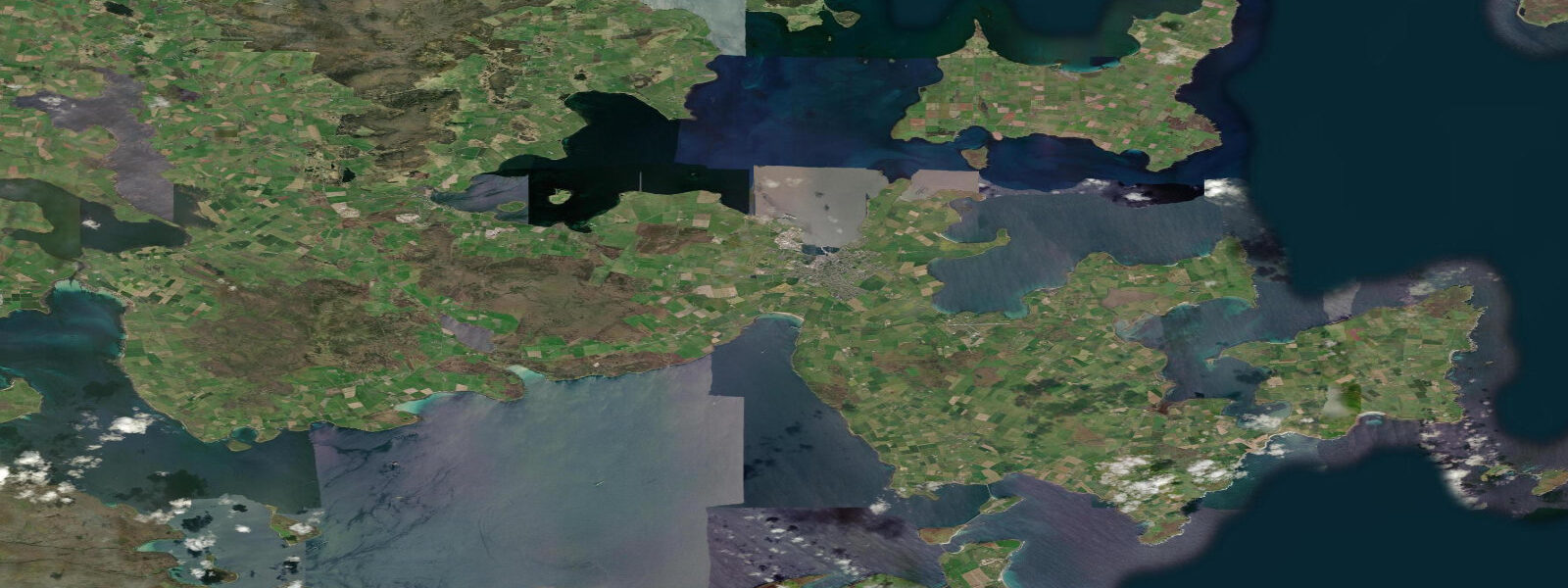
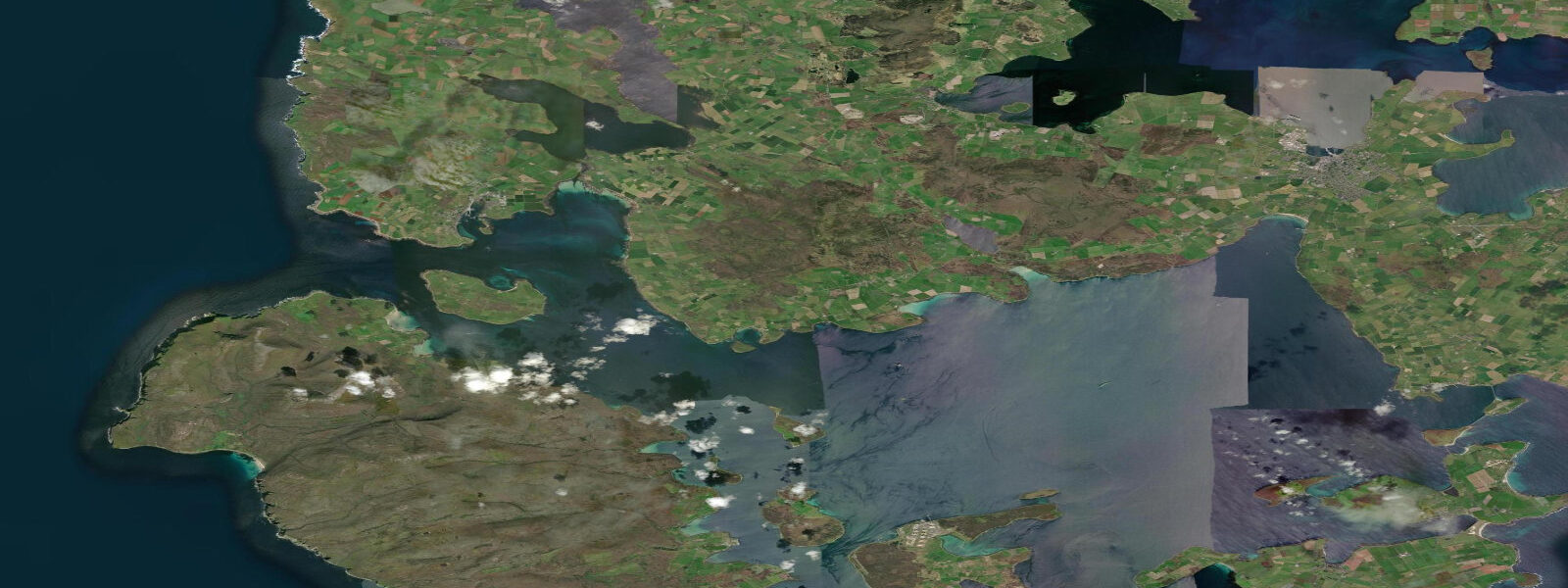
The three closest curated TideTurtle locations to Westray, measured by great-circle distance.
Today's solunar windows
Solunar tradition: major periods are the ≈3h windows around moon transit and opposition; minor are ≈2h around moonrise and moonset. Pair with the local tide stage and wind for the best read.
Cycle dates near Westray
Last spring tide on Tue 04 Aug (range 2.6m / 8.5ft). Next spring tide on Mon 10 Aug (range 2.1m / 6.8ft). Next neap on Sat 08 Aug.
Spring tides cluster around new and full moons (biggest swings). Neap tides land on quarter moons (smallest swings). See the spring tide and neap tide glossary entries for the why.
About tides at Westray
A short guide to the coastline at Westray — geography, sea state, and what the tide is actually doing under your feet.
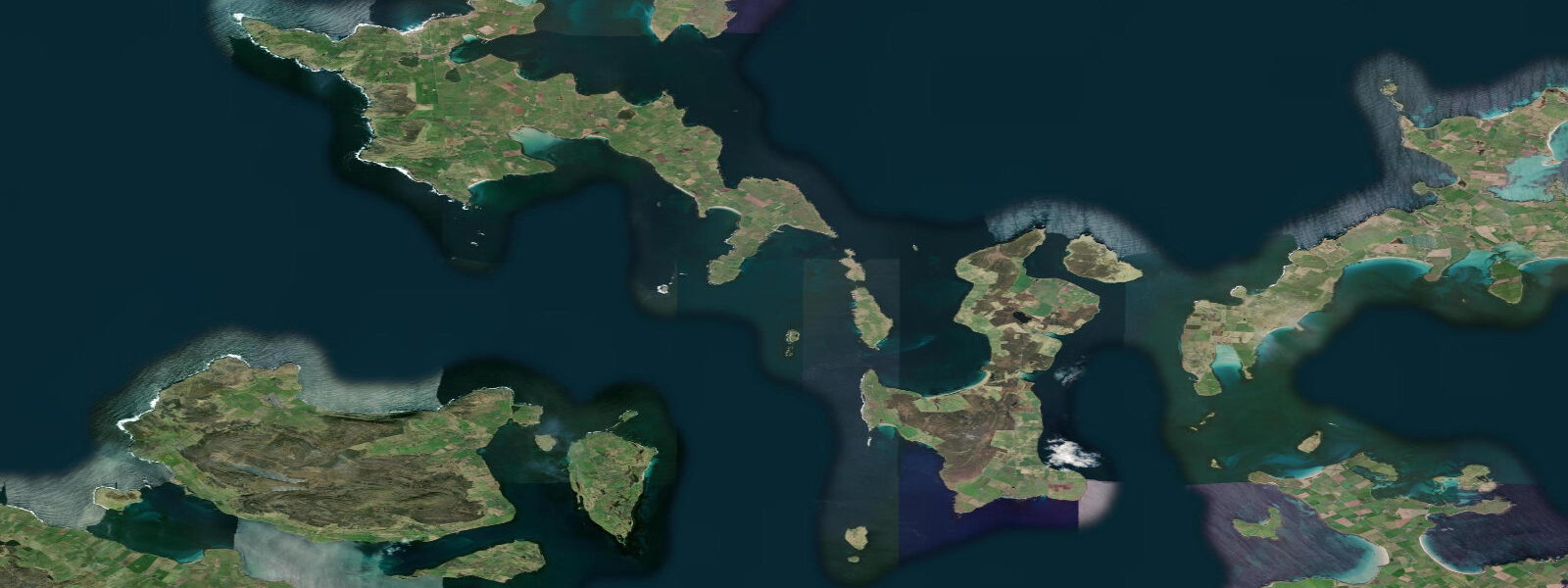
Westray is the largest of Orkney's northern islands, 15 km north of the Mainland across Westray Firth, with an Atlantic-exposed west coast and a more sheltered eastern shore facing Sanday Sound. The spring tidal range at Westray is approximately 2.5 m. The firth crossings to the Mainland and between the northern islands run strong tidal streams — Westray Firth peaks at 3–4 knots on spring tides — and the Atlantic west coast of the island is swell-exposed in a way that the inner Orcadian sounds are not. The island's geography presents two very different coastal environments within a few kilometres of each other.
Noup Head, at the northwest corner of Westray, is one of the most important seabird colonies in Britain. The RSPB reserve at Noup Head holds over 100,000 guillemots breeding on the sea cliffs in summer, alongside razorbill, puffin, kittiwake, and fulmar. The cliffs rise to 75 m above the Atlantic and face directly west; on days when an Atlantic groundswell is running, the sound and spray from the cliff base are overwhelming. The best viewing is from the cliff-top path in the RSPB reserve — the birds are close enough to photograph without a long lens in the breeding season (May through July). Access is by a minor road from the village of Noup; the 3 km cliff walk from Noup Head south to the Point of Noup and back is the standard route.
The island's only ferry runs from Pierowall on the east coast to Rapness at the southern tip, connecting with the Kirkwall–Westray ferry service operated by Orkney Ferries. The ferry route from Kirkwall to Westray crosses Westray Firth, where the 3–4 knot spring current produces a noticeable set on the ferry's course — navigation on the firth in small craft requires a substantial ferry glide to maintain the desired ground track. Kayakers crossing from the Mainland to Westray use the neap tides and slack water windows; the crossing is approximately 15 km from Evie to Westray.
The Bay of Pierowall, on Westray's northeast coast, is the main sheltered anchorage and the location of the village, pier, and most of the island's facilities. Boats using Pierowall are protected from southwest and west wind by the island's bulk; northeast and east swells can enter the bay. The ferry pier gives access at all states of tide for the Orkney Ferries vessel. Visiting yachts anchor in the bay in moderate holding; the tidal stream in the bay runs 1–1.5 knots on springs.
Papa Westray, the tiny island immediately north of Westray, is served by a 2-minute scheduled flight from Westray airport — the world's shortest scheduled commercial air service. The Loganair Twin Otter covers the 2.7 km between the two islands; the service primarily exists for the 70 residents of Papa Westray who would otherwise depend entirely on the ferry. The ferry from Westray to Papa Westray takes 25 minutes. Both islands have Neolithic remains: the Knap of Howar on Papa Westray is the oldest preserved stone house in northern Europe, dating to 3700 BC.
The Westray Wife — a 5,000-year-old carved stone figurine found during excavations at the Links of Noltland Neolithic site — is one of the most significant Neolithic artefacts found in Britain. The original is in Kirkwall Museum; a replica is displayed at Westray Heritage Centre in Pierowall. The Links of Noltland site, still being excavated, continues to produce finds that reshape understanding of Neolithic Orkney.
Pierowall village is the social and commercial hub of Westray: the school, the pub, the post office, and the Westray Heritage Centre (housing replicas of the Westray Wife and other Neolithic finds) are all within 300 m of each other on the east shore of the Bay of Pierowall. The bay faces east across Westray Firth toward Rousay island; at low spring tide the inner bay shallows to less than 0.5 m and exposes firm sand suitable for beach walking and bird watching. Oystercatcher, redshank, and curlew work the intertidal zone year-round; migrant waders in autumn (August–October) include smaller numbers of purple sandpiper, sanderling, and occasional American vagrants driven across the Atlantic by autumn storms. All tide predictions for Westray come from the Open-Meteo Marine gridded model. Timing accuracy is ±45 minutes; height accuracy is ±0.3 m above Chart Datum.
Tide questions about Westray
Quick answers to the most common questions about tide times, range, and water access at Westray.
When is the best time to visit Noup Head for seabirds?
The peak breeding period at Noup Head RSPB reserve is May through July. Guillemots, razorbills, and kittiwakes are on the cliffs in greatest numbers in June; puffins are present from late April through July. The reserve is open year-round with free access on foot. Visit in the morning when the birds are most active and the Atlantic light on the cliff face is best (west-facing, good light in the afternoon). The cliff walk from Noup Head lighthouse south to the Point of Noup takes 60–90 minutes return. No facilities on the headland — carry water and wear windproof clothing regardless of the forecast.
How do I reach Westray from Kirkwall?
Orkney Ferries operates the Kirkwall–Westray route, with 1–2 sailings daily depending on the season. The crossing takes approximately 1 hour 40 minutes and crosses Westray Firth where spring tidal streams run 3–4 knots — the ferry handles these without difficulty. Loganair also flies Kirkwall–Westray in approximately 15 minutes; fares are reasonable and the route is one of the most scenic short flights in the UK. Book ferries well ahead in summer. Bicycles and cars can be taken on the ferry; the island roads are quiet and cycling is a practical way to reach Noup Head from Pierowall.
What is the world's shortest scheduled flight and how do I take it?
The Loganair service between Westray and Papa Westray airports covers 2.7 km and takes approximately 2 minutes in the air. The service was established to provide an air link for Papa Westray's 70 residents who would otherwise be dependent on the ferry. Tickets are sold through Loganair; the fare is modest and the experience is unique. The Britten-Norman Islander or Twin Otter aircraft used on the route carries 8 passengers. The flight is weather-dependent and the two-minute duration is achieved only in ideal wind conditions — headwind or diversion routing extends it to 5–6 minutes.
Is it safe for kayakers to cross Westray Firth from the Mainland?
The Westray Firth crossing from Evie on the Mainland to Westray is approximately 15 km across open water with spring tidal streams of 3–4 knots. It is a serious open-water sea kayak passage requiring advanced sea kayak skills, coastal navigation, accurate weather forecasting, and robust safety arrangements (VHF, flares, float plan). Do not attempt the crossing independently without the above. Slack water windows at neap tides are the standard crossing time — a 45–60 minute slack on neaps allows safe crossing before the stream resumes. Guided sea kayak tours operate in Orkney from experienced local operators.
What Neolithic sites are on Westray and Papa Westray?
The Links of Noltland Neolithic settlement on Westray is an ongoing excavation producing significant finds including the Westray Wife figurine — one of the earliest representations of the human form found in Britain. Pierowall Heritage Centre has replica displays. On Papa Westray, the Knap of Howar (3700 BC) is the oldest standing stone house in northern Europe — two linked stone-built rooms on the shore, preserved because blown sand buried and protected them. Both sites are free access year-round. The Papa Westray site is particularly affecting: the doorways and room divisions are intact, the stone shelves are still in place.
8-day tide table — Westray
Heights relative to MSL. Predictions: Open-Meteo Marine (MeteoFrance SMOC, 0.08° grid) — heights relative to MSL (not chart datum / LAT). Model-derived.
| Day | Type | Time | Height |
|---|---|---|---|
| Tue 04 Aug | High | 01:00 | 0.8m / 2.6ft |
| Low | 06:40 | -1.8m / -5.9ft | |
| High | 12:55 | 0.5m / 1.7ft | |
| Low | 18:50 | -1.4m / -4.5ft | |
| Wed 05 Aug | High | 00:52 | 0.8m / 2.5ft |
| Low | 07:25 | -1.6m / -5.2ft | |
| High | 13:36 | 0.4m / 1.5ft | |
| Low | 19:41 | -1.3m / -4.1ft | |
| Thu 06 Aug | High | 01:37 | 0.6m / 1.8ft |
| Low | 08:20 | -1.5m / -4.8ft | |
| High | 14:33 | 0.3m / 0.9ft | |
| Low | 20:43 | -1.2m / -3.8ft | |
| Fri 07 Aug | High | 02:47 | 0.4m / 1.3ft |
| Low | 09:27 | -1.2m / -4.0ft | |
| High | 15:45 | 0.3m / 1.0ft | |
| Low | 22:00 | -1.0m / -3.1ft | |
| Sat 08 Aug | High | 04:20 | 0.5m / 1.5ft |
| Low | 10:45 | -1.0m / -3.1ft | |
| High | 17:20 | 0.5m / 1.7ft | |
| Low | 23:25 | -0.9m / -3.0ft | |
| Sun 09 Aug | High | 06:02 | 0.7m / 2.1ft |
| Low | 12:05 | -1.0m / -3.2ft | |
| High | 18:40 | 0.7m / 2.2ft | |
| Mon 10 Aug | Low | 00:42 | -1.2m / -3.9ft |
| High | 07:20 | 0.7m / 2.3ft | |
| Low | 13:10 | -1.3m / -4.1ft | |
| High | 19:35 | 0.8m / 2.7ft | |
| Tue 11 Aug | Low | 00:00 | -1.1m / -3.7ft |