Hoy, Orkney tide times
Hoy, Orkney tide forecast — heights relative to MSL.
Today's tide times for Hoy, Orkney
Tide times at Hoy, Orkney on Tuesday, 4 August 2026: first high tide at 01:00, first low tide at 06:42, second high tide at 12:54, second low tide at 18:51. Sunrise 05:05, sunset 21:31.
Tide chart for Hoy, Orkney
24-hour cosine-interpolated curve around the present moment. Heights relative to MSL. Predictions: Predictions: Open-Meteo Marine (MeteoFrance SMOC, 0.08° grid).
Sun, moon and conditions on Tue 04 Aug
Snapshot at build time — refreshes daily. Sea state from Open-Meteo Marine.
Highs and lows next 7 days
Every predicted high and low for the next week, with the daily tidal coefficient (0–120; higher = bigger swing, > 95 means stronger currents).
Other spots nearby
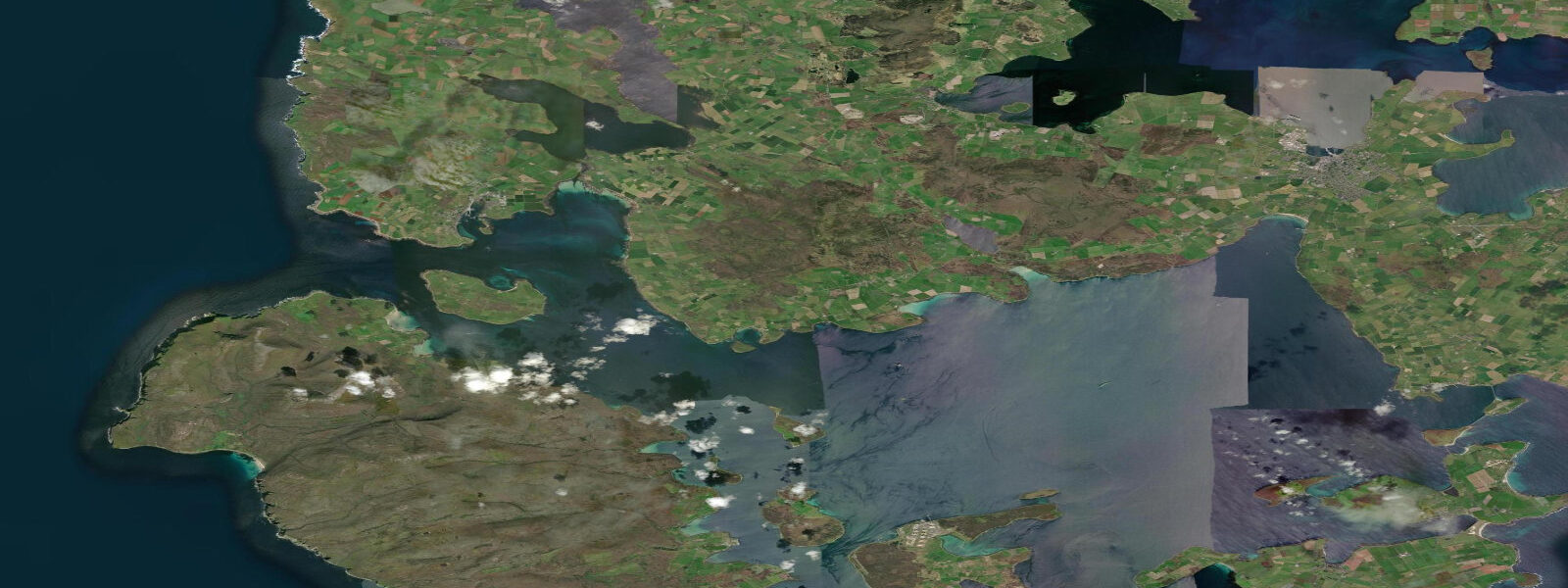
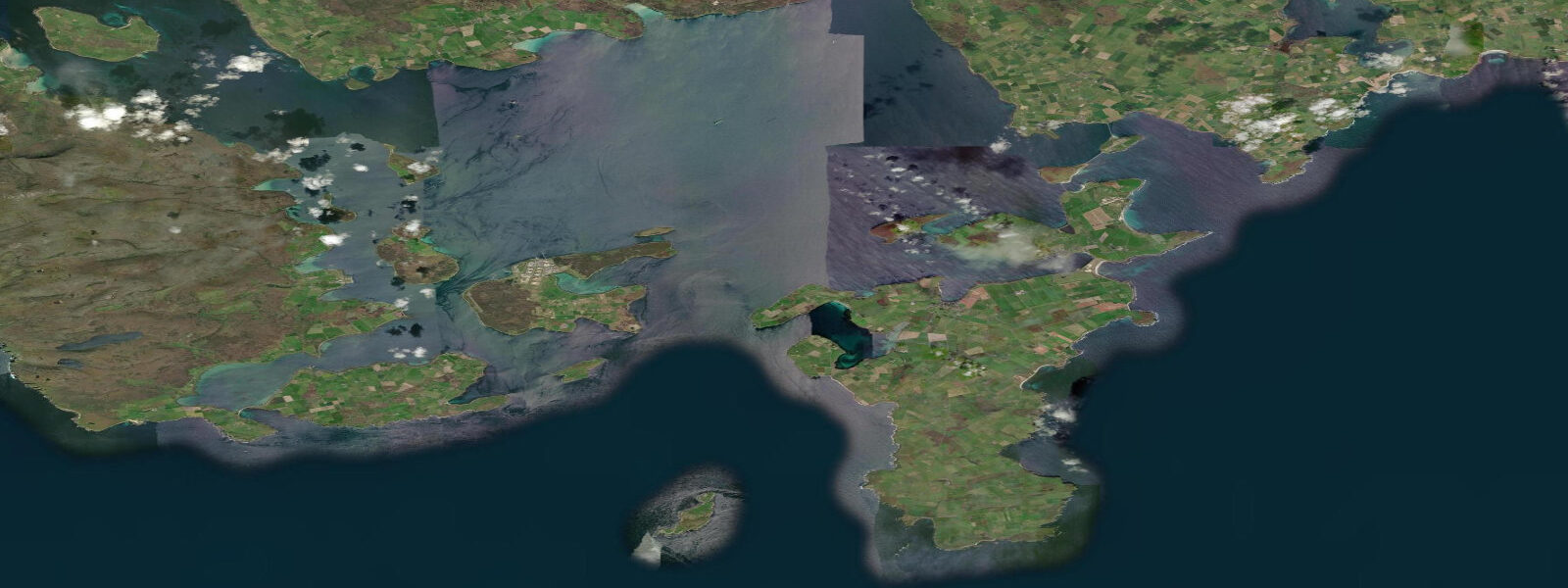
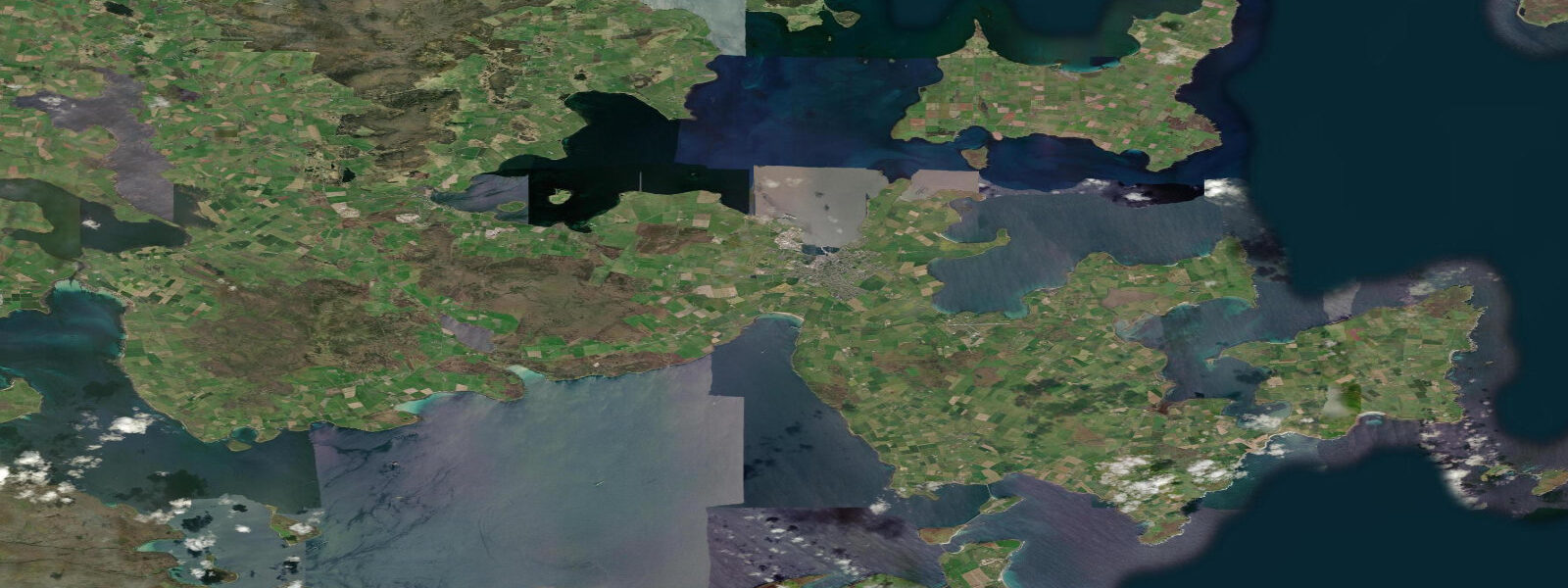
The three closest curated TideTurtle locations to Hoy, Orkney, measured by great-circle distance.
Today's solunar windows
Solunar tradition: major periods are the ≈3h windows around moon transit and opposition; minor are ≈2h around moonrise and moonset. Pair with the local tide stage and wind for the best read.
Cycle dates near Hoy, Orkney
Last spring tide on Tue 04 Aug (range 2.6m / 8.6ft). Next spring tide on Mon 10 Aug (range 2.1m / 7.0ft). Next neap on Sat 08 Aug.
Spring tides cluster around new and full moons (biggest swings). Neap tides land on quarter moons (smallest swings). See the spring tide and neap tide glossary entries for the why.
About tides at Hoy, Orkney
A short guide to the coastline at Hoy, Orkney — geography, sea state, and what the tide is actually doing under your feet.
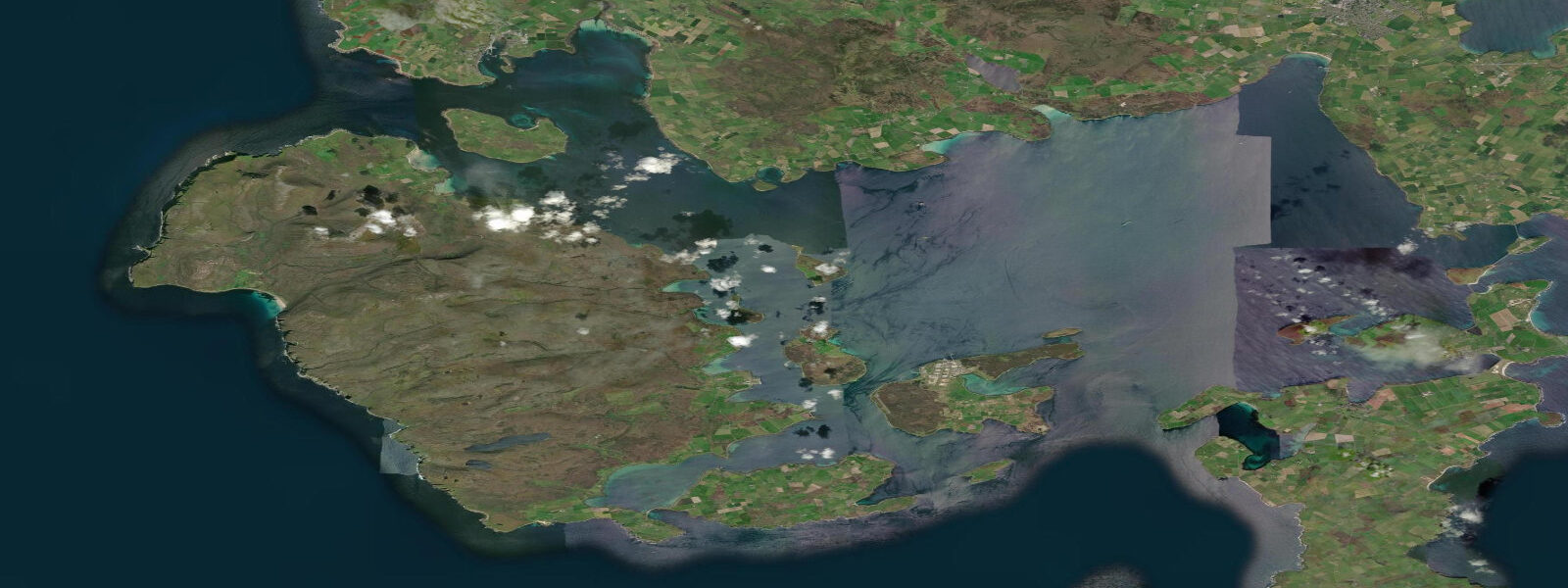
Hoy is the second-largest of the Orkney islands and the most dramatic, a place where the low green farmland that characterises most of Orkney gives way to moorland plateau and cliff faces that drop sheer into the Atlantic. Ward Hill at 479 m is the highest point in Orkney, and the west coast below it holds some of the most exposed tidal water in the archipelago.
The Old Man of Hoy — a 137 m sandstone sea stack at the base of St John's Head — is visible from the Scrabster-Stromness ferry and has defined Hoy's identity for climbers since the 1966 first ascent. The stack sits at the base of a cliff that reaches 335 m, the highest vertical cliff face in the United Kingdom. The tidal platform at its base is accessible on foot at low water via the path from Rackwick Bay, but the approach involves 5 km of moorland walking from the valley and the crossing should be timed with care — the receding spring tide exposes the platform fully, but the flood returns fast on this exposed Atlantic shore. Allow 1.5–2 hours each way and plan to arrive at the base with at least 2 hours of low water window remaining.
Tides at Hoy are semidiurnal. Mean spring range runs approximately 3.5–3.8 m on the east side (Scapa Flow side) and somewhat lower on the exposed Atlantic-facing western cliffs. Hoy Sound, which separates the island from Mainland Orkney and forms the main approach to Stromness harbour, carries tidal streams that reach 3–4 knots at springs. The stream runs northeast on the flood and southwest on the ebb, and the timing can differ by 30 minutes or more from the Stromness tide tables depending on position within the sound. Small vessels transiting Hoy Sound should plan around slack water. The island of Graemsay sits in the middle of the sound and creates two separate channels with different stream timing.
Scapa Flow, the sheltered natural harbour to the east and south of Hoy, is one of the most historically significant bodies of water in Europe. The German High Seas Fleet was scuttled here on 21 June 1919 — 52 ships sunk by their own crews to prevent capture. Much of the wreck steel was raised between the wars, but seven warships remain on the seabed: the battleships König, Kronprinz Wilhelm, Markgraf, and Bayern; the cruisers Brummer, Cöln, and Dresden. These are among the most popular dive sites in the United Kingdom. The tidal state matters for diving: Scapa Flow is calmer than the exposed sounds, but visibility and current through the wreck sites are both affected by the state of the tide. Slack water at neap tides gives the best conditions.
For anglers, the mixed ground around the Hoy headlands produces cod, pollack, and coalfish, with the best action typically in the last two hours of the ebb when the current slackens over the rocky reef edges. The same period is productive for sea kayakers wanting to make westward progress along the cliff coast — fighting the flood here is possible but slow and energy-expensive. The ebb runs southwest through Hoy Sound and if you are paddling the west coast clockwise, timing your launch to ride the early ebb is the standard approach.
The only vehicle ferry to Hoy from Houton on the Mainland serves the east-coast settlement of Lyness, where the Scapa Flow Visitor Centre preserves the wartime history of the island's role as a Royal Navy base in both World Wars. The passenger ferry from Stromness reaches Moaness on the north tip. There are no paved roads in the Rackwick valley — travel between the ferry landing and the Old Man path is on foot across the moorland or by prearranged taxi. Accommodation on Hoy is limited to self-catering and a small hostel at Rackwick; book well ahead for summer visits.
Tide predictions here use Open-Meteo Marine, a global gridded model. Timing accuracy is typically ±45 minutes; height accuracy is typically ±0.2–0.3 m. For Hoy Sound transits and Scapa Flow diving, always cross-reference with Admiralty tide tables and the Royal Navy current atlas for the Pentland Firth and Orkney approaches.
Tide questions about Hoy, Orkney
Quick answers to the most common questions about tide times, range, and water access at Hoy, Orkney.
What is the tidal range at Hoy?
Mean spring range on the Scapa Flow side of Hoy (east coast) is approximately 3.5–3.8 m, with neap ranges around 1.5–1.8 m. The exposed Atlantic-facing west coast has similar spring range but the oceanic swell and wind dominate conditions there more than the tide height. Two high waters and two low waters occur each day with roughly 6 hours between each. Scapa Flow inside the island chain is calmer than the open coast but still subject to the same tidal heights. Open-Meteo Marine predictions carry typical accuracy of ±45 minutes on timing and ±0.2–0.3 m on height.
How strong are the currents in Hoy Sound?
Hoy Sound carries tidal streams of 3–4 knots at spring tides, running northeast on the flood and southwest on the ebb. For small boats and kayaks, this is significant — plan to transit within 1–2 hours of slack water. The stream is strongest in the narrowest part of the sound west of Graemsay island, which splits the sound into two channels with slightly different timing. Kayakers comfortable with 3-knot current can use the flood stream to accelerate passage eastward toward Stromness, but the same current is a hard push against westward progress. Check slack water timing against the Stromness tide table.
Can I reach the Old Man of Hoy at low tide?
The tidal platform at the base of the Old Man of Hoy is accessible at low water, but getting there requires a 5 km walk across moorland from Rackwick Bay — allow 1.5–2 hours each way. The platform is exposed during the lower half of the tidal cycle, roughly 3 hours before and after low water at springs. Return before the flood covers the access ledges. The cliff path itself is passable at any tide state; it is only the rock platform immediately at the base of the stack that requires careful timing.
When is the best time to dive the Scapa Flow wrecks?
Slack water at neap tides gives the best visibility and easiest conditions for wreck diving in Scapa Flow. Spring tides increase the current through the gaps between the islands and can stir up sediment inside the wreck sites. Most dive operators based at Stromness or Houton plan dives for the slack between flood and ebb, typically 30–45 minutes either side of high and low water. Neap week in winter sees some of the clearest water in the flow, though surface conditions reaching the site depend on weather. The seven remaining wrecks include König, Kronprinz Wilhelm, and Markgraf — all battleships lying in 30–45 m.
Is there anywhere to fish from the shore at Hoy?
Shore fishing at Hoy is productive but remote — getting tackle to the right marks requires planning. The rocky points around the north tip near Moaness and the ground off Rackwick Bay produce pollack, coalfish, and occasional cod. The last two hours of the ebb, when current slackens over the reef edges, tends to be the most productive window. Mackerel arrive inshore from June through September. Bring everything you need — there are no fishing shops on Hoy. The passenger ferry from Stromness to Moaness takes about 25 minutes and runs several times daily in summer.
8-day tide table — Hoy, Orkney
Heights relative to MSL. Predictions: Open-Meteo Marine (MeteoFrance SMOC, 0.08° grid) — heights relative to MSL (not chart datum / LAT). Model-derived.
| Day | Type | Time | Height |
|---|---|---|---|
| Tue 04 Aug | High | 01:00 | 0.8m / 2.7ft |
| Low | 06:42 | -1.8m / -5.9ft | |
| High | 12:54 | 0.6m / 1.8ft | |
| Low | 18:51 | -1.4m / -4.5ft | |
| Wed 05 Aug | High | 00:53 | 0.8m / 2.7ft |
| Low | 07:27 | -1.6m / -5.2ft | |
| High | 13:33 | 0.5m / 1.6ft | |
| Low | 19:44 | -1.2m / -4.1ft | |
| Thu 06 Aug | High | 01:33 | 0.6m / 1.9ft |
| Low | 08:25 | -1.5m / -4.9ft | |
| High | 14:26 | 0.3m / 1.0ft | |
| Low | 20:49 | -1.1m / -3.8ft | |
| Fri 07 Aug | High | 02:39 | 0.4m / 1.3ft |
| Low | 09:34 | -1.2m / -4.0ft | |
| High | 15:40 | 0.3m / 1.1ft | |
| Low | 22:08 | -1.0m / -3.1ft | |
| Sat 08 Aug | High | 04:15 | 0.5m / 1.6ft |
| Low | 10:50 | -1.0m / -3.2ft | |
| Sun 09 Aug | High | 06:02 | 0.7m / 2.2ft |
| Low | 12:08 | -1.0m / -3.3ft | |
| High | 18:37 | 0.7m / 2.3ft | |
| Mon 10 Aug | Low | 00:45 | -1.3m / -4.1ft |
| High | 07:20 | 0.7m / 2.3ft | |
| Low | 13:11 | -1.3m / -4.3ft | |
| High | 19:37 | 0.8m / 2.7ft | |
| Tue 11 Aug | Low | 00:00 | -1.2m / -3.8ft |