Heysham tide times
Heysham tide forecast — heights relative to MSL.
Today's tide times for Heysham
Tide times at Heysham on Tuesday, 4 August 2026: first low tide at 09:25, first high tide at 14:58, second low tide at 21:36. Sunrise 05:28, sunset 21:06.
Tide chart for Heysham
24-hour cosine-interpolated curve around the present moment. Heights relative to MSL. Predictions: Predictions: Open-Meteo Marine (MeteoFrance SMOC, 0.08° grid).
Sun, moon and conditions on Tue 04 Aug
Snapshot at build time — refreshes daily. Sea state from Open-Meteo Marine.
Highs and lows next 7 days
Every predicted high and low for the next week, with the daily tidal coefficient (0–120; higher = bigger swing, > 95 means stronger currents).
Other spots nearby
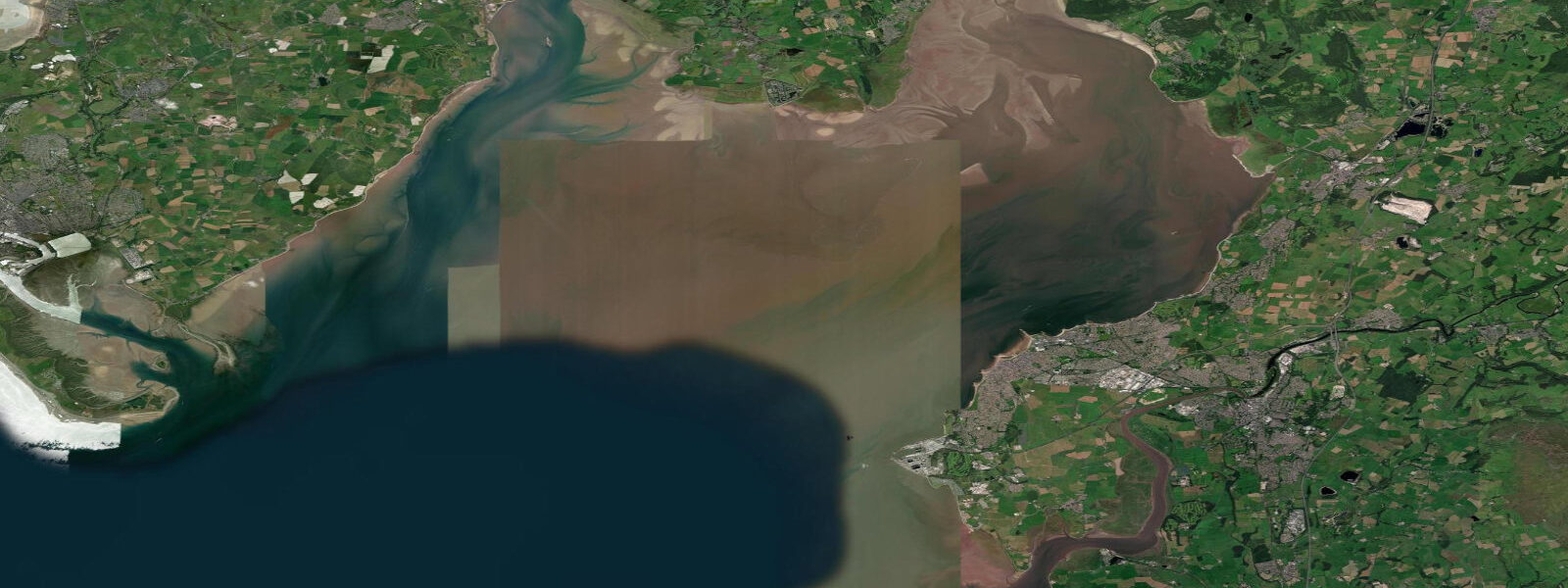
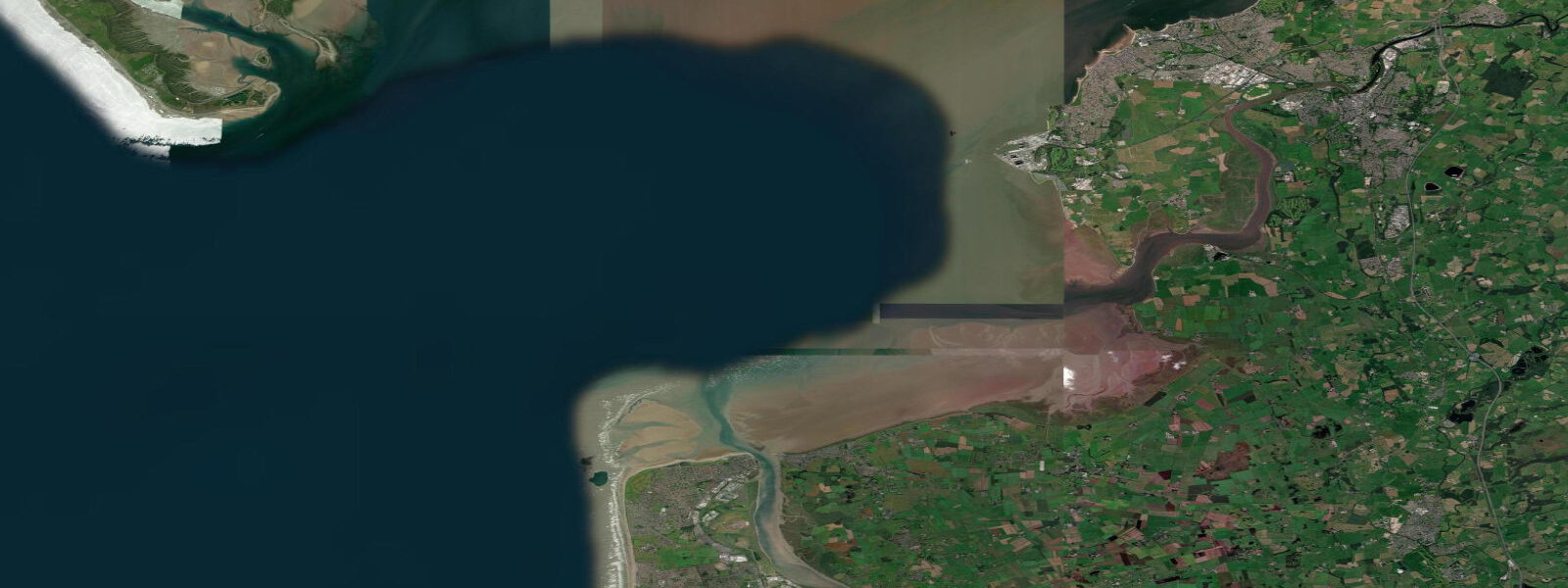
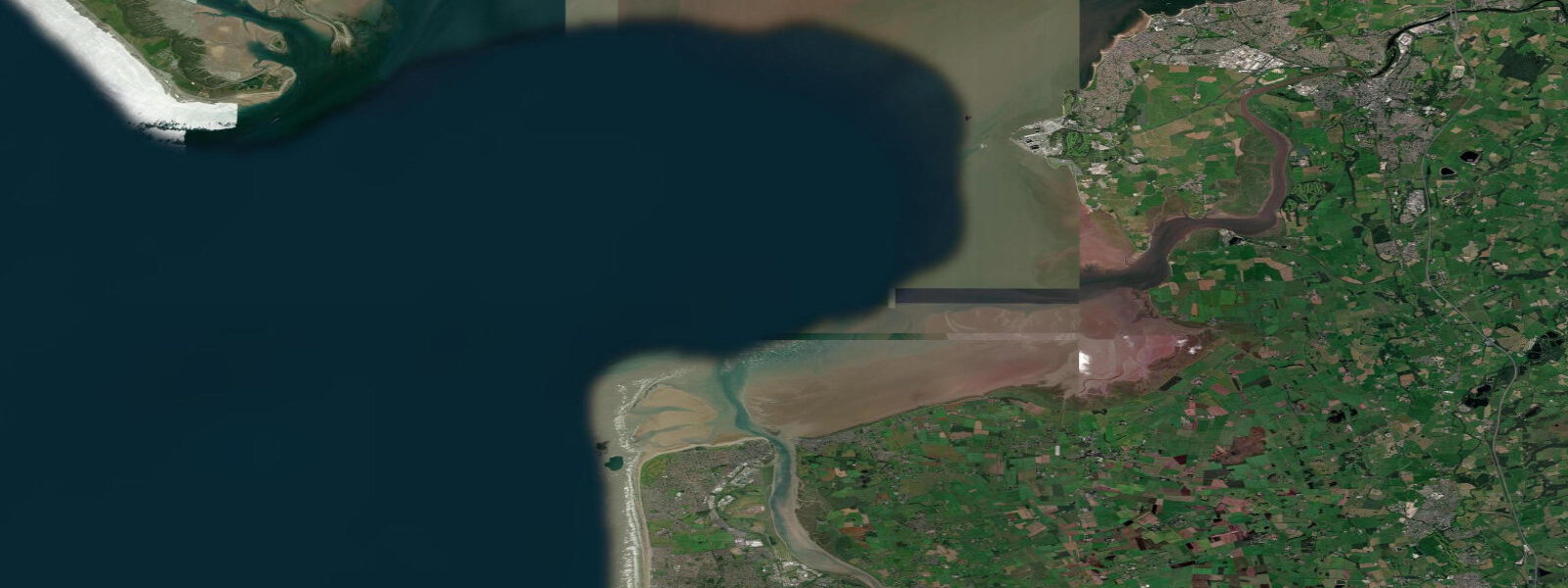
The three closest curated TideTurtle locations to Heysham, measured by great-circle distance.
Today's solunar windows
Solunar tradition: major periods are the ≈3h windows around moon transit and opposition; minor are ≈2h around moonrise and moonset. Pair with the local tide stage and wind for the best read.
Cycle dates near Heysham
Last spring tide on Tue 04 Aug (range 6.5m / 21.3ft). Next spring tide on Mon 10 Aug (range 5.7m / 18.8ft). Next neap on Sat 08 Aug.
Spring tides cluster around new and full moons (biggest swings). Neap tides land on quarter moons (smallest swings). See the spring tide and neap tide glossary entries for the why.
About tides at Heysham
A short guide to the coastline at Heysham — geography, sea state, and what the tide is actually doing under your feet.
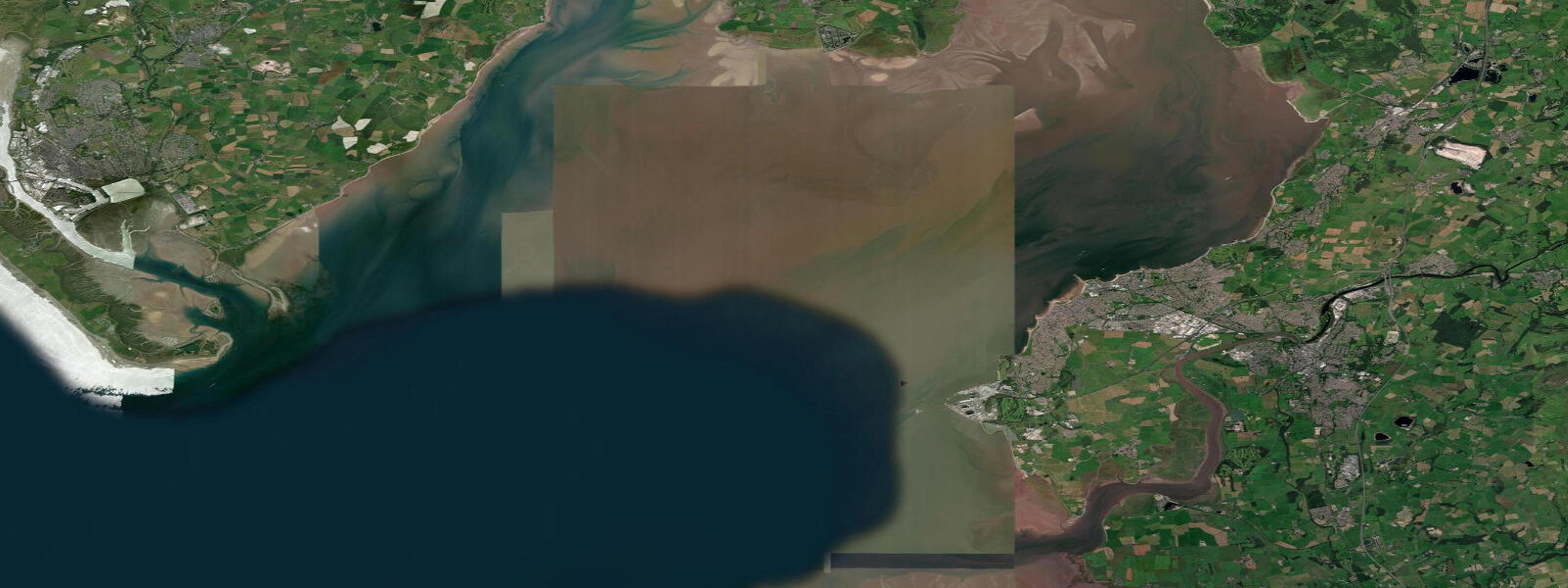
Heysham sits on the northern shore of Morecambe Bay, 5 kilometres west of Lancaster and directly adjacent to Morecambe, the two settlements sharing a seafront but maintaining distinct identities. 5 million homes and are visible from throughout the bay. The juxtaposition is striking and entirely Lancastrian.
The St Patrick's Chapel headland is the most historically significant coastal site in northwest England. The chapel itself dates from the late 7th or early 8th century — one of the oldest surviving ecclesiastical structures in northern England — and stands in roofless ruin on the cliff edge with unobstructed views across Morecambe Bay to the Lake District fells. Below the chapel, cut directly into the flat sandstone of the headland, are six body-shaped graves with socket holes for wooden headmarkers.
These are Viking-age, probably 10th century, and are unique in Britain — the combination of form and geology found nowhere else. The cockle and mussel beds of Morecambe Bay are accessible at low water on the mudflats south of the headland. The bay's spring tidal range is extreme — 9 to 10 metres — one of the largest in Britain and second in England only to the Severn.
At low water the bay empties to reveal kilometres of rippled sand and mudflat; at high water the same terrain is entirely submerged. The rate of tidal advance across the flat bay floor is the critical safety issue: in certain conditions and over certain routes, the flood tide crosses the bay faster than a person can walk or run. The licensed Queen's Guide to the Sands, a centuries-old appointment, guides authorised cross-sands walks from Arnside to Kents Bank — the only safe way to attempt the crossing.
Independent cross-sands walking is actively dangerous and regularly requires Coastguard rescue. For anglers, Heysham and the Morecambe Bay foreshore at low water produce bass, flounder, and the cockle beds that have been commercially harvested here for centuries. The 2004 Morecambe Bay disaster — when 23 cockle-pickers drowned after being cut off by the fast-rising tide — occurred 10 kilometres to the north at Warton Sands and serves as a permanent reminder of the bay's hazard.
5 hours) and seasonal services to Belfast. The harbour wall is a fishing platform at all tide stages; the harbour basin holds water behind the lock gates and is accessible to small boats independent of tide. Old Heysham village centre, a street of stone cottages running up to the headland, is largely preserved and contrasts sharply with the industrial port below.
Predictions on this page come from Open-Meteo Marine, a gridded global ocean model. 3 metres on height — model-derived, not from a local gauge. The UK Environment Agency maintains tide gauge monitoring on Morecambe Bay, and the RNLI operates from Morecambe station.
Tide questions about Heysham
Quick answers to the most common questions about tide times, range, and water access at Heysham.
How dangerous is the tide at Morecambe Bay near Heysham?
Extremely dangerous for anyone without local knowledge. The bay's 9 to 10 metre spring range means enormous volumes of water move across the flat bay floor at each tide cycle. The flood can advance faster than a walking pace across certain sections of the bay, and the channels that form and shift in the sand can block retreat routes that were open an hour earlier. The sand itself can be liquid in places. The only safe cross-sands walks are guided by the official Queen's Guide to the Sands. For anyone staying on the headland or the beach immediately below Heysham village, the hazard is minimal — the foreshore there is straightforward. The danger is specifically on the open bay to the east and south.
What are the Viking rock graves at Heysham?
Six graves cut directly into the sandstone bedrock of the headland below St Patrick's Chapel, probably 10th century and associated with Viking settlers who occupied northwest England after the 9th-century Scandinavian migrations. The graves are body-shaped depressions with socket holes at the head end for wooden grave markers. The form is unique in Britain — Viking-age rock-cut graves are known elsewhere in Scandinavia, but this is the only example in England. English Heritage maintains the site; access is open year-round. The nearby St Patrick's Chapel is even older — late 7th or early 8th century — making the headland one of the longest continuously significant religious sites in northern England.
Can I watch the nuclear power station from the shore?
Yes. Heysham Nuclear Power Station is visible from the headland, the harbour, and the beach to the south of the village. The two stations — Heysham 1 (operating since 1983) and Heysham 2 (since 1988) — are on EDF's site plan for decommissioning in the late 2020s. There is no public access to the station itself, but the external structures including the reactor buildings and cooling towers are a dominant feature of the southern bay view. The power station is visible from as far as Fleetwood to the south and the Lake District fells to the north on clear days.
Are there cockles and mussels at Heysham?
Yes. The inter-tidal mudflats south of Heysham headland and along the Morecambe Bay shore expose cockle and mussel beds at low water. Commercial harvesting is licensed; recreational gathering for personal consumption is permitted but must not exceed 5 kilograms per person per day under Lancashire County Council byelaws. The cockles are accessible in the two hours either side of low water. Wellies or waders are necessary — the mud is soft. Be aware of the tide return time and stay within 200 metres of the seawall unless you have confirmed the tide conditions for the day.
What ferry services run from Heysham Harbour?
Stena Line and the Isle of Man Steam Packet Company operate from Heysham. Isle of Man sailings run daily to Douglas (approximately 3.5 hours by fast craft, longer on conventional ferry). Belfast sailings are seasonal but operate regularly through the summer. The harbour is a working commercial port — vehicle ferries berth on the outer quay. Foot passengers embark through the terminal building adjacent to the harbour. Timetables are tide-dependent for some sailings; the harbour entrance has a depth constraint that affects the largest vessels at low water.
8-day tide table — Heysham
Heights relative to MSL. Predictions: Open-Meteo Marine (MeteoFrance SMOC, 0.08° grid) — heights relative to MSL (not chart datum / LAT). Model-derived.
| Day | Type | Time | Height |
|---|---|---|---|
| Tue 04 Aug | Low | 09:25 | -3.6m / -11.8ft |
| High | 14:58 | 2.9m / 9.5ft | |
| Low | 21:36 | -3.1m / -10.2ft | |
| Wed 05 Aug | High | 03:12 | 3.1m / 10.2ft |
| Low | 09:58 | -3.3m / -10.8ft | |
| High | 15:47 | 2.8m / 9.2ft | |
| Thu 06 Aug | Low | 10:48 | -3.1m / -10.1ft |
| High | 16:41 | 2.2m / 7.3ft | |
| Low | 23:18 | -2.7m / -8.9ft | |
| Fri 07 Aug | High | 05:12 | 2.2m / 7.2ft |
| Low | 11:57 | -2.5m / -8.3ft | |
| High | 17:53 | 2.0m / 6.4ft | |
| Sat 08 Aug | Low | 00:35 | -2.2m / -7.3ft |
| High | 06:33 | 2.2m / 7.1ft | |
| Low | 13:24 | -2.0m / -6.7ft | |
| High | 19:18 | 2.3m / 7.5ft | |
| Sun 09 Aug | Low | 02:18 | -2.2m / -7.1ft |
| High | 07:58 | 2.1m / 7.0ft | |
| Low | 14:58 | -2.4m / -7.9ft | |
| High | 20:37 | 2.4m / 7.7ft | |
| Mon 10 Aug | Low | 03:41 | -2.8m / -9.3ft |
| High | 09:13 | 2.4m / 7.7ft | |
| Low | 16:11 | -3.0m / -9.8ft | |
| High | 21:42 | 2.7m / 9.0ft | |
| Tue 11 Aug | Low | 00:00 | 0.9m / 2.9ft |