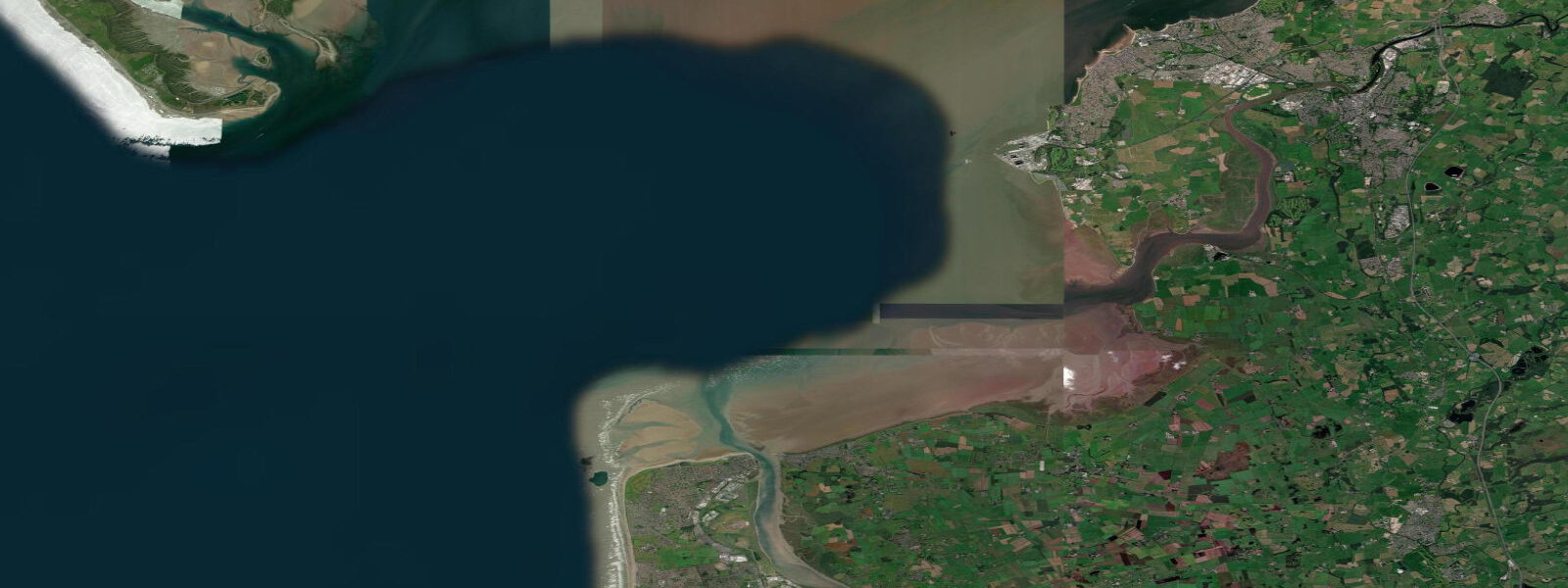
Knott End-on-Sea tide times
Knott End-on-Sea tide forecast — heights relative to MSL.
Today's tide times for Knott End-on-Sea
Tide times at Knott End-on-Sea on Tuesday, 4 August 2026: first low tide at 01:00, first high tide at 02:30, second low tide at 09:21, second high tide at 14:57, third low tide at 21:34. Sunrise 05:29, sunset 21:06.
Tide chart for Knott End-on-Sea
24-hour cosine-interpolated curve around the present moment. Heights relative to MSL. Predictions: Predictions: Open-Meteo Marine (MeteoFrance SMOC, 0.08° grid).
Sun, moon and conditions on Tue 04 Aug
Snapshot at build time — refreshes daily. Sea state from Open-Meteo Marine.
Highs and lows next 7 days
Every predicted high and low for the next week, with the daily tidal coefficient (0–120; higher = bigger swing, > 95 means stronger currents).
Other spots nearby
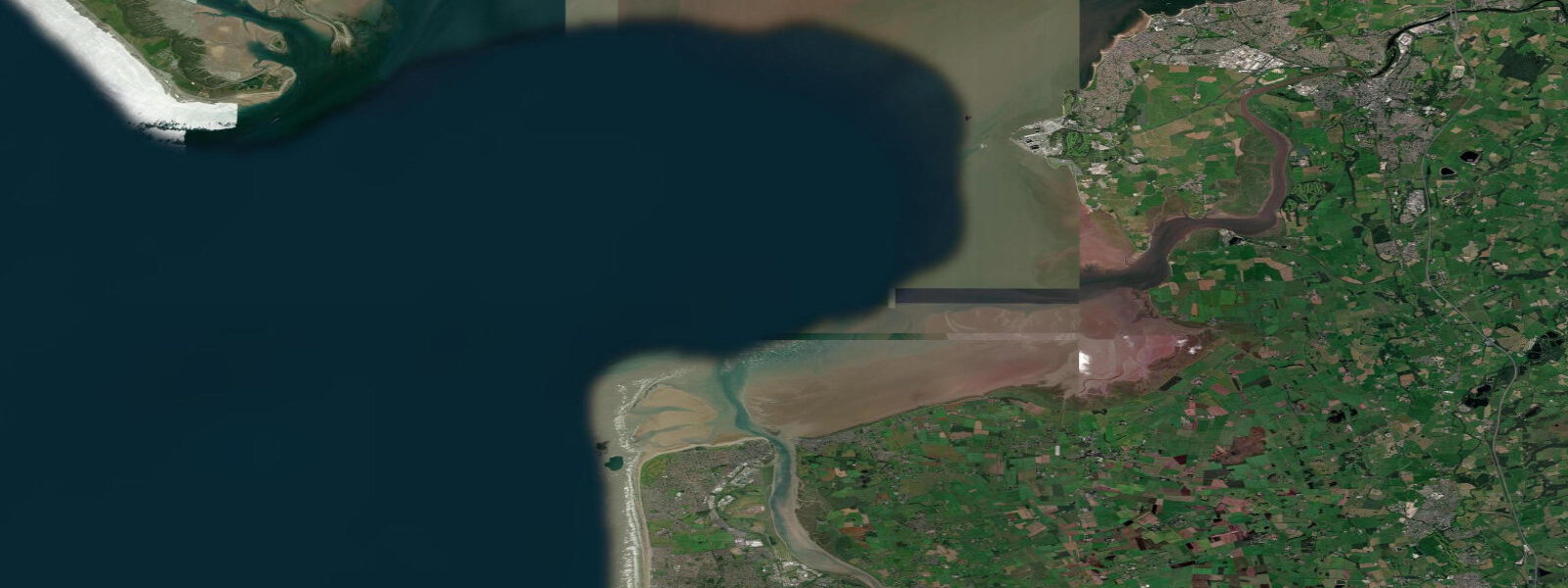
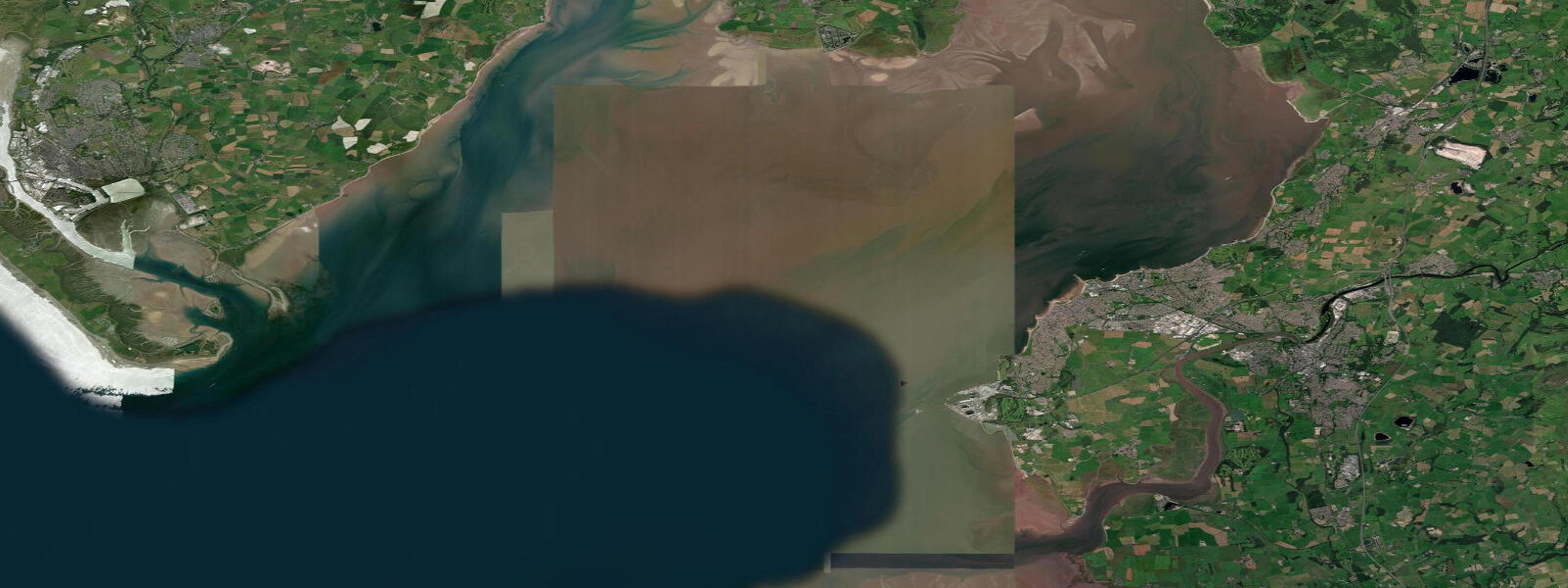
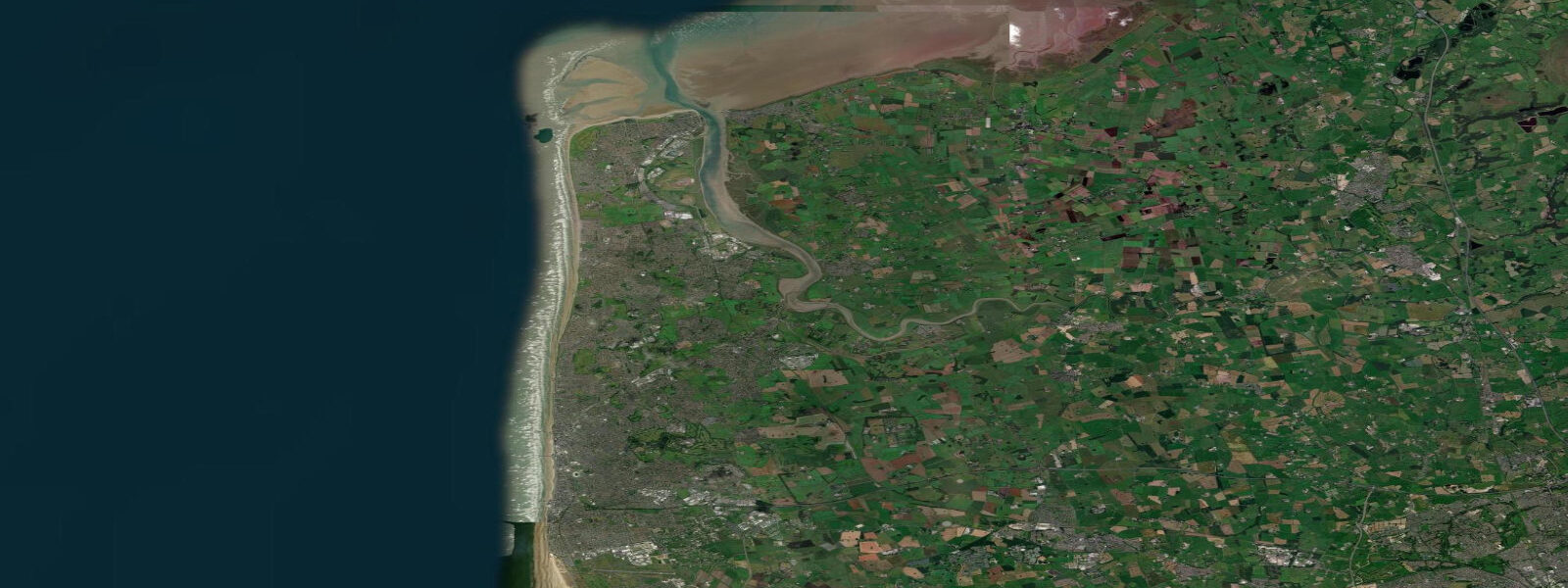
The three closest curated TideTurtle locations to Knott End-on-Sea, measured by great-circle distance.
Today's solunar windows
Solunar tradition: major periods are the ≈3h windows around moon transit and opposition; minor are ≈2h around moonrise and moonset. Pair with the local tide stage and wind for the best read.
Cycle dates near Knott End-on-Sea
Last spring tide on Tue 04 Aug (range 6.9m / 22.7ft). Next spring tide on Mon 10 Aug (range 5.6m / 18.5ft). Next neap on Sat 08 Aug.
Spring tides cluster around new and full moons (biggest swings). Neap tides land on quarter moons (smallest swings). See the spring tide and neap tide glossary entries for the why.
About tides at Knott End-on-Sea
A short guide to the coastline at Knott End-on-Sea — geography, sea state, and what the tide is actually doing under your feet.
Knott End-on-Sea stands at the mouth of the River Wyre on the north side of the estuary, directly opposite Fleetwood across a channel that is no more than 400 metres wide at low water but expands as the tide floods the surrounding mudflats. The Fleetwood-Knott End ferry — a small passenger vessel making the crossing in 5 minutes — is one of the shortest scheduled ferry crossings in England and has been operating in some form since at least the 19th century. The ferry runs seasonally from Easter through autumn, providing a foot passenger link that reduces an otherwise 30-kilometre road detour around the estuary head.
Knott End itself is an unassuming linear village: a seafront road, a pub, a small car park at the slipway, and a promenade that runs along the estuary bank. There is no pier, no amusement arcade, no resort infrastructure. The village exists at a speed that the rest of the Fylde coast, with Blackpool's entertainment industry 15 kilometres to the south, largely abandoned in the 20th century.
The Wyre estuary at this point is defined by its mudflats. Spring tide range at the estuary mouth reaches 8 to 9 metres under Morecambe Bay's influence — the Wyre is a tributary basin of the broader embayment — and at low water the mud and sand flats extend 400 to 600 metres from the shoreline across the estuary floor. These flats support a productive wader community.
Curlew are present year-round, their bubbling calls carrying across the estuary particularly in the early morning. Redshank are resident and numerous. In winter the estuary receives migrant waders from the north: dunlin gather in hundreds on the exposed mud; grey plover work the sandier sections; occasional bar-tailed godwit use the Wyre alongside the much larger populations on the Ribble Estuary to the south.
Brent geese from Siberia feed on the eel grass beds in the outer estuary from October through March. The inter-tidal zone of the Wyre is managed as part of the wider Morecambe Bay wetland complex, though the Wyre estuary lacks the formal reserve status of the Ribble. The marsh on the north side of the Wyre mouth — Winmarleigh Moss and the associated grazing marshes — is a working agricultural landscape that also provides habitat for lapwing, golden plover, and wintering hen harrier.
Anglers fish the ferry slipway and the estuary bank for bass, flounder, and mullet through the season. Bass fishing at the Wyre mouth has a local following; the channel edge on the first flood of an evening tide in summer is the preferred approach. Low water exposes sand and mud firm enough to walk on for 400 to 600 metres — the surface varies, and anyone leaving the firm sand above the mid-tide line should be cautious about the softer mud beyond.
The view from the promenade at Knott End takes in Fleetwood's dock cranes and lighthouse across the channel, the Bowland hills to the northeast, and on clear days the Lakeland fells above Morecambe Bay. Predictions on this page come from Open-Meteo Marine, a gridded global ocean model. 3 metres on height — model-derived, not from a local gauge.
The Environment Agency monitors the River Wyre flood levels and estuary conditions; the RNLI Fleetwood station covers this stretch of the Lancashire coast.
Tide questions about Knott End-on-Sea
Quick answers to the most common questions about tide times, range, and water access at Knott End-on-Sea.
Does the Fleetwood to Knott End ferry still run?
Yes. The Wyre Ferry runs seasonally from Easter through October, operating as a foot passenger service between the Fleetwood Ferry Beach slipway and the Knott End slipway. Crossing time is approximately 5 minutes. The ferry does not carry vehicles. It runs on a tide-dependent schedule — crossings are possible only when there is sufficient water depth at both slipways, which typically means 3 to 4 hours either side of high water. Check the operator's timetable for the specific day, as the service times shift with the tidal cycle. A small fare applies.
What is the tidal range at the Wyre estuary mouth?
The Wyre estuary mouth at Knott End has a spring range of approximately 8 to 9 metres, reflecting its position at the outer edge of the Morecambe Bay embayment where tidal energy is amplified by the bay's funnel geometry. Neap range is approximately 4 to 5 metres. The result is that the difference between low water and high water — on spring tides — leaves the estuary alternately exposed as hundreds of metres of mudflat and then fully submerged. The tide turns quickly once the flood begins; anyone on the estuary mudflats should be back above the high-water mark with at least 90 minutes to spare.
What waders can I see at Knott End in winter?
Curlew and redshank are resident year-round and reliable at any time. From October through March the estuary receives migrant waders from Siberia and Scandinavia: dunlin in hundreds on the exposed mid-estuary mud, grey plover on the sandier sections, and occasional bar-tailed godwit. Brent geese feed on the eel grass in the outer channel from October. Pintail and wigeon use the estuary at high water. The best observation point is the promenade at Knott End, which runs along the northern bank at a height that gives a clear view across the channel without disturbing birds feeding on the opposite mudflats.
Can I fish for bass at Knott End?
The Wyre estuary mouth is a productive bass mark on the correct tides. The ferry slipway and the promenade wall give casting access to the channel edge; the first flood tide of the evening from June through September is the most productive window. Bass follow the baitfish — particularly sandeels and juvenile herring — that move up the estuary on the flood. Flounder are caught on bait through the season, including in winter. Mullet appear in the estuary in summer and can be stalked with bread flake in the slack sections near the slipway. A rod licence and compliance with bass catch limits apply.
Is there accommodation at Knott End-on-Sea?
Knott End-on-Sea has very limited accommodation — a small number of bed and breakfasts and self-catering cottages in the village. The nearest concentration of hotels is in Fleetwood (accessible by ferry in season or by road) and in Blackpool to the south. The village does have a pub that serves food. The lack of resort accommodation is part of the village's appeal for day visitors seeking a quiet alternative to the Blackpool strip; it is not a destination for those expecting conventional seaside resort facilities.
8-day tide table — Knott End-on-Sea
Heights relative to MSL. Predictions: Open-Meteo Marine (MeteoFrance SMOC, 0.08° grid) — heights relative to MSL (not chart datum / LAT). Model-derived.
| Day | Type | Time | Height |
|---|---|---|---|
| Tue 04 Aug | Low | 01:00 | 2.2m / 7.3ft |
| High | 02:30 | 3.3m / 10.8ft | |
| Low | 09:21 | -3.6m / -11.9ft | |
| High | 14:57 | 2.9m / 9.6ft | |
| Low | 21:34 | -3.2m / -10.3ft | |
| Wed 05 Aug | High | 03:11 | 3.1m / 10.2ft |
| Low | 09:57 | -3.4m / -11.0ft | |
| High | 15:44 | 2.8m / 9.0ft | |
| Low | 22:24 | -2.8m / -9.1ft | |
| Thu 06 Aug | High | 04:02 | 2.6m / 8.5ft |
| Low | 10:47 | -3.1m / -10.2ft | |
| High | 16:38 | 2.2m / 7.3ft | |
| Low | 23:16 | -2.7m / -9.0ft | |
| Fri 07 Aug | High | 05:10 | 2.2m / 7.2ft |
| Low | 11:54 | -2.6m / -8.5ft | |
| Sat 08 Aug | High | 06:27 | 2.1m / 7.0ft |
| Low | 13:15 | -2.1m / -7.0ft | |
| High | 19:14 | 2.2m / 7.2ft | |
| Sun 09 Aug | Low | 02:07 | -2.2m / -7.3ft |
| High | 07:55 | 2.1m / 6.8ft | |
| Low | 14:49 | -2.4m / -8.0ft | |
| High | 20:35 | 2.3m / 7.5ft | |
| Mon 10 Aug | Low | 03:33 | -2.8m / -9.3ft |
| High | 09:11 | 2.3m / 7.6ft | |
| Low | 16:03 | -3.0m / -9.7ft | |
| High | 21:39 | 2.7m / 8.8ft | |
| Tue 11 Aug | Low | 00:00 | 0.8m / 2.8ft |