Fleetwood tide times
Fleetwood tide forecast — heights relative to MSL.
Today's tide times for Fleetwood
Tide times at Fleetwood on Tuesday, 4 August 2026: first low tide at 01:00, first high tide at 02:30, second low tide at 09:21, second high tide at 14:57, third low tide at 21:34. Sunrise 05:29, sunset 21:06.
Tide chart for Fleetwood
24-hour cosine-interpolated curve around the present moment. Heights relative to MSL. Predictions: Predictions: Open-Meteo Marine (MeteoFrance SMOC, 0.08° grid).
Sun, moon and conditions on Tue 04 Aug
Snapshot at build time — refreshes daily. Sea state from Open-Meteo Marine.
Highs and lows next 7 days
Every predicted high and low for the next week, with the daily tidal coefficient (0–120; higher = bigger swing, > 95 means stronger currents).
Other spots nearby
The three closest curated TideTurtle locations to Fleetwood, measured by great-circle distance.
Today's solunar windows
Solunar tradition: major periods are the ≈3h windows around moon transit and opposition; minor are ≈2h around moonrise and moonset. Pair with the local tide stage and wind for the best read.
Cycle dates near Fleetwood
Last spring tide on Tue 04 Aug (range 6.9m / 22.7ft). Next spring tide on Mon 10 Aug (range 5.6m / 18.5ft). Next neap on Sat 08 Aug.
Spring tides cluster around new and full moons (biggest swings). Neap tides land on quarter moons (smallest swings). See the spring tide and neap tide glossary entries for the why.
About tides at Fleetwood
A short guide to the coastline at Fleetwood — geography, sea state, and what the tide is actually doing under your feet.
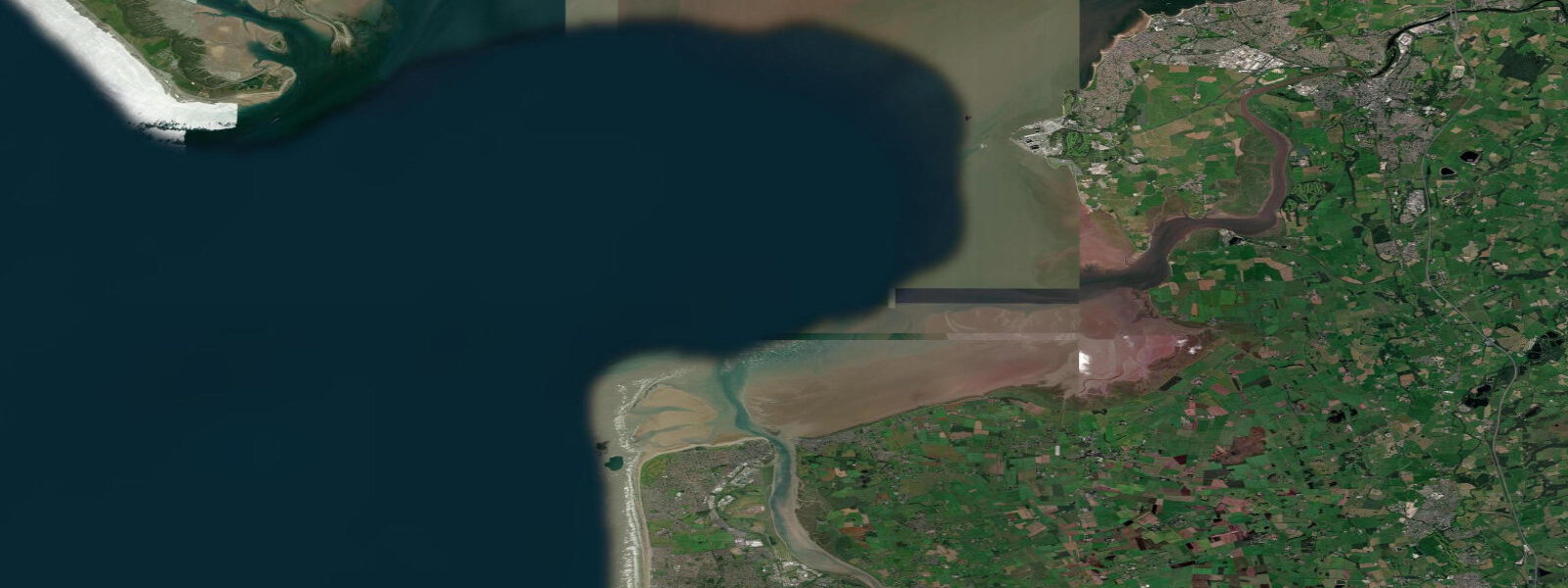
Fleetwood stands at the mouth of the River Wyre, where the estuary opens west into the Irish Sea. The town was purpose-built in the 1830s to a grid plan by the architect Decimus Burton, commissioned by Sir Peter Hesketh-Fleetwood; the Georgian street layout and the original market building survive largely intact, giving the town an architectural coherence unusual in Lancashire coastal settlements. The spring tidal range at Fleetwood reaches 7.8 metres above Chart Datum — the River Wyre fills and drains through the town's estuary twice daily, creating strong tidal streams in the channel that run up to 2.5 knots at springs.
Fleetwood was one of England's major deep-sea fishing ports through the 19th and 20th centuries, sending trawlers to Iceland, Bear Island, and the White Sea. The distant-water fleet declined through the 1970s Cod Wars and quota reductions, but the harbour retains a working fishing fleet of near-water vessels. The fish market runs on weekday mornings; catches of haddock, plaice, sole, and whiting move through it regularly. The quayside is accessible and the working port atmosphere is genuine, not heritage-dressed. The Fleetwood Museum near the seafront documents the port's deep-sea fishing history and is one of the better maritime museums on the Lancashire coast.
The Wyre Estuary is the main fishing ground for local anglers. The channels that run up the estuary on the flood tide concentrate bass, flounder, and mullet. Bass are taken on lures and live sand eel worked in the tidal flow; flounder respond to lugworm on the bottom in the quieter channel-edge shallows. The estuary saltmarsh north of the town is accessible at low water and holds the best flounder grounds on the Lancashire coast. Mullet follow the flood into the harbour basin in summer and can be spotted cruising near the fish market walls.
The ferry across the Wyre to Knott End-on-Sea runs from the ferry slipway; the crossing takes 6 minutes and is one of the shortest scheduled ferry services in England. It runs on the tide — the slipway is only accessible within a specific range of states, so the timetable changes daily to track the tide. Knott End has a small beach and pub; the crossing is a practical route for cyclists who use the coastal paths on both banks. The Wyre Estuary Trail follows the river upstream on both banks, connecting Fleetwood to Thornton, Shard Bridge, and Garstang for a full day's walk or ride.
The sand dunes at Cleveleys, 3 kilometres south, and the beach at Rossall Point extend the foreshore in both directions. Rossall Point is exposed to the full Irish Sea fetch and takes the worst of winter storms; the sea wall here has been subject to repeated breaching. Kitesurfers and windsurfers use the beach south of the ferry terminal when the wind is from the south or southwest — the offshore bar provides a degree of shelter at lower states of tide.
Saltmarsh along the Wyre north of the ferry ramp is an SSSI supporting saltmarsh plants, breeding redshank, and overwintering wildfowl. The path along the west bank of the Wyre allows access without disturbing the nesting areas from June onward. Teal, wigeon, and pintail winter in the estuary in consistent numbers; peregrine use the gas terminal structures as hunting perches. The estuary is visible from the ferry crossing and from the higher ground behind the saltmarsh; a rising tide pushing mullet and bass ahead of it through the lower estuary is a reliable autumn spectacle.
Tidal predictions here use the Open-Meteo Marine gridded model (±45 minutes on timing, ±0.3 m on height). Not for navigation.
Tide questions about Fleetwood
Quick answers to the most common questions about tide times, range, and water access at Fleetwood.
What is the tidal range at Fleetwood?
Fleetwood has a mean spring tidal range of 7.8 metres above Chart Datum, one of the larger ranges on the Lancashire coast. The River Wyre estuary fills and drains with each tide, creating currents of up to 2.5 knots in the main channel at springs. Low water exposes extensive mud and sandflats in the estuary, while high water fills the harbour basin and brings fish species — bass, mullet, flounder — well up into the tidal reaches. Neap range drops to 4.5 metres.
Is Fleetwood still an active fishing port?
Fleetwood retains a working near-water fishing fleet, though the distant-water trawler fleet that made it one of England's major fishing ports through the 20th century is gone. The harbour fish market operates on weekday mornings, handling catches of haddock, plaice, sole, and whiting. The quayside is accessible to visitors. The town's fishing heritage is documented in the Fleetwood Museum; the Bourne May building on the quay is the restored Victorian fish market building and gives a sense of the port's former scale.
Where is the best fishing from Fleetwood?
The Wyre Estuary channels are the primary local mark. Bass are taken on lures and live bait worked in the tidal flow from the channel banks; the best periods are the first two hours of the flood tide. Flounder concentrate on the saltmarsh edge north of town in the quieter estuary margins, responding to lugworm on the bottom. Mullet enter the harbour basin in summer on the flood tide and are visible near the fish market walls. Shore fishing from the North Euston breakwater produces bass and whiting in autumn and early winter.
How does the Knott End ferry service work?
The ferry service to Knott End-on-Sea crosses the River Wyre from the Fleetwood ferry slipway and takes 6 minutes. Because the slipway is tidal, the service runs according to a timetable that shifts daily to track the tide — it cannot operate at the lowest states. The service typically runs from mid-morning to late afternoon. Bicycles are carried. Knott End has a small foreshore beach and a pub overlooking the estuary. The crossing is popular with cyclists using the Wyre Estuary cycle route on both banks.
What wildlife can I see in the Wyre Estuary at Fleetwood?
The Wyre Estuary SSSI north of Fleetwood holds breeding redshank and saltmarsh plant communities of national importance. In winter, teal, wigeon, and pintail use the estuary in good numbers; peregrine falcon are regularly seen hunting from elevated structures around the gas terminal. The saltmarsh edge at low water is accessible by path along the west bank. Curlew and oystercatcher feed on the mudflats year-round. The dune slacks at Rossall Point hold sand lizard habitat. Grey seals occasionally haul out on the sand banks south of the ferry channel.
8-day tide table — Fleetwood
Heights relative to MSL. Predictions: Open-Meteo Marine (MeteoFrance SMOC, 0.08° grid) — heights relative to MSL (not chart datum / LAT). Model-derived.
| Day | Type | Time | Height |
|---|---|---|---|
| Tue 04 Aug | Low | 01:00 | 2.2m / 7.3ft |
| High | 02:30 | 3.3m / 10.8ft | |
| Low | 09:21 | -3.6m / -11.9ft | |
| High | 14:57 | 2.9m / 9.6ft | |
| Low | 21:34 | -3.2m / -10.3ft | |
| Wed 05 Aug | High | 03:11 | 3.1m / 10.2ft |
| Low | 09:57 | -3.4m / -11.0ft | |
| High | 15:44 | 2.8m / 9.0ft | |
| Low | 22:24 | -2.8m / -9.1ft | |
| Thu 06 Aug | High | 04:02 | 2.6m / 8.5ft |
| Low | 10:47 | -3.1m / -10.2ft | |
| High | 16:38 | 2.2m / 7.3ft | |
| Low | 23:16 | -2.7m / -9.0ft | |
| Fri 07 Aug | High | 05:10 | 2.2m / 7.2ft |
| Low | 11:54 | -2.6m / -8.5ft | |
| Sat 08 Aug | High | 06:27 | 2.1m / 7.0ft |
| Low | 13:15 | -2.1m / -7.0ft | |
| High | 19:14 | 2.2m / 7.2ft | |
| Sun 09 Aug | Low | 02:07 | -2.2m / -7.3ft |
| High | 07:55 | 2.1m / 6.8ft | |
| Low | 14:49 | -2.4m / -8.0ft | |
| High | 20:35 | 2.3m / 7.5ft | |
| Mon 10 Aug | Low | 03:33 | -2.8m / -9.3ft |
| High | 09:11 | 2.3m / 7.6ft | |
| Low | 16:03 | -3.0m / -9.7ft | |
| High | 21:39 | 2.7m / 8.8ft | |
| Tue 11 Aug | Low | 00:00 | 0.8m / 2.8ft |