Burnham-on-Crouch tide times
Burnham-on-Crouch tide forecast — heights relative to MSL.
Today's tide times for Burnham-on-Crouch
Tide times at Burnham-on-Crouch on Tuesday, 4 August 2026: first low tide at 01:00, first high tide at 03:57, second low tide at 10:13, second high tide at 15:58, third low tide at 22:41. Sunrise 05:23, sunset 20:41.
Tide chart for Burnham-on-Crouch
24-hour cosine-interpolated curve around the present moment. Heights relative to MSL. Predictions: Predictions: Open-Meteo Marine (MeteoFrance SMOC, 0.08° grid).
Sun, moon and conditions on Tue 04 Aug
Snapshot at build time — refreshes daily. Sea state from Open-Meteo Marine.
Highs and lows next 7 days
Every predicted high and low for the next week, with the daily tidal coefficient (0–120; higher = bigger swing, > 95 means stronger currents).
Other spots nearby
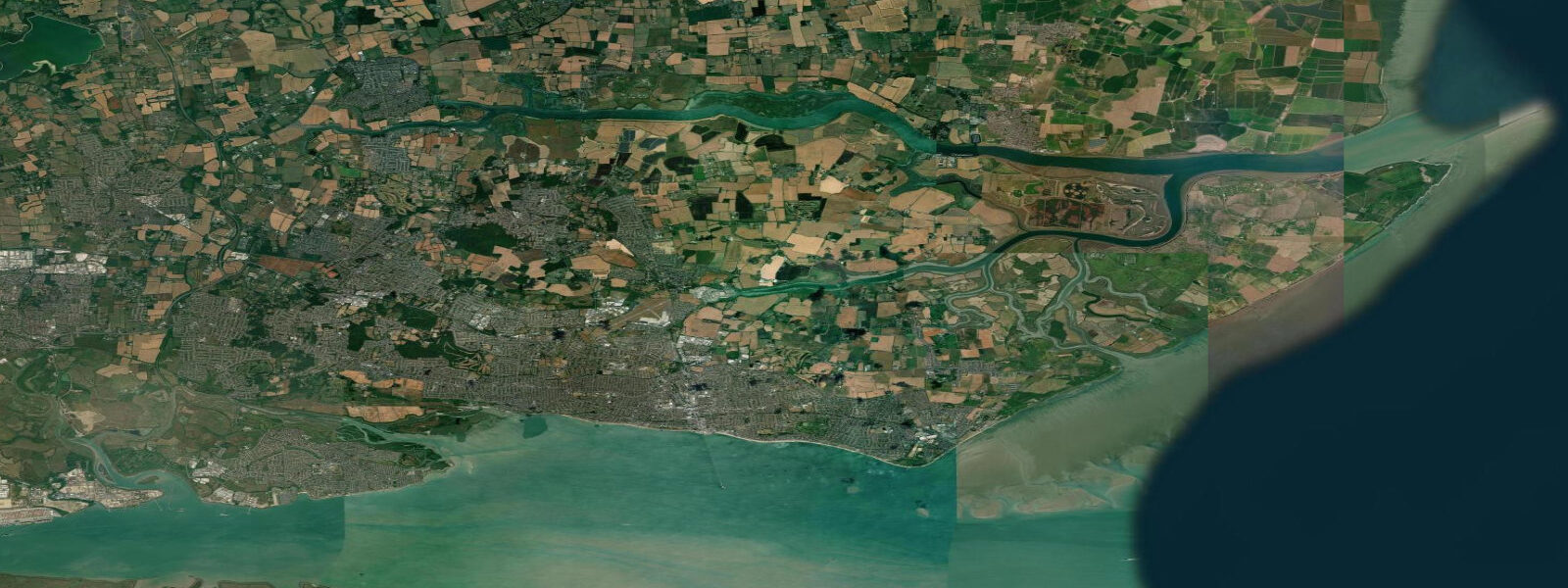
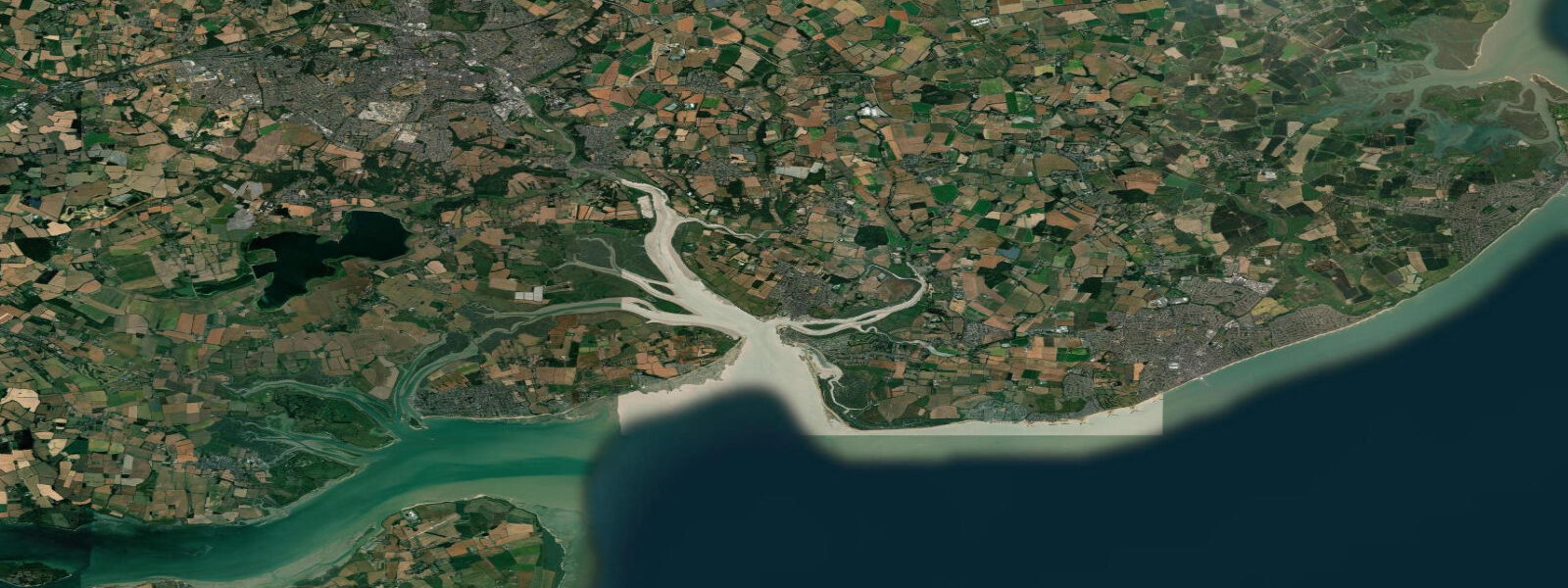
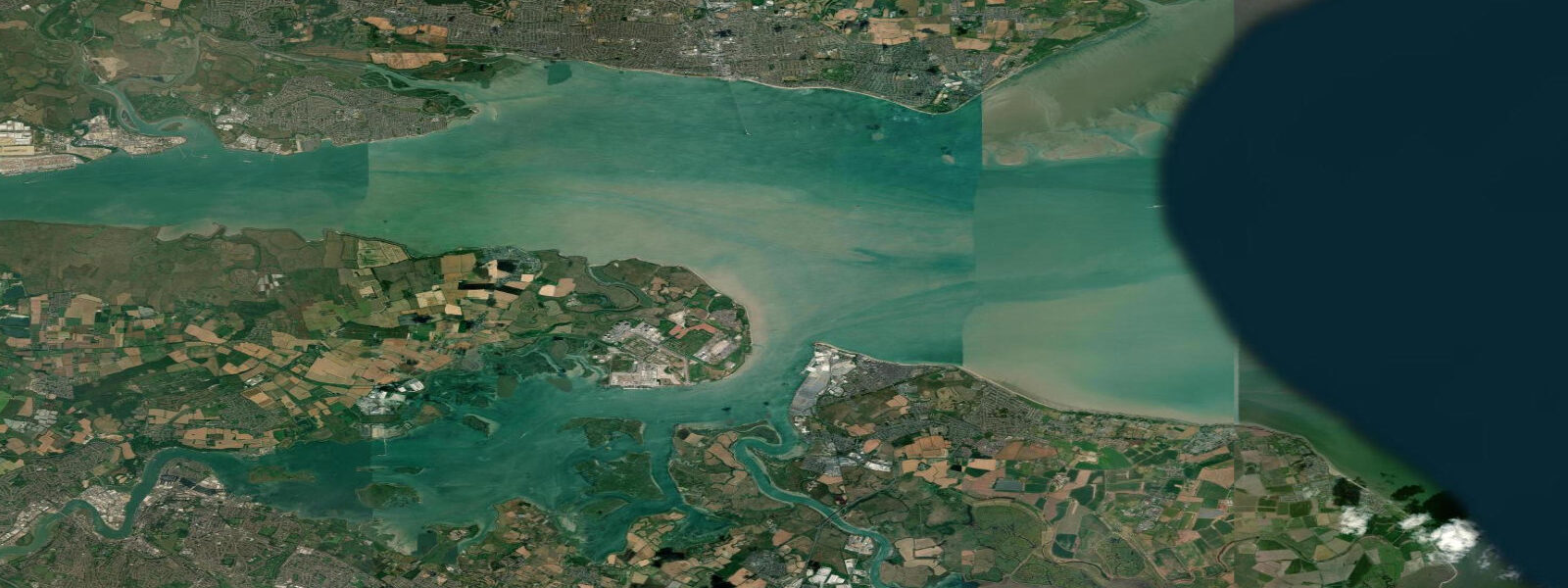
The three closest curated TideTurtle locations to Burnham-on-Crouch, measured by great-circle distance.
Today's solunar windows
Solunar tradition: major periods are the ≈3h windows around moon transit and opposition; minor are ≈2h around moonrise and moonset. Pair with the local tide stage and wind for the best read.
Cycle dates near Burnham-on-Crouch
Last spring tide on Tue 04 Aug (range 4.1m / 13.5ft). Next spring tide on Mon 10 Aug (range 3.4m / 11.3ft). Next neap on Fri 07 Aug.
Spring tides cluster around new and full moons (biggest swings). Neap tides land on quarter moons (smallest swings). See the spring tide and neap tide glossary entries for the why.
About tides at Burnham-on-Crouch
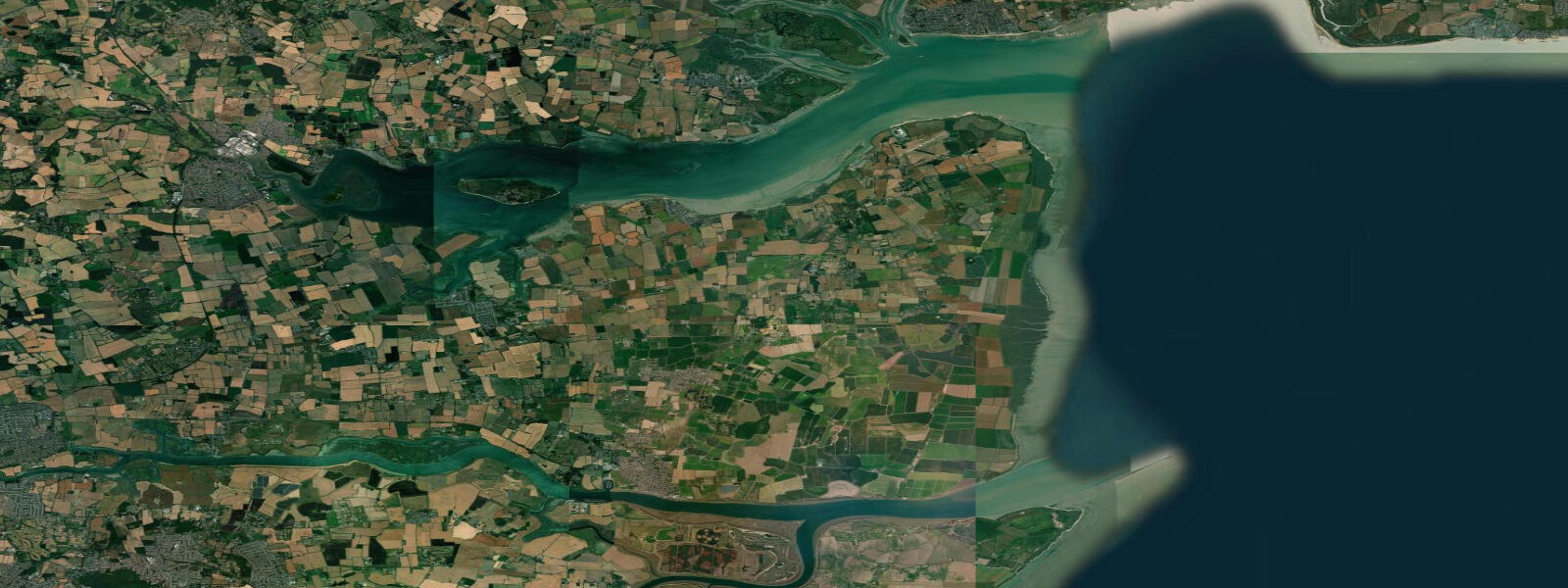
A short guide to the coastline at Burnham-on-Crouch — geography, sea state, and what the tide is actually doing under your feet.
Burnham-on-Crouch stands on the north bank of the River Crouch, 14 km inland from the river's mouth, and it is the most serious sailing river on the East Coast. The tidal range here is approximately 5.4 m at springs — large enough that the pontoons at the town quay rise and fall nearly three metres between neap low and spring high water. Low water on springs exposes the mud berths and all but the deepest mooring trots, forcing a hard calculation about draft and departure windows for visiting sailors.
The Crouch has a 2-hour lag behind Southend-on-Sea: if Southend high water is at 12:00, expect the top of the tide at Burnham around 14:00. This matters because the ebb at the river entrance can still be running hard while sailors are timing their departure from the town. The river runs roughly east-west; tidal streams on the spring ebb reach 2 knots in the main channel and over 2.5 knots at Burnham's waterfront.
For yacht racing, the tidal window is the race. Burnham-on-Crouch hosts the Royal Burnham Yacht Club (founded 1895) and the Royal Corinthian Yacht Club on the same half-mile of waterfront — two of the oldest sailing clubs in the country. Burnham Week, held in late August or early September, draws over 250 boats and is timed to coincide with the period of longest high-water daylight. Courses are set to exploit the spring ebb on downwind legs and the last of the flood on the beats back. If you're racing, knowing the turn of the tide to within 10 minutes changes your laylines.
Bass fishing on the Crouch is best on the first two hours of the flood. Work the deeper water off Burnham's town quay as the tide rises into the saltmarsh edge: soft plastic lures on a 10–15 g head cast slightly uptide and allowed to swing cover the feeding lane where bass follow the baitfish onto the new flood. Mullet are in the river from May through October and can be taken on floating bread crust on a slack neap tide. The tidal flat east of town, known locally as the Horse Shoal, shows good eel and flounder marks on the last two hours of the ebb in summer.
Photographers working the waterfront should go at low water on a clear morning with a westerly. The beached boats, exposed mud, and wooden staging between the Royal Corinthian and the town quay produce strong foreground texture. Spring low tides in the first half of the year, when the ebb bottoms out in the early morning, give the best light. The quay wall itself is a lead-in line from virtually every angle at low water.
Families arrive at Burnham for the quayside atmosphere and the safe foreshore east of the yacht clubs. Children can crab from the town quay for three hours either side of high water. The beach east of the sailing clubs is firm sand and shingle from mid-tide up; the lower foreshore is soft mud. The incoming tide is not dangerously fast here — this is an estuary, not the Bristol Channel — but the mud below the sand line is deep enough to stick, so keep younger children above the half-tide line.
Paddleboarders and kayakers have an excellent 8 km window on the flood: launch from Burnham Sailing Club slip two hours before high water, paddle upriver to Creeksea Ferry with the tide behind you, and return on the ebb. Current at maximum flood is gentle enough to manage but strong enough to help you upstream; on neap tides the paddle is more meditative. Avoid the main shipping channel east of the marina — commercial traffic uses it.
Tidal predictions here use the Open-Meteo Marine gridded model (±45 minutes on timing, ±0.3 m on height). Not for navigation.
Tide questions about Burnham-on-Crouch
Quick answers to the most common questions about tide times, range, and water access at Burnham-on-Crouch.
How does Burnham-on-Crouch tide time compare to Southend?
Burnham-on-Crouch high water runs approximately 2 hours after Southend-on-Sea. The River Crouch's length and shallow geometry delay the tidal wave significantly as it travels inland. This means the ebb is still running at the river mouth when the town's tide is close to high — important for sailors timing a departure. The Environment Agency's tide gauge data for Burnham confirms the lag consistently across spring and neap cycles. Always check Burnham-specific times rather than using Southend and assuming rough equivalence.
What is the tidal range at Burnham-on-Crouch?
Spring tidal range at Burnham-on-Crouch is approximately 5.4 m. Neap range drops to around 2.5 m. The difference means a yacht that floats comfortably at a neap low water may need to check its keel on spring lows in the mud berths. Tidal streams in the main channel reach 2 to 2.5 knots on spring ebbs. The semidiurnal pattern delivers two high waters per day. The range is broadly consistent with other locations in the outer Thames Estuary, though the 2-hour lag relative to Southend compresses the ebb cycle slightly.
When is the best time to fish at Burnham-on-Crouch?
Bass fishing in the Crouch at Burnham peaks on the first two hours of the flood tide — work the edge of the saltmarsh from the Horse Shoal east of town with soft plastics or surface lures. Mullet are present from May through October and take floating bread on slack neap tides at the town quay. Flounder and eels show well on the last two hours of the spring ebb over sandy ground east of the marina. Dawn high water tides from June through August are consistently the most productive sessions for bass in the river.
When is Burnham Week and how does the tide affect it?
Burnham Week is held in late August or early September and is planned around the period of maximum spring tidal range with daylight high waters. Racing courses exploit the strong spring ebb on downwind legs and the flood on the windward beats. The tidal stream in the main Crouch channel reaches 2 to 2.5 knots at springs, effectively adding or subtracting that from boat speed on upriver versus downriver legs. Competitors who know the turn of the tide within 10 minutes gain measurable layline advantages over those working from rough estimates.
Can you paddleboard or kayak on the River Crouch at Burnham?
The River Crouch from Burnham upstream to Creeksea Ferry is an excellent 8 km paddling route on the flood tide. Launch from the Burnham Sailing Club slip roughly two hours before high water, paddle upriver with the flood behind you, and return on the early ebb. Spring tidal current at maximum is manageable for intermediate paddlers; neap tides are gentler. Stay south of the main navigation channel east of the marina to avoid commercial traffic. The mud banks exposed at low water make mid to upper reach the safest window for beginners.
7-day tide table — Burnham-on-Crouch
Heights relative to MSL. Predictions: Open-Meteo Marine (MeteoFrance SMOC, 0.08° grid) — heights relative to MSL (not chart datum / LAT). Model-derived.
| Day | Type | Time | Height |
|---|---|---|---|
| Tue 04 Aug | Low | 01:00 | -0.1m / -0.2ft |
| High | 03:57 | 1.6m / 5.3ft | |
| Low | 10:13 | -1.8m / -6.1ft | |
| High | 15:58 | 1.4m / 4.7ft | |
| Low | 22:41 | -2.5m / -8.2ft | |
| Wed 05 Aug | High | 04:41 | 1.3m / 4.1ft |
| Low | 10:55 | -2.0m / -6.5ft | |
| High | 16:51 | 1.3m / 4.1ft | |
| Low | 23:26 | -2.3m / -7.6ft | |
| Thu 06 Aug | High | 05:31 | 1.1m / 3.7ft |
| Low | 11:40 | -1.7m / -5.4ft | |
| High | 17:46 | 1.4m / 4.6ft | |
| Fri 07 Aug | Low | 00:21 | -2.0m / -6.5ft |
| High | 06:33 | 1.1m / 3.4ft | |
| Low | 12:45 | -1.7m / -5.7ft | |
| High | 18:57 | 1.1m / 3.6ft | |
| Sat 08 Aug | Low | 01:25 | -2.0m / -6.7ft |
| High | 07:45 | 0.9m / 3.0ft | |
| Low | 13:54 | -1.7m / -5.6ft | |
| Sun 09 Aug | High | 08:57 | 1.0m / 3.3ft |
| Low | 15:00 | -1.7m / -5.6ft | |
| High | 21:31 | 1.4m / 4.5ft | |
| Mon 10 Aug | Low | 03:44 | -1.8m / -5.8ft |
| High | 10:03 | 1.4m / 4.4ft | |
| Low | 16:14 | -1.8m / -6.0ft | |
| High | 22:36 | 1.6m / 5.3ft |