Abu Dhabi Corniche Beach tide times
Abu Dhabi Corniche Beach tide forecast — heights relative to MSL.
Today's tide times for Abu Dhabi Corniche Beach
Tide times at Abu Dhabi Corniche Beach on Tuesday, 4 August 2026: first high tide at 04:00, first low tide at 10:06, second high tide at 16:43, second low tide at 23:00. Sunrise 05:52, sunset 19:05.
Tide chart for Abu Dhabi Corniche Beach
24-hour cosine-interpolated curve around the present moment. Heights relative to MSL. Predictions: Predictions: Open-Meteo Marine (MeteoFrance SMOC, 0.08° grid).
Sun, moon and conditions on Tue 04 Aug
Snapshot at build time — refreshes daily. Sea state from Open-Meteo Marine.
Highs and lows next 7 days
Every predicted high and low for the next week, with the daily tidal coefficient (0–120; higher = bigger swing, > 95 means stronger currents).
Other spots nearby
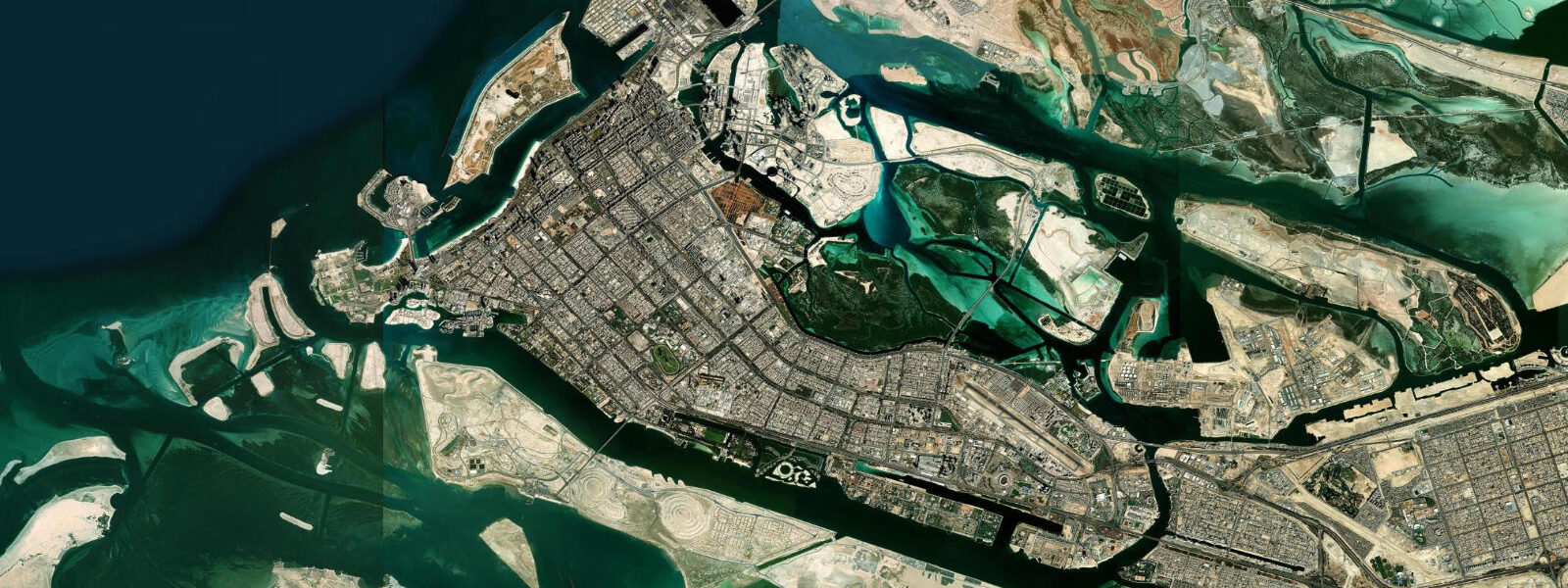
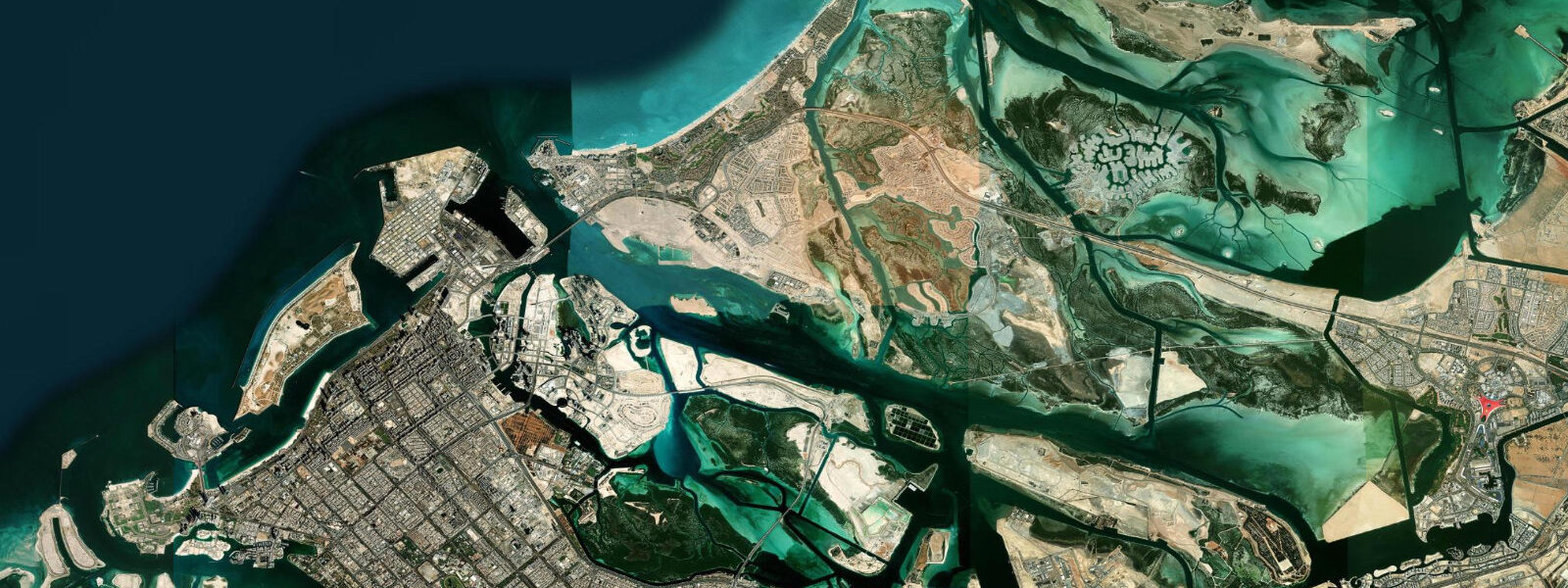
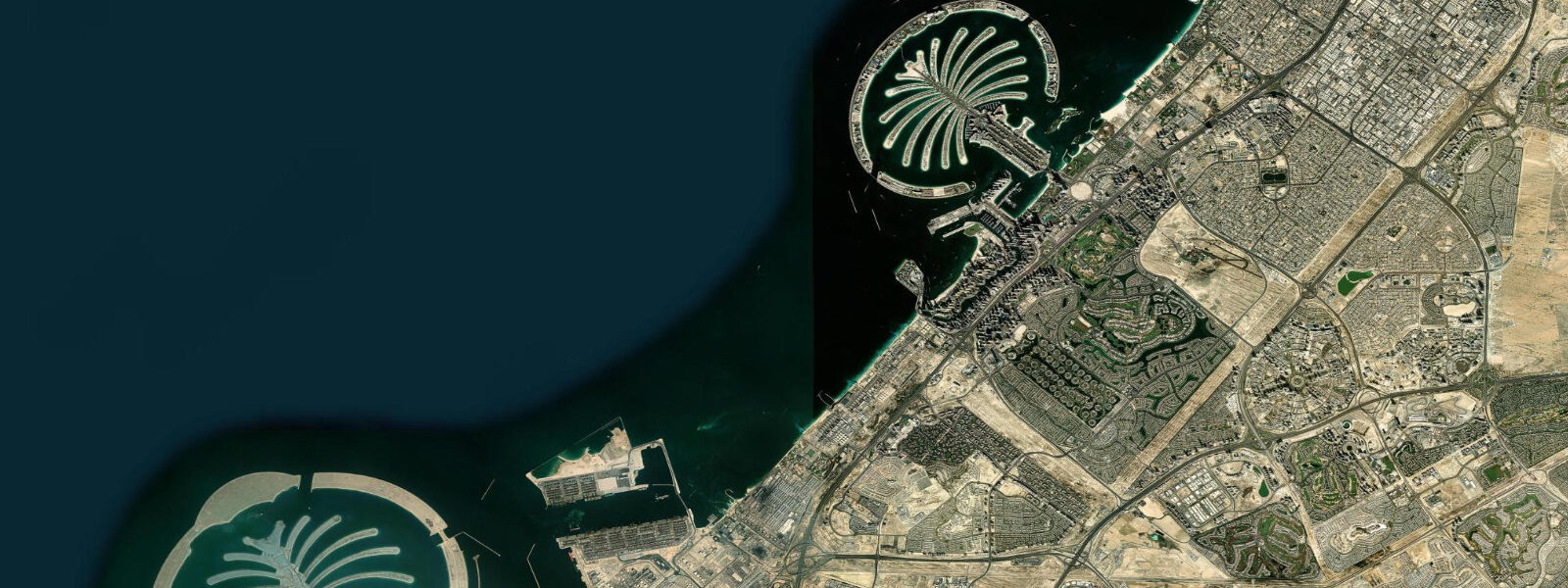
The three closest curated TideTurtle locations to Abu Dhabi Corniche Beach, measured by great-circle distance.
Today's solunar windows
Solunar tradition: major periods are the ≈3h windows around moon transit and opposition; minor are ≈2h around moonrise and moonset. Pair with the local tide stage and wind for the best read.
Cycle dates near Abu Dhabi Corniche Beach
Last spring tide on Tue 04 Aug (range 1.6m). Next neap on Mon 10 Aug.
Spring tides cluster around new and full moons (biggest swings). Neap tides land on quarter moons (smallest swings). See the spring tide and neap tide glossary entries for the why.
About tides at Abu Dhabi Corniche Beach
A short guide to the coastline at Abu Dhabi Corniche Beach — geography, sea state, and what the tide is actually doing under your feet.
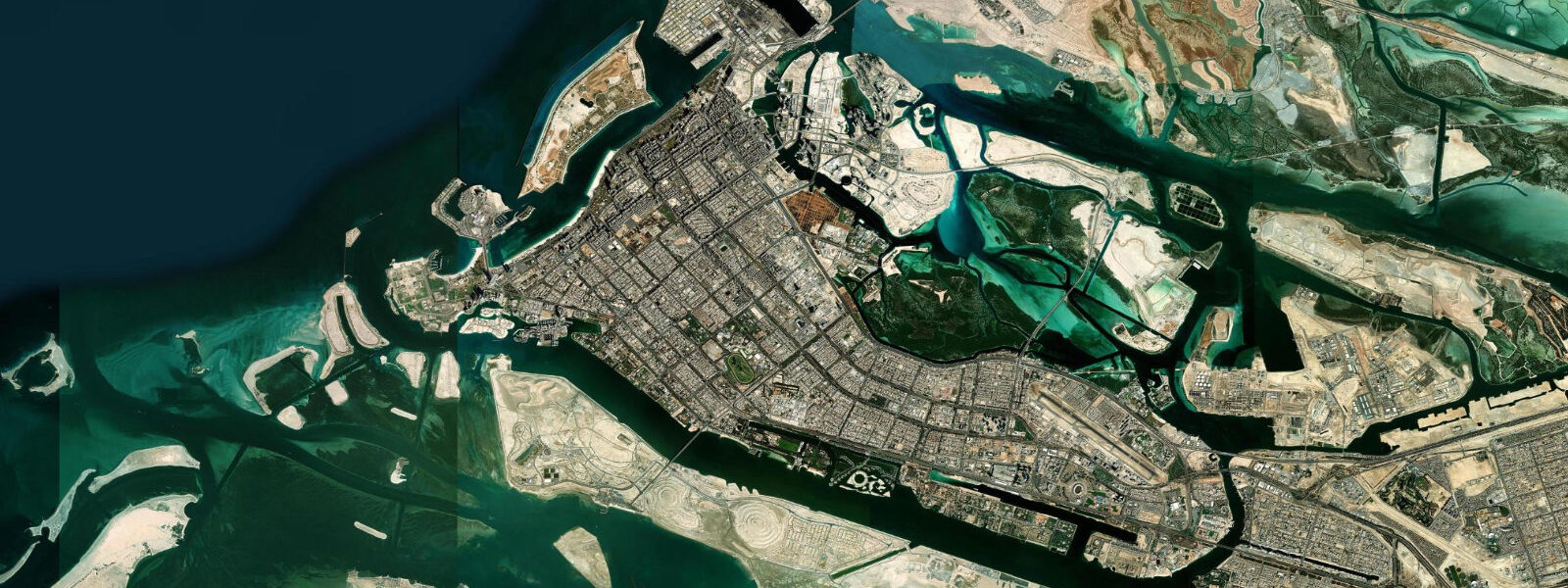
The Abu Dhabi Corniche beach runs for 8 km along the northern edge of Abu Dhabi Island, facing north-northwest across the inner Persian Gulf toward the shallow water between the island and the mainland. The beach is divided into public zones (free access) and paid zones with changing facilities, lifeguards, and beach chairs; the paid sections run from roughly 09:00 to 18:00 during the main season. Behind the beach rises Abu Dhabi's skyline; in front is the shallow, flat Gulf water that defines the city's coastal character.
The tidal regime at Abu Dhabi is mixed semidiurnal. Spring range at Abu Dhabi Port is approximately 1.5–2.0 m above Chart Datum; neap range 0.6–0.9 m. Two unequal highs and two unequal lows occur on most days. The inner Gulf position and the shallow-water bathymetry mean that the tidal change is gradual and the transition between high and low is slow; the rate of change in water level is much lower than on an open oceanic coast with the same range.
The shallow Abu Dhabi coast is structurally a consequence of the island geography. Abu Dhabi Island is separated from the mainland by a shallow channel (the Khor Al Maqta and Khor Al Bateen passages) and surrounded by inter-tidal sandflats and seagrass beds. At low water along the Corniche beach, the outer water shallows to ankle-to-knee depth for 50–100 m before reaching swimming depth; families with small children use this wide, very shallow zone as a wading area. At high water the swim is available from the beach edge.
Sea surface temperatures on the Corniche follow the extreme Gulf pattern: 14–18°C in January–February and 32–35°C in July–August. The swimming season for most people is October through May; in June–September the combination of 38–45°C air temperature, high humidity, and 30–35°C water makes outdoor beach activity uncomfortable or hazardous between 10:00 and 17:00. Early morning beach use (06:00–09:00) continues year-round for joggers, cyclists, and committed open-water swimmers.
The Corniche promenade — the main walking and cycling track — runs the full 8 km of the beach; the shared pedestrian/cycle path is active from 05:00 to midnight year-round and is one of the best-maintained urban waterfronts in the Gulf. Fishing from the Corniche rocks (at the western end near the old fish market area) targets trevally, barracuda, and various reef fish on the incoming tide in the cooler months (October–April). The National Centre of Meteorology (NCM) UAE publishes official tide tables for Abu Dhabi and UAE ports. Predictions here: Open-Meteo Marine, ±45 min / ±0.2–0.3 m.
The Corniche's western end terminates at the Heritage Village and the fish market area; the 1960s-era fish market buildings have been replaced by a modern facility that retains the early-morning trading character. Arriving at 05:30–06:30 gives access to the freshest Gulf fish from the overnight Emirati and Omani fishing boats: hamour (grouper), safi (rabbitfish), shaari (sea bream), and the various kingfish species are traded on the dock floor. The fish market activity is at its peak on the incoming tide when the boats return from the fishing grounds; it is largely over by 08:00.
The Corniche development has evolved over six decades from a simple waterfront road to the current 8 km landscaped promenade with multiple beach sections, parks, a cycling track, and the Corniche Hospital at its eastern end. The original land reclamation that created the Corniche was completed in stages from the 1970s; the beach itself is largely artificial, maintained by periodic nourishment. The annual Corniche sand replenishment programme addresses the net eastward littoral drift that gradually removes beach sand from the western sections. The 22 km Corniche cycle and pedestrian track is one of the longest continuous urban coastal promenades in the Gulf, drawing residents and visitors in the cooler months for the combination of flat walking surface, water views, and the Emirate's characteristic winter blue sky.
Tide questions about Abu Dhabi Corniche Beach
Quick answers to the most common questions about tide times, range, and water access at Abu Dhabi Corniche Beach.
Is the Abu Dhabi Corniche beach suitable for children?
Yes. The Corniche beach is one of the most family-friendly beaches in the UAE. The water shallows very gradually — ankle-to-knee depth for 50–100 m at low water before reaching swimming depth. The paid beach sections have lifeguard coverage during operational hours (approximately 09:00–18:00 in season). The very gentle gradient means shallow-water play is available at all tide states. At high water the swim is from the beach edge; at low water the wide shallow zone is a paddling area for small children. The paid beach sections have clearly signed swimming zones with flags; stay within the flagged zones where lifeguard visibility is maintained.
When is the best season to use the Corniche beach?
October through May is the main beach season. Air temperatures are 20–32°C and water temperatures 22–28°C — comfortable for extended beach time. June through September is oppressively hot (air 38–45°C, water 30–35°C); the beach is open but outdoor activity between 10:00 and 17:00 is inadvisable. Early morning beach use (before 09:00) continues year-round; the Corniche promenade is used by joggers and cyclists in the dark before sunrise during summer. The coolest months (January–February) have water at 15–18°C — cool for casual swimming but comfortable for open-water training. The Emirates Football Association calendar means the Corniche fills with families on national holidays (December 2–3, UAE National Day) regardless of season.
Where do the tide predictions on this page come from?
Open-Meteo Marine, a free gridded global ocean model. Accuracy is typically ±45 minutes on timing and ±0.2–0.3 m on height. The National Centre of Meteorology (NCM) UAE publishes official tide tables for Abu Dhabi Port and other UAE stations; Abu Dhabi Port is the primary reference gauge for the Abu Dhabi coast. For navigation in Abu Dhabi harbour and approaches, use NCM data. This page is not for navigation. NCM UAE's official website (ncm.ae) publishes tide predictions and marine forecasts for UAE ports in English and Arabic.
Is there a noticeable current along the Corniche beach?
Tidal currents along the Corniche beach face are generally weak — under 0.3 knots in the open beach section. The stronger currents in the Abu Dhabi coastal system are in the Khor Al Maqta and Khor Al Bateen channels between the island and the mainland, where spring currents run 0.5–1.5 knots. Swimming along the Corniche beach face is not significantly affected by tidal current. Wind-driven surface currents from sustained NW winds can produce a mild longshore drift, but this is not a hazard for recreational swimmers staying within the flagged zones. The Khor Al Maqta and Khor Al Bateen channels, where 0.5–1.5 knot tidal currents run, are the channels that cross under the main Abu Dhabi island bridges.
Why is the Gulf water so warm in summer?
The Persian Gulf is a shallow (average depth 35 m), semi-enclosed basin with limited exchange with the open Indian Ocean through the Strait of Hormuz. In summer, intense solar heating combined with very low cloud cover drives sea surface temperatures to 32–35°C at Abu Dhabi. Evaporation rates are extreme — salinity in the inner Gulf reaches 40–43 ppt compared to the ocean average of 35 ppt. In winter the Gulf cools rapidly and temperatures drop to 14–18°C. No other major coastal population lives with a 20°C annual sea temperature range of this magnitude. The 2022 IPCC projections estimate 0.3–0.5 m of additional sea level rise in the Persian Gulf by 2100 under intermediate emissions; this would eliminate the low-tide beach apron at the Corniche under current engineering.
8-day tide table — Abu Dhabi Corniche Beach
Heights relative to MSL. Predictions: Open-Meteo Marine (MeteoFrance SMOC, 0.08° grid) — heights relative to MSL (not chart datum / LAT). Model-derived.
| Day | Type | Time | Height |
|---|---|---|---|
| Tue 04 Aug | High | 04:00 | 0.9m |
| Low | 10:06 | -0.6m | |
| High | 16:43 | 1.1m | |
| Low | 23:00 | -0.1m | |
| Wed 05 Aug | High | 17:07 | 1.1m |
| Low | 23:43 | -0.2m | |
| Thu 06 Aug | High | 05:03 | 0.5m |
| Low | 10:43 | -0.2m | |
| High | 17:40 | 1.1m | |
| Fri 07 Aug | — | ||
| Sat 08 Aug | Low | 02:45 | -0.3m |
| High | 19:36 | 1.1m | |
| Sun 09 Aug | Low | 04:19 | -0.5m |
| High | 21:00 | 1.2m | |
| Mon 10 Aug | Low | 05:26 | -0.6m |
| High | 13:15 | 0.5m | |
| Tue 11 Aug | Low | 03:00 | -0.0m |