Fethiye, Muğla tide times
Fethiye, Muğla tide forecast — heights relative to MSL.
Today's tide times for Fethiye, Muğla
Tide times at Fethiye, Muğla on Tuesday, 4 August 2026: first high tide at 03:00, first low tide at 08:00. Sunrise 06:11, sunset 20:07.
Tide chart for Fethiye, Muğla
24-hour cosine-interpolated curve around the present moment. Heights relative to MSL. Predictions: Predictions: Open-Meteo Marine (MeteoFrance SMOC, 0.08° grid).
Sun, moon and conditions on Tue 04 Aug
Snapshot at build time — refreshes daily. Sea state from Open-Meteo Marine.
Highs and lows next 7 days
Every predicted high and low for the next week, with the daily tidal coefficient (0–120; higher = bigger swing, > 95 means stronger currents).
Other spots nearby
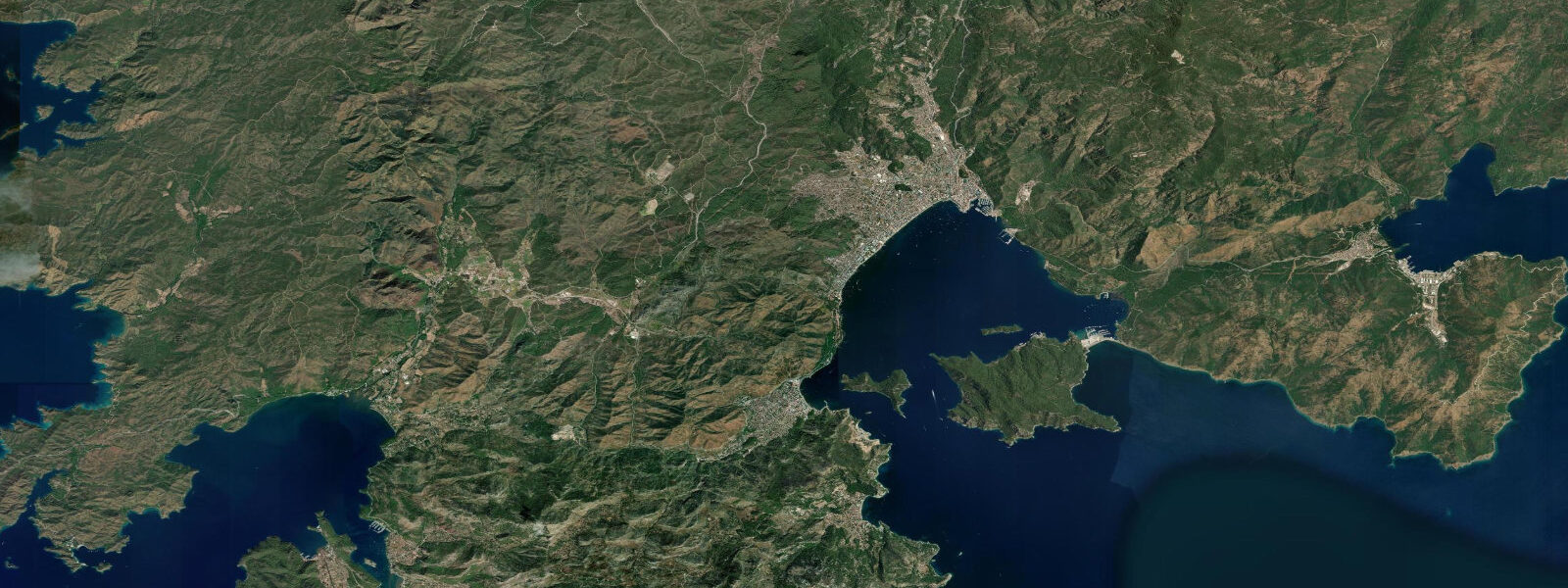
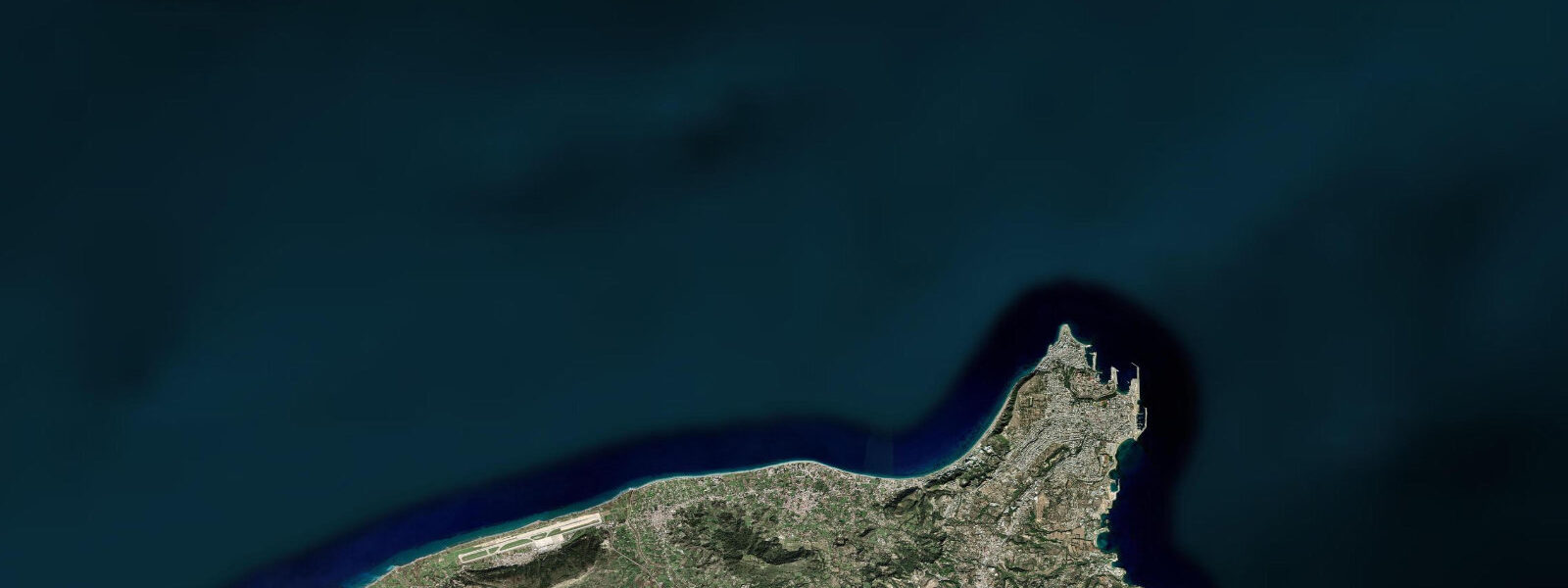
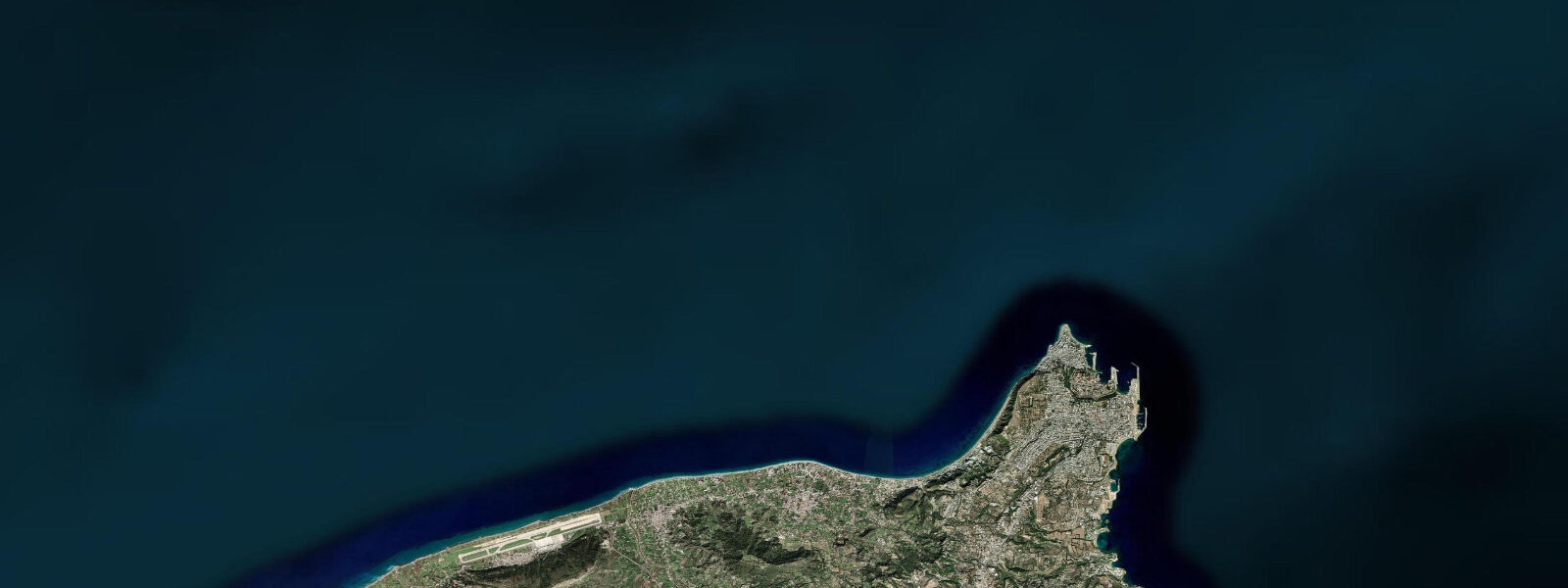
The three closest curated TideTurtle locations to Fethiye, Muğla, measured by great-circle distance.
Today's solunar windows
Solunar tradition: major periods are the ≈3h windows around moon transit and opposition; minor are ≈2h around moonrise and moonset. Pair with the local tide stage and wind for the best read.
About tides at Fethiye, Muğla
A short guide to the coastline at Fethiye, Muğla — geography, sea state, and what the tide is actually doing under your feet.
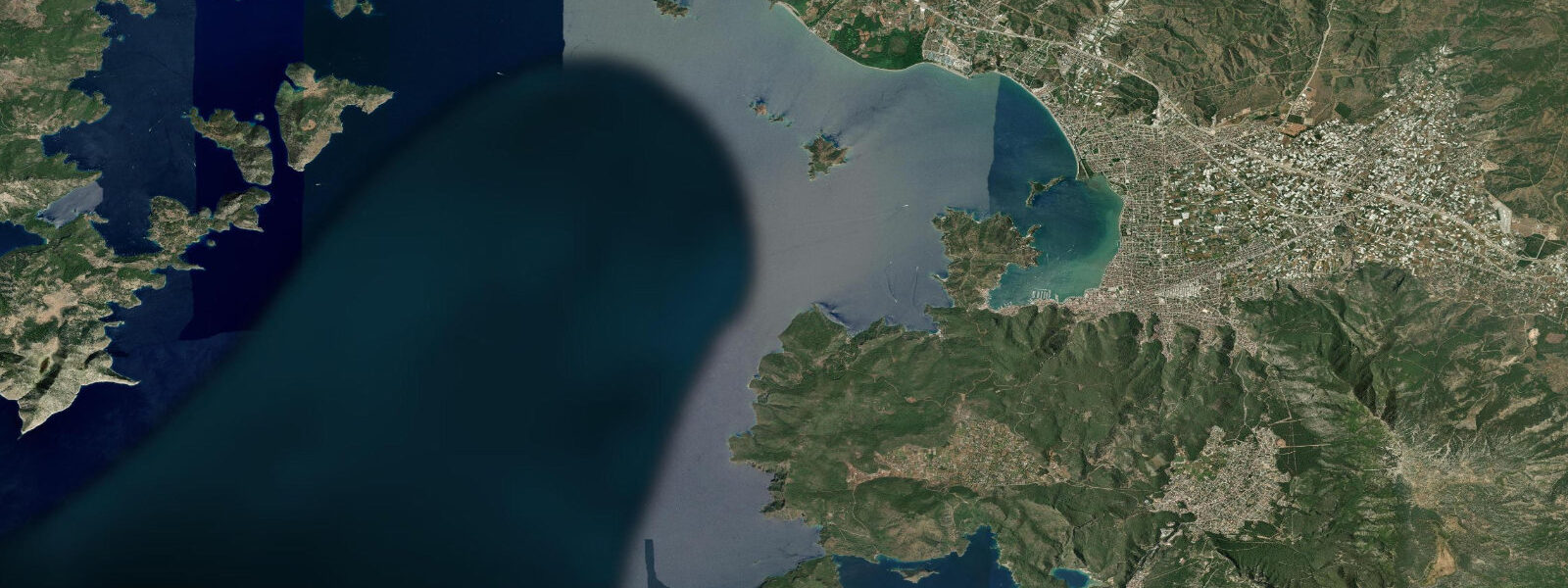
Fethiye anchors the western end of the Turkish Turquoise Coast, a 300-kilometre stretch of limestone headlands, drowned river valleys, and island-scattered bays that runs east toward Antalya. The town sits at the head of a large bay dotted with 12 small islands; to the east the mountain flanks above the bay are terraced with Lycian rock tombs carved directly into the cliff face, high above the highest water line. The tombs date from the 4th century BCE and are visible from the harbour quay — the most prominent, the Tomb of Amyntas, is 7 metres tall with Ionic columns framing the doorway.
The tidal regime at Fethiye is eastern Mediterranean microtidal: mean range 0.2 to 0.4 metres, mixed semidiurnal with diurnal inequality. The two daily highs are rarely equal; on many days the pattern approaches a single dominant high and low. At neap periods the range drops below 0.15 metres. Wind and pressure dominate water level at these scales — a multi-day south-westerly Lodos can raise the bay level by 0.2 metres, masking the tidal signal entirely. For practical purposes, no water-access activity in the Fethiye bay is tide-constrained for timing. The planning variable is weather, not the tide table.
The 12 Islands — the local excursion fleet's branded itinerary of the bay's twelve named islands and coves — are the defining day-trip experience from Fethiye harbour. Wooden gulet and day-boat charters depart at 09:30 and return by 18:00, covering a selection of islands and swimming stops. Tidal range across the bay islands is 0.2 to 0.4 metres; the sandy cove beaches at each stop gain or lose 2 to 4 metres of foreshore across the tidal cycle, but the change is imperceptible against the visual scale of the coves. The 12 Islands circuit is weather-dependent: the bay is well-protected from northerlies, but a south-westerly Lodos above Force 4 makes the outer islands uncomfortable and cancellations occur.
Ölüdeniz — the Blue Lagoon — is 15 kilometres south of Fethiye and is among the most photographed coastal sites in Turkey. It is a nearly enclosed tidal lagoon connected to the open sea through a narrow channel cut through a barrier spit of fine white sand. The lagoon follows the tidal cycle with a lag of 20 to 40 minutes: high water in the open bay arrives at the lagoon's interior approximately 30 minutes later, and the tidal difference across the spit drives a gentle through-current in the channel. At dead low water the sandbar narrows and the connection to the sea is at its most constricted; at high water the spit is partially overwashed and the lagoon interior is at its calmest. The lagoon is protected as a Special Protected Area; anchoring inside is prohibited and motorised water sports are restricted. The barrier spit is walkable across the narrowest point — roughly 40 metres wide — at low water when the sand is exposed to its maximum extent. Swimmers use the lagoon for calm-water open-water swims; the water temperature inside reaches 28°C in August, 2 to 3°C warmer than the open bay outside due to solar heating of the shallow enclosed volume.
Butterfly Valley — Kelebekler Vadisi — is accessible only by boat from Ölüdeniz or Fethiye, a 45-minute transfer in season. The valley cuts vertically back from a small beach, rising to 350 metres in a gorge of Lycian limestone. A seasonal waterfall drops from the cliff above the beach; it runs strongly from March through May after winter rainfall and reduces to a trickle or stops entirely by August. The beach is 150 metres of coarse sand and pebble; at low water (range 0.2 to 0.3 metres) an additional 3 to 5 metres of wet sand and gravel is exposed at the foot of the cliff. Camping on the beach is possible for those who arrive by the last boat; the valley is free of road access and vehicle noise.
The Karmylassos ruins — the drowned Lycian city on the slopes above the town — occupy the hillside above modern Fethiye and the district of Kayaköy. Kayaköy is a separate site: an abandoned Greek Orthodox village of 350 houses and two churches, deserted in the 1923 population exchange. The Lycian Way coastal trail runs through and above both sites. Sections of the trail above the Fethiye bay give direct sightlines to the harbour and the 12 Islands; the trail elevation is 100 to 400 metres above sea level, entirely above any tidal influence. The ancient Lycian rock tombs above the harbour — five principal tombs visible from the quay — have their doorways at 30 to 80 metres above sea level. They were deliberately placed above the coastal zone, reading the sea as background rather than access route.
Çalış Beach, 3 kilometres north-east of Fethiye town along the inner bay, is the main family beach. The beach is flat sand and fine shingle, 2 kilometres in length. Tidal range here is the same 0.2 to 0.4 metres as the wider bay; the beach gains approximately 4 to 8 metres of foreshore at low water on spring tides. Water temperature in July and August is 25 to 26°C at the open-bay end and 27 to 28°C at the sheltered northern end. A waterfront promenade with restaurants and water-sports rentals runs the full length. Ferries connect Çalış to Fethiye harbour every 15 minutes in season — the most practical way to reach town without navigating the road traffic.
Anglers targeting sea bass, bream, and grouper work the rocky headlands north and south of Fethiye harbour and the outer channel between the bay and the 12 Islands. The morning session — two hours before sunrise through to 08:00 — produces the most consistent shore-based catches. Tidal timing is secondary to wind direction: a light offshore breeze at dawn, regardless of tidal state, is the most reliable condition signal. Boat-based fishing in the 12 Islands channel targets dentex and amberjack on the deeper structure; peak season is May to June and September to October.
Tide data for Fethiye, Muğla comes from the Open-Meteo Marine API, a gridded model product. Timing accuracy is ±45 minutes, height accuracy ±0.3 m — usable for trip planning, not for navigation.
Tide questions about Fethiye, Muğla
Quick answers to the most common questions about tide times, range, and water access at Fethiye, Muğla.
How does the tidal cycle affect Ölüdeniz Blue Lagoon?
Ölüdeniz is an almost-enclosed tidal lagoon connected to the open sea by a narrow channel through the barrier spit. The lagoon follows the tidal cycle with a 20 to 40-minute lag: high water in the open bay arrives at the lagoon interior approximately 30 minutes later. This lag drives a gentle through-current in the channel that is noticeable to swimmers crossing it. At dead low water the sandbar narrows to its minimum width and the connecting channel is most constricted; at high water the spit is at its lowest and the lagoon is calmest. The barrier spit is most easily walked across at low water when the maximum sand is exposed. The overall tidal range — 0.2 to 0.4 metres — means the difference between high and low water at Ölüdeniz is subtle but consistently produces 3 to 6 metres of additional sandbar at low tide.
What is the 12 Islands trip and does it require tidal planning?
The 12 Islands is a day-boat excursion from Fethiye harbour covering a selection of the bay's twelve named islands and coves. Boats depart at approximately 09:30 and return by 18:00. No tidal planning is required — the eastern Mediterranean range of 0.2 to 0.4 metres means all anchorage coves along the route are accessible at any tidal state, and the beach stops gain or lose only 2 to 4 metres of foreshore across the full range. Weather is the relevant variable: the bay is well-protected from northerlies but south-westerly Lodos winds above Force 4 cause cancellations. Book through the Fethiye harbour agents; most boats include lunch and snorkelling stops.
How do I reach Butterfly Valley and what is the beach like?
Butterfly Valley (Kelebekler Vadisi) is accessible only by boat — no road reaches the beach. Boats run from Ölüdeniz beach in season (approximately 10:00, 13:00, 16:00 departures; return trips at 11:00, 14:00, 18:00) and take 20 minutes. From Fethiye harbour allow 45 minutes. The beach is 150 metres of coarse sand and gravel at the foot of a vertical limestone valley. At low water (range 0.2 to 0.3 metres) an additional 3 to 5 metres of wet sand is exposed at the cliff base. A seasonal waterfall runs above the beach from March through May; it reduces or stops by August. Camping is permitted on the beach; there are basic facilities at a small pension at valley level.
What are the Lycian rock tombs near Fethiye and can the tide affect access?
The Lycian rock tombs above Fethiye harbour — including the Tomb of Amyntas, 7 metres tall with full Ionic columns — were cut into the cliff face at 30 to 80 metres above sea level, deliberately above any coastal access zone. The most prominent tombs are visible from the harbour quay; the access path climbs from the old town and is entirely on land at elevations beyond any tidal influence. The Karmylassos site and the abandoned Greek village of Kayaköy are inland on the hillside above modern Fethiye; the Lycian Way trail connects both. None of these sites involve tidal timing — visit in the early morning for the best light on the cliff faces and the greatest solitude before the excursion boats depart.
Is Çalış Beach better at high tide or low tide?
Çalış Beach is a 2-kilometre flat sand and shingle beach on the inner bay, 3 kilometres north-east of Fethiye town. At low water on a spring tide (range up to 0.4 metres) the beach gains approximately 4 to 8 metres of foreshore — useful additional space in the peak July and August period when the beach is crowded. High tide brings the water closer to the promenade but does not eliminate the beach. Water temperature is 25 to 26°C on the open-bay end and 27 to 28°C at the sheltered northern end in summer. The ferry from Çalış to Fethiye harbour runs every 15 minutes in season and is the easiest way to reach town — no need to navigate road traffic.
8-day tide table — Fethiye, Muğla
Heights relative to MSL. Predictions: Open-Meteo Marine (MeteoFrance SMOC, 0.08° grid) — heights relative to MSL (not chart datum / LAT). Model-derived.
| Day | Type | Time | Height |
|---|---|---|---|
| Tue 04 Aug | High | 03:00 | -0.3m |
| Low | 08:00 | -0.4m | |
| Wed 05 Aug | High | 03:00 | -0.2m |
| Low | 09:00 | -0.3m | |
| High | 15:00 | -0.3m | |
| Low | 21:00 | -0.4m | |
| Thu 06 Aug | High | 16:00 | -0.3m |
| Fri 07 Aug | — | ||
| Sat 08 Aug | — | ||
| Sun 09 Aug | — | ||
| Mon 10 Aug | — | ||
| Tue 11 Aug | Low | 02:00 | -0.3m |