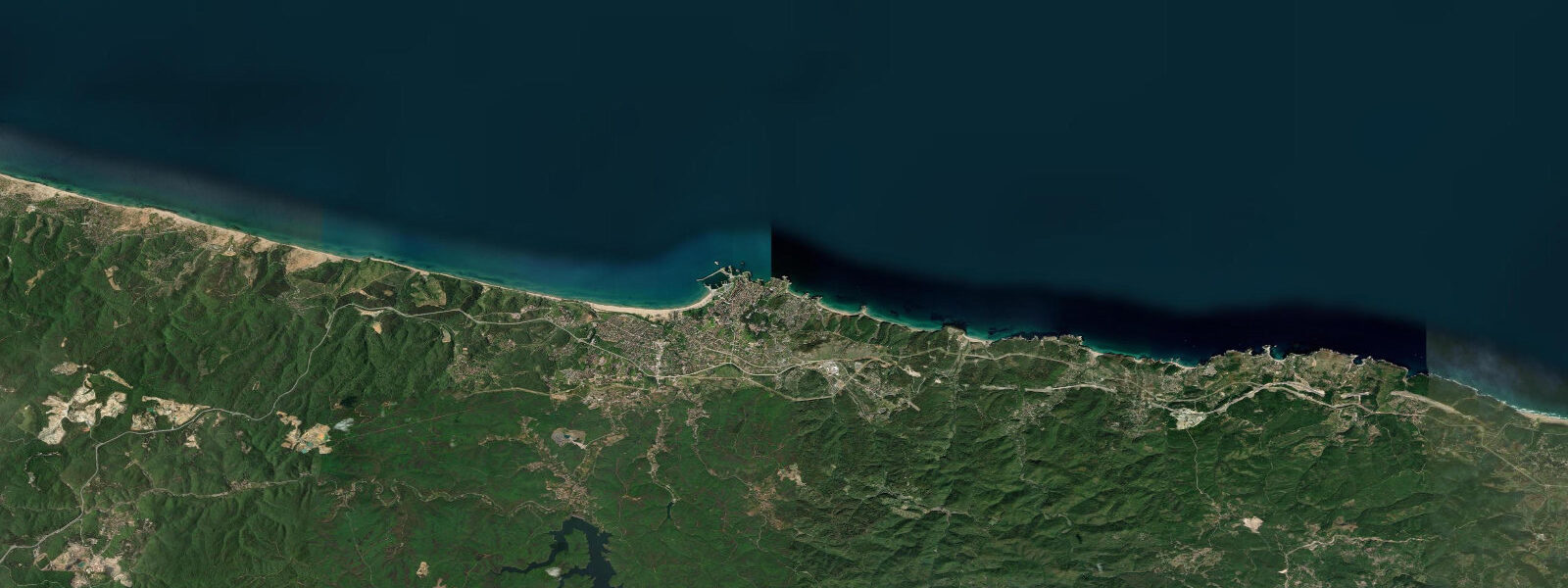
Şile, Istanbul tide times
Şile, Istanbul tide forecast — heights relative to MSL.
Tide chart for Şile, Istanbul
24-hour cosine-interpolated curve around the present moment. Heights relative to MSL. Predictions: Predictions: Open-Meteo Marine (MeteoFrance SMOC, 0.08° grid).
Sun, moon and conditions on Mon 03 Aug
Snapshot at build time — refreshes daily. Sea state from Open-Meteo Marine.
Highs and lows next 7 days
Every predicted high and low for the next week, with the daily tidal coefficient (0–120; higher = bigger swing, > 95 means stronger currents).
Other spots nearby
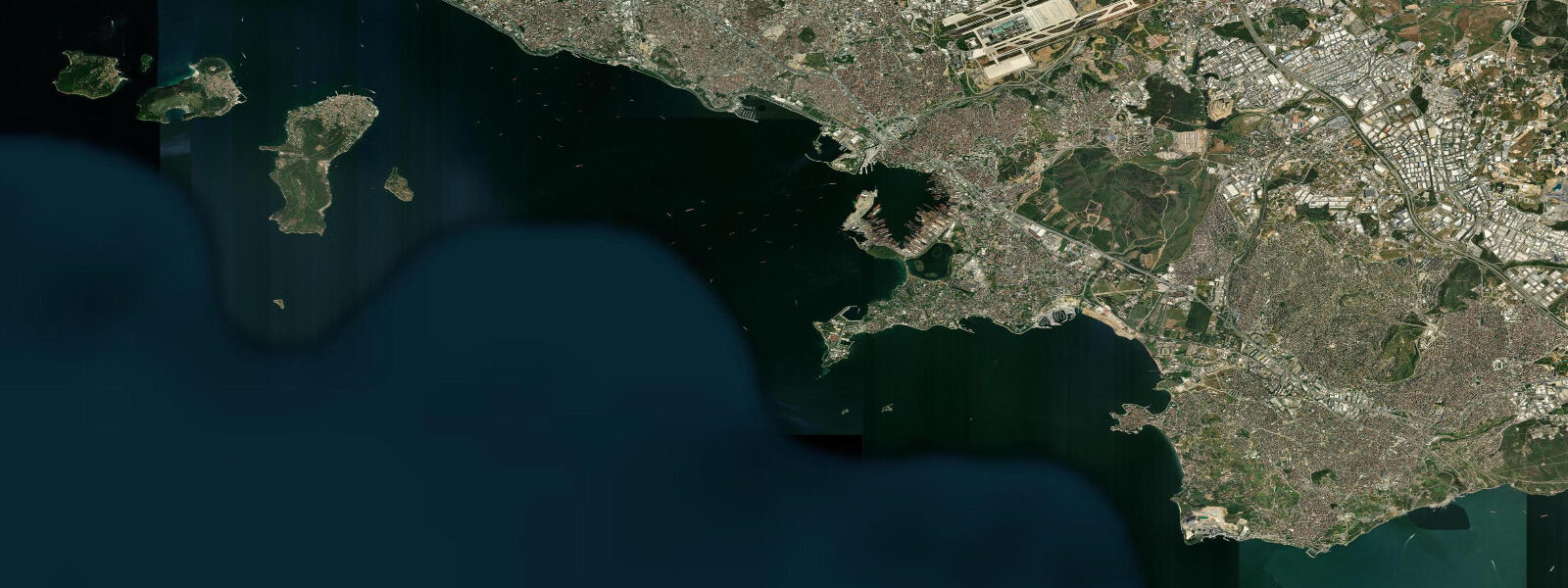
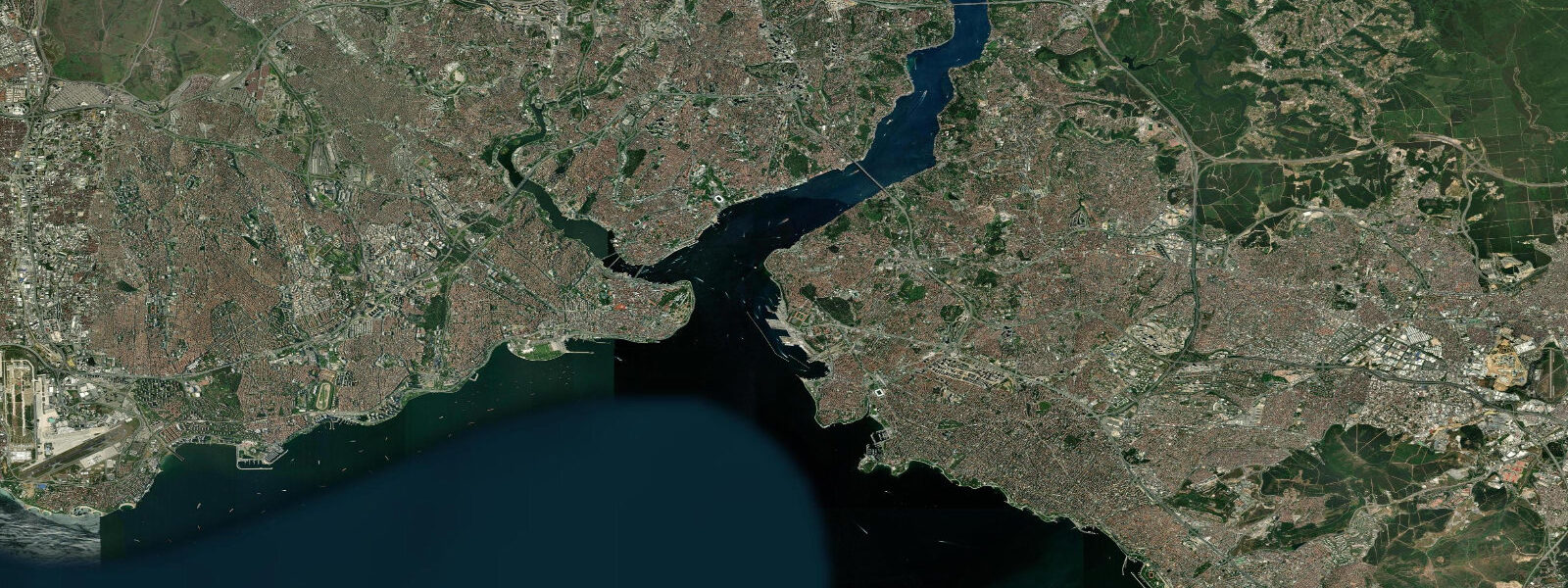
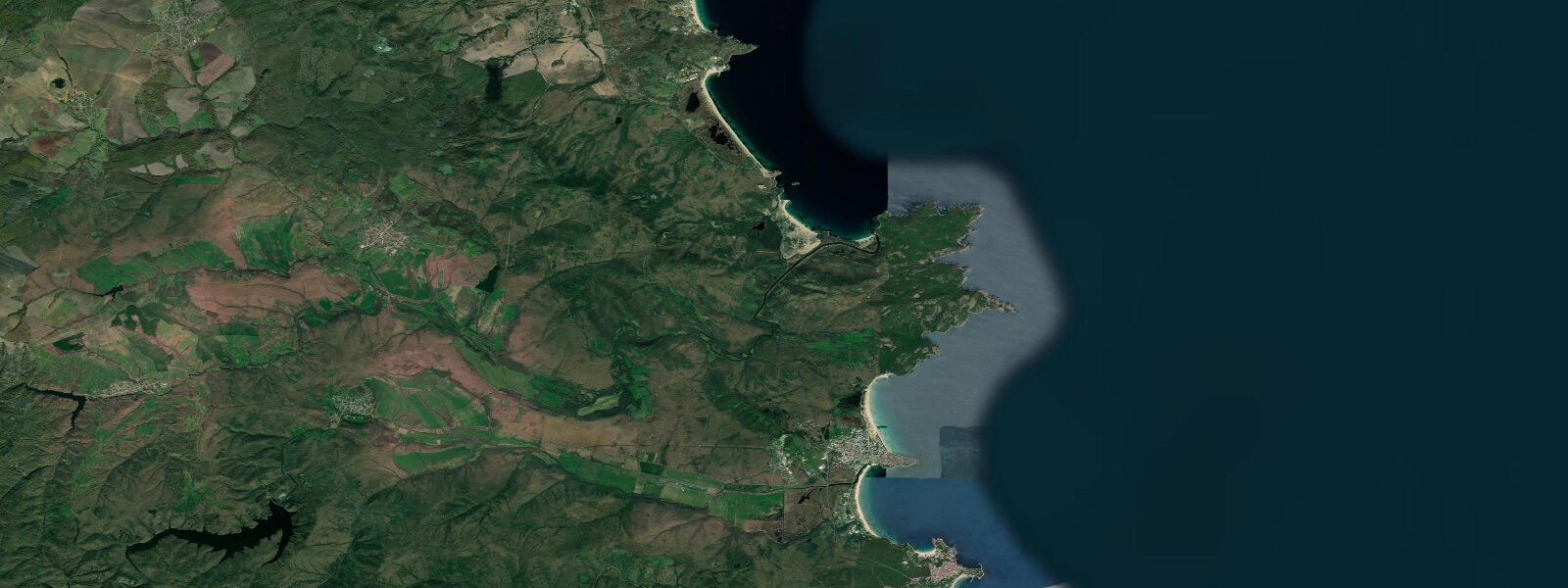
The three closest curated TideTurtle locations to Şile, Istanbul, measured by great-circle distance.
Today's solunar windows
Solunar tradition: major periods are the ≈3h windows around moon transit and opposition; minor are ≈2h around moonrise and moonset. Pair with the local tide stage and wind for the best read.
About tides at Şile, Istanbul
A short guide to the coastline at Şile, Istanbul — geography, sea state, and what the tide is actually doing under your feet.
Şile sits on the Black Sea coast 70 km northeast of Istanbul city centre, at the point where the Black Sea shoreline begins after the Bosphorus outlet disappears behind the hills. The first thing most visitors notice is how different this coast feels from the Marmara side: bigger skies, darker water, steeper swells, and a constant awareness that the next landmass north is Ukraine.
The town's landmark is the Şile lighthouse, built in 1858 on a flat-topped rock stack that separates at high water and is accessible on foot at calm, low-pressure periods. The lighthouse is still operational and visible 60 km offshore on a clear night. Below it, Şile beach stretches 1-2 km of fine sand, backed by low cliffs that hold a handful of cave restaurants carved into the sandstone. Rocky headlands close both ends of the bay, and at low-pressure periods when water levels dip, tidal pools form in the rock platforms beneath the eastern headland.
Understanding water levels here requires understanding the Black Sea itself. The Black Sea is a nearly closed basin with no oceanic tidal forcing to speak of. The astronomical tide — the gravitational pull of the moon and sun that drives 3-4 m ranges in the English Channel — barely registers here. Mean tidal range at Şile is 5-10 cm, a figure so small it is within the noise of normal wave action. What looks like tidal movement is almost entirely atmospheric: falling barometric pressure allows the sea surface to rise (roughly 1 cm per hectopascal pressure drop), and wind piling water against the coast can raise levels 40-60 cm above mean during the northeast storms the locals call Karayel.
The Karayel blows from the northeast out of the Pontic steppe, typically November through February. A strong Karayel pushes a surge down the western Black Sea coast and into Şile Bay, raising the waterline to the base of the sandstone cliffs and making the beach temporarily narrow. These wind-driven excursions are the practical equivalent of a tide here — anglers and kayakers read the forecast for Karayel warnings the way North Sea fishers read tide tables.
There is a second water-level driver that has nothing to do with wind. The Black Sea has a permanent excess freshwater budget from the Danube, Dnieper, Dniester, and Don rivers. This excess water flows out through the Bosphorus as a surface current, roughly 10,000 cubic metres per second, creating a hydraulic gradient across the strait. Looking southwest from Şile beach on a clear day, the Bosphorus outlet is visible as a gap in the hills, and the surface current there is measurable — ships heading north through the strait slow noticeably against it. At Şile itself, this outflow creates a steady eastward coastal drift just outside the bay that matters to swimmers and paddlers who stray beyond the sheltered cove.
For anglers, Şile's water-level patterns translate into practical fishing windows. Bluefish, sea bass, and bonito chase the Bosphorus outflow current along this stretch of coast in late summer. The Karayel storms of autumn churn up nutrients and concentrate baitfish in the bay; fishing pressure spikes accordingly. Rocky outcrops at the eastern headland hold sea bream year-round and are accessible by foot from the beach road.
Kayakers should note that Şile Bay itself is sheltered, but the headland round to Kefken Cape (25 km northeast) is fully exposed. The coast between has no landing beach for 8 km at a stretch. A flat-calm morning can turn to a 1.5 m northeast swell within two hours of a Karayel onset — check the marine forecast before paddling beyond the bay. The window between Karayel events in summer (May-September) is reliably calm and the water temperature reaches 24-26°C.
Families using the beach itself have little to track for water-level planning: the 5-10 cm range means the beach width is constant, the sandbar position doesn't shift with the tide, and the water entry depth stays predictable. The practical variable is swell: 0.5 m swell makes the beach gentle and suitable for children, 1.5 m swell (which happens quickly on Karayel days) makes the shorebreak heavy. Check the wave height forecast, not a tide table.
The tidal pool character on the eastern headland rocks is worth a mention for those interested in intertidal life. Because the range is so small, there is no true intertidal zone in the Atlantic sense — organisms that live on the rock platform are almost permanently submerged or almost permanently exposed depending on their position. The zonation is driven by wave splash and freshwater seepage, not by the rhythm of tidal ebb and flood. What looks like a tidal pool at Şile is really a permanent splash pool.
Tide data for Şile, Istanbul comes from the Open-Meteo Marine API, a gridded model product. Timing accuracy is ±45 minutes, height accuracy ±0.3 m — usable for trip planning, not for navigation.
Tide questions about Şile, Istanbul
Quick answers to the most common questions about tide times, range, and water access at Şile, Istanbul.
Does Şile have a real tide like the Atlantic coast?
No. The Black Sea is a nearly closed basin cut off from the open ocean, so the astronomical tidal force — the gravitational pull that creates 3-4 m ranges on the Atlantic coast — barely reaches it. Mean tidal range at Şile is 5-10 cm, smaller than the wave height on any normal day. What drives water-level changes here is atmospheric pressure and wind, particularly the northeast Karayel storms that can push the waterline 40-60 cm above mean between November and February. For practical purposes at Şile, watch the wind and pressure forecast, not a tide chart.
What is the Karayel wind and how does it affect the beach?
Karayel is the Turkish name for the northeast wind that blows off the Pontic steppe into the Black Sea, most often from November to February but occasionally in autumn and spring. A strong Karayel generates storm surge: water piles against the coast and can raise the Şile waterline by 40-60 cm above mean. At that level, the beach narrows and the base of the sandstone cliffs behind the beach can be washed. Swells of 1.5-2.5 m are common during Karayel events. The beach recovers quickly after the wind drops, usually within a day as the hydraulic gradient back into the Bosphorus drains the excess.
Is the Şile lighthouse accessible to visit?
The Şile lighthouse (built 1858) stands on a rock stack separated from the main beach. Access is via a short footpath from the town waterfront. The rock base is accessible on foot during calm conditions, particularly when atmospheric pressure is high and water levels are at their lower end of the local range. During Karayel swell events the crossing is unsafe and gated. The lighthouse itself is operational and managed by the Turkish Directorate General of Coastal Safety; the surrounding area is open to visitors during daylight hours in calm conditions.
Is kayaking safe from Şile beach?
Şile Bay itself is sheltered enough for kayaking in calm conditions. The challenge is the coast northeast toward Kefken Cape: 8 km stretches have no landing beach, and a Karayel onset can build 1.5 m northeast swell within two hours of a weather change. The safe window is May through September when Karayel events are rare. Always check the marine forecast for wind direction and wave height before paddling beyond the bay headlands. A VHF radio or a satellite messenger is sensible for any trip past the eastern headland, given the limited mobile coverage on the cliff sections.
Why does the Bosphorus current matter for swimming at Şile?
The Black Sea permanently discharges excess freshwater through the Bosphorus at roughly 10,000 cubic metres per second, creating a surface current that flows from the Black Sea toward the Marmara Sea. This outflow creates an eastward coastal drift just outside Şile Bay. Inside the bay the current is minimal. Swimmers who stray beyond the bay's rocky headlands into open water will encounter this drift, which runs at roughly 0.5-1.0 knots. For beach swimming within the bay it is not an issue; for snorkellers and swimmers exploring the outer headland rocks, staying inside the bay boundary is the practical rule.
8-day tide table — Şile, Istanbul
Heights relative to MSL. Predictions: Open-Meteo Marine (MeteoFrance SMOC, 0.08° grid) — heights relative to MSL (not chart datum / LAT). Model-derived.
| Day | Type | Time | Height |
|---|---|---|---|
| Mon 03 Aug | — | ||
| Tue 04 Aug | — | ||
| Wed 05 Aug | — | ||
| Thu 06 Aug | — | ||
| Fri 07 Aug | — | ||
| Sat 08 Aug | — | ||
| Sun 09 Aug | Low | 06:00 | -0.4m |
| Mon 10 Aug | High | 00:00 | -0.4m |