Swallows Cave tide times
Swallows Cave tide forecast — heights relative to MSL.
Tide chart for Swallows Cave
24-hour cosine-interpolated curve around the present moment. Heights relative to MSL. Predictions: Predictions: Open-Meteo Marine (MeteoFrance SMOC, 0.08° grid).
Sun, moon and conditions on Thu 06 Aug
Snapshot at build time — refreshes daily. Sea state from Open-Meteo Marine.
Highs and lows next 7 days
Every predicted high and low for the next week, with the daily tidal coefficient (0–120; higher = bigger swing, > 95 means stronger currents).
Other spots nearby
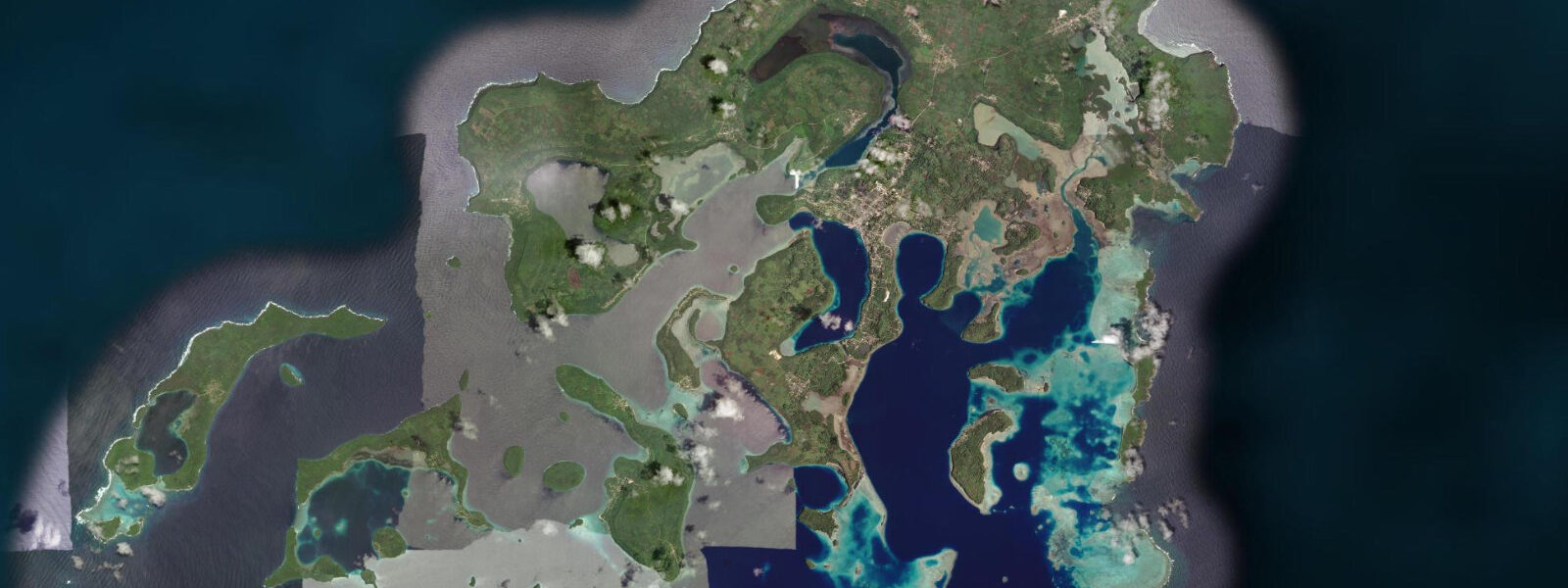
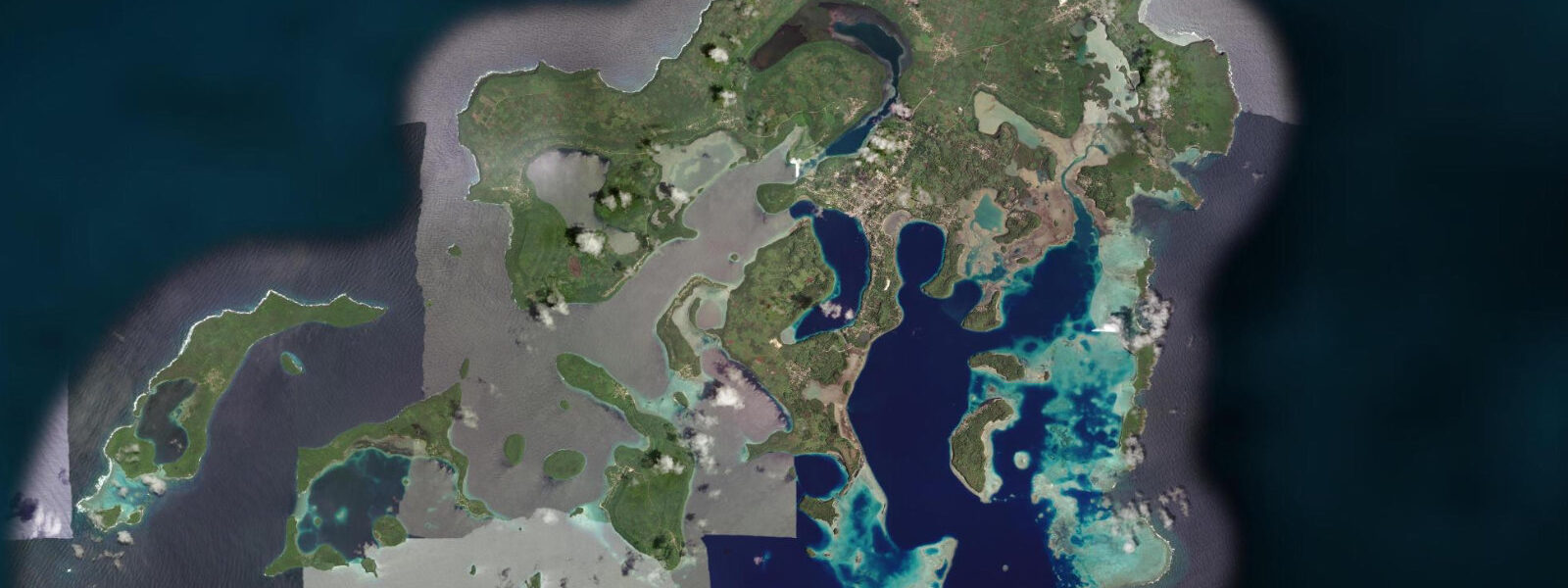
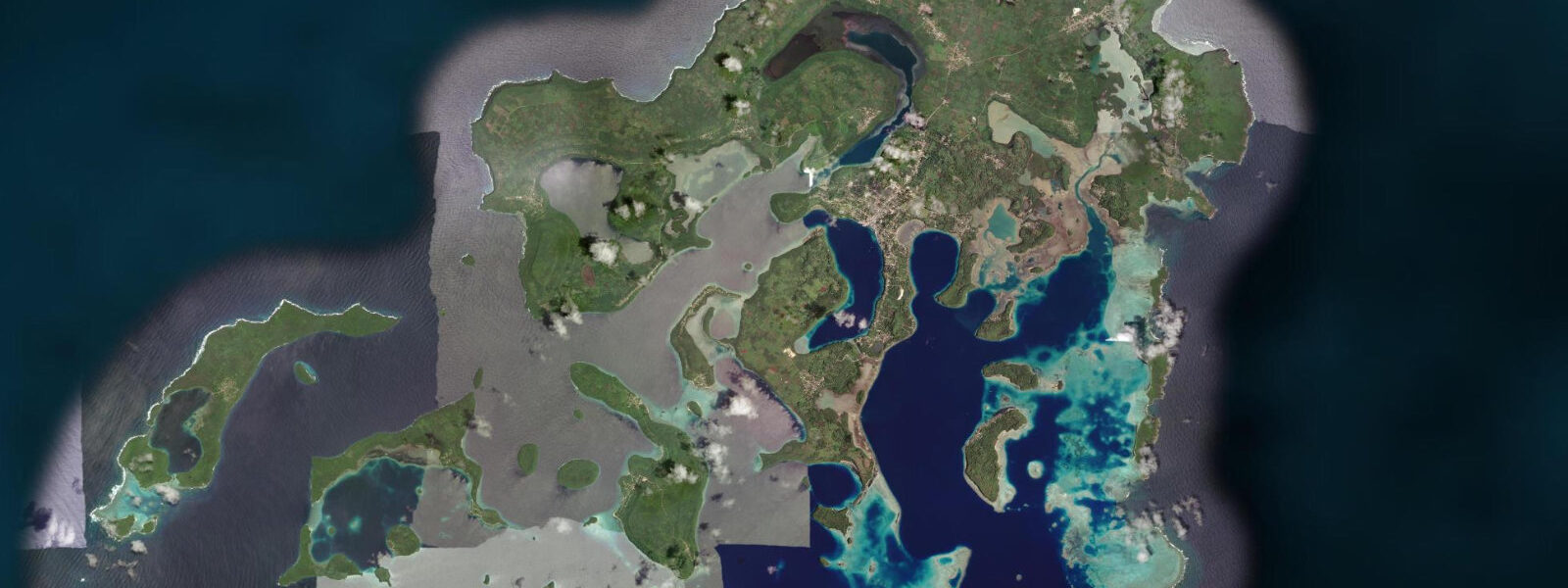
The three closest curated TideTurtle locations to Swallows Cave, measured by great-circle distance.
Today's solunar windows
Solunar tradition: major periods are the ≈3h windows around moon transit and opposition; minor are ≈2h around moonrise and moonset. Pair with the local tide stage and wind for the best read.
Cycle dates near Swallows Cave
Next spring tide on Mon 10 Aug (range 1.1m). Next neap on Wed 05 Aug.
Spring tides cluster around new and full moons (biggest swings). Neap tides land on quarter moons (smallest swings). See the spring tide and neap tide glossary entries for the why.
About tides at Swallows Cave
A short guide to the coastline at Swallows Cave — geography, sea state, and what the tide is actually doing under your feet.
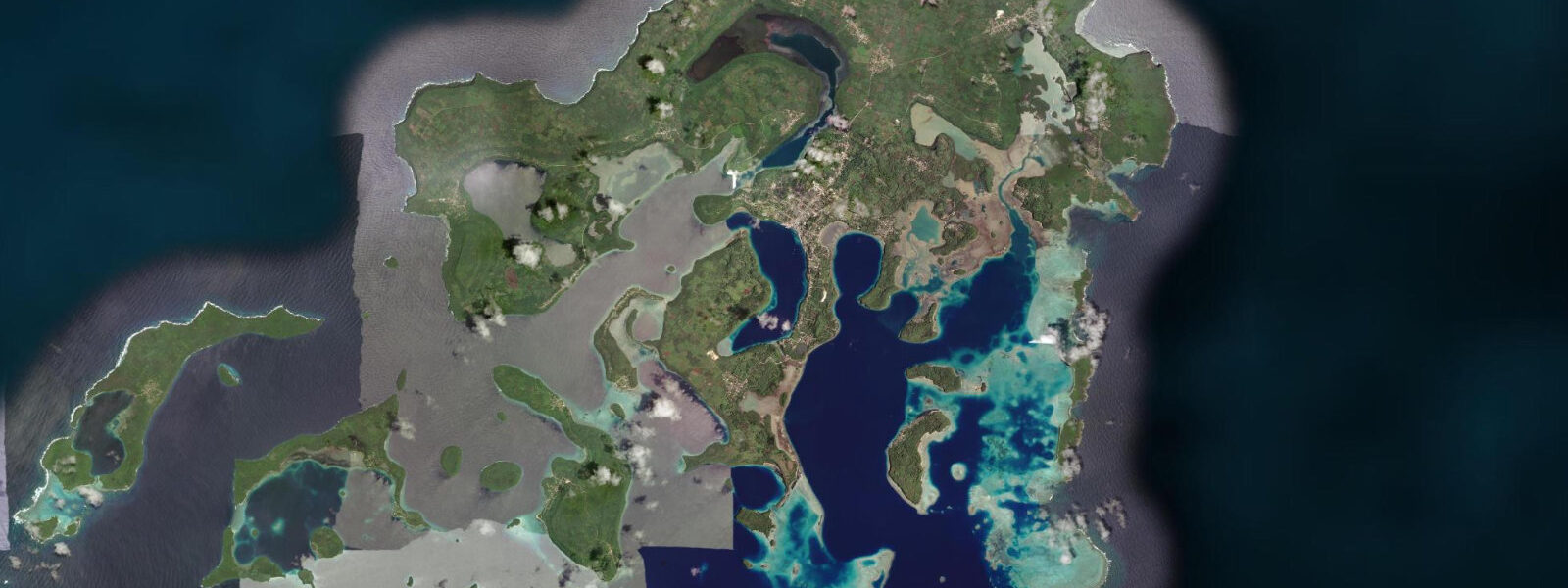
Swallows Cave is a sea cave on the eastern coast of Kapa Island in the Vava'u Group, approximately 4 kilometres north of Neiafu. The cave is accessible by boat at any tide level — the entrance is at the waterline, approximately 8 metres wide and 3 metres high at the arch, opening into a cavern roughly 30 metres deep and 20 metres wide. The cave's name comes from the Pacific swallows (Hirundo tahitica) that nest on the cave walls and ceiling year-round, exiting in formation at dawn and returning at dusk. The daily flight of the swallow colony — dozens of birds streaming out through the cave entrance at first light — is one of the distinctive natural events of the Vava'u Group.
The cave interior holds a still pool of seawater that reflects the filtered light entering through the main arch. At certain times of day — mid-morning when the sun angle is low enough to send light directly through the arch into the cave interior — the pool surface glows blue-green with refracted light. The effect lasts for approximately 45 minutes as the sun moves; the window changes with season and time of year. Boat operators familiar with the cave know the optimal time for the light show.
Snorkelling inside the cave from the pool surface gives a clear view of the cave walls and the fish community using the cave for shelter. Grouper, snapper, and various reef fish hold in the cave during daylight hours; the transition from the cave's sheltered interior to the open water of the Kapa Island reef face takes 3 to 4 minutes of surface swimming. The cave water clarity is good — the enclosed space receives cleaner water on the incoming tide from the outer Vava'u channels.
The tidal range at Swallows Cave follows the Vava'u Group's mixed semidiurnal regime: spring range approximately 1.0 to 1.2 metres. Tidal state affects the cave entrance experience primarily through the water level on the cave pool surface — at high water springs, the water level inside the cave is approximately 0.5 metres higher than at low water springs, which changes the height of the air space inside the cave arch and slightly alters the light refraction pattern. At low water springs, more of the cave walls above the waterline are visible from the pool. Entry by snorkel or standing on the boat platform is possible at all tide states.
The boat trip from Neiafu to Swallows Cave takes approximately 20 to 30 minutes, passing through the inner Vava'u channels. The cave is a standard stop on day-boat tours that also include Mariner's Cave and one or more outer island beaches. Most day tours depart Neiafu by 09:00.
Photographers should plan for the mid-morning light-through-arch window. A waterproof camera or a housed camera provides the best results inside the cave — the interior is dim except during the light window, requiring ISO 800 to 1600 and a wide aperture if shooting handheld. The dawn swallow flight, captured from a boat positioned outside the cave entrance at first light, requires early departure from Neiafu (05:30 to 06:00).
Predictions on this page come from Open-Meteo Marine, a gridded global ocean model. Accuracy is typically within plus or minus 45 minutes on timing and 0.2 to 0.3 metres on height — model-derived, not from a local gauge. The local tide authority is the Tonga Meteorological Service.
Tide questions about Swallows Cave
Quick answers to the most common questions about tide times, range, and water access at Swallows Cave.
Can I enter Swallows Cave at any tide level?
Yes. The cave entrance is at the waterline and accessible by boat at all tide states within the Vava'u Group's 1.0 to 1.2 metre spring range. At high water springs the air space inside the arch is approximately 0.5 metres less than at low water, but the cave is fully accessible and safely swimmable throughout the tidal range. The cave interior changes slightly with tide state — at low water more of the walls above the waterline are visible; at high water the pool reflects more of the arch. Both states offer excellent snorkelling. Boat operators moor inside the cave entrance for snorkel access.
When do the swallows fly at Swallows Cave?
Pacific swallows (Hirundo tahitica) nest on the cave walls year-round. The daily dawn exit flight — dozens of birds streaming out through the cave arch at first light — typically begins 15 to 30 minutes after sunrise. The return flight in the evening begins roughly 30 to 45 minutes before sunset. Witnessing the dawn exit requires departing Neiafu by 05:30 to 06:00 and anchoring outside the cave entrance before the birds begin to move. The dawn flight is a brief event — 10 to 15 minutes — after which the birds disperse over the Kapa Island reef and surrounding water to feed.
What is the light effect inside Swallows Cave?
At mid-morning, when the sun angle sends direct light through the cave arch and onto the pool surface, the water refracts into a blue-green glow that illuminates the cave interior. The effect lasts approximately 45 minutes as the sun moves past the optimal angle. The window changes with season (due to the changing sun declination) and is most dramatic in the dry season (May to October) when the sun is lower in the northern arc. Boat operators from Neiafu know the current optimal time for each season — ask at the time of booking. A cloudy sky eliminates the effect; no alternative timing compensates.
How do I get to Swallows Cave?
By day-boat from Neiafu, approximately 20 to 30 minutes by charter or day-tour boat through the inner Vava'u channels. Swallows Cave is a standard stop on day-boat tours from Neiafu that also include Mariner's Cave and one or more outer island beaches. Most operators depart by 09:00 to time the mid-morning light window at Swallows Cave. Snorkel gear is typically provided by the operator. Kayak paddlers can reach the cave from Neiafu in approximately 1.5 hours in calm conditions — the inter-island passages can have a slight tidal current.
Is snorkelling inside Swallows Cave good?
The cave pool is clear and relatively calm, making snorkelling accessible even for inexperienced snorkellers. Visibility inside the cave is good — 10 to 20 metres on most days. The fish community includes grouper, snapper, and reef fish that shelter in the cave during daylight. The cave walls below the waterline have encrusting sponges and small coral growth. The most interesting snorkelling is at the cave mouth, where the transition between the sheltered cave and the open Kapa Island reef face concentrates fish. The pool interior is shallow enough (2 to 6 metres) to freedive to the bottom on a single breath.
7-day tide table — Swallows Cave
Heights relative to MSL. Predictions: Open-Meteo Marine (MeteoFrance SMOC, 0.08° grid) — heights relative to MSL (not chart datum / LAT). Model-derived.
| Day | Type | Time | Height |
|---|---|---|---|
| Thu 06 Aug | Low | 17:42 | 0.3m |
| Fri 07 Aug | High | 00:00 | 1.1m |
| Low | 06:24 | 0.2m | |
| Sat 08 Aug | High | 00:54 | 1.1m |
| Low | 07:19 | 0.2m | |
| Sun 09 Aug | High | 01:46 | 1.1m |
| Low | 08:13 | 0.1m | |
| Mon 10 Aug | High | 02:40 | 1.1m |
| Low | 09:10 | 0.1m | |
| High | 15:24 | 1.0m | |
| Low | 21:19 | 0.2m | |
| Tue 11 Aug | High | 03:40 | 1.2m |
| Low | 10:10 | 0.1m | |
| High | 16:20 | 1.1m | |
| Low | 22:19 | 0.2m | |
| Wed 12 Aug | High | 04:35 | 1.3m |
| Low | 11:06 | 0.1m |