Swallows Cave, Kapa Island tide times
Swallows Cave, Kapa Island tide forecast — heights relative to MSL.
Tide chart for Swallows Cave, Kapa Island
24-hour cosine-interpolated curve around the present moment. Heights relative to MSL. Predictions: Predictions: Open-Meteo Marine (MeteoFrance SMOC, 0.08° grid).
Sun, moon and conditions on Thu 06 Aug
Snapshot at build time — refreshes daily. Sea state from Open-Meteo Marine.
Highs and lows next 7 days
Every predicted high and low for the next week, with the daily tidal coefficient (0–120; higher = bigger swing, > 95 means stronger currents).
Other spots nearby
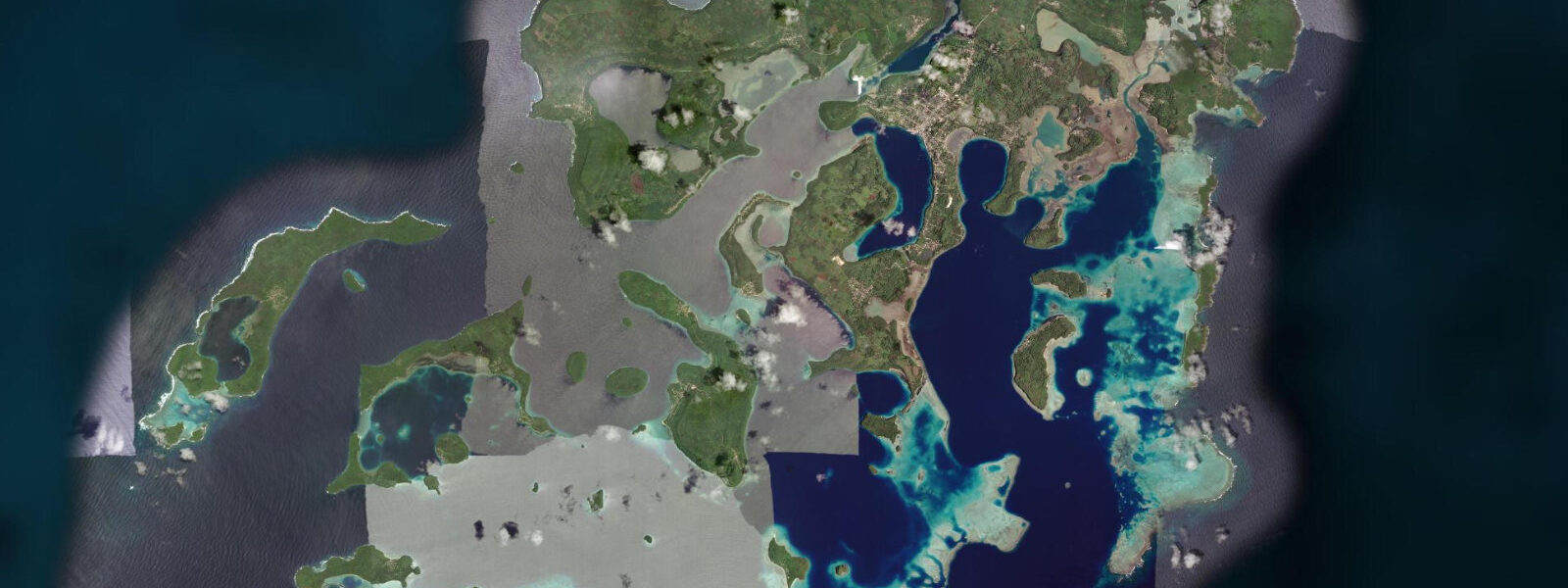
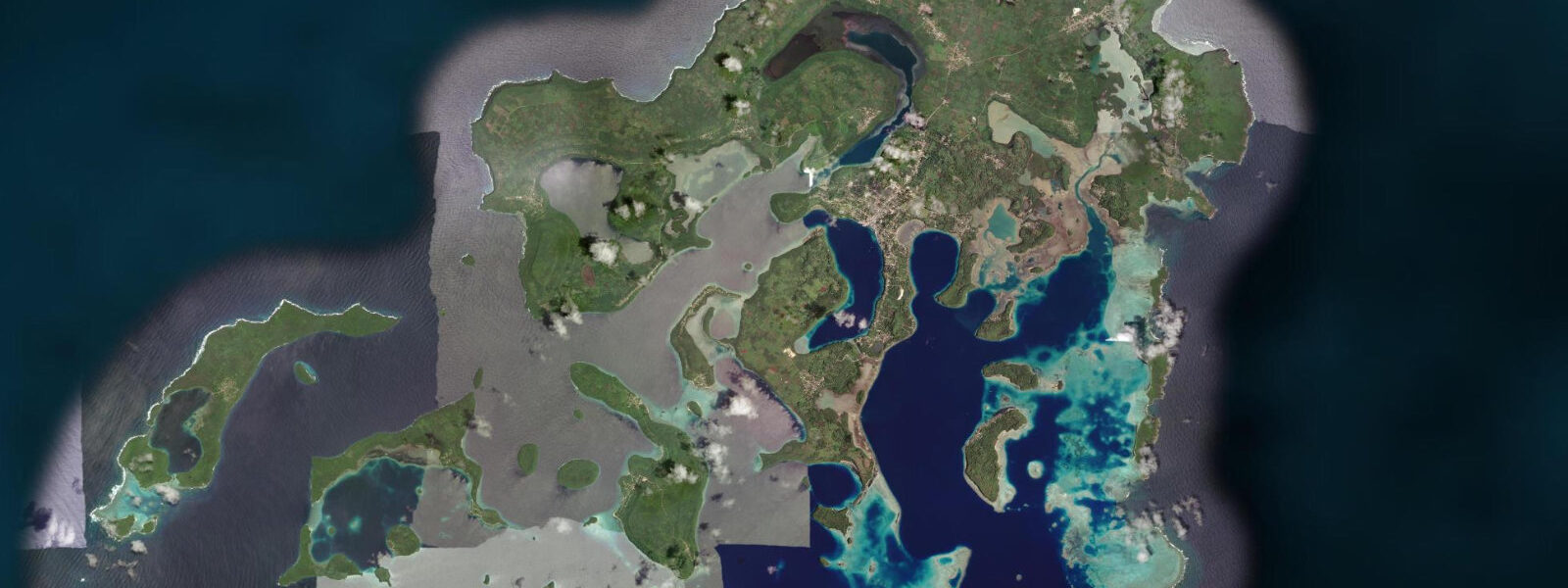
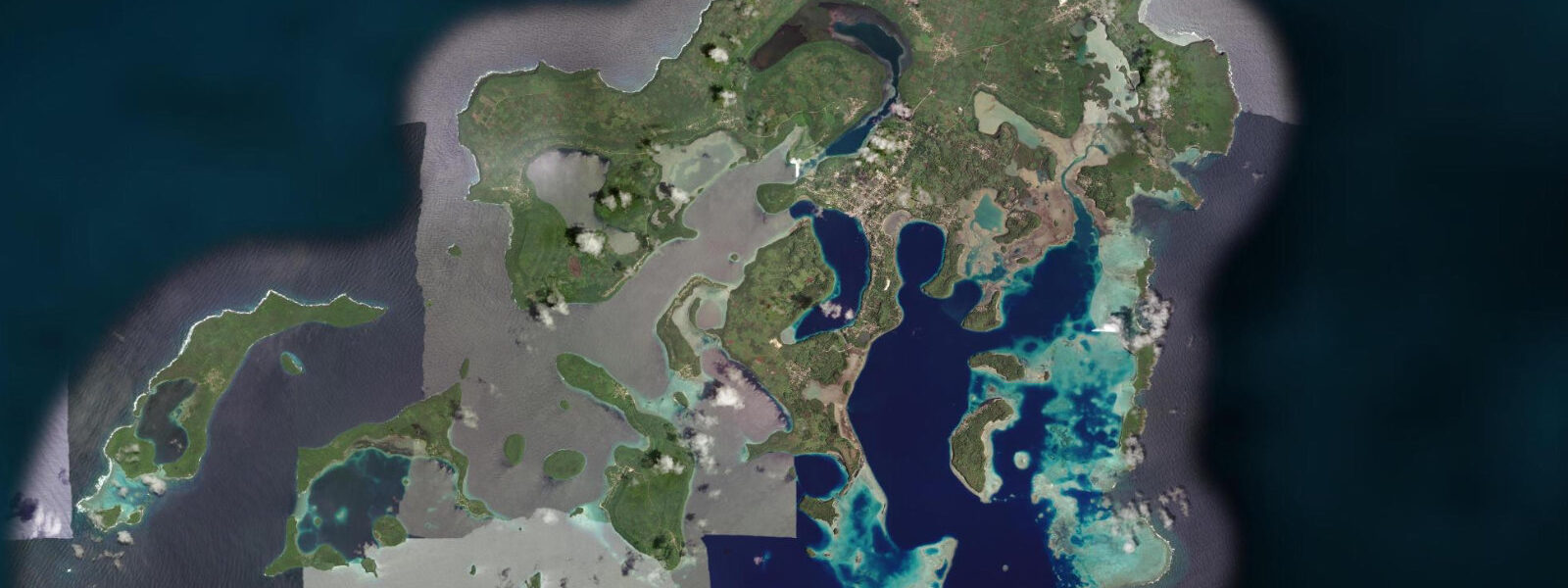
The three closest curated TideTurtle locations to Swallows Cave, Kapa Island, measured by great-circle distance.
Today's solunar windows
Solunar tradition: major periods are the ≈3h windows around moon transit and opposition; minor are ≈2h around moonrise and moonset. Pair with the local tide stage and wind for the best read.
Cycle dates near Swallows Cave, Kapa Island
Next spring tide on Mon 10 Aug (range 1.3m). Last neap on Tue 04 Aug.
Spring tides cluster around new and full moons (biggest swings). Neap tides land on quarter moons (smallest swings). See the spring tide and neap tide glossary entries for the why.
About tides at Swallows Cave, Kapa Island
A short guide to the coastline at Swallows Cave, Kapa Island — geography, sea state, and what the tide is actually doing under your feet.
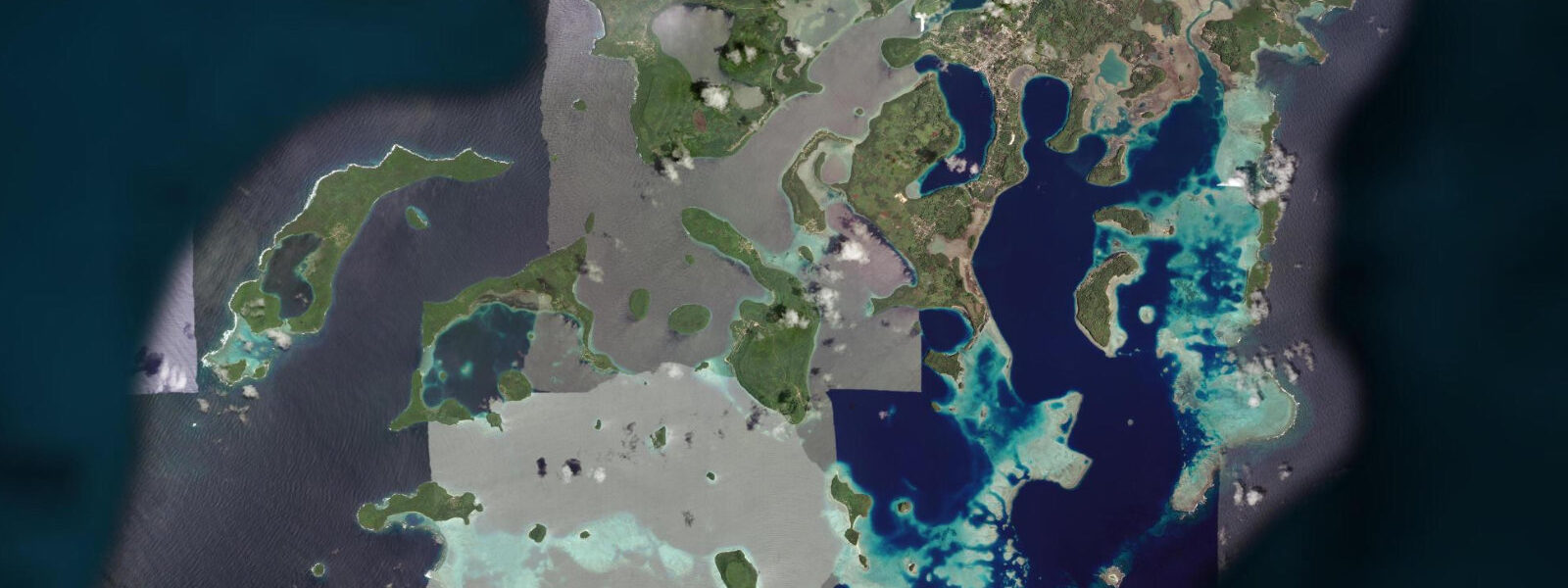
Swallows Cave is a sea cave on the western face of Kapa Island in the inner Vava'u group, accessible by boat or swimming from the anchored vessel position outside the cave mouth. The cave entrance is approximately 10 metres wide and 5 metres high at the waterline, opening into an interior chamber of roughly 25 metres by 40 metres. Stalactite formations hang from the cave ceiling; the cave's name comes from the cave swiftlets (the Polynesian swiftlet, Aerodramus ocistus) that nest on the upper cave walls and produce the constant high-pitched calling that fills the chamber from above.
The light effect inside Swallows Cave is the visual feature that draws visitors. At certain angles — particularly in morning light when the sun is low and eastward — light penetrates the cave's entry arc and illuminates the water from below, turning the cave interior from dark blue to vivid turquoise. Underwater photographers who time their arrival at Swallows Cave to the morning hours on a calm day will find the best combination of light angle and sea state. The effect is most pronounced in the two hours after sunrise; by mid-morning the angle changes and the illumination reduces.
Tide data for Swallows Cave is derived from Open-Meteo Marine. Accuracy is ±45 minutes on timing and ±0.2 to 0.3 metres on height. The Vava'u inner channel experiences mixed semidiurnal tides with a spring range of 1.0 to 1.5 metres. The tidal state significantly affects the cave environment. At high tide the waterline inside the cave reaches near the stalactite zone on the lower walls; at low tide, a coral and rock shelf is exposed along the cave's inner perimeter, making swimming and snorkelling more constrained. The optimal visit is at mid-tide on a rising tide: the inner shelf is submerged, the water is clear, and the cave has full swimming depth throughout.
For snorkellers, the cave interior at mid to high tide is accessible without diving equipment. Depth inside the cave ranges from 2 to 5 metres. The underwater visibility inside the cave is typically 10 to 15 metres — lower than the outer channel but sufficient to see the cave bottom structure and the fish sheltering under the ledges. The cave holds surgeonfish, parrotfish, and small reef shark species in the cave entrance zone. Torch or dive light is needed to see the upper cave walls and stalactite detail; a single handheld light illuminates the relevant features.
For divers, the cave entrance and the deeper external reef face are the primary targets. Outside the cave mouth, a reef wall drops from 2 to 20 metres with hard coral and soft coral coverage. The wall faces west, receiving the afternoon sun; morning dives in the cave are better for the light effect, afternoon dives on the outer wall catch the sunlight on the coral. Tidal current outside the cave entrance runs northwest-southeast along the Kapa Island face; the reef wall drift on a moderate tidal current is one of the more enjoyable standard dives in the Vava'u group.
Access is by boat from Neiafu or from the anchorage at Port Maurelle, 2 kilometres to the south. Day boat trips from Neiafu typically include Swallows Cave as a first stop before continuing to other inner island sites. The cave is also within kayak range of Port Maurelle — a 45-minute paddle — though the open water crossing from the anchorage to Kapa Island's western face requires checking the wind forecast; the channel can develop short-period chop in southeast trade conditions above 15 knots.
The swiftlets nesting on the upper cave walls are the Polynesian swiftlet, a species that navigates by echolocation inside dark cave environments. The nesting ledges are above the reach of the sea; the birds are active throughout the day but most visibly in the early morning when foraging flights are at their peak. The sound of the echolocation calls — a distinctive rapid clicking — is constant inside the chamber. Nesting activity is most intense from August to November.
For families visiting with children, the cave at mid to high tide is one of the more accessible snorkel experiences in the Vava'u group. The enclosed space, the shallow depth, the clear water, and the visual drama of the light effect make it a memorable introduction to tropical reef snorkelling. Young children need supervision due to the boat traffic at the cave entrance; a dinghy or tender with someone watching from above is standard practice.
Tide questions about Swallows Cave, Kapa Island
Quick answers to the most common questions about tide times, range, and water access at Swallows Cave, Kapa Island.
What is the best time of day and tidal state to visit Swallows Cave?
The cave's most dramatic light effect occurs in the two hours after sunrise, when low-angle morning light enters the cave arc and illuminates the water from below, turning the interior a vivid turquoise. The optimal tidal state is mid-tide on a rising tide: the inner coral shelf is submerged, the water is at swimming depth throughout (2 to 5 metres inside the cave), and the cave is fully accessible by snorkel. At low water the inner shelf is exposed, constraining the swim area. Tide data for the Vava'u inner channel comes from Open-Meteo Marine — accuracy ±45 minutes and ±0.2 to 0.3 metres.
Do I need diving equipment to explore Swallows Cave?
No. The cave interior at mid to high tide is fully accessible to snorkellers without diving equipment. Depth inside the cave runs 2 to 5 metres. A basic snorkel, mask, and fins are sufficient. A handheld torch or dive light is useful for illuminating the stalactite detail on the upper cave walls and the fish sheltering under the inner ledges — without a light, these features are only partially visible. The cave entrance is approximately 10 metres wide and 5 metres high, so there is no constriction. Divers have the additional option of the external reef wall below the cave, which drops to 20 metres with good coral coverage.
How do I reach Swallows Cave from Neiafu?
Neiafu is the main services hub for Vava'u, approximately 8 kilometres north of Swallows Cave by water. Day boat tours from Neiafu include Swallows Cave as a standard stop; most operators depart at 09:00 for a morning light window at the cave. Charter boats and water taxis are also available from the Neiafu waterfront. From the Port Maurelle anchorage to the south, Swallows Cave is a 45-minute paddle by kayak or a 10-minute dinghy run. The channel between the two sites can develop short-period chop in southeast trade winds above 15 knots; check the wind forecast before a kayak crossing.
What wildlife is found inside Swallows Cave?
The cave's namesake residents are Polynesian swiftlets (Aerodramus ocistus), which nest on the upper cave walls and navigate inside the dark chamber using echolocation — their rapid clicking calls fill the cave continuously. Nesting is most active from August to November, though the birds are present year-round. In the water, the cave entrance zone holds surgeonfish, parrotfish, and small reef sharks. The cave floor and ledge structures are home to eels and cleaner shrimp. The outer reef wall below the cave entrance has the standard Vava'u reef assemblage: wrasse, butterflyfish, moorish idols, and the occasional eagle ray passing along the wall base.
Is Swallows Cave appropriate for children and non-experienced swimmers?
At mid to high tide, the cave is one of the more family-appropriate snorkel sites in Vava'u. The enclosed space, the shallow depth of 2 to 5 metres, the calm interior water, and the visual drama of the light effect make it well-suited to children and less-experienced swimmers. Safety considerations: boat traffic at the cave entrance requires supervision of children in the water; a tender or dinghy with an adult watching from above is standard practice on tour boats. The cave interior has no current in normal conditions. Non-swimmers can view the cave from a dinghy positioned just inside the cave mouth.
7-day tide table — Swallows Cave, Kapa Island
Heights relative to MSL. Predictions: Open-Meteo Marine (MeteoFrance SMOC, 0.08° grid) — heights relative to MSL (not chart datum / LAT). Model-derived.
| Day | Type | Time | Height |
|---|---|---|---|
| Thu 06 Aug | Low | 05:19 | 0.3m |
| High | 11:35 | 1.0m | |
| Low | 17:35 | 0.2m | |
| High | 23:55 | 1.1m | |
| Fri 07 Aug | Low | 06:18 | 0.2m |
| Sat 08 Aug | High | 00:50 | 1.1m |
| Low | 07:19 | 0.1m | |
| Sun 09 Aug | High | 01:50 | 1.1m |
| Low | 08:16 | 0.1m | |
| Mon 10 Aug | High | 02:45 | 1.2m |
| Low | 09:16 | 0.1m | |
| High | 15:34 | 1.1m | |
| Low | 21:20 | 0.2m | |
| Tue 11 Aug | High | 03:46 | 1.3m |
| Low | 10:14 | 0.0m | |
| Wed 12 Aug | High | 04:42 | 1.3m |
| Low | 11:08 | 0.0m |