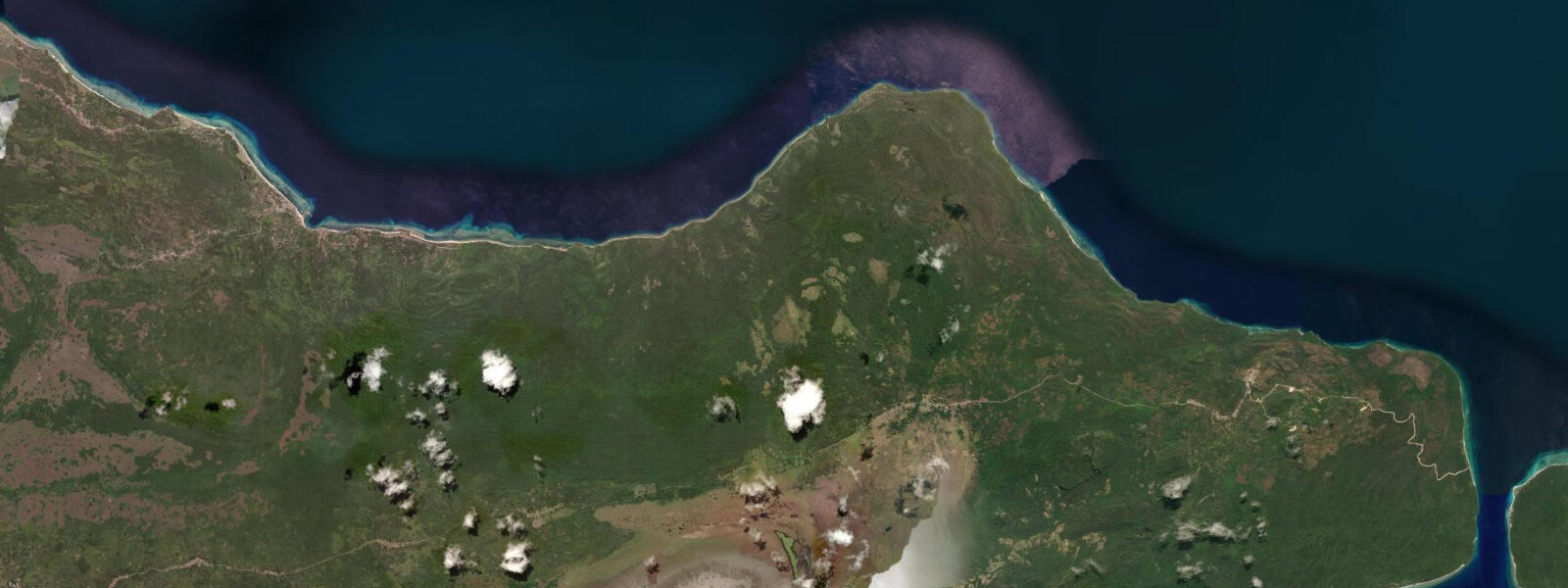
Com tide times
Com tide forecast — heights relative to MSL.
Today's tide times for Com
Tide times at Com on Tuesday, 4 August 2026: first high tide at 09:00am, first low tide at 10:39am, second high tide at 04:40pm, second low tide at 10:33pm. Sunrise 06:44am, sunset 06:30pm.
Tide chart for Com
24-hour cosine-interpolated curve around the present moment. Heights relative to MSL. Predictions: Predictions: Open-Meteo Marine (MeteoFrance SMOC, 0.08° grid).
Sun, moon and conditions on Tue 04 Aug
Snapshot at build time — refreshes daily. Sea state from Open-Meteo Marine.
Highs and lows next 7 days
Every predicted high and low for the next week, with the daily tidal coefficient (0–120; higher = bigger swing, > 95 means stronger currents).
Other spots nearby
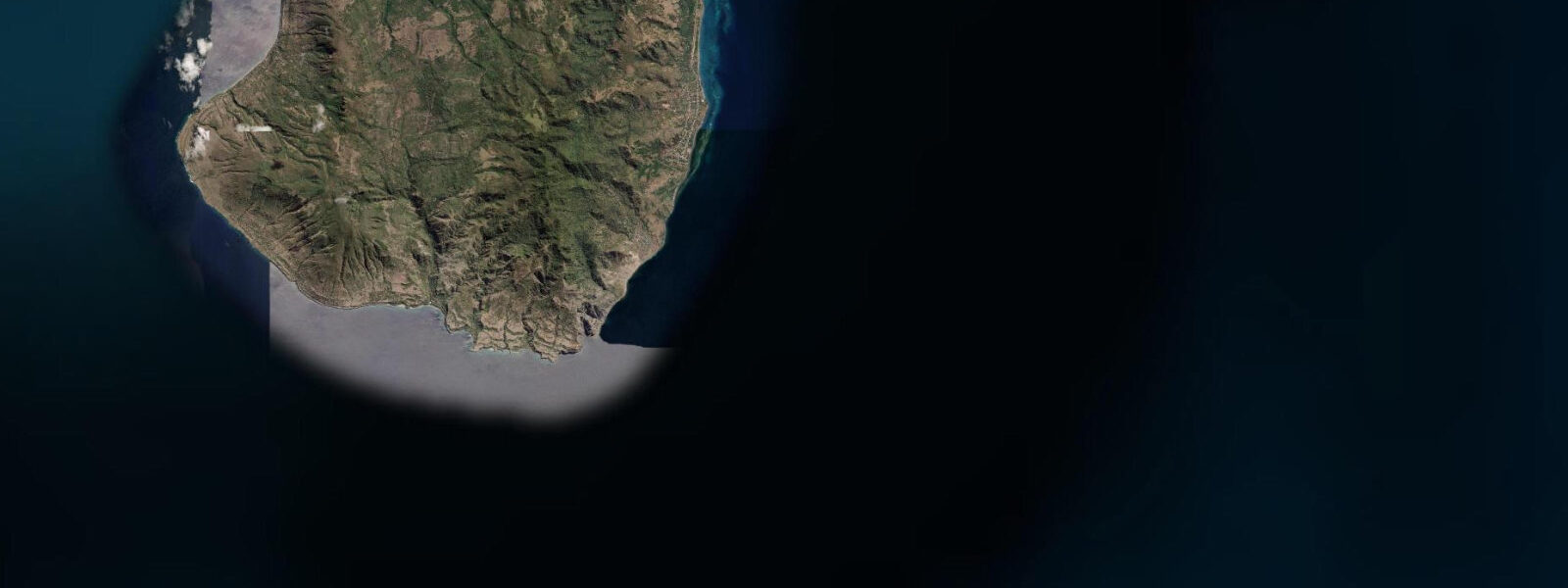
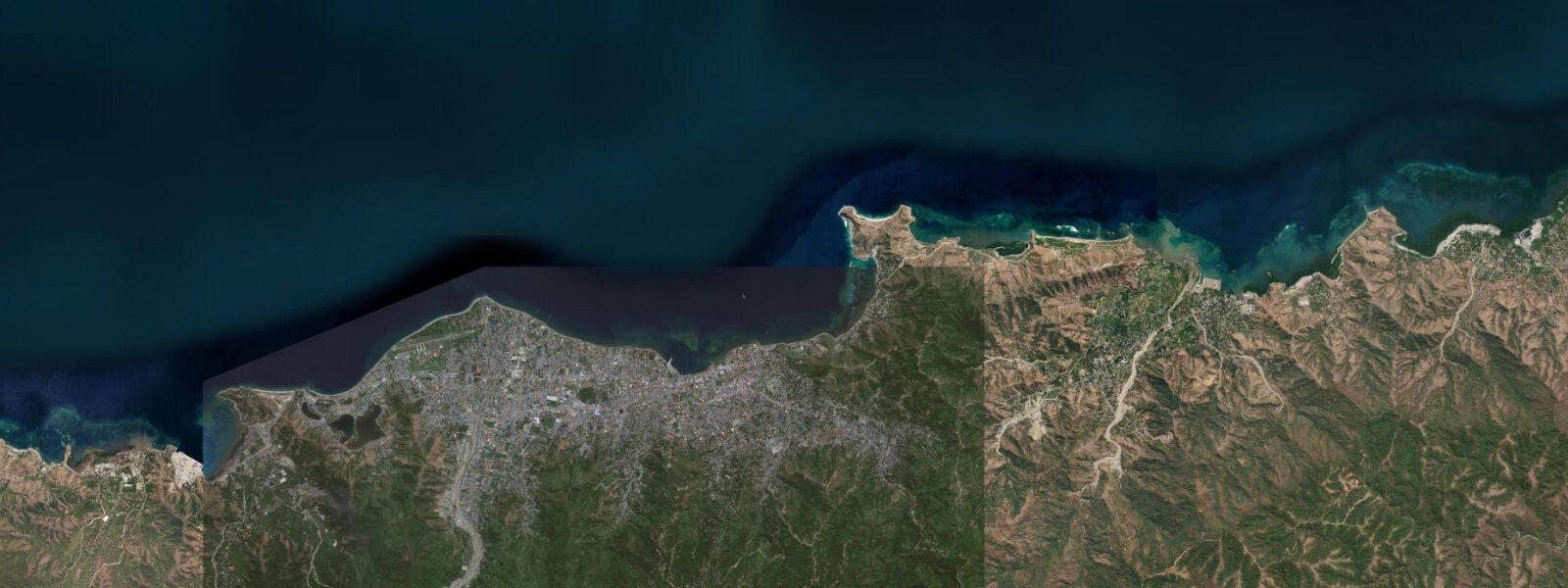
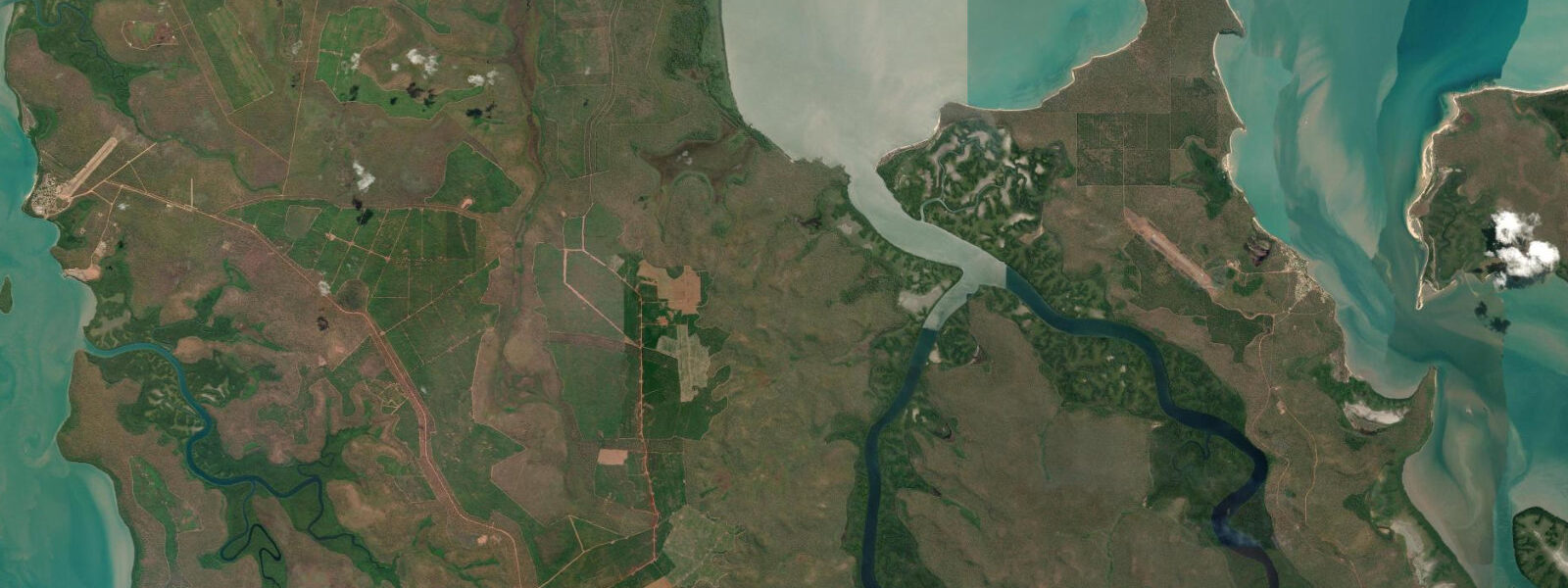
The three closest curated TideTurtle locations to Com, measured by great-circle distance.
Today's solunar windows
Solunar tradition: major periods are the ≈3h windows around moon transit and opposition; minor are ≈2h around moonrise and moonset. Pair with the local tide stage and wind for the best read.
Cycle dates near Com
Next spring tide on Thu 06 Aug (range 1.7m). Last neap on Tue 04 Aug. Next neap on Sun 09 Aug.
Spring tides cluster around new and full moons (biggest swings). Neap tides land on quarter moons (smallest swings). See the spring tide and neap tide glossary entries for the why.
About tides at Com
A short guide to the coastline at Com — geography, sea state, and what the tide is actually doing under your feet.
Com is a small coastal settlement on the northeastern coast of Timor-Leste, near the district capital of Lautem, approximately 200 kilometres east of Dili by road. The drive from Dili follows the northern coastal road, passing through the agricultural lowlands east of the capital, climbing through the central highlands, and descending to the coast at Baucau before continuing east along the shoreline. The journey takes 4 to 5 hours depending on road conditions; the coastal road is paved for most of its length but has sections that deteriorate in the wet season.
The reef systems off Com are on the outer edge of the Coral Triangle — the globally recognised zone of highest marine biodiversity, bounded roughly by the Philippines, the Moluccas, and eastern Papua New Guinea. Timor-Leste's north coast sits at the southern margin of this zone, and the reefs here have reef fish species counts comparable to those recorded in the Coral Triangle's interior. The reef off Com has not been systematically surveyed; visiting divers who have explored it report undisturbed coral communities on the outer slope in 8 to 30 metres, with fish diversity that rivals the better-documented reefs of the Dili area.
The tidal regime at Com is mixed semidiurnal, with a spring range of approximately 1.5 to 2.0 metres — the same tidal system as Dili, driven by the Indonesian throughflow and the Timor Sea's tidal dynamics. The Ombai Strait, which lies between Timor-Leste's eastern tip and the Indonesian island of Alor to the north, is one of the major throughflow passages; tidal currents in the strait proper can reach 2 to 3 knots at springs. Com is on the western approach to the Ombai Strait, and the regional current pattern influences local reef hydrography — the incoming tide from the Banda Sea brings clean, nutrient-rich water over the outer reef, driving the coral community growth.
The beach at Com is a quiet, undeveloped strip of white sand backed by coconut palms and the gardens of the small fishing community. Fishing boats are hauled above the high-tide line when not in use. The community makes its living primarily from fishing and from the small amount of through traffic on the coastal road. Basic accommodation and food are available through community homestays arranged locally.
Bird life in the lowland forest near Com includes the Timor blue flycatcher (Cyornis hyacinthinus), the buff-banded rail, and various parrot and pigeon species associated with the Lesser Sunda Island chain. The forest east of Com, toward Tutuala and the Nino Konis Santana National Park, is the most intact remaining lowland forest in Timor-Leste and has not been fully surveyed ornithologically. The national park coastal section has sandy beaches used by sea turtle nesting (leatherback, green, and hawksbill have all been recorded).
Visiting Com requires self-sufficiency: no dive operators are based here, no equipment rental is available, and accommodation is community homestay standard. The site is for independent travellers with their own dive or snorkel equipment who are comfortable with minimal infrastructure.
Predictions on this page come from Open-Meteo Marine, a gridded global ocean model. Accuracy is typically within plus or minus 45 minutes on timing and 0.2 to 0.3 metres on height — model-derived, not from a local gauge. The local tide authority is the Autoridade Nacional de Meteorologia e Geofísica de Timor-Leste (ANMG).
Tide questions about Com
Quick answers to the most common questions about tide times, range, and water access at Com.
Is the reef at Com diveable and how do I access it?
The reef off Com is diveable and snorkellable from the beach, but there are no dive operators based here. Visitors must bring their own equipment. Entry is from the beach on a gentle, sandy foreshore; the reef begins approximately 100 metres offshore in 3 to 5 metres of water, dropping to the outer slope at 8 to 30 metres. The reef has not been systematically surveyed; visiting divers report undisturbed coral communities and high fish diversity comparable to the Dili reefs. Independent divers should plan carefully for gas management, emergency signalling, and weather assessment before entering the water.
How far is Com from Dili and how do I get there?
Com is approximately 200 kilometres east of Dili by road — 4 to 5 hours depending on road conditions and traffic. The coastal road (north coast road) is paved for most of its length but has deteriorating sections east of Baucau, particularly in the wet season. A private vehicle or hired car is necessary; there is no direct public transport to Com. Baucau, approximately 100 kilometres east of Dili, has basic accommodation and serves as a midpoint stop. Petrol stations are available in Baucau and Lospalos; carry spare fuel east of Lospalos.
What is the Coral Triangle and is Com inside it?
The Coral Triangle is the globally recognised zone of highest marine biodiversity, informally bounded by the Philippines, the Moluccas (eastern Indonesia), and eastern Papua New Guinea. The zone has the highest species counts for reef fish, coral, and other marine organisms anywhere on earth. Timor-Leste's north coast sits at the southern margin of the Coral Triangle, and the reefs here share the high species diversity of the Triangle's interior. The 2016 Conservation International survey at Atauro Island (northwest of Com) documented the world-record reef fish diversity within this regional context.
What birds can I see near Com?
The lowland forest near Com and east toward Tutuala holds species characteristic of the Lesser Sunda island chain: Timor blue flycatcher (Cyornis hyacinthinus), Timor sparrow, buff-banded rail, olive-shouldered parrot, and various pigeon species including the green imperial pigeon. The Nino Konis Santana National Park east of Com is Timor-Leste's only national park and has the most intact remaining lowland forest; it is incompletely surveyed ornithologically. Sea eagles and ospreys hunt the coastline year-round. Sea turtle nesting (leatherback, green, hawksbill) occurs on the park's sandy beaches — the nesting season runs March to October.
What is the tidal range at Com?
Spring tidal range at Com is approximately 1.5 to 2.0 metres, driven by the same tidal system as Dili — the Indonesian throughflow and Timor Sea tidal dynamics. The Ombai Strait to the east carries tidal currents of 2 to 3 knots at springs; these regional currents influence the local reef hydrography around Com. The incoming tide from the Banda Sea brings clean water over the outer reef. Predictions here come from Open-Meteo Marine (±45 minutes on timing, ±0.3 m on height). Not for navigation; consult ANMG Timor-Leste.
8-day tide table — Com
Heights relative to MSL. Predictions: Open-Meteo Marine (MeteoFrance SMOC, 0.08° grid) — heights relative to MSL (not chart datum / LAT). Model-derived.
| Day | Type | Time | Height |
|---|---|---|---|
| Tue 04 Aug | High | 09:00 | 0.0m |
| Low | 10:39 | -0.3m | |
| High | 16:40 | 1.1m | |
| Low | 22:33 | -0.2m | |
| Wed 05 Aug | High | 04:52 | 1.4m |
| Low | 11:23 | -0.3m | |
| High | 17:26 | 0.9m | |
| Low | 23:06 | -0.1m | |
| Thu 06 Aug | High | 05:22 | 1.3m |
| Low | 12:15 | -0.4m | |
| High | 18:25 | 0.8m | |
| Low | 23:39 | 0.1m | |
| Fri 07 Aug | High | 06:03 | 1.3m |
| Low | 13:18 | -0.4m | |
| High | 19:45 | 0.6m | |
| Sat 08 Aug | Low | 00:23 | 0.3m |
| High | 06:53 | 1.3m | |
| Sun 09 Aug | Low | 16:00 | -0.5m |
| High | 23:23 | 0.7m | |
| Mon 10 Aug | Low | 17:18 | -0.6m |
| Tue 11 Aug | High | 00:25 | 0.8m |
| Low | 05:00 | 0.4m | |
| High | 08:00 | 0.8m |