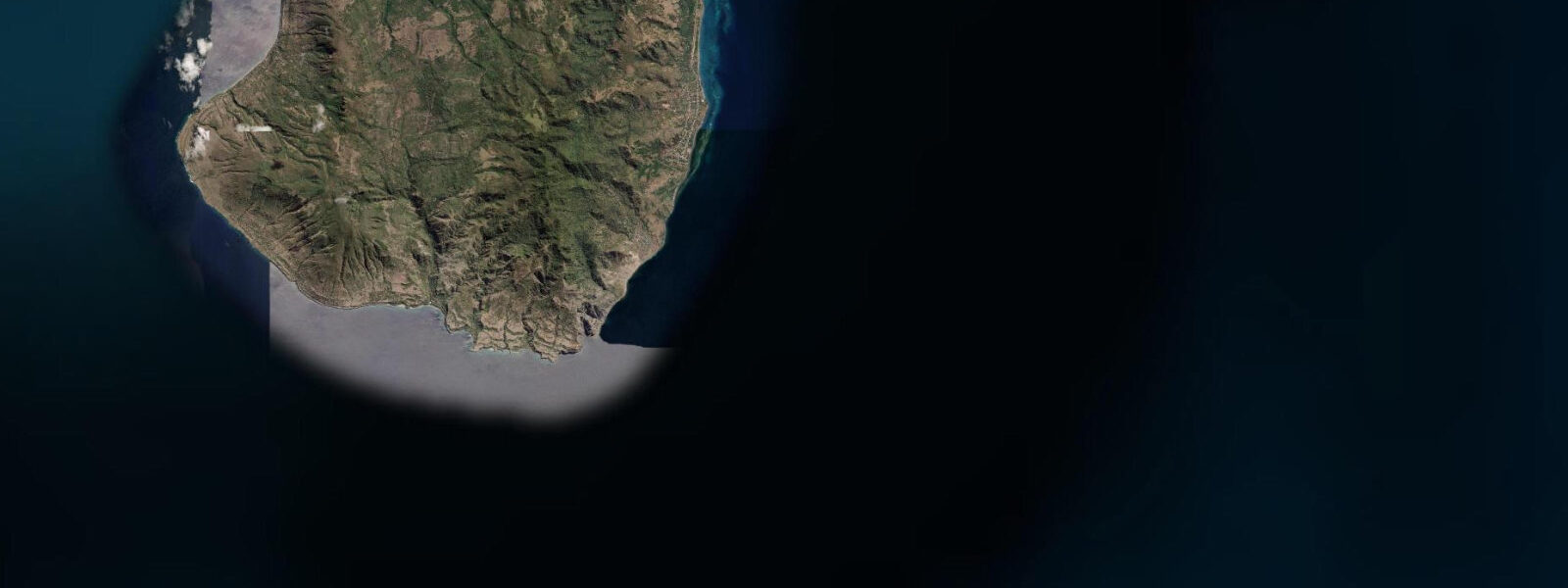
Atauro Island tide times
Atauro Island tide forecast — heights relative to MSL.
Today's tide times for Atauro Island
Tide times at Atauro Island on Tuesday, 4 August 2026: first low tide at 10:20am, first high tide at 04:19pm, second low tide at 10:13pm. Sunrise 06:50am, sunset 06:36pm.
Tide chart for Atauro Island
24-hour cosine-interpolated curve around the present moment. Heights relative to MSL. Predictions: Predictions: Open-Meteo Marine (MeteoFrance SMOC, 0.08° grid).
Sun, moon and conditions on Tue 04 Aug
Snapshot at build time — refreshes daily. Sea state from Open-Meteo Marine.
Highs and lows next 7 days
Every predicted high and low for the next week, with the daily tidal coefficient (0–120; higher = bigger swing, > 95 means stronger currents).
Other spots nearby
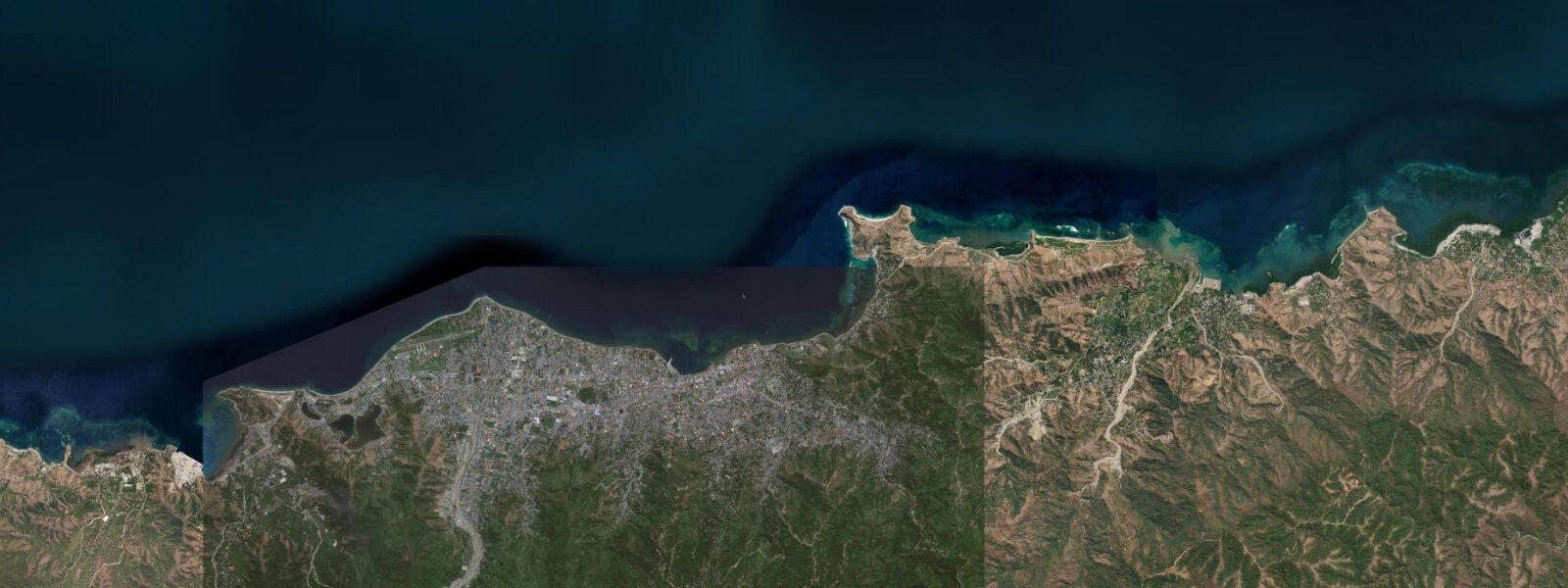
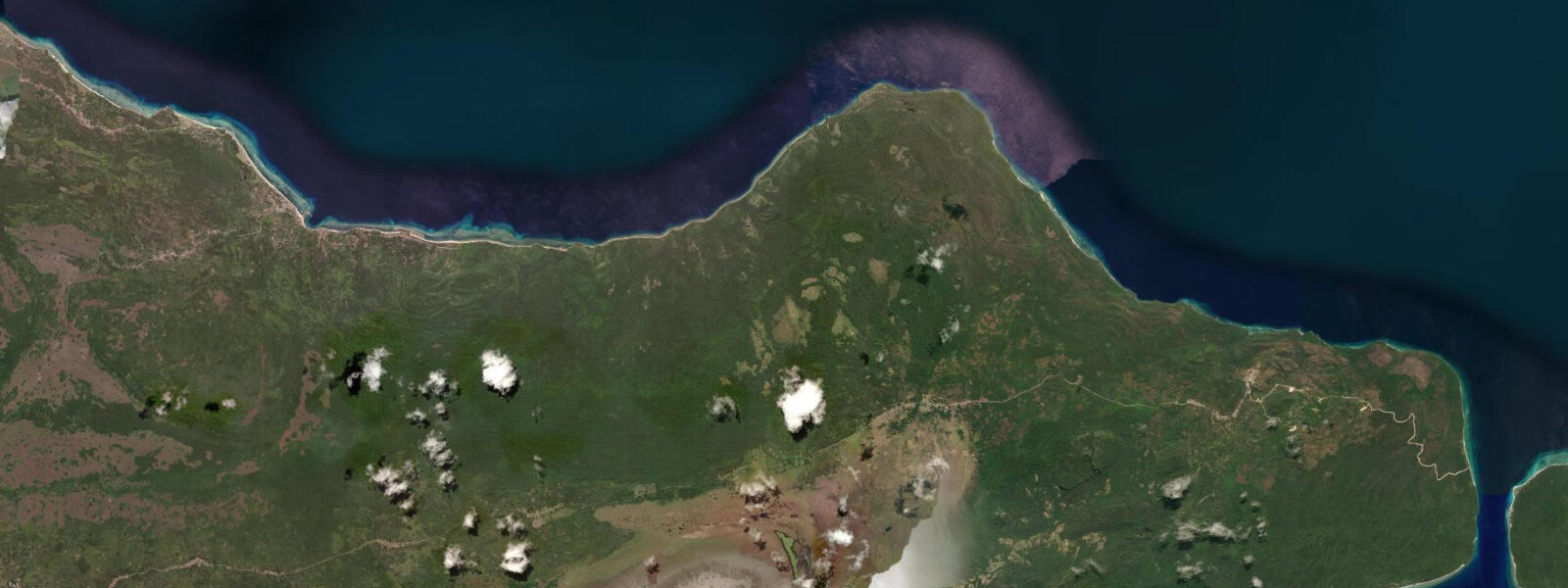
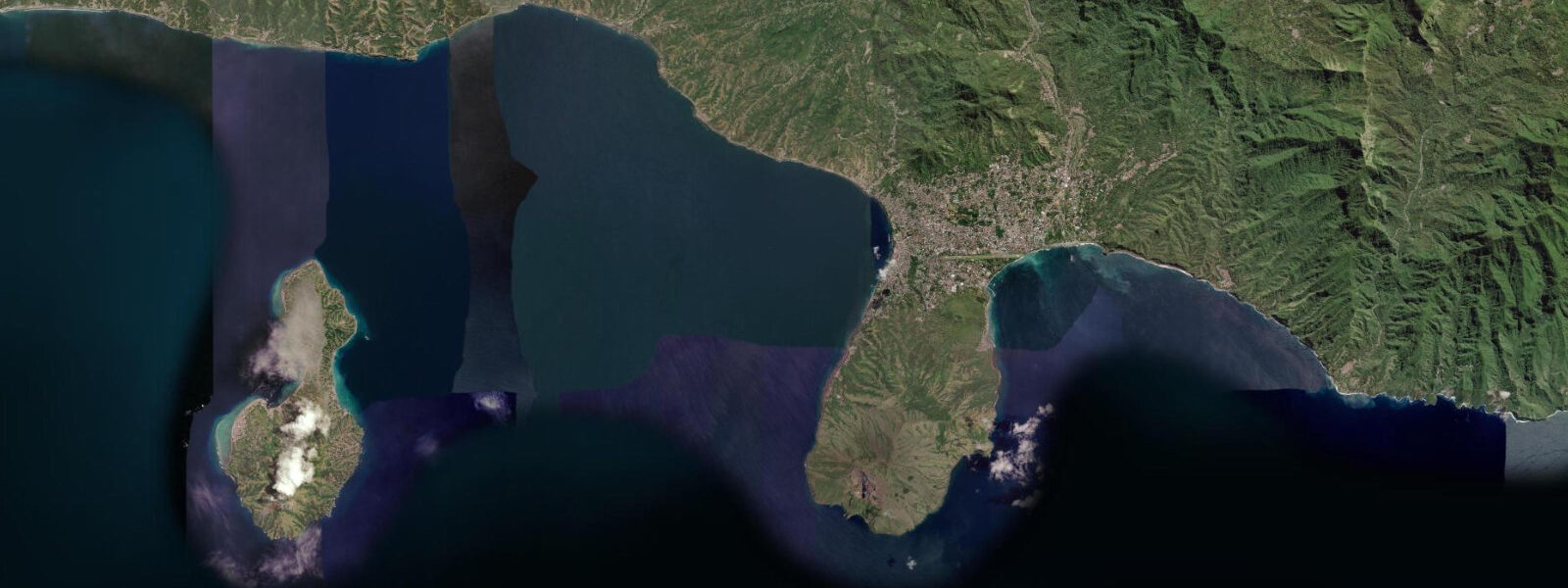
The three closest curated TideTurtle locations to Atauro Island, measured by great-circle distance.
Today's solunar windows
Solunar tradition: major periods are the ≈3h windows around moon transit and opposition; minor are ≈2h around moonrise and moonset. Pair with the local tide stage and wind for the best read.
Cycle dates near Atauro Island
Next spring tide on Thu 06 Aug (range 1.6m). Last neap on Tue 04 Aug. Next neap on Sun 09 Aug.
Spring tides cluster around new and full moons (biggest swings). Neap tides land on quarter moons (smallest swings). See the spring tide and neap tide glossary entries for the why.
About tides at Atauro Island
A short guide to the coastline at Atauro Island — geography, sea state, and what the tide is actually doing under your feet.
Atauro Island sits 30 kilometres north of Dili in the Wetar Strait, an elongated volcanic island approximately 25 kilometres long and 9 kilometres wide. The island rises steeply from the coast to a central spine above 900 metres — the forested ridges are visible from the Dili waterfront on clear days. Under Indonesian occupation (1975 to 1999), Atauro served as a detention island for East Timorese political prisoners and resistance members. Since independence, it has developed a small-scale ecotourism economy: several community-run guesthouses, a fishing-community market, and the diving that brought the island to international scientific attention.
In 2016, a Conservation International reef survey team conducted systematic fish species counts around Atauro's reefs. The results were extraordinary: 642 species of reef fish recorded in a single survey, the highest count ever documented on a coral reef. The finding attracted immediate scientific attention and positioned Atauro as a globally significant marine biodiversity site. The diversity reflects Atauro's position at the confluence of Pacific and Indian Ocean water masses in the Wetar Strait, its geological history, and the relatively low fishing pressure the island's small population has exerted on the surrounding reef.
The tidal channel between Atauro and Dili is a significant body of water. Spring tidal range at Atauro is approximately 1.5 to 2.0 metres, driven by the Wetar Strait's Indonesian throughflow tidal dynamics. The tidal current through the Atauro Passage — the strait between the island and the Timor-Leste mainland — reaches 1 to 2 knots at spring peaks, flowing northward (into the Banda Sea) on the flood and southward on the ebb. This current brings nutrient-rich water over the reef and is the mechanism behind the high productivity that supports the record fish diversity.
The reef system around Atauro has three distinct environments: the fringing reef accessible from shore in 2 to 5 metres; the reef slope in 10 to 30 metres; and the outer wall in 30 to 60+ metres. The shallow fringing reef is snorkellable from most of the island's western coast directly from the beach — the gravel and sand beach at Vila (the main village) gives access to the house reef in 50 metres. The fish density in the shallow zone is remarkable: parrotfish, wrasse, damselfish, and butterflyfish in concentrations that are unusual for a site accessible from shore.
Dive operations on Atauro are community-based: several dive operators have established here, using local fishermen as boat operators and training local guides. The dive tourism income is distributed to the community directly, a model that aligns economic incentives with reef protection. Diving visits require advance booking through Dili-based operators or directly with the Atauro guesthouses.
For non-divers, the snorkel at Vila village is the single most recommended activity. The fish density in 2 to 4 metres within 100 metres of the beach is extraordinary by global standards. A mask and snorkel rented from the guesthouse is the only equipment needed.
Predictions on this page come from Open-Meteo Marine, a gridded global ocean model. Accuracy is typically within plus or minus 45 minutes on timing and 0.2 to 0.3 metres on height — model-derived, not from a local gauge. The local tide authority is the Autoridade Nacional de Meteorologia e Geofísica de Timor-Leste (ANMG).
Tide questions about Atauro Island
Quick answers to the most common questions about tide times, range, and water access at Atauro Island.
Why does Atauro Island have the world's highest reef fish diversity?
The 2016 Conservation International survey documented 642 reef fish species around Atauro — the highest single-survey count ever recorded on a coral reef. The exceptional diversity reflects several factors: Atauro sits at the confluence of Pacific and Indian Ocean water masses in the Wetar Strait, within the Coral Triangle zone of maximum marine biodiversity; the Indonesian throughflow current brings highly diverse oceanic larvae over the reef; the island's volcanic geology provides varied substrate; and the low fishing pressure from Atauro's small population has allowed the fish community to maintain high species abundance. The count represents species diversity, not population density — though both are high at Atauro.
How do I get to Atauro Island?
By public ferry from Dili port, operating twice weekly — the crossing takes approximately 3 hours and can be rough in the southeast monsoon (May to October). Tickets are purchased at the Dili port on the day; USD is the currency (Timor-Leste uses US dollars). By private speedboat charter from Dili, arranged through dive operators — the crossing takes 45 minutes to 1 hour. Accommodation on Atauro is at community guesthouses in Vila village; book in advance through Dili-based operators or directly. Bring USD cash — there is no ATM on the island.
What is the snorkelling like at Atauro?
The fringing reef off Vila village is accessible by snorkel from the beach in 50 metres and has fish density that is genuinely exceptional by global standards — parrotfish, wrasse, damselfish, butterflyfish, and surgeonfish in shallow water of 2 to 5 metres, with visibility of 15 to 20 metres on calm days. The fish encounter rate per metre of reef is higher than at most comparable accessible reef snorkel sites. Snorkel gear is available for rental from guesthouses. The best snorkel conditions are on incoming tides when the Wetar Strait current brings clean water over the reef. No guide is required for the shallow fringing reef.
What is the tidal current in the Atauro Passage?
The Atauro Passage, between the island and the Timor-Leste mainland, carries a tidal current of 1 to 2 knots at spring peaks, driven by the Indonesian throughflow's interaction with the Wetar Strait tidal dynamics. The current flows northward (into the Banda Sea) on the flood and southward on the ebb. This current is relevant for the ferry crossing — the public ferry operator adjusts the crossing approach for tidal state, and the 3-hour journey time includes allowance for current. Private speedboat charters are less affected by the current at speed. The current brings nutrient-rich water over the reef and is a key driver of Atauro's high marine productivity.
Is community-based dive tourism at Atauro well-established?
Yes. Several community-run dive operations have established on Atauro, using local boats and training local guides. The model distributes economic benefits from dive tourism directly to the island community, aligning incentives with reef protection. Dive operators work with the guesthouses in Vila village; booking a dive package through a Dili operator or directly with the Atauro guesthouses includes boat, guide, and site briefing. Equipment rental is available but limited — bring your own regulator and BCD for reliability. Nitrox is not available on the island; air only.
8-day tide table — Atauro Island
Heights relative to MSL. Predictions: Open-Meteo Marine (MeteoFrance SMOC, 0.08° grid) — heights relative to MSL (not chart datum / LAT). Model-derived.
| Day | Type | Time | Height |
|---|---|---|---|
| Tue 04 Aug | Low | 10:20 | -0.2m |
| High | 16:19 | 1.1m | |
| Low | 22:13 | -0.1m | |
| Wed 05 Aug | High | 04:36 | 1.4m |
| Low | 11:05 | -0.2m | |
| High | 17:08 | 1.0m | |
| Low | 22:46 | 0.0m | |
| Thu 06 Aug | High | 05:06 | 1.4m |
| Low | 11:56 | -0.3m | |
| High | 18:06 | 0.8m | |
| Low | 23:24 | 0.2m | |
| Fri 07 Aug | High | 05:46 | 1.3m |
| Low | 13:02 | -0.3m | |
| Sat 08 Aug | High | 06:35 | 1.3m |
| Low | 14:16 | -0.3m | |
| Sun 09 Aug | High | 07:48 | 1.3m |
| Low | 15:50 | -0.4m | |
| High | 23:15 | 0.8m | |
| Mon 10 Aug | Low | 03:00 | 0.6m |
| High | 09:18 | 1.3m | |
| Low | 17:04 | -0.5m | |
| Tue 11 Aug | High | 00:13 | 0.9m |
| Low | 04:48 | 0.5m | |
| High | 08:00 | 0.9m |