Ljugarn tide times
Ljugarn tide forecast — heights relative to MSL.
Tide chart for Ljugarn
24-hour cosine-interpolated curve around the present moment. Heights relative to MSL. Predictions: Predictions: Open-Meteo Marine (MeteoFrance SMOC, 0.08° grid).
Sun, moon and conditions on Tue 04 Aug
Snapshot at build time — refreshes daily. Sea state from Open-Meteo Marine.
Highs and lows next 7 days
Every predicted high and low for the next week, with the daily tidal coefficient (0–120; higher = bigger swing, > 95 means stronger currents).
Other spots nearby
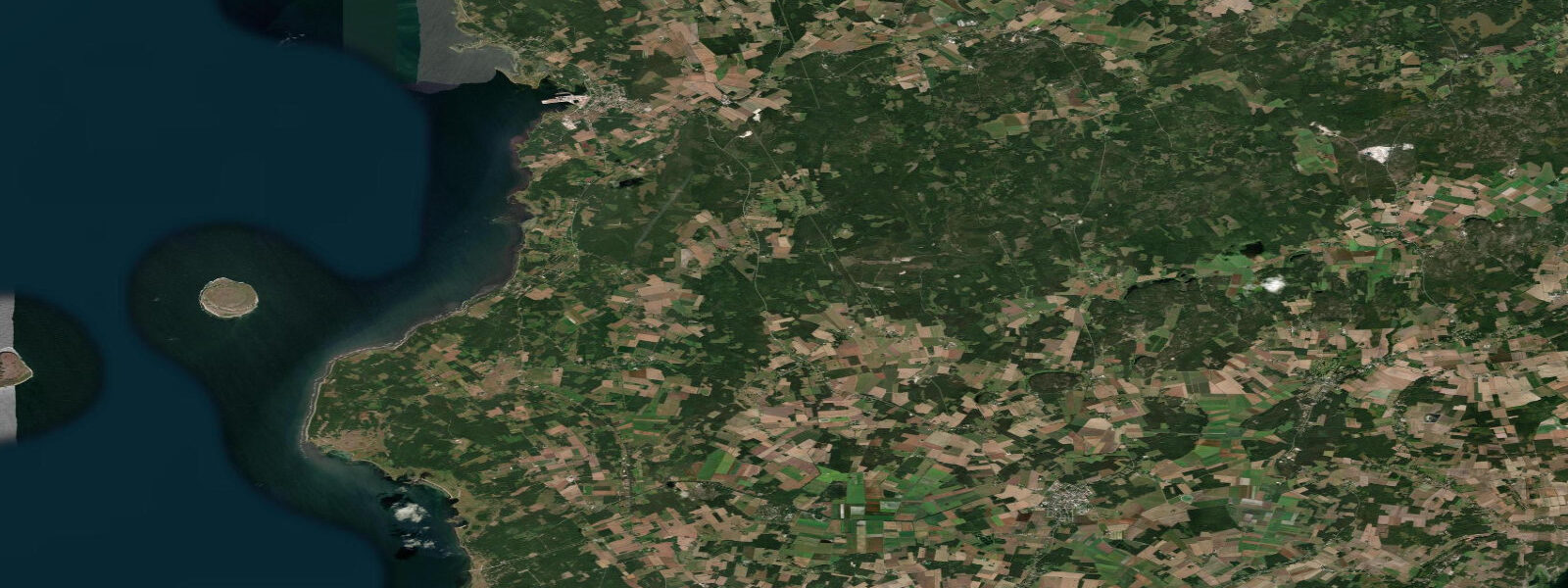
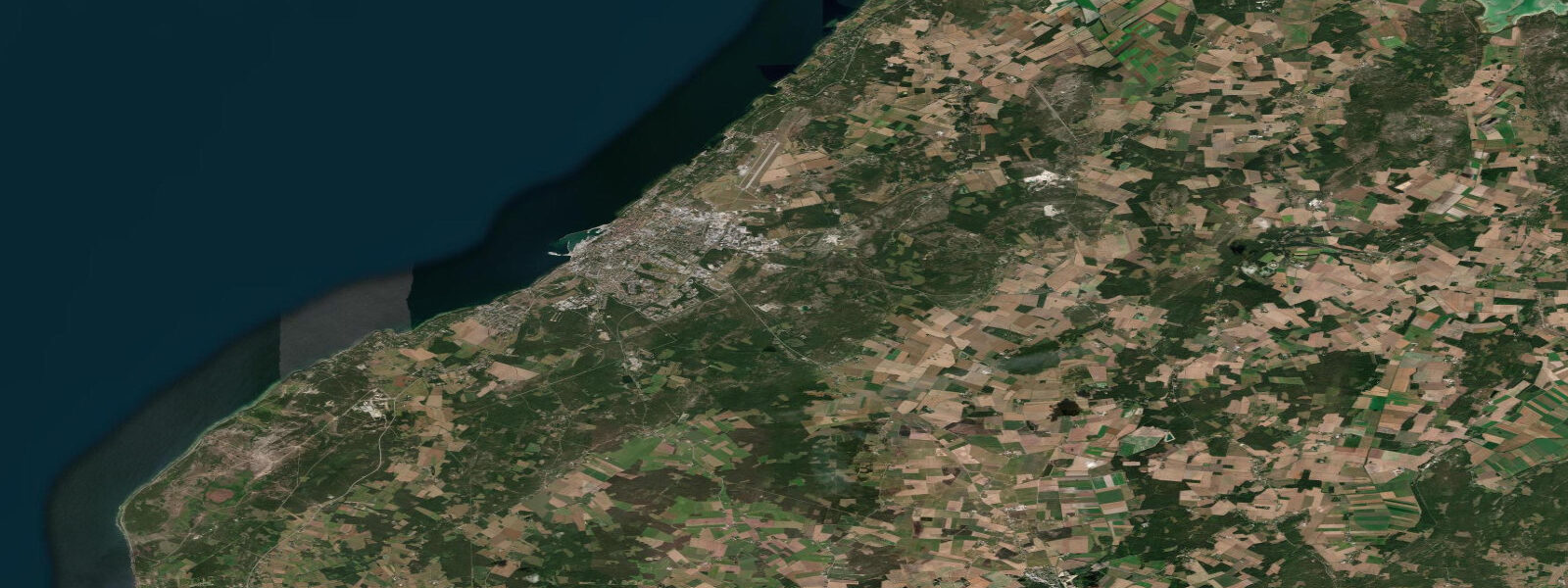
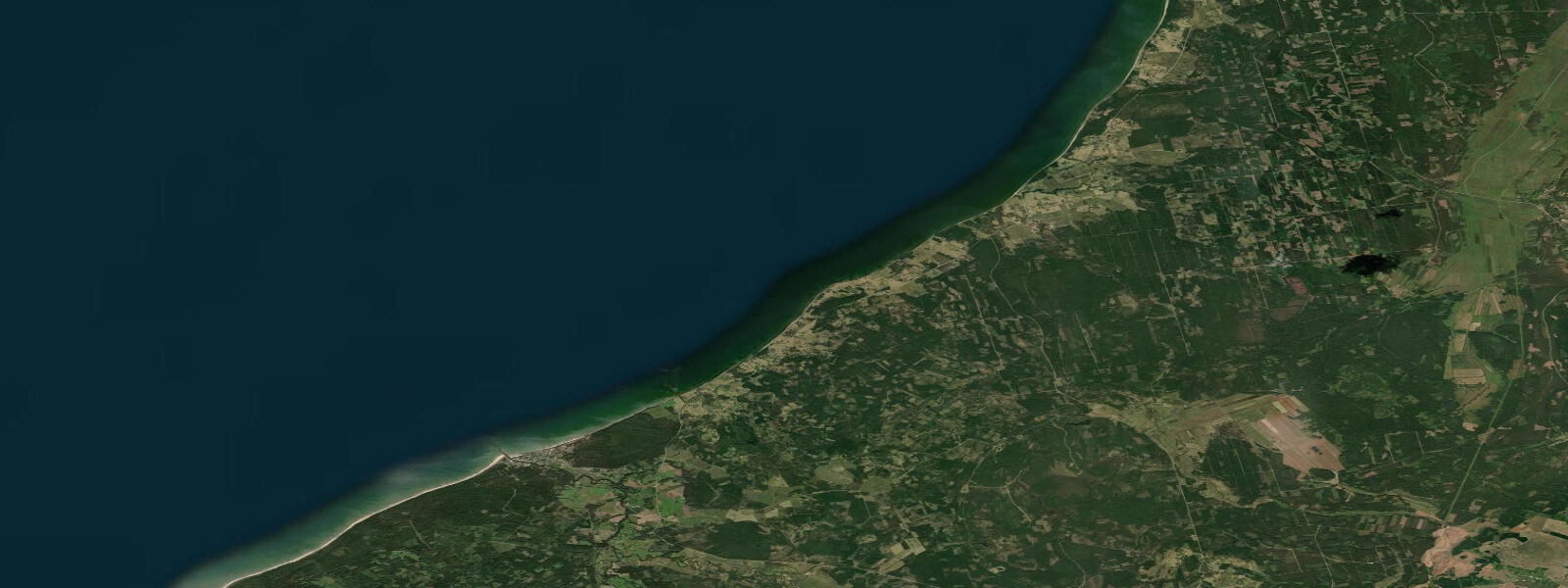
The three closest curated TideTurtle locations to Ljugarn, measured by great-circle distance.
Today's solunar windows
Solunar tradition: major periods are the ≈3h windows around moon transit and opposition; minor are ≈2h around moonrise and moonset. Pair with the local tide stage and wind for the best read.
About tides at Ljugarn
A short guide to the coastline at Ljugarn — geography, sea state, and what the tide is actually doing under your feet.
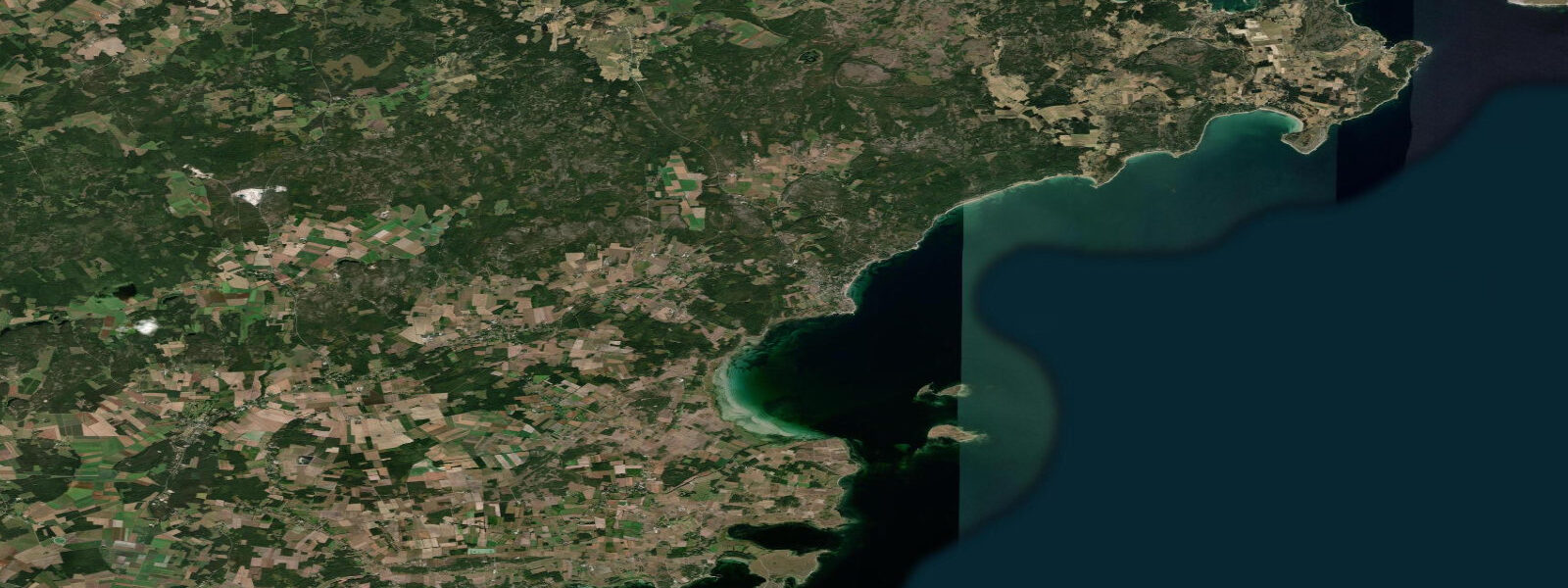
Ljugarn is Gotland's main east-coast resort village, 55 km southeast of Visby on a stretch of coast that faces the Baltic Sea to the east across relatively sheltered water. The village is small — a few hundred permanent residents — but in July it swells with Swedish summer visitors drawn by the long sandy beach, the calm-water swimming conditions (the east coast faces away from the dominant westerly storm track), and the raukar formations at Folhammar, 3 km south along the coastal path. The Ljugarn beach is one of the sandier sections of Gotland's generally limestone-and-pebble coast.
The Baltic at Ljugarn is, like all of Gotland's coast, non-tidal in any practical sense. Astronomical range is 3–7 cm. Water level is driven by wind and atmospheric pressure: here, on the east coast, the relevant wind direction is easterly rather than westerly. A sustained easterly across the central Baltic generates swell and setup against the Ljugarn shoreline; a westerly blows across the island from behind and drops water level on the east coast while raising the west coast. The asymmetry between Gotland's east and west coasts in wind-driven water level is a practical feature of Baltic island geography.
For swimmers, the east coast character of Ljugarn is its main asset. The Baltic's prevailing westerlies are blocked by Gotland's limestone island mass before they reach the east shore; the east coast sees swells mainly from easterly and northeasterly events, which are less frequent and shorter-fetched than the dominant Atlantic westerlies. In calm summer conditions — the majority of July and August — Ljugarn's beach is flat-water swimming. Sea temperature on Gotland's east coast peaks at 18–22 °C in late July; the east coast generally runs 1–3 °C warmer than the west coast in summer due to wind-driven upwelling on the west side in westerly conditions.
For stand-up paddleboarders and flat-water kayakers, Ljugarn is among the best conditions on Gotland. The absence of dominant swell from the west and the calm summer weather create reliable flat-water mornings. Rentals are available from the village in July and August. The 3-km paddle south along the coast to the Folhammar raukar is a rewarding half-day trip; the raukar are best viewed from the water, where the limestone formations are framed against the sky with no inland clutter. Timing: morning before 10:00 is consistently calmer than afternoon; the Baltic sea breeze from the east-northeast can build from mid-morning and create chop by 13:00.
The Folhammar raukar field, accessible by the signed coastal path 3 km south of Ljugarn, is the finest group of raukar on Gotland's east coast. The formations stand on a flat limestone platform at the Baltic edge; some are 3–4 m tall with wind-carved undercuts and arch forms. The coastal path from Ljugarn takes 45 minutes on foot. For photographers, the raukar are best in the early morning when east-facing light illuminates the carved surfaces. The Baltic water on calm mornings is glassy enough to reflect the stack forms — the combination of carved limestone above and reflection below is the most distinctive composition at Folhammar.
For anglers, the Ljugarn pier and the rocky sections of coast south of the village offer pike-perch and Baltic perch from shore in the evening. Sea trout pass through the east coast in autumn during their coastal migration phase. Baltic herring are accessible from the pier in spring during the spawning run. No tidal timing applies; wind and light level are the operative variables. The closed season for certain species in Swedish coastal waters should be checked from the Swedish Agency for Marine and Water Management (havochvatten.se).
Winter at Ljugarn is quiet, cold, and dramatic. The Baltic on the east coast can form shore ice in cold winters; in severe years the sea ice extends several kilometres offshore from the east coast. The raukar at Folhammar encased in shore ice in January and February are a distinctive winter photography subject — cold, monochrome, and entirely different from the summer pastoral character of the beach.
All tide predictions for Ljugarn come from the Open-Meteo Marine gridded model. Timing accuracy is ±45 minutes; height accuracy is ±0.3 m above Chart Datum. The astronomical signal at Ljugarn is 3–7 cm — within the model's uncertainty. Wind and atmospheric pressure drive all water level variation here.
Tide questions about Ljugarn
Quick answers to the most common questions about tide times, range, and water access at Ljugarn.
Why is Ljugarn's east coast calmer for swimming than Gotland's west coast?
Gotland's west coast faces the dominant Atlantic westerly storm track; the central island mass blocks this swell and wind from reaching the east coast. Ljugarn faces east across the central Baltic, where the fetch is shorter and dominated by less frequent easterly and northeasterly winds. In typical summer high-pressure conditions, Ljugarn's beach is nearly flat while Visby and Klintehamn on the west coast have small westerly chop. Easterly storms do affect Ljugarn — they are less common but can generate 1.0–1.5 m of wave height on the beach when they do occur. The summer sea temperature is also 1–3 °C warmer on the east coast than the west due to wind-driven upwelling on the west side in prevailing westerly conditions.
What are the Folhammar raukar and how do you reach them from Ljugarn?
The Folhammar raukar are a group of sculpted limestone sea stacks 3 km south of Ljugarn, among the finest raukar formations on Gotland's east coast. Stacks stand 3–4 m tall with wind-carved undercuts and arches on a flat limestone platform at the Baltic's edge. The signed coastal path from Ljugarn village to Folhammar takes 45 minutes on foot. The same route by sea kayak or paddleboard takes 20–25 minutes on calm water. Photography is best in early morning when east-facing light rakes across the carved surfaces; flat-calm Baltic mornings provide the clearest reflection shots. The path is passable year-round; the raukar encased in shore ice in cold winters are a distinctive winter photography subject.
Is Ljugarn suitable for paddleboarding and sea kayaking?
Ljugarn is one of the best paddleboard and sea-kayak venues on Gotland. The east coast calm in summer westerly conditions creates reliable flat-water mornings. The 3-km paddle to the Folhammar raukar is a practical half-day trip from the village. Rentals are available in July and August from village operators. Morning before 10:00 is the most reliable calm window; Baltic sea-breeze from the east-northeast can build from mid-morning and create chop by 13:00. There is no tidal current — the non-tidal Baltic means wind is the only force to manage. An easterly wind above 5 m/s significantly changes the sea state on this east-facing coast; check the SMHI marine forecast before paddling.
What fish can be caught from the Ljugarn pier?
Baltic perch and pikeperch are accessible from the Ljugarn pier and the rocky coast sections south of the village in summer and autumn. Evening sessions are most productive for pikeperch, which are crepuscular hunters. Sea trout are present on the east coast in autumn (September–November) during their coastal migration and can be taken by spinning from the pier or the rocky shore. Baltic herring approach the east coast shallows during the April–May spawning run and are caught with light tackle and small lures. There is no tidal timing to optimise for any of these species; wind direction and weather are the primary variables. Check current closed-season rules at havochvatten.se for Baltic sea trout and perch.
Can you swim at Ljugarn beach year-round?
The safe swimming season at Ljugarn is mid-June through late August, when water temperature is 17–22 °C. May is swimmable for cold-water tolerant adults at 12–15 °C. September cools rapidly; October is typically 12–14 °C. In cold winters, shore ice forms on the east coast, and in severe winters sea ice extends several kilometres offshore — December through March is not a swimming environment. The beach is non-tidal; waterline position varies only with wind. When easterly winds blow, water is pushed against the Ljugarn shore and wave height increases; when westerlies dominate (the majority of summer), the east coast is sheltered and the beach is calm. No lifeguard service operates; swimming is self-supervised.
0-day tide table — Ljugarn
Heights relative to MSL. Predictions: Open-Meteo Marine (MeteoFrance SMOC, 0.08° grid) — heights relative to MSL (not chart datum / LAT). Model-derived.
| Day | Type | Time | Height |
|---|