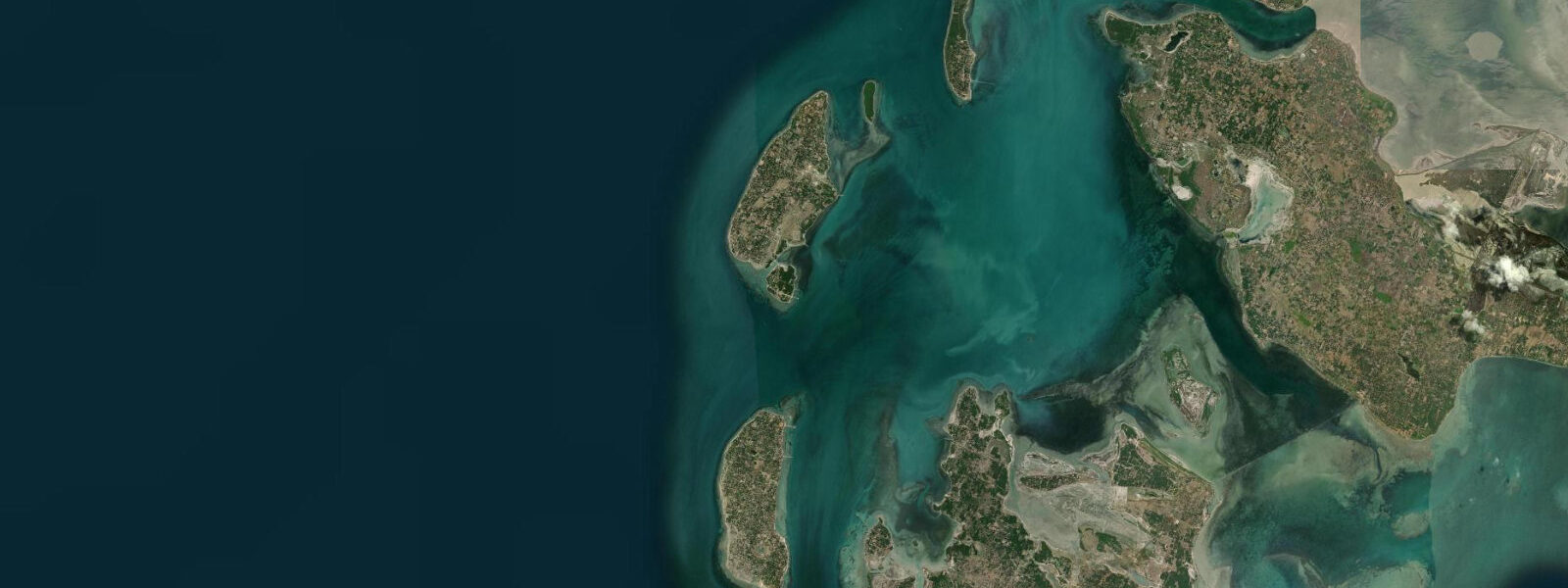
Delft Island tide times
Delft Island tide forecast — heights relative to MSL.
Today's tide times for Delft Island
Tide times at Delft Island on Tuesday, 4 August 2026: first high tide at 06:15am, first low tide at 11:20pm. Sunrise 06:01am, sunset 06:33pm.
Tide chart for Delft Island
24-hour cosine-interpolated curve around the present moment. Heights relative to MSL. Predictions: Predictions: Open-Meteo Marine (MeteoFrance SMOC, 0.08° grid).
Sun, moon and conditions on Tue 04 Aug
Snapshot at build time — refreshes daily. Sea state from Open-Meteo Marine.
Highs and lows next 7 days
Every predicted high and low for the next week, with the daily tidal coefficient (0–120; higher = bigger swing, > 95 means stronger currents).
Other spots nearby
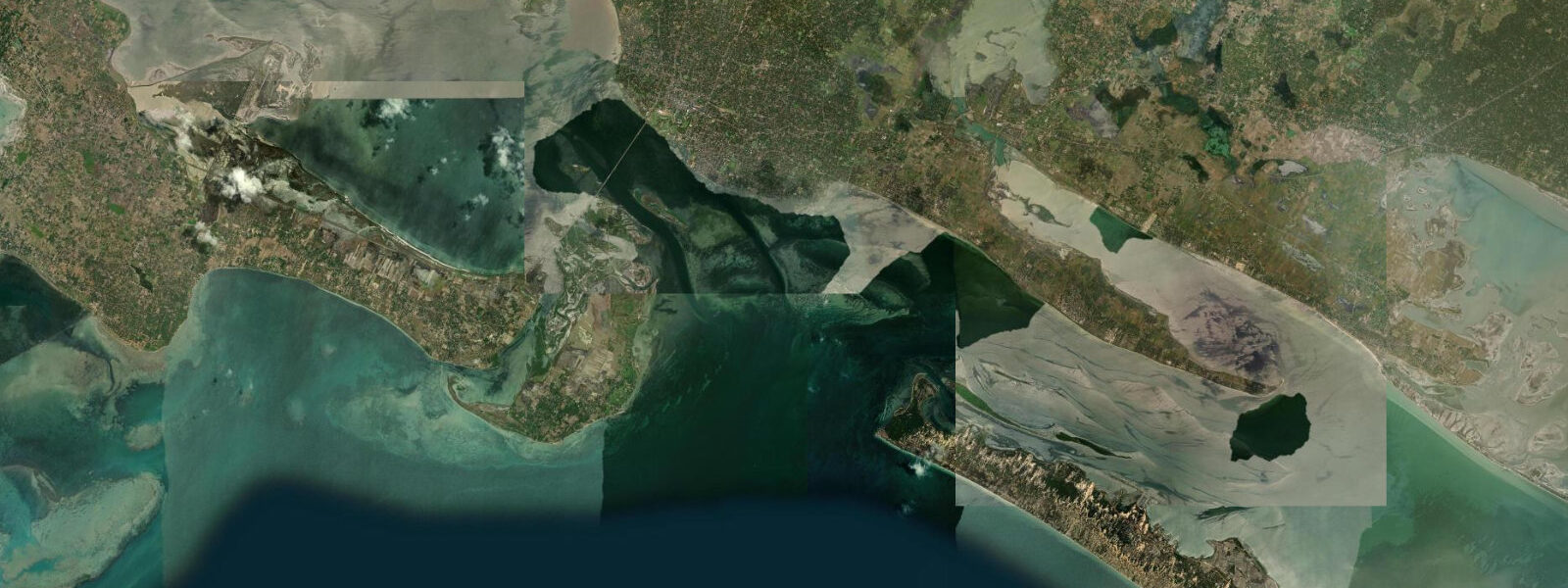
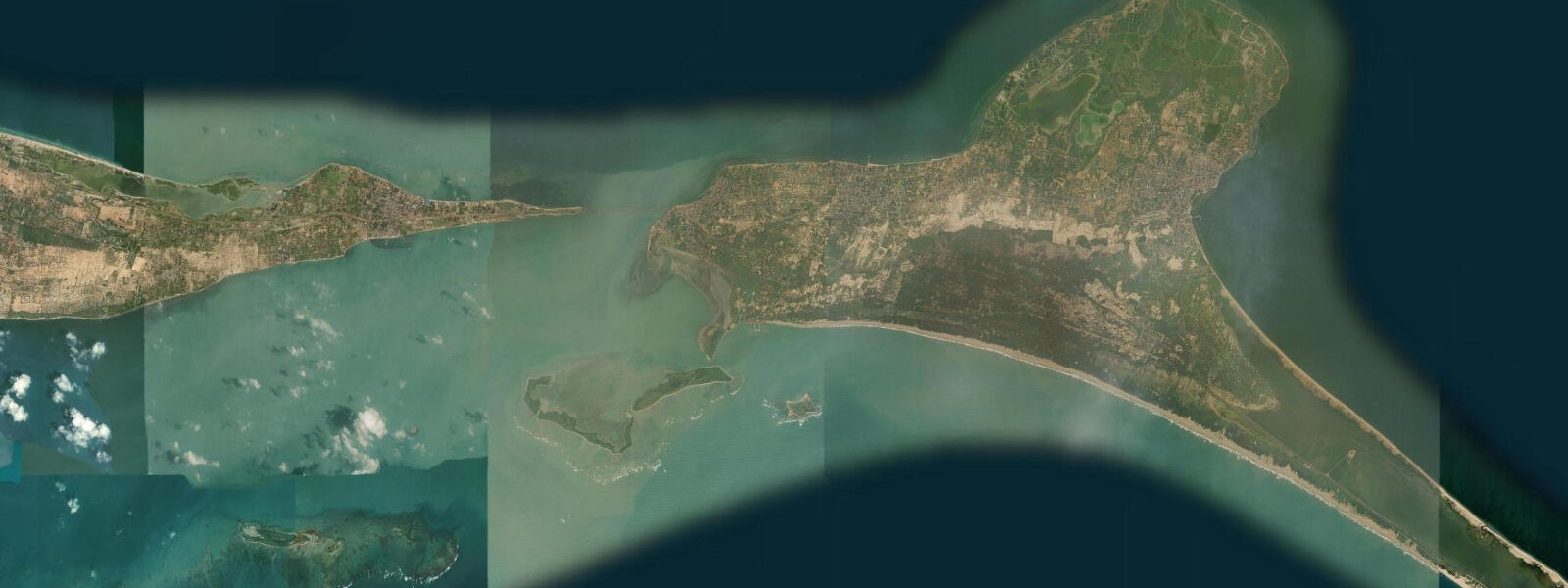
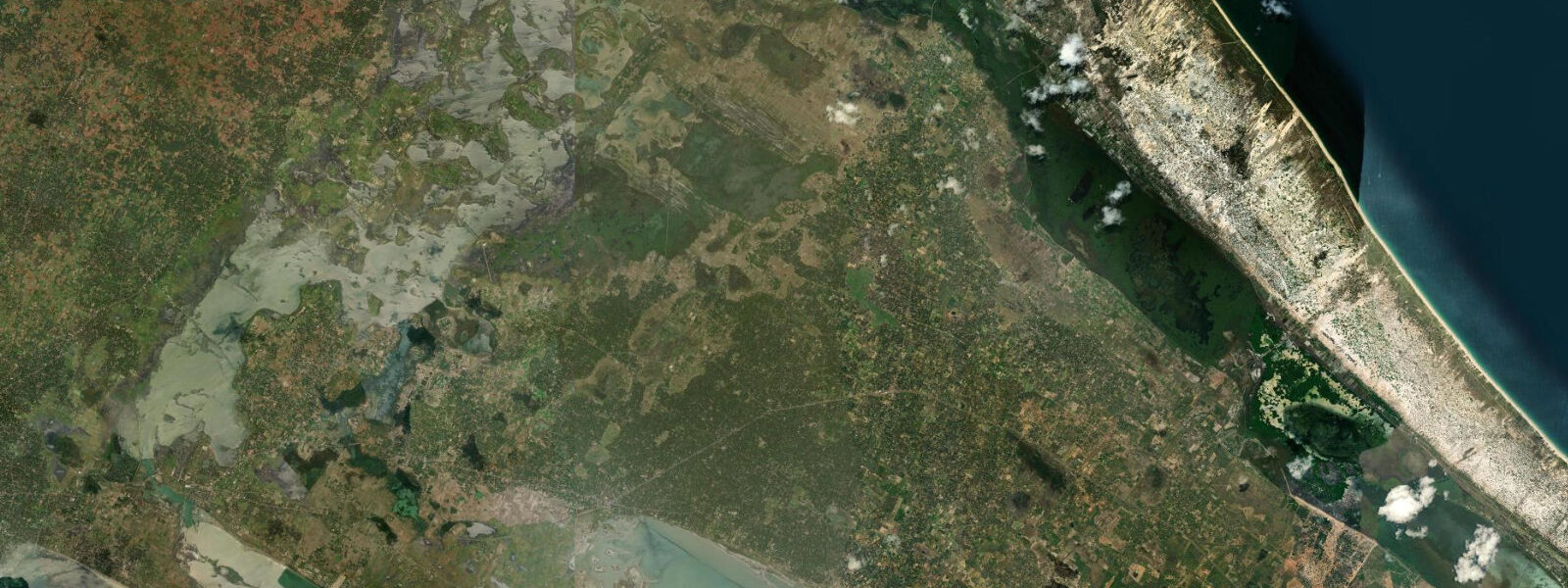
The three closest curated TideTurtle locations to Delft Island, measured by great-circle distance.
Today's solunar windows
Solunar tradition: major periods are the ≈3h windows around moon transit and opposition; minor are ≈2h around moonrise and moonset. Pair with the local tide stage and wind for the best read.
Cycle dates near Delft Island
Next spring tide on Sat 08 Aug (range 0.4m). Next neap on Thu 06 Aug.
Spring tides cluster around new and full moons (biggest swings). Neap tides land on quarter moons (smallest swings). See the spring tide and neap tide glossary entries for the why.
About tides at Delft Island
A short guide to the coastline at Delft Island — geography, sea state, and what the tide is actually doing under your feet.
Delft Island (Neduntheevu in Tamil) lies 20 km west-northwest of the Jaffna Peninsula in the Palk Strait, the closest large inhabited island to the Adam's Bridge reef chain that extends northwest toward Dhanushkodi on the Indian coast. The island is roughly 4 km east-to-west and 3 km north-to-south; the terrain is flat limestone, a few metres above sea level at most, with sparse scrubby vegetation and a shoreline of coral rock and sand. The population is approximately 5,000, Tamil-speaking, with fishing and coconut cultivation as the main livelihoods.
5 hours, and the pier at Kurikadduwan has adequate water depth for the ferry across the full tidal cycle — departure times are schedule-driven, not tide-dependent. Delft is administered as a Divisional Secretariat within the Jaffna District. Three features set Delft apart from other Palk Strait islands.
The semi-wild horses of Delft are the most visible: a population of several hundred horses descended from stock left by the Portuguese in the 16th century, now fully feral and roaming the island's interior scrub. They move between the interior and the coastal water points in the early morning and late afternoon; sightings from the road across the island are reliable. The baobab trees of Delft — Adansonia digitata, the African species — are the second: several specimens, the largest with a girth estimated at 20 metres, stand in the centre of the island.
They are believed to have arrived as African trade goods, carried by Arab or Portuguese traders some centuries ago. The Dutch fort at Delft's northern coast, a square coral-stone fortification built in 1645, is the third. The fort is partially intact; the coral-block construction is characteristic of Dutch-period fortifications throughout the Ceylon coast.
The coral ruins around the island — collapsed coral-block walls of the colonial-era administrative buildings, the old post house, the pigeon tower (a 17th-century messenger-pigeon tower used as a relay in the colonial communications system) — are distributed across the interior. 9 metres above chart datum. The Palk Strait current between Delft and the Adam's Bridge shoal chain to the northwest runs on tidal forcing combined with the pressure gradient between Palk Bay and the Gulf of Mannar.
The current over the Adam's Bridge reef chain itself — a series of shoals averaging 1 metre depth or less — is vigorous on springs and makes snorkelling in the channel between Delft and the reef inadvisable without precise local knowledge of the current state. Snorkelling from the beaches on the southern and eastern shores of Delft accesses the fringing coral reef in 1 to 4 metres of water; the western and northern sides face the active Palk Strait current and are less suitable for casual snorkelling. The incoming tide is the preferred window for visibility in the inshore reef areas.
Shore fishing from the coral-rock shoreline targets trevally, barracuda, and reef species on the incoming tide; the first two hours of flood on the south and east sides of the island are the standard local window. The island's pigeon tower, a Portuguese-era messenger-pigeon relay tower of coral block, stands in the centre of the island and is one of the most unusual surviving colonial structures in Sri Lanka — it was used to relay written messages between the Jaffna mainland and the garrison on the island before the establishment of telegraph. The Dutch fort at the island's northern coast, built 1645 with coral-limestone blocks, retains its corner bastions substantially intact.
The coral formations visible in the water around the fort site are partially composed of the same fossil-coral limestone used as building material — the geological and architectural layers are inseparable on Delft. 3 metres on height. NARA (National Aquatic Resources Research and Development Agency, Sri Lanka) is the authoritative Sri Lanka tide source.
Tide questions about Delft Island
Quick answers to the most common questions about tide times, range, and water access at Delft Island.
How do I get to Delft Island, and do ferry departure times depend on the tide?
The ferry departs from Kurikadduwan pier on the Jaffna Peninsula, approximately 35 km northwest of Jaffna town. The service runs twice daily (early morning and early afternoon typically; confirm the current schedule with the ferry operator or the Jaffna Divisional Secretariat before travel). Kurikadduwan pier has adequate water depth for the ferry at all tidal stages — departure times are fixed to the schedule, not to tidal state. The crossing takes approximately 2.5 hours. Day trips are feasible; overnight stays are possible in the limited guesthouse accommodation on Delft.
What are the feral horses of Delft Island, and where do I find them?
The feral horses of Delft are descendants of horses left by Portuguese traders and administrators in the 16th century — the colonial presence on Delft was primarily through the Portuguese fort (1558, rebuilt by Dutch 1645) and the relay-station infrastructure. The horses were never fully domesticated back into working stock and have been free-ranging for several centuries. The current population is several hundred. They move between the scrub interior and the coastal water points (ponds and marshy areas near the shoreline) in the early morning and late afternoon. The road that crosses the island from the ferry landing to the Dutch fort passes through the primary ranging area; sightings on foot or by tuk-tuk from the road are reliable. They are not aggressive toward people but should not be approached closely.
Is it safe to snorkel in the Palk Strait current between Delft and Adam's Bridge?
Not without precise local knowledge of the current state and timing. The Palk Strait between Delft and the Adam's Bridge shoal chain runs on tidal forcing combined with the pressure gradient between Palk Bay and the Gulf of Mannar; on springs the current through the shallow sections over the Adam's Bridge reefs can reach 2 to 3 knots, which is unsafe for recreational snorkelling. The southern and eastern shores of Delft are sheltered from the direct strait current and provide accessible reef snorkelling in 1 to 4 metres; the incoming tide window on these sheltered sides gives the clearest visibility. Ask local fishermen on Delft about current conditions on the day before entering the water on the western and northern exposed sides.
Where do these tide predictions come from?
Open-Meteo Marine, a gridded global ocean model; accuracy is typically ±45 minutes on timing and ±0.2 to 0.3 metres on height. The Palk Strait is a complex tidal environment where the pressure gradient between Palk Bay and the Gulf of Mannar drives current over the Adam's Bridge shoals; the gridded model does not capture these local current dynamics to high accuracy. NARA (National Aquatic Resources Research and Development Agency, Sri Lanka) is the authoritative tide source for Sri Lankan waters; the nearest reference gauge is the Jaffna station.
Is this safe to use for navigation?
No. The Palk Strait around Delft Island and the Adam's Bridge reef chain has shoal depths of 1 metre or less across the reef sections and unpredictable current. Navigation requires current charts and local pilot knowledge. The Sri Lanka Navy operates patrol vessels in these waters; all vessel movements must comply with Sri Lanka Navy and Ports Authority requirements. For any vessel operation, use Sri Lanka Ports Authority charts, NARA tide data, and the relevant Sri Lanka maritime authority guidance. TideTurtle is a coastal planning reference only.
8-day tide table — Delft Island
Heights relative to MSL. Predictions: Open-Meteo Marine (MeteoFrance SMOC, 0.08° grid) — heights relative to MSL (not chart datum / LAT). Model-derived.
| Day | Type | Time | Height |
|---|---|---|---|
| Tue 04 Aug | High | 06:15 | 0.6m |
| Low | 23:20 | 0.2m | |
| Wed 05 Aug | High | 06:36 | 0.6m |
| Low | 23:24 | 0.2m | |
| Thu 06 Aug | High | 16:30 | 0.6m |
| Low | 23:30 | 0.2m | |
| Fri 07 Aug | High | 07:20 | 0.6m |
| Low | 23:30 | 0.2m | |
| Sat 08 Aug | High | 07:30 | 0.5m |
| Low | 23:45 | 0.1m | |
| Sun 09 Aug | — | ||
| Mon 10 Aug | High | 15:20 | 0.5m |
| Low | 23:40 | 0.1m | |
| Tue 11 Aug | High | 04:30 | 0.3m |