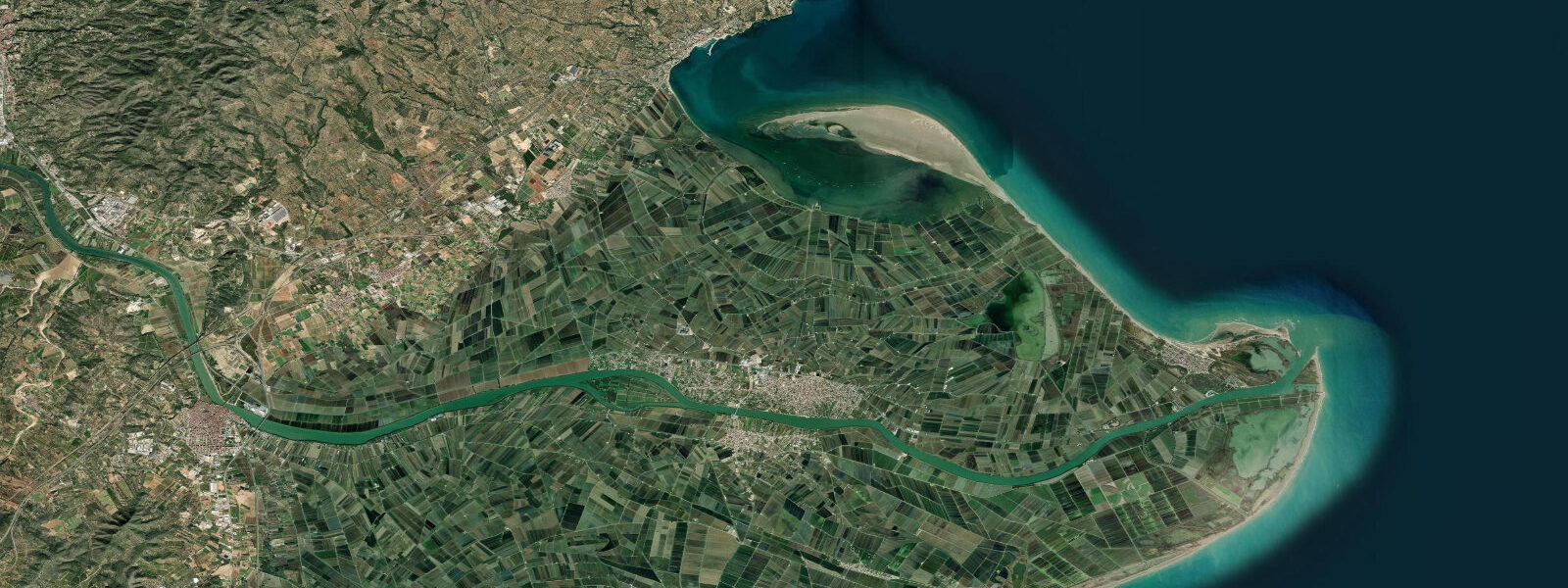
Ebro Delta tide times
Ebro Delta tide forecast — heights relative to MSL.
Today's tide times for Ebro Delta
Tide times at Ebro Delta on Tuesday, 4 August 2026: first high tide at 02:00, first low tide at 08:00. Sunrise 06:55, sunset 21:10.
Tide chart for Ebro Delta
24-hour cosine-interpolated curve around the present moment. Heights relative to MSL. Predictions: Predictions: Open-Meteo Marine (MeteoFrance SMOC, 0.08° grid).
Sun, moon and conditions on Tue 04 Aug
Snapshot at build time — refreshes daily. Sea state from Open-Meteo Marine.
Highs and lows next 7 days
Every predicted high and low for the next week, with the daily tidal coefficient (0–120; higher = bigger swing, > 95 means stronger currents).
Other spots nearby
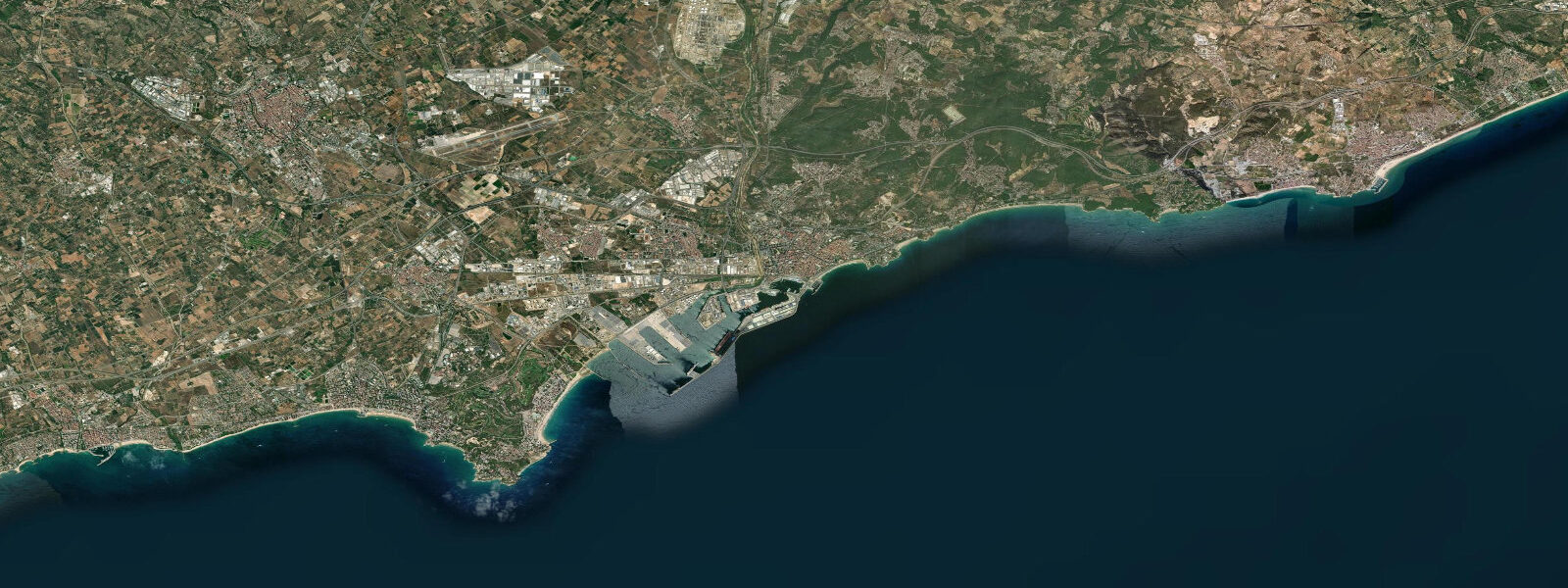
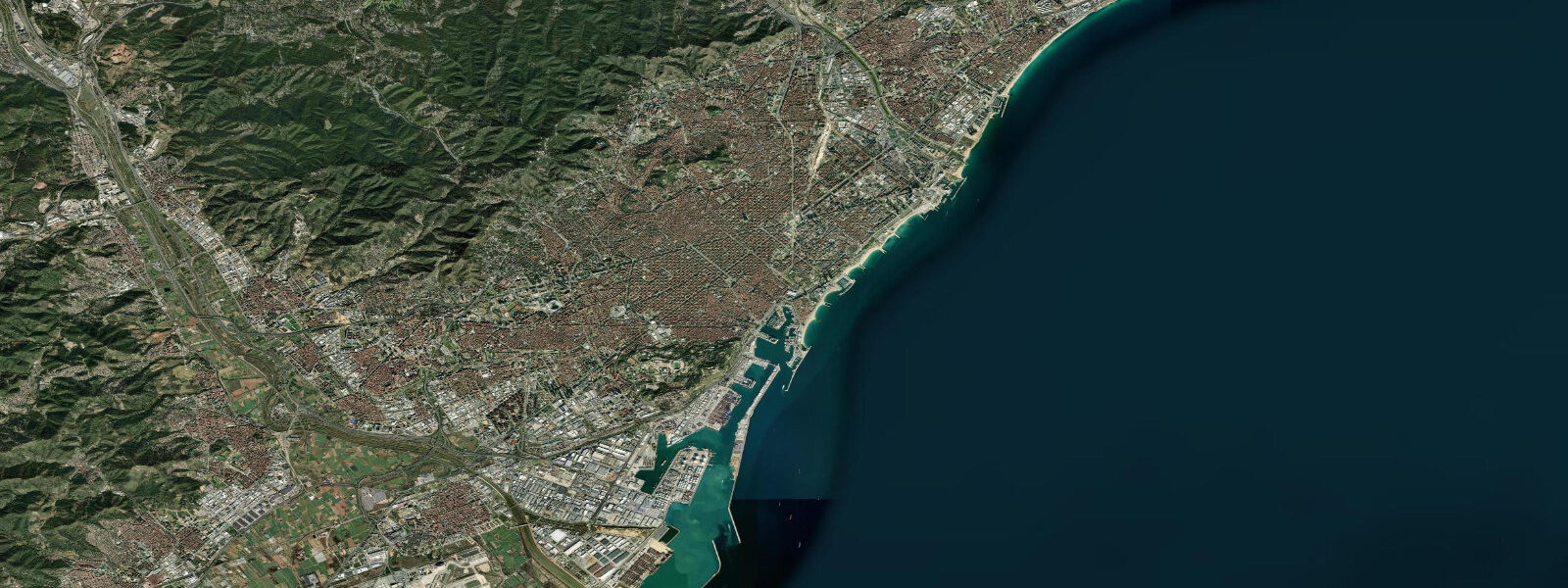
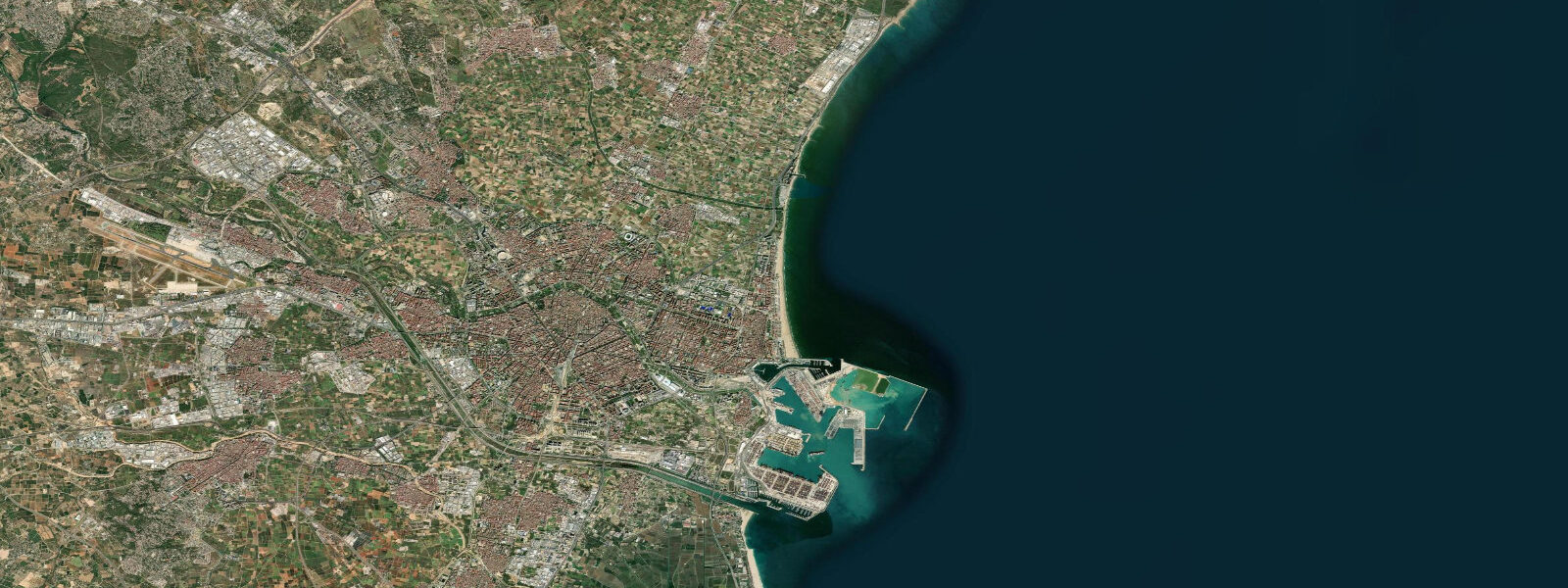
The three closest curated TideTurtle locations to Ebro Delta, measured by great-circle distance.
Today's solunar windows
Solunar tradition: major periods are the ≈3h windows around moon transit and opposition; minor are ≈2h around moonrise and moonset. Pair with the local tide stage and wind for the best read.
About tides at Ebro Delta
A short guide to the coastline at Ebro Delta — geography, sea state, and what the tide is actually doing under your feet.
The Ebro Delta is a flat triangle of land pushed 30 km into the Mediterranean by Spain's longest river, covering 320 km² of rice paddies, reed beds, lagoons, and sand bars at the mouth of the Ebro. It is the second-largest wetland in Spain, a Ramsar-listed site, and a Parc Natural hosting over 300 bird species — one of the most important waterbird stopover points in the western Mediterranean flyway. Flamingos wade the Encanyissada and Tancada lagoons year-round. Marsh harriers hunt the reed beds. Audouin's gull breeds on the outer sand bars, alongside terns and stilts.
The tidal range at the Ebro Delta is 0.20 m — the smallest on the Catalan coast and effectively negligible for any practical activity. Sea level here is dominated by wind setup: the delta's flat topography means that a sustained northwest wind (garbi or tramuntana) can drain the shallow bays and lagoon channels by 0.3 m, exposing broad mudflats and stranding small boats; a sustained onshore wind piles water back in. Rice farmers and fishers have historically tracked the wind direction far more carefully than any tide table.
The Punta de la Banya peninsula extends 20 km south from the main delta into the Mediterranean, enclosing the massive Alfacs Bay to the west. This bay is a nursery ground for oysters and mussels, farmed on rafts in the calm, shallow water. The outer side of Punta de la Banya faces the open Mediterranean and has a long beach, but public access is restricted in the breeding season (March–July) for the Audouin's gull colony.
Kitesurfing conditions at the Ebro Delta are driven entirely by wind: the tramuntana blowing down from the Pyrenees across the flat delta creates consistent 20–30 knot winds in autumn and winter at the open beach sections near Riumar and l'Eucaliptus. The kite launch zones are well defined and marked; the bays and channels are reserved for kayaks and flat-water paddling. Instructors operate out of Deltebre.
Flat-water kayaking through the delta channels is one of the best ways to see the birdlife closely. A standard route starts at Deltebre, heads down the main Ebro channel to the sea, then turns south through the inner lagoon channels before returning. The full circuit is 20–25 km and requires 4–5 hours. The channels are 1–3 m deep, current is gentle (0.3–0.8 m/s in the main river channel, negligible in the lagoon cuts), and there is no tidal influence on the timing.
The rice harvest in September and October is one of the visual highlights of the delta — vast golden fields, harvesters working in the early morning, and the contrast of pale rice and dark water channels. The influx of migrating raptors and waders during the autumn passage coincides with the harvest, making late September an ideal birdwatching window. Bring binoculars rated at least 8×42 for the lagoon species.
The sand bars at Riumar and the Punta del Fangar in the north shift seasonally. A bar that is 200 m wide in June may be 50 m wide in November after autumn storms. The shallow bays behind the bars — 0.5–1.5 m deep — warm quickly in spring and are the first Mediterranean water to reach swimming temperature (18°C) by late April, weeks ahead of the open coast.
Flatfish — turbot and plaice — use the shallow sandy bottom of the outer bays for feeding. Local shore anglers cast from the beach points at dawn and dusk on the rising wind, working lures through the 1–3 m surf zone. The delta coast is a special fisheries management area; check current seasonal restrictions with the Parc Natural office in Deltebre before fishing.
Tidal predictions here use the Open-Meteo Marine gridded model (±45 minutes on timing, ±0.3 m on height). Not for navigation.
Tide questions about Ebro Delta
Quick answers to the most common questions about tide times, range, and water access at Ebro Delta.
Is the Ebro Delta worth visiting in winter and what will I see?
Winter is one of the best times for birdwatching at the Ebro Delta. December through February brings large flocks of wintering ducks (pochards, teals, wigeons), wading birds on the mudflats, and hen harriers hunting the reed beds. The flamingo population in the Encanyissada lagoon peaks in winter. Cold, clear days with a tramuntana wind produce the best light and cleanest visibility. Access to most of the parc natural observation hides is free or low-cost, and crowd numbers are minimal compared to summer. Pack layers — the wind chill on the flat delta can be severe.
Can I see flamingos at the Ebro Delta and where is the best viewpoint?
Flamingos are present year-round in the Encanyissada lagoon. The viewpoint at the Casa de Fusta (the parc natural information centre on the lagoon edge) gives the closest reliable view — a 10-minute walk from the car park. Numbers vary from a few hundred to several thousand depending on season; winter and autumn typically have the highest counts. Bring binoculars — the flamingos often feed 200–400 m from the shore. Rubber boots are useful if you want to walk the bund tracks close to the water.
How do I plan a kayak day trip through the delta channels?
A standard full-day circuit: put in at Deltebre, paddle the main Ebro channel south to the sea mouth (8 km, 1.5 hours against the current on return), exit onto the coast, turn south past the Riumar beach, re-enter the delta via the southern channel, and paddle back through the lagoon cuts to Deltebre. The full loop is 20–25 km, allow 5–6 hours including stops. Current in the main channel runs 0.3–0.8 m/s; the lagoon cuts are still. No tidal timing needed. Rental and guided trips operate from Deltebre and l'Eucaliptus.
Is kitesurfing at the Ebro Delta suitable for beginners?
The Ebro Delta is better suited to intermediate and experienced kiters than absolute beginners. The tramuntana wind is powerful (20–35 knots) and gusty as it accelerates across the flat delta, which demands confident kite control. Shallow-water entry at l'Eucaliptus beach makes water relaunching straightforward, which is a beginner advantage. However, the stronger and less predictable gusts make it harder than a smooth sea-breeze site. Several schools in Deltebre run beginner courses in the sheltered bay at l'Eucaliptus during May–June when winds are more moderate. Not recommended for first-time kite lessons on a strong tramuntana day.
Do the sand bars at the Ebro Delta change seasonally and does it affect access?
Yes — the outer sand bars at Riumar and Punta del Fangar shift significantly between seasons. A bar that measures 200 m wide in June can narrow to 50 m by November after autumn storms move sediment longshore. The shallow bays behind the bars also change shape. For kayakers and anglers, this means routes that were passable in spring may be blocked or shallower than expected by autumn. The parc natural office in Deltebre publishes updated maps each season; checking in before a first visit is worthwhile. GPS charts are outdated within a year on this coastline.
8-day tide table — Ebro Delta
Heights relative to MSL. Predictions: Open-Meteo Marine (MeteoFrance SMOC, 0.08° grid) — heights relative to MSL (not chart datum / LAT). Model-derived.
| Day | Type | Time | Height |
|---|---|---|---|
| Tue 04 Aug | High | 02:00 | -0.4m |
| Low | 08:00 | -0.5m | |
| Wed 05 Aug | High | 14:00 | -0.4m |
| Low | 20:00 | -0.5m | |
| Thu 06 Aug | High | 01:00 | -0.4m |
| Fri 07 Aug | — | ||
| Sat 08 Aug | — | ||
| Sun 09 Aug | Low | 11:00 | -0.6m |
| Mon 10 Aug | High | 19:50 | -0.4m |
| Tue 11 Aug | Low | 01:00 | -0.5m |