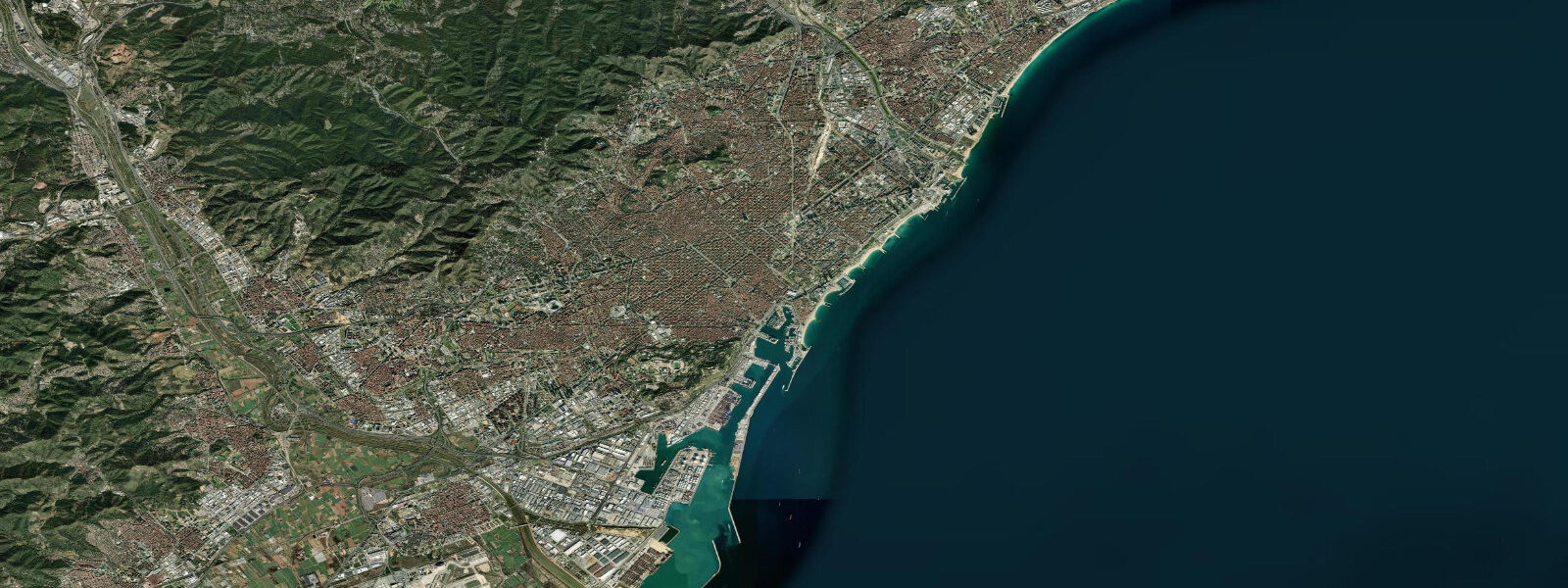
Barcelona tide times
Barcelona tide forecast — heights relative to MSL.
Today's tide times for Barcelona
Tide times at Barcelona on Tuesday, 4 August 2026: first high tide at 02:00. Sunrise 06:48, sunset 21:06.
Tide chart for Barcelona
24-hour cosine-interpolated curve around the present moment. Heights relative to MSL. Predictions: Predictions: Open-Meteo Marine (MeteoFrance SMOC, 0.08° grid).
Sun, moon and conditions on Tue 04 Aug
Snapshot at build time — refreshes daily. Sea state from Open-Meteo Marine.
Highs and lows next 7 days
Every predicted high and low for the next week, with the daily tidal coefficient (0–120; higher = bigger swing, > 95 means stronger currents).
Other spots nearby
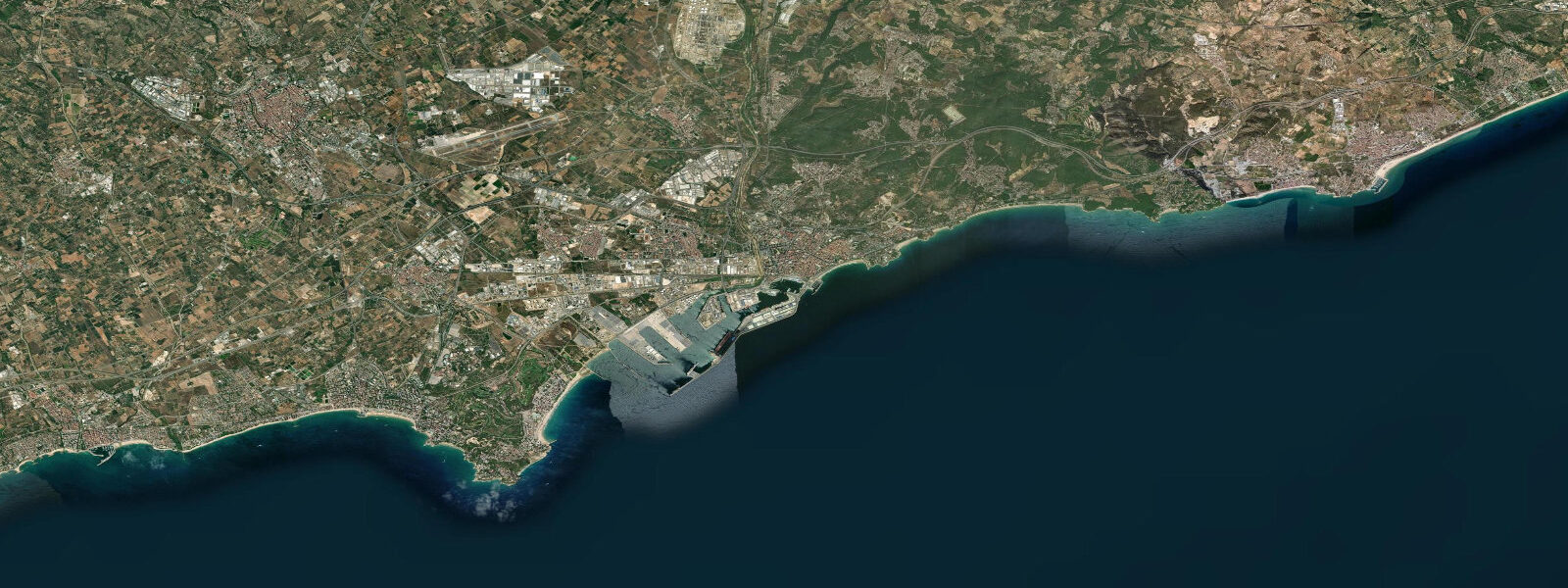
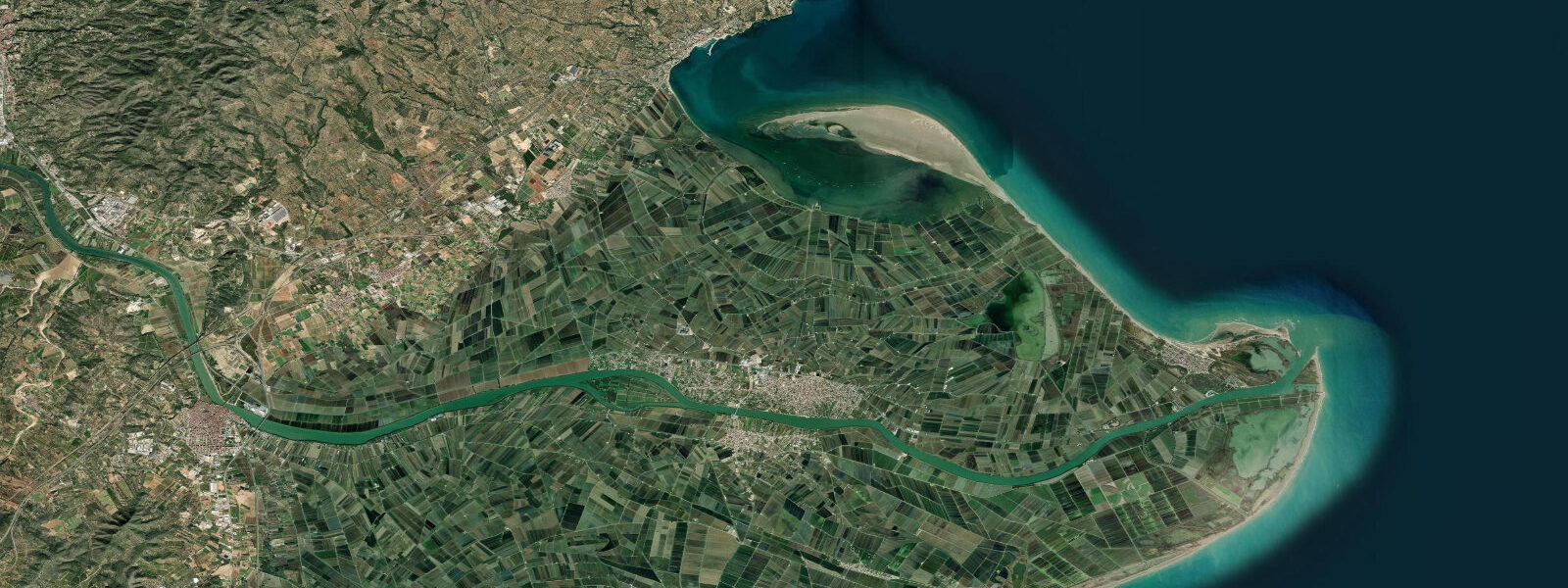
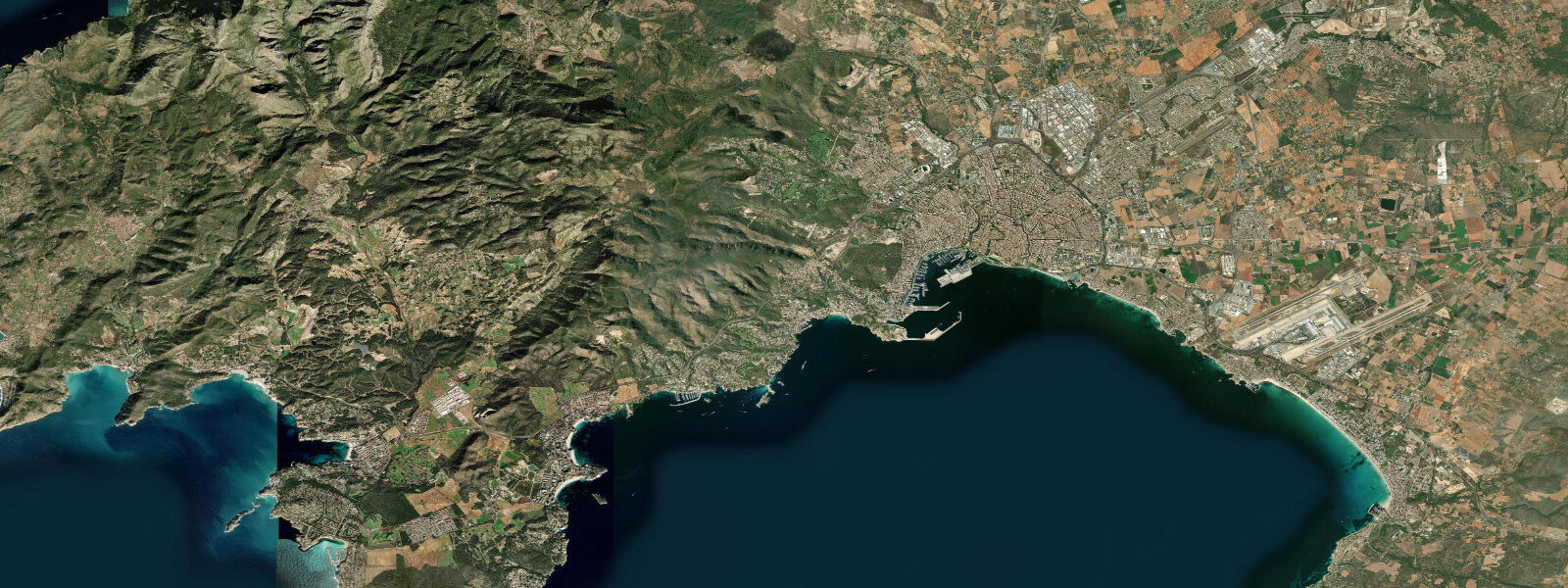
The three closest curated TideTurtle locations to Barcelona, measured by great-circle distance.
Today's solunar windows
Solunar tradition: major periods are the ≈3h windows around moon transit and opposition; minor are ≈2h around moonrise and moonset. Pair with the local tide stage and wind for the best read.
About tides at Barcelona
A short guide to the coastline at Barcelona — geography, sea state, and what the tide is actually doing under your feet.
Barcelona's coast stretches 4.5 km from the old port and Barceloneta beach north through the Olympic port to the quieter beaches of Bogatell, Mar Bella, and Llevant. The spring tidal range is 0.22 m — low enough that sea level is effectively a constant for practical purposes. What drives beach conditions here is swell and wind: the tramuntana from the north makes the open sea short and choppy; the garbí (southwest wind) pushes a gentle swell against the breakwater and warms the air; a levant blowing in from the east can generate surf breaking over the outer breakwater with waves up to 1.5 m on exposed stretches.
Barceloneta beach is 1.7 km of sand hemmed in by the old port breakwater to the south and the Port Olímpic marina to the north. The breakwater creates a sheltered corner where calm water persists in most wind conditions, making it a reliable spot for paddleboards and beginner swimmers even when the open bay is churned up. Water temperature peaks at 24–25°C in August and drops to 12–13°C in February; the Mediterranean warms slowly and cools slowly, so late September and early October still offer comfortable swimming.
Stand-up paddleboarding is the dominant water sport on this coast, with a dozen rental outlets between Barceloneta and Bogatell. The flat, windless mornings of June and September are ideal — on the water by 08:00 before the sea breeze builds, paddle north along the breakwater, and return before 11:00. The breakwater itself has fixed navigation lights and concrete blocks at its base; approach cautiously if the swell is running above 0.5 m. Port Olímpic marina entrance is open at all states of tide — the 0.22 m range does not require any tidal timing for entry.
Bogatell beach, 1.5 km north of Barceloneta, is consistently less crowded and has a better sea-bottom profile for swimming — the gradient is slightly steeper, which means swimmers reach deeper water sooner. Mar Bella, another 500 m north, has a nudist zone and a sailing school. Llevant and La Marbella at the northern end see fewer tourists and more local families.
The limestone cliffs at Garraf begin 20 km south of Barcelona, accessible by train on the Rodalies R2 line. This stretch is dramatically different from the urban coast — narrow coves between white cliffs, clean water, and minimal facilities. The combination of Garraf and Barcelona in a single day trip is a reasonable itinerary: Garraf in the morning for snorkelling and rock fishing, Barcelona for the afternoon.
Anglers work the breakwaters and harbour walls at both Port Olímpic and the old port. The outer faces of the breakwaters hold sargo (white sea bream), mulet (grey mullet), and occasional loup de mer. No licence is required for shore fishing in Catalonia. Cast net fishing and underwater fishing (spearfishing) require separate licences from the Generalitat de Catalunya fisheries department.
For photographers, the standard Barceloneta shot — looking north along the beach toward the Hotel Arts tower — is better at high water when the beach width is narrower and the water fills the foreground. Low water, such as it is at 0.22 m range, pushes the waterline back by perhaps 15 m on the gentle slope — minimal difference. Blue hour at 06:00–06:30 in July gives a warm sky behind the twin Olympic towers at the marina entrance.
Sea water quality is monitored daily in July and August; results are posted on the Barcelona beaches app. The city's storm overflow system occasionally discharges after heavy rain — if more than 30 mm falls in 24 hours, avoid swimming for 48 hours as a precaution.
Tidal predictions here use the Open-Meteo Marine gridded model (±45 minutes on timing, ±0.3 m on height). Not for navigation.
Tide questions about Barcelona
Quick answers to the most common questions about tide times, range, and water access at Barcelona.
Does the tide at Barcelona beaches change the beach width significantly during the day?
No. The spring tidal range at Barcelona is 0.22 m — one of the smallest on any major European coastline. On Barceloneta's gently sloping beach, this translates to roughly 10–15 m of sand exposure difference between high and low water. In practice, beach-goers setting up towels 20 m from the current waterline will not get wet between tides. Wind-driven wave action and swell are far more variable day-to-day than the tide ever is on this coast. The levant wind is the variable that closes beaches — the tide is not.
When is the best time to paddleboard in Barcelona and where should I go?
Mornings are best — on the water by 08:00 before the sea breeze builds. June and September offer the most reliable calm mornings. The sheltered stretch from Barceloneta beach north toward Port Olímpic is the standard route: flat water from the breakwater protection, light boat traffic, and easy launch points. Avoid paddling outside the breakwater in offshore winds or when swell exceeds 0.5 m. Rental is available at multiple points on Barceloneta and at Bogatell beach; boards are typically returned before 10:00 for the best conditions.
Which Barcelona beach is least crowded and best for local families?
Mar Bella and Llevant at the northern end of the beach strip are consistently less crowded than Barceloneta. Mar Bella has a nudist section, a sailing school, and a skateable promenade. Bogatell in the middle is a middle-ground option — less packed than Barceloneta but more accessible by metro than the northern beaches. Locals recommend arriving before 10:00 in July or August for any of these, as the sand fills quickly. Outside July–August, even Barceloneta is manageable on weekday mornings.
How does swell and wind affect swimming on the Barcelona coast?
The spring tidal range (0.22 m) is irrelevant to swimming safety — it is the wave height that matters. Levant winds blowing in from the east can generate 0.5–1.5 m waves on the open beach within hours, and red flags close beaches for swimming. The sheltered corner at the south end of Barceloneta near the old port breakwater stays calmer than the open beach in most conditions. Check the Barcelona beaches app or the lifeguard flag system before entering the water. Yellow flag means swim with caution; red flag means no swimming.
Is fishing allowed from the breakwaters and harbour walls in Barcelona?
Shore fishing from the breakwaters at Port Olímpic and the outer harbour walls is permitted and popular with locals. No licence is required for rod fishing from shore in Catalonia. Target species are sargo (white sea bream), grey mullet, and occasionally sea bass. The outer face of the breakwater holds the best fish but requires care when swell is running. Spearfishing requires a separate licence from the Generalitat de Catalunya. Cast net fishing is also licensed separately. Do not fish inside the marina basin — it is prohibited.
8-day tide table — Barcelona
Heights relative to MSL. Predictions: Open-Meteo Marine (MeteoFrance SMOC, 0.08° grid) — heights relative to MSL (not chart datum / LAT). Model-derived.
| Day | Type | Time | Height |
|---|---|---|---|
| Tue 04 Aug | High | 02:00 | -0.4m |
| Wed 05 Aug | — | ||
| Thu 06 Aug | — | ||
| Fri 07 Aug | Low | 23:00 | -0.5m |
| Sat 08 Aug | High | 03:00 | -0.5m |
| Sun 09 Aug | Low | 01:00 | -0.5m |
| Mon 10 Aug | High | 19:50 | -0.4m |
| Tue 11 Aug | Low | 01:00 | -0.5m |