Llanes tide times
Llanes tide forecast — heights relative to MSL.
Today's tide times for Llanes
Tide times at Llanes on Tuesday, 4 August 2026: first low tide at 02:00, first high tide at 08:17, second low tide at 14:19, second high tide at 20:33. Sunrise 07:10, sunset 21:38.
Tide chart for Llanes
24-hour cosine-interpolated curve around the present moment. Heights relative to MSL. Predictions: Predictions: Open-Meteo Marine (MeteoFrance SMOC, 0.08° grid).
Sun, moon and conditions on Tue 04 Aug
Snapshot at build time — refreshes daily. Sea state from Open-Meteo Marine.
Highs and lows next 7 days
Every predicted high and low for the next week, with the daily tidal coefficient (0–120; higher = bigger swing, > 95 means stronger currents).
Other spots nearby
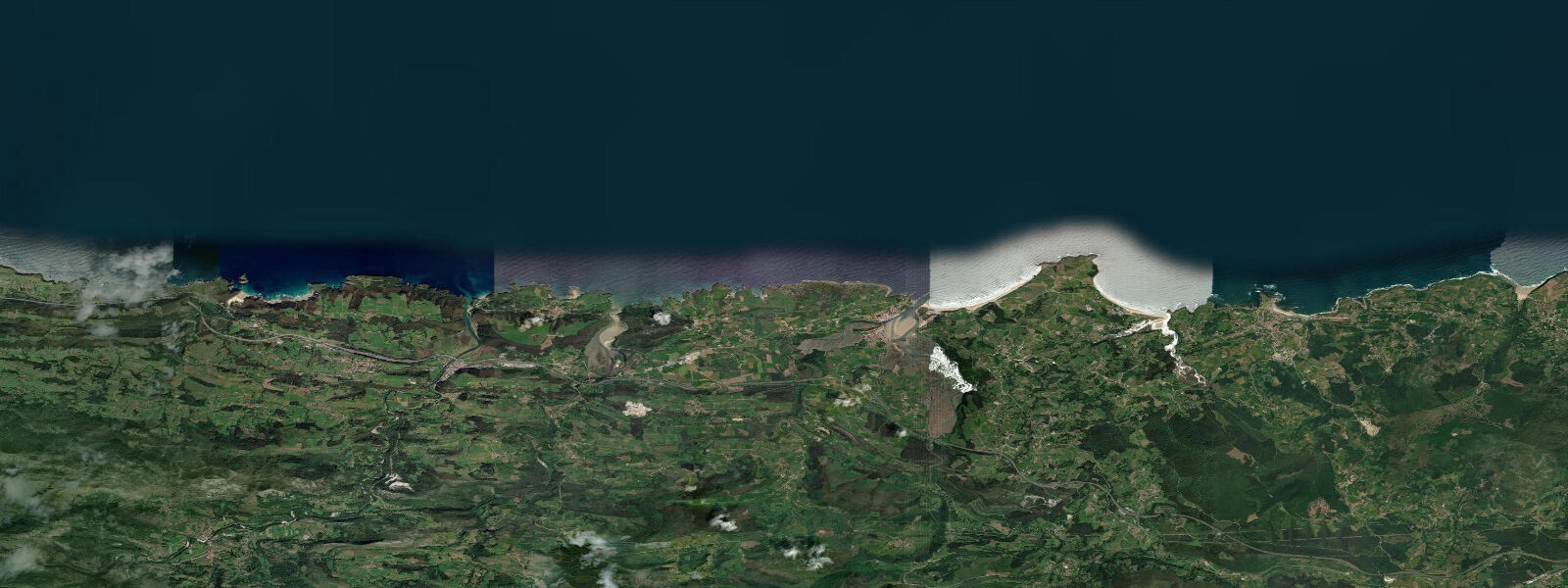
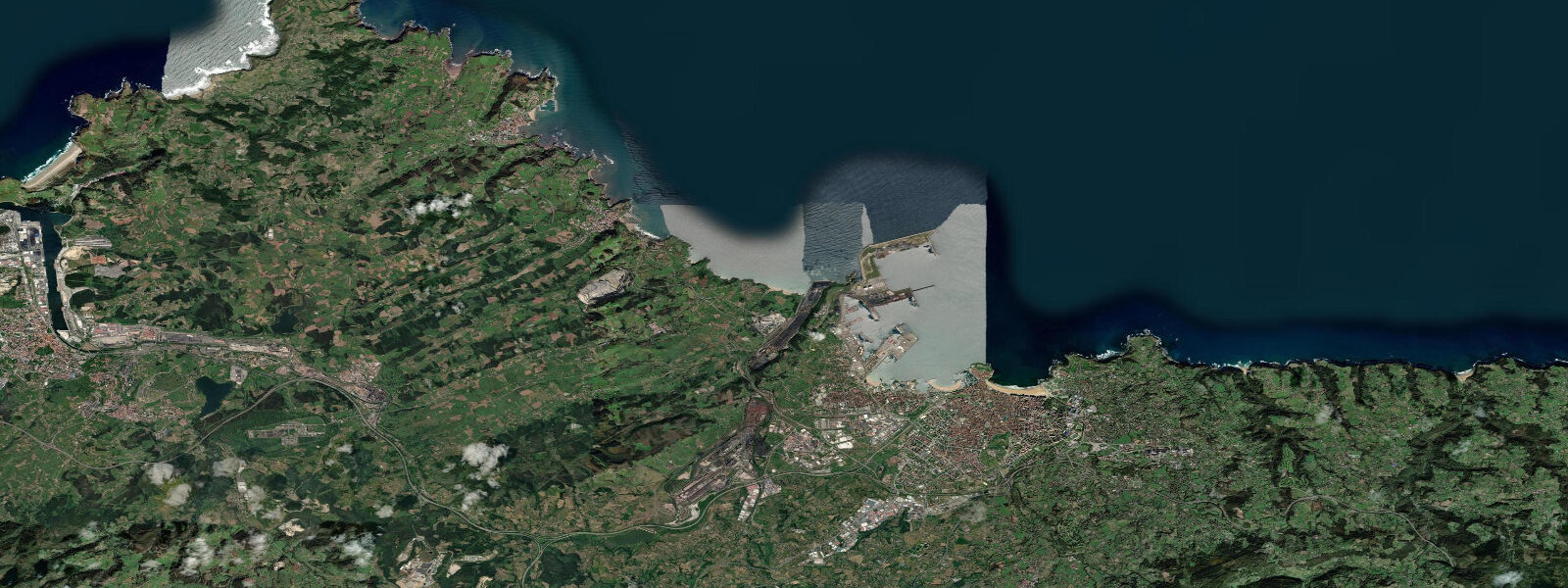
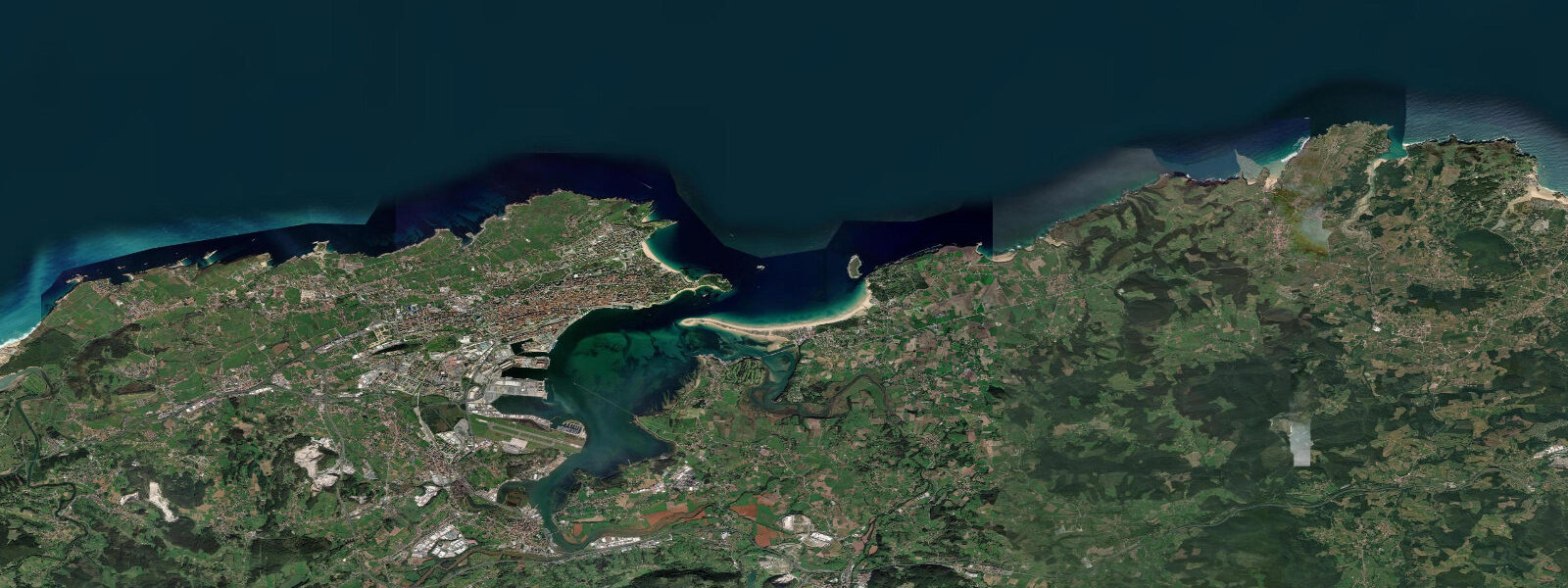
The three closest curated TideTurtle locations to Llanes, measured by great-circle distance.
Today's solunar windows
Solunar tradition: major periods are the ≈3h windows around moon transit and opposition; minor are ≈2h around moonrise and moonset. Pair with the local tide stage and wind for the best read.
Cycle dates near Llanes
Last spring tide on Tue 04 Aug (range 2.9m). Next spring tide on Mon 10 Aug (range 3.0m). Next neap on Fri 07 Aug.
Spring tides cluster around new and full moons (biggest swings). Neap tides land on quarter moons (smallest swings). See the spring tide and neap tide glossary entries for the why.
About tides at Llanes
A short guide to the coastline at Llanes — geography, sea state, and what the tide is actually doing under your feet.
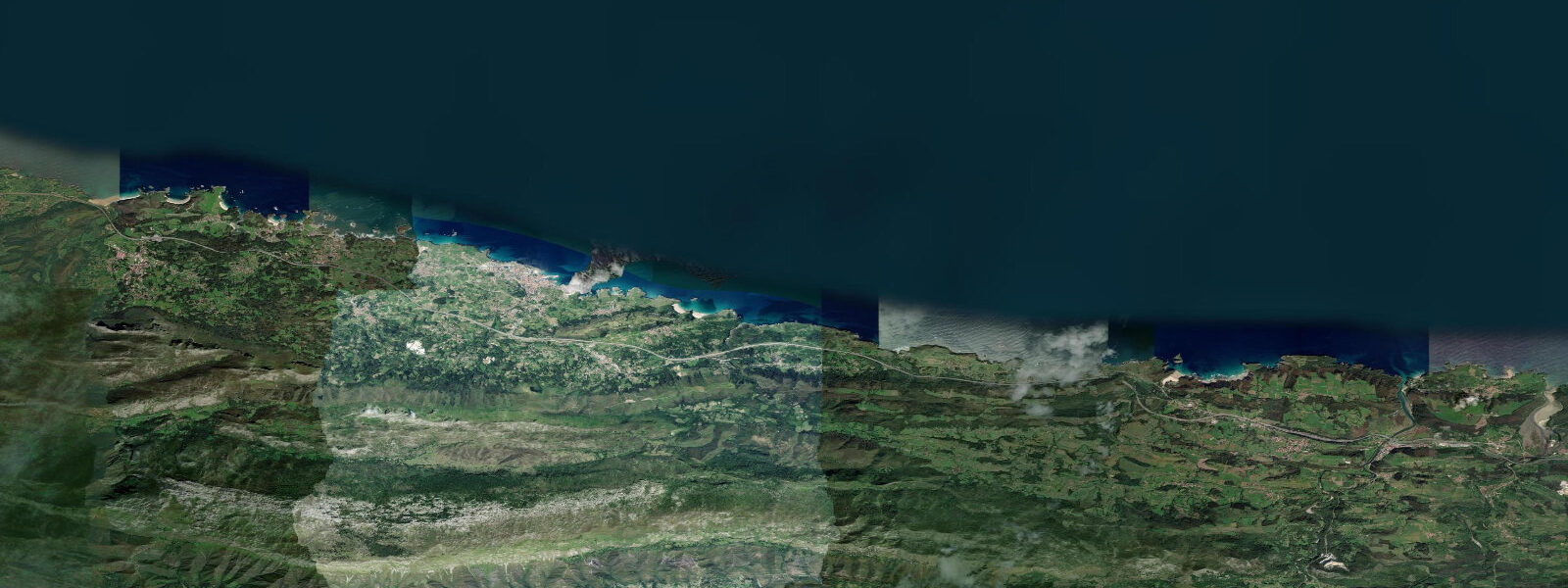
Llanes is on the eastern Asturian coast where the Cantabrian limestone meets the sea and creates the most intricate coastal topography in northern Spain. The headlands are karst — jointed, eroded, pitted — and the Atlantic has worked through the fissures to create sea caves, arches, natural blowholes (bufones), and a succession of small enclosed beaches separated by cliff promontories. Mean tidal range at Llanes is approximately 3.5 metres on springs; the coastal platform is wide at low water and almost entirely submerged at high.
The bufones de Pría, 12 kilometres east of Llanes, are the most dramatic of the Asturian blowholes. Water driven into sea caves under the limestone cliff is forced upward through vertical fissures and erupts at the cliff surface as a geyser of spray — the sound carries several hundred metres. The bufones are most active when a southwest swell reaches the coast and coincides with an incoming tide (roughly the last 2 hours before high water): the wave pressure inside the cave system is highest at this point, and the eruptions are tallest and most frequent. In calm summer conditions the bufones barely perform; in an autumn or winter swell combined with an incoming tide, the spray can reach 15 metres.
The beaches near Llanes are mostly pocket beaches between limestone headlands. Playa de Torimbia (6 km west of Llanes) is a naturist beach in a horseshoe cove with no road access — a 20-minute downhill walk from the road. It is consistently named among the best beaches in Asturias. Playa de Ballota and Playa de Barro to the east are similarly enclosed, with cliffs above and clear Atlantic water. All are dramatically affected by tide: at high water on springs, the sand is narrow and the sea presses against the cliff base; at low water, broad sand is exposed and the rocky platforms at the edge of the beach are accessible for shore fishing and rockpooling.
Llanes old town has a medieval harbour with a 14th-century stone wall (cerca medieval) encircling the historic centre. The inner harbour wall has a distinctive feature: the Cubos de la Memoria (Memory Cubes), painted by artist Agustín Ibarrola on the square concrete blocks of the breakwater. The paintings — bold geometric and figurative works in primary colours — are a permanent installation visible from the harbour and the beach.
The small fishing fleet at Llanes targets merluza (hake), besugo (red sea bream), and anchoa (anchovy) from the Cantabrian shelf. The lonja (fish auction) in the harbour runs weekday afternoons. Shore fishing from the limestone rock platforms at Playa de Barro and the headlands east of Llanes is productive for lubina (sea bass) at night, particularly around the last hours of the incoming tide when the bass move onto the platform to feed.
Tide predictions on this page come from Open-Meteo Marine, a gridded global ocean model. Accuracy is typically within plus or minus 45 minutes on timing and 0.2 to 0.3 metres on height — model-derived, not from a local gauge. For authoritative official predictions, Puertos del Estado (puertos.es) publishes gauge-based tide tables for the nearest gauged stations on the Asturian coast.
Tide questions about Llanes
Quick answers to the most common questions about tide times, range, and water access at Llanes.
What are the bufones de Pría and when are they most active?
The bufones de Pría are natural blowholes in the karst limestone coast 12 km east of Llanes. Sea caves eroded under the cliffs connect via vertical fissures to openings at the cliff surface; when waves drive water into the cave, air and water are forced upward through the fissures and erupt at the surface as jets of spray and sound. The bufones are most active on a rising tide — the last 2 hours before high water — combined with a southwest swell of 1.5 metres or more. Calm summer conditions produce little activity. Autumn and winter swells (October–February) combined with high tide produce the most dramatic eruptions, with spray reaching 10 to 15 metres.
Which beaches near Llanes are worth visiting at low tide?
Torimbia, Ballota, and Barro are the benchmark pocket beaches near Llanes, and all require low to mid tide for full enjoyment. At high water on springs, these enclosed coves have narrow sand and the sea presses against the cliff base — beautiful, but limited space. At low water, 30 to 60 metres of sand is exposed, the rocky platforms at the beach edges are accessible for rock-pooling, and the water is clear over the sand. Torimbia (6 km west, naturist, no road access) requires a 20-minute walk down. Barro and Ballota are east of Llanes on the coast road toward Ribadesella.
What are the Cubos de la Memoria in Llanes harbour?
The Cubos de la Memoria (Memory Cubes) are 162 painted concrete breakwater blocks forming the inner harbour wall at Llanes, painted between 1994 and 2001 by Basque artist Agustín Ibarrola. Each cube face carries a different geometric or figurative composition in primary colours — bold, graphic, and clearly visible from the harbour and the beach promenade. The installation is permanent and free to view from the harbourside walkway. It is the most photographed element of Llanes.
Is shore fishing productive near Llanes?
The limestone rock platforms east and west of Llanes are some of the better shore fishing marks on the Asturian coast. Lubina (sea bass) move onto the platforms at night and on the last 2 hours of the incoming tide, feeding on the baitfish pushed in by the swell. Sargo (white sea bream) and maragota (ballan wrasse) are common from the rocks in daylight. Playa de Barro and the headlands east toward San Antolín de Bedón have accessible platforms at low water. A Spanish coastal fishing licence is required. The local tackle shop in Llanes can advise on current marks and regulations.
Are the tide predictions on this page official forecasts I can use for navigation or safety planning?
No. The predictions here come from Open-Meteo Marine, a global ocean model with typical accuracy of plus or minus 45 minutes on timing and 0.2 to 0.3 metres on height. They are appropriate for planning beach visits, timing a bufones visit, or understanding when rock platforms will be accessible — not for vessel navigation, harbour approaches, or any safety-critical decision. For authoritative official tide predictions on the eastern Asturian coast, consult Puertos del Estado at puertos.es.
8-day tide table — Llanes
Heights relative to MSL. Predictions: Open-Meteo Marine (MeteoFrance SMOC, 0.08° grid) — heights relative to MSL (not chart datum / LAT). Model-derived.
| Day | Type | Time | Height |
|---|---|---|---|
| Tue 04 Aug | Low | 02:00 | -1.9m |
| High | 08:17 | 0.9m | |
| Low | 14:19 | -1.7m | |
| High | 20:33 | 1.0m | |
| Wed 05 Aug | Low | 02:48 | -1.8m |
| High | 09:02 | 0.8m | |
| Low | 15:06 | -1.6m | |
| High | 21:22 | 0.8m | |
| Thu 06 Aug | Low | 03:38 | -1.6m |
| High | 09:56 | 0.6m | |
| Low | 16:06 | -1.5m | |
| High | 22:25 | 0.6m | |
| Fri 07 Aug | Low | 04:43 | -1.4m |
| High | 11:07 | 0.5m | |
| Low | 17:24 | -1.4m | |
| High | 23:48 | 0.5m | |
| Sat 08 Aug | Low | 06:02 | -1.3m |
| High | 12:32 | 0.6m | |
| Low | 18:52 | -1.4m | |
| Sun 09 Aug | High | 01:19 | 0.5m |
| Low | 07:27 | -1.4m | |
| High | 13:54 | 0.8m | |
| Low | 20:12 | -1.6m | |
| Mon 10 Aug | High | 02:37 | 0.8m |
| Low | 08:39 | -1.6m | |
| High | 15:00 | 1.0m | |
| Low | 21:15 | -1.9m | |
| Tue 11 Aug | High | 01:00 | -0.1m |