Siheung, Gyeonggi tide times
Siheung, Gyeonggi tide forecast — heights relative to MSL.
Today's tide times for Siheung, Gyeonggi
Tide times at Siheung, Gyeonggi on Monday, 3 August 2026: first high tide at 09:00, first low tide at 13:46, second high tide at 19:25. Sunrise 05:38, sunset 19:40.
Tide chart for Siheung, Gyeonggi
24-hour cosine-interpolated curve around the present moment. Heights relative to MSL. Predictions: Predictions: Open-Meteo Marine (MeteoFrance SMOC, 0.08° grid).
Sun, moon and conditions on Mon 03 Aug
Snapshot at build time — refreshes daily. Sea state from Open-Meteo Marine.
Highs and lows next 7 days
Every predicted high and low for the next week, with the daily tidal coefficient (0–120; higher = bigger swing, > 95 means stronger currents).
Other spots nearby
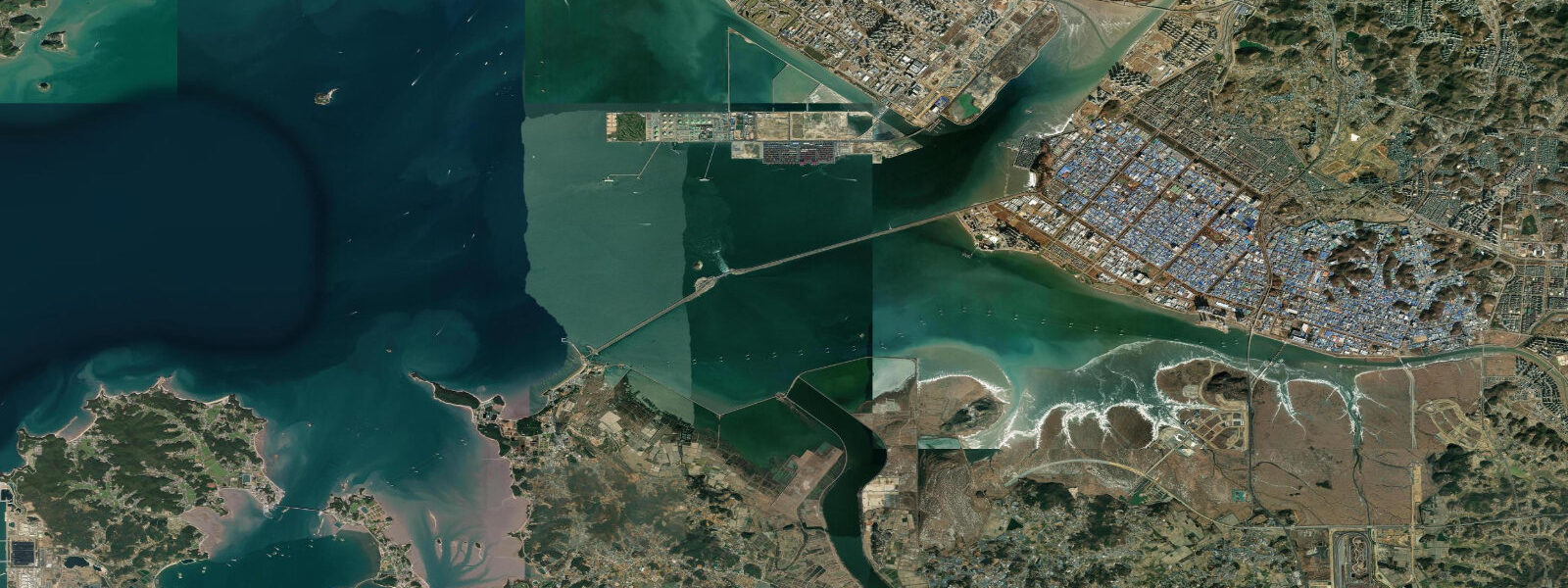
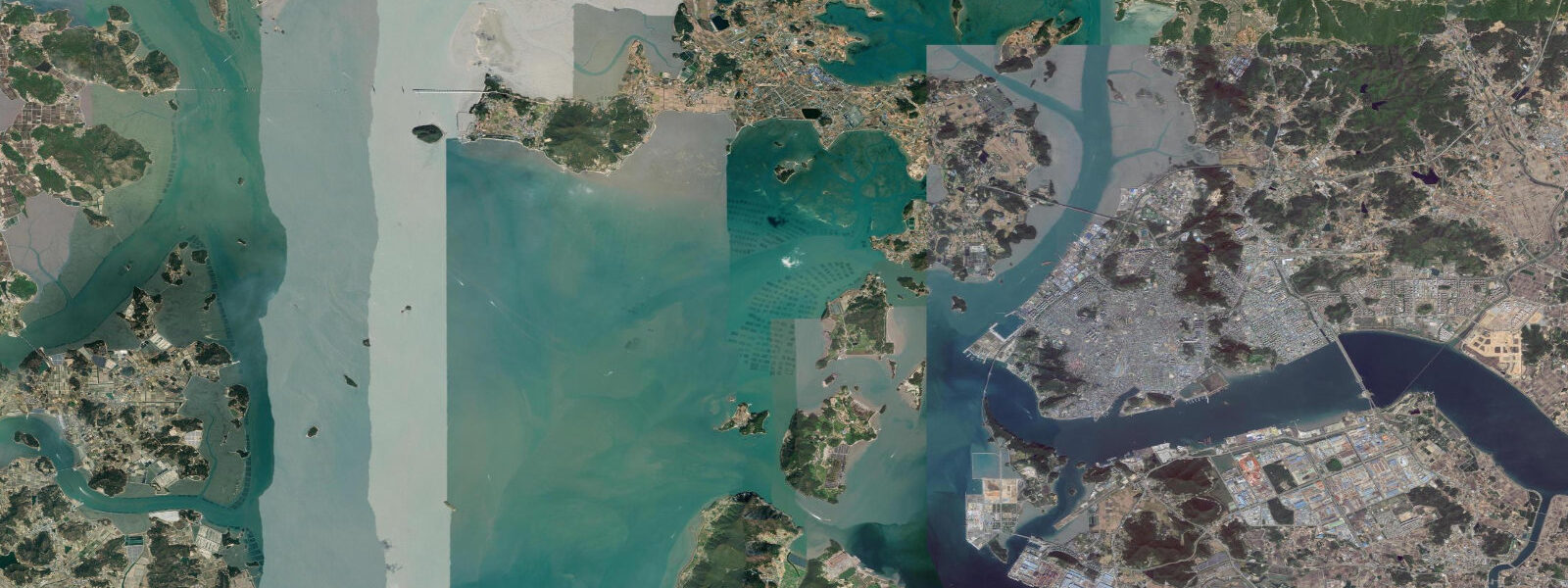
The three closest curated TideTurtle locations to Siheung, Gyeonggi, measured by great-circle distance.
Today's solunar windows
Solunar tradition: major periods are the ≈3h windows around moon transit and opposition; minor are ≈2h around moonrise and moonset. Pair with the local tide stage and wind for the best read.
Cycle dates near Siheung, Gyeonggi
Last spring tide on Mon 03 Aug (range 6.6m). Next spring tide on Sun 09 Aug (range 5.1m). Next neap on Thu 06 Aug.
Spring tides cluster around new and full moons (biggest swings). Neap tides land on quarter moons (smallest swings). See the spring tide and neap tide glossary entries for the why.
About tides at Siheung, Gyeonggi
A short guide to the coastline at Siheung, Gyeonggi — geography, sea state, and what the tide is actually doing under your feet.
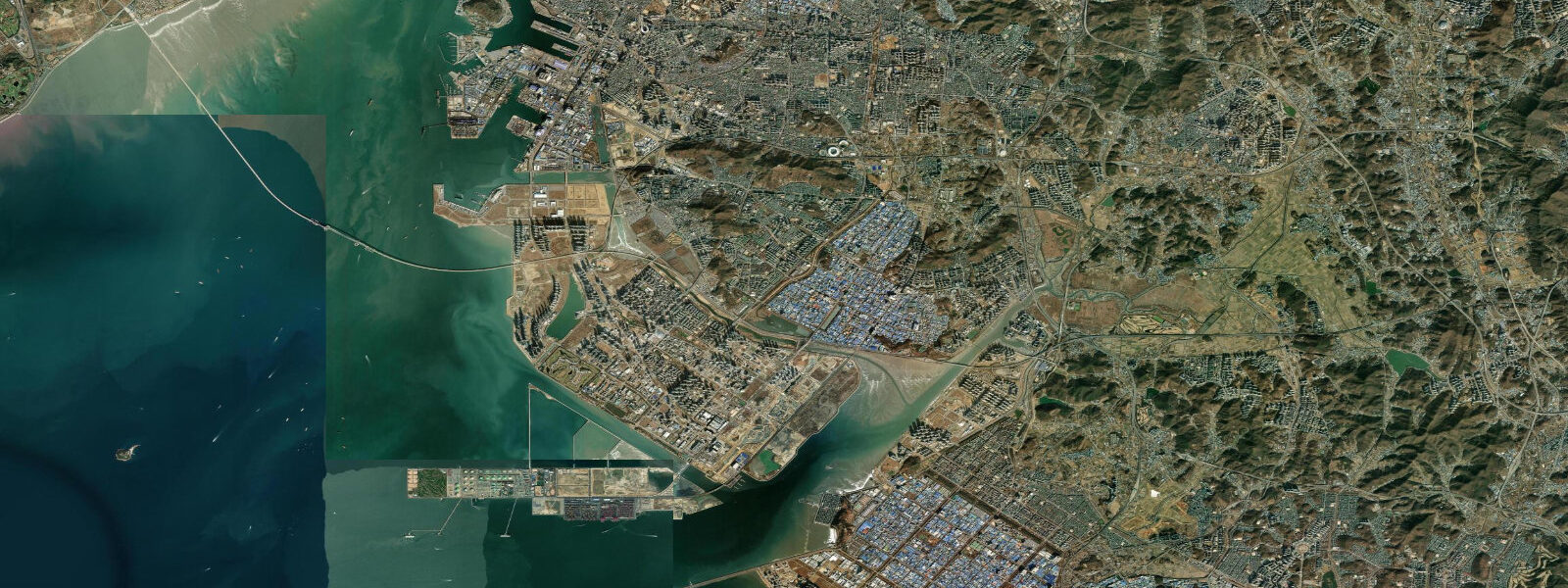
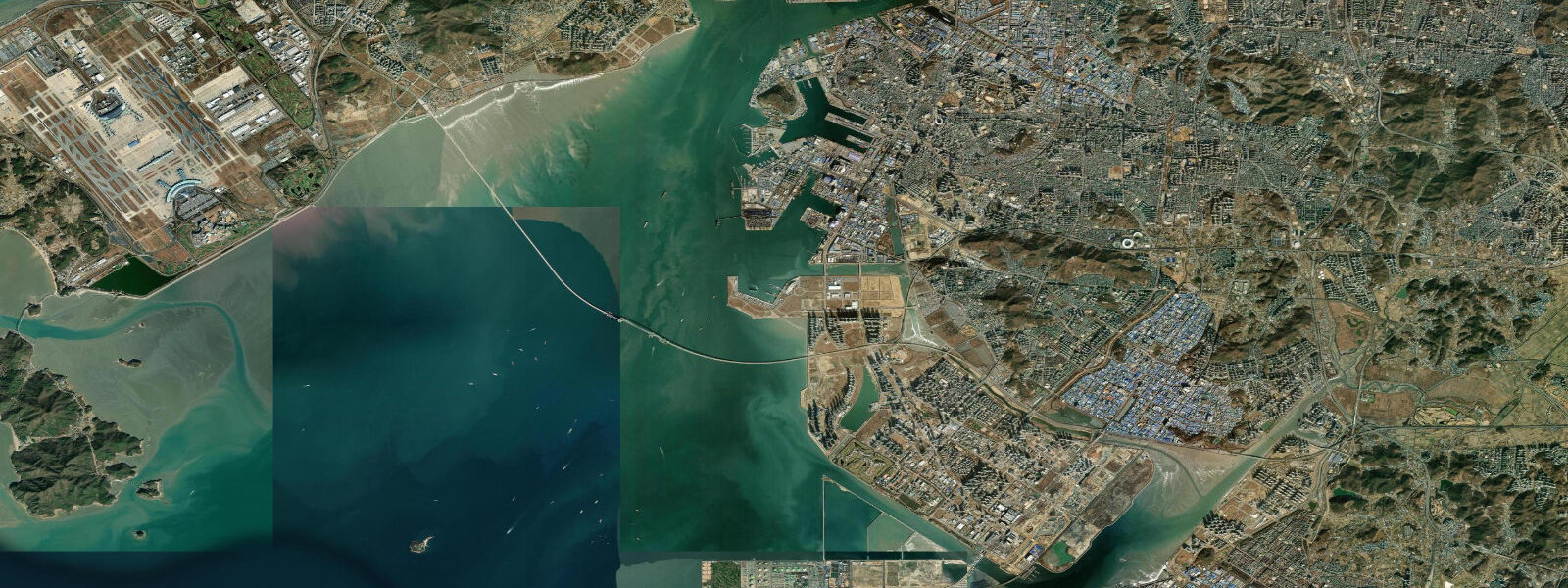
Siheung (시흥) sits on the eastern shore of Gyeonggi Bay, directly south of Incheon, where the Yellow Sea — Koreans call it the West Sea — delivers some of the largest tidal ranges in Asia. The bay acts as a funnel: the broad Yellow Sea shelf concentrates tidal energy as it narrows toward the coast, producing mean spring ranges of 6.0 to 8.0 m at Siheung. At a high spring tide, the water fills the bay to its brim. Six hours later, at low water, the sea retreats 5 to 8 km from the shoreline, exposing a vast grey-brown plain of tidal flat — the Gyeonggi Bay mudflats — that stretches to the horizon.
The scale of that exposure matters practically. At low water on a spring ebb, the tide drops roughly 7 m in six hours, averaging about 1.2 m per hour. The flats drain progressively: first the shallow channels empty, then the upper flat, then the mid-flat, and finally the lower flat, revealing firm sediment that has been building for centuries. Those mudflats are among the most productive coastal ecosystems in East Asia, supporting dense communities of bivalves, polychaete worms, and crustaceans. In spring and autumn, shorebirds gather in the tens of thousands — red-necked stints, dunlins, bar-tailed godwits — feeding on the invertebrates exposed at low water. The feeding windows are strictly tidal: birds arrive within minutes of the flat becoming accessible and depart as the tide returns.
Oido (오이도), a low basalt hill 3 km west of central Siheung, was once a proper tidal island, surrounded by sea at high water and connected to the mainland only by a narrow sandspit at the lowest tides. The reclamation that formed the Sihwa Industrial Complex in the 1980s and 1990s changed that permanently. A causeway now runs across what used to be open tidal flat, and Oido is effectively a peninsula. The original village settlement at the island's western tip — a cluster of low buildings dating from the era of tidal isolation — remains visible, and the walkway along the causeway gives a concrete sense of how much flat the sea once covered. At low spring tide, you can see the old channel beds on either side of the causeway, still draining water hours after high water.
The Sihwa Lake seawall, completed in 1994, was built to create a freshwater reservoir from a large coastal embayment north of Oido. The plan failed: the enclosed water became severely eutrophied within a few years, and the gates were opened to tidal flushing in 1997 to restore water quality. Today the seawall separates Sihwa Lake from the sea, but tidal exchange flows through large sluice gates. The gates produce strong tidal currents — up to 3 knots through the openings during ebb — that anglers target from the seawall structure. The timing depends on the gate operation schedule, which follows the tidal cycle, not a fixed clock.
That same tidal head difference — 5 to 8 m between sea level and Sihwa Lake at ebb — became the basis for the Sihwa Tidal Power Plant, opened in 2011. The plant uses 10 submerged bulb turbines to generate electricity as the sea ebbs through the barrage; incoming flow is managed separately. At 254 MW installed capacity, Sihwa is the world's largest tidal barrage power station by output. The plant generates approximately 550 GWh per year — enough to supply around 500,000 households — using no fuel and producing no direct emissions. The barrage structure is visible from the seawall road; the turbine hall sits below the waterline, so what you see above the surface is primarily the access road and the gate infrastructure.
For anglers, Siheung offers productive fishing from the seawall and from the tidal channels on the flat — flatfish (광어, flounder) and sea bass (농어) move onto the flat at high water and concentrate in channels as the tide falls. The productive window is the last two hours of the ebb and the first hour of flood, when fish are channelled into predictable locations. Kayakers and SUP paddlers use the calmer periods around high slack water to explore the margins of Sihwa Lake through the connecting channels, though the strong ebb currents near the sluice gates require respect. Photographers working the mudflats should plan around a morning ebb on a spring tide: the flat is fully exposed by 09:00 on those days, shorebird activity peaks in the first hours of low water, and the light from the east catches the wet sediment surface.
Tide data for Siheung, Gyeonggi comes from the Open-Meteo Marine API, a gridded model product. Timing accuracy is ±45 minutes, height accuracy ±0.3 m — usable for trip planning, not for navigation.
Tide questions about Siheung, Gyeonggi
Quick answers to the most common questions about tide times, range, and water access at Siheung, Gyeonggi.
What is the tidal range at Siheung, and when does the mudflat fully expose?
Spring tidal range at Siheung runs 6.0 to 8.0 m — among the largest in Asia, amplified by the Gyeonggi Bay funnel. On a typical spring ebb, low water exposes 5 to 8 km of tidal flat. The flat takes about four hours from high water to reach its maximum extent. A mean tide produces a smaller range, around 4 to 5 m, with correspondingly less flat exposed. The best full-flat exposures occur on the two to three days around new moon and full moon each month, when the spring tidal cycle peaks.
How does the Sihwa Tidal Power Plant actually work?
The plant operates on ebb generation only. As the sea level drops during ebb tide, water flows from the sea through 10 submerged bulb turbines into Sihwa Lake, generating electricity as it does. The plant does not run on flood tide — gates close to build up the head difference before the next ebb. At 254 MW capacity and roughly 550 GWh per year, Sihwa is the world's largest tidal barrage by output. The tidal head driving the turbines is 5 to 8 m depending on the tidal phase. Generating hours are tidal, not fixed — the plant runs roughly 14 hours per day on average.
Is the current near the Sihwa seawall gates safe for small boats?
The sluice gates on the Sihwa Lake seawall generate currents up to 3 knots during active ebb release — strong enough to push a kayak or SUP board off course quickly. Keep at least 200 m clear of the gate openings during ebb. High slack water is the safest window for paddling near the seawall structure: currents drop to near zero for 30 to 45 minutes before the ebb begins. Check the tide prediction to time your approach. The channels away from the gates on the open flat are generally manageable on neap tides; spring ebb on the flat itself runs 1 to 1.5 knots in defined channels.
What shorebirds visit the Gyeonggi Bay mudflats at Siheung, and when?
The Gyeonggi Bay mudflats are a critical staging point on the East Asian–Australasian Flyway. Peak passage occurs in late April to mid-May (northbound) and late July to September (southbound). Species commonly seen feeding on the flat at Siheung include red-necked stints, dunlins, bar-tailed godwits, and grey plovers. Numbers can reach tens of thousands on peak days. Birds feed during the low-water window — typically a four-hour period centred on low tide. At high water, flocks roost on elevated areas away from the inundated flat. Binoculars and a spotting scope are useful; the flat is too wide to see birds at the waterline without magnification.
What are the best fishing spots and target species around Siheung?
The Sihwa Lake seawall is the primary shore-fishing platform, with access along the road surface. Target species include flounder (광어) and sea bass (농어), which move onto the flat at high water and concentrate in channels as the ebb draws down. The productive window runs from two hours before low water to one hour after — fish stack in defined troughs as the flat drains. Soft-plastic lures on a jig head work well for sea bass in the channels. The seawall itself holds rock fish in the crevices of the concrete structure. Spring tides push the fish further onto the flat at high water, creating better concentrations at low water compared with neap tides.
8-day tide table — Siheung, Gyeonggi
Heights relative to MSL. Predictions: Open-Meteo Marine (MeteoFrance SMOC, 0.08° grid) — heights relative to MSL (not chart datum / LAT). Model-derived.
| Day | Type | Time | Height |
|---|---|---|---|
| Mon 03 Aug | High | 09:00 | 2.4m |
| Low | 13:46 | -2.9m | |
| High | 19:25 | 3.5m | |
| Tue 04 Aug | Low | 01:50 | -2.7m |
| High | 07:40 | 3.7m | |
| Low | 14:15 | -2.8m | |
| High | 20:04 | 3.5m | |
| Wed 05 Aug | Low | 02:28 | -2.5m |
| High | 08:17 | 3.5m | |
| Low | 14:47 | -2.7m | |
| High | 20:47 | 3.4m | |
| Thu 06 Aug | Low | 03:06 | -2.0m |
| High | 21:41 | 3.2m | |
| Fri 07 Aug | Low | 03:57 | -1.3m |
| High | 09:43 | 2.8m | |
| Low | 16:21 | -2.1m | |
| High | 22:53 | 2.9m | |
| Sat 08 Aug | Low | 05:22 | -0.7m |
| High | 10:45 | 2.2m | |
| Low | 17:45 | -2.0m | |
| Sun 09 Aug | High | 00:26 | 2.8m |
| Low | 07:00 | -0.8m | |
| High | 12:33 | 1.7m | |
| Low | 19:15 | -2.0m | |
| Mon 10 Aug | High | 01:51 | 3.0m |
| Low | 08:00 | -1.1m |