Marovo Lagoon tide times
Marovo Lagoon tide forecast — heights relative to MSL.
Today's tide times for Marovo Lagoon
Tide times at Marovo Lagoon on Tuesday, 4 August 2026: first low tide at 11:50am. Sunrise 06:41am, sunset 06:26pm.
Tide chart for Marovo Lagoon
24-hour cosine-interpolated curve around the present moment. Heights relative to MSL. Predictions: Predictions: Open-Meteo Marine (MeteoFrance SMOC, 0.08° grid).
Sun, moon and conditions on Tue 04 Aug
Snapshot at build time — refreshes daily. Sea state from Open-Meteo Marine.
Highs and lows next 7 days
Every predicted high and low for the next week, with the daily tidal coefficient (0–120; higher = bigger swing, > 95 means stronger currents).
Other spots nearby
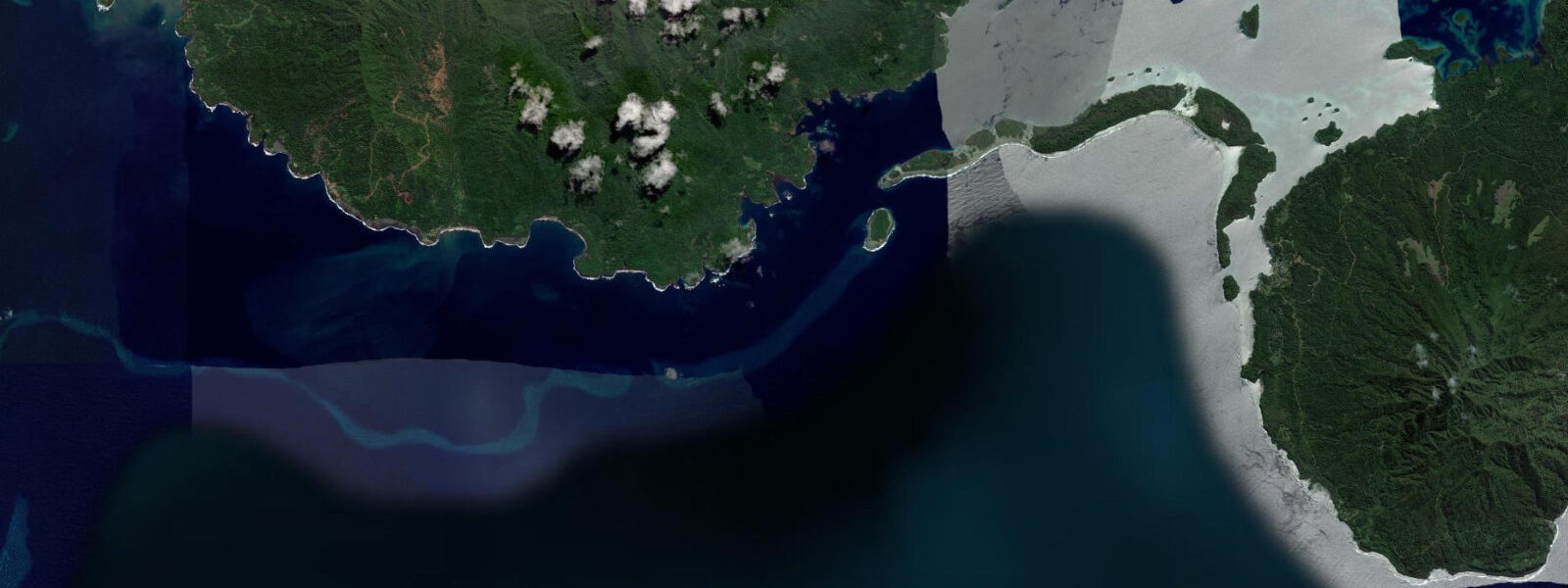
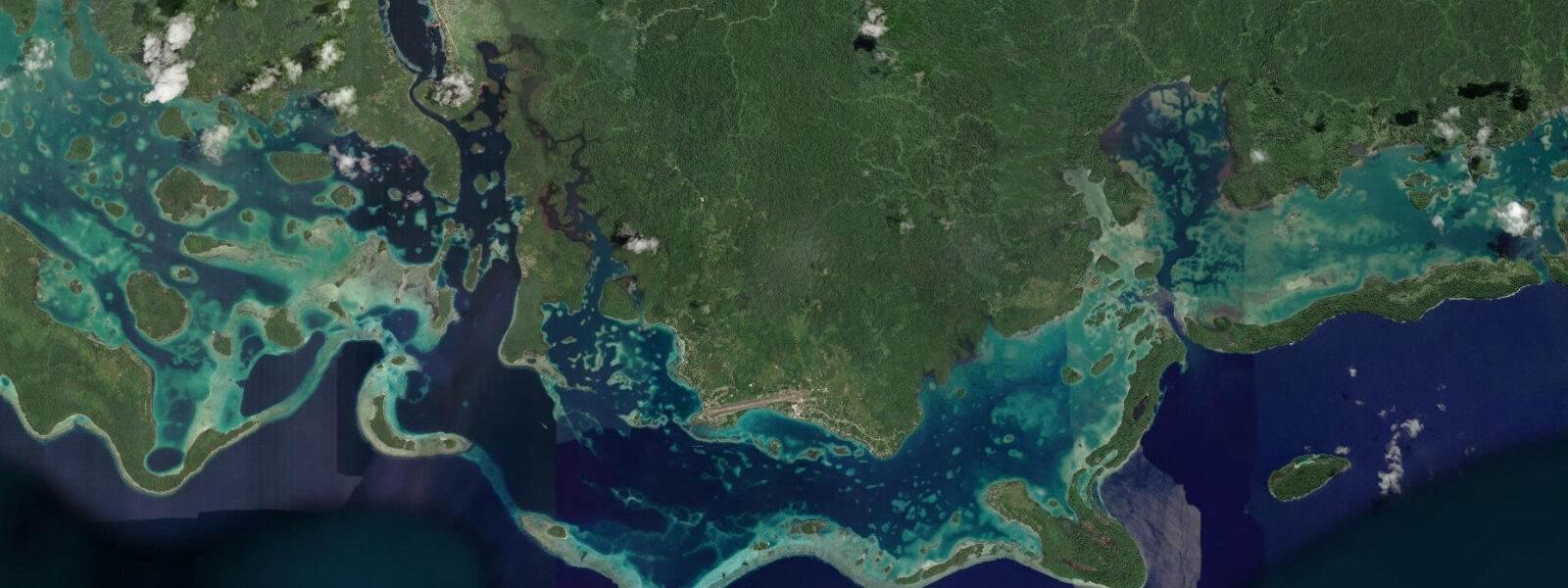
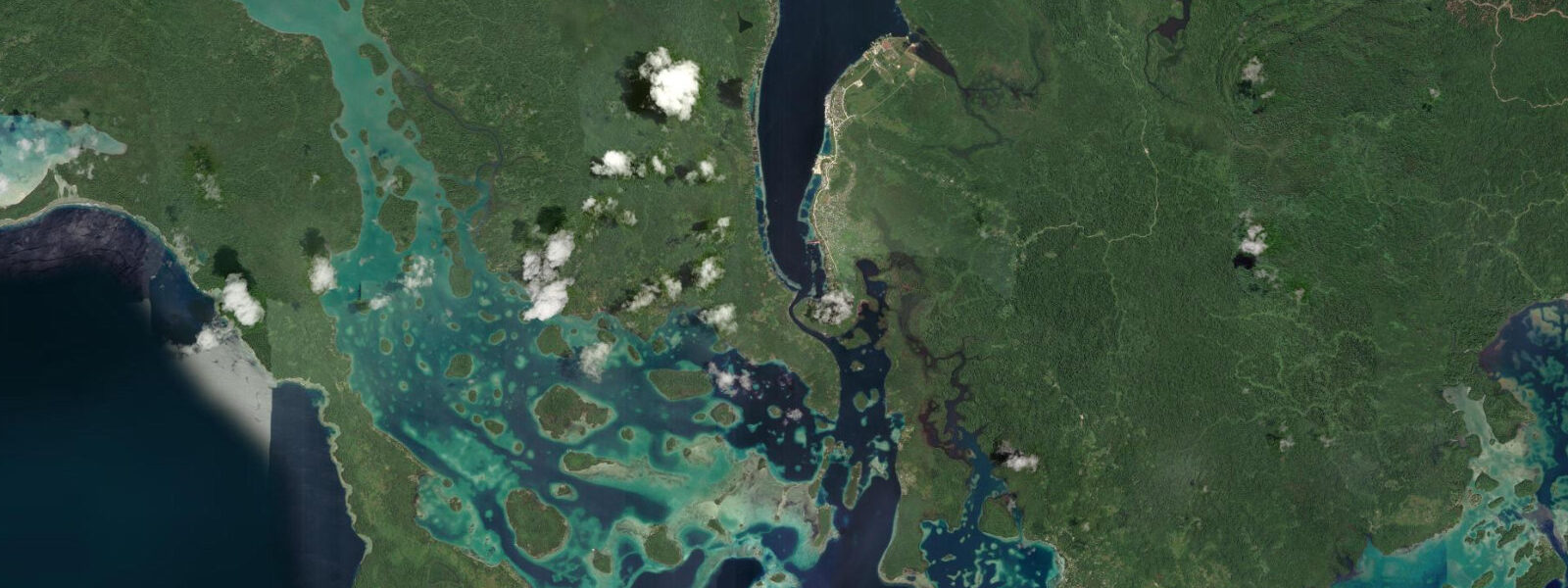
The three closest curated TideTurtle locations to Marovo Lagoon, measured by great-circle distance.
Today's solunar windows
Solunar tradition: major periods are the ≈3h windows around moon transit and opposition; minor are ≈2h around moonrise and moonset. Pair with the local tide stage and wind for the best read.
About tides at Marovo Lagoon
A short guide to the coastline at Marovo Lagoon — geography, sea state, and what the tide is actually doing under your feet.
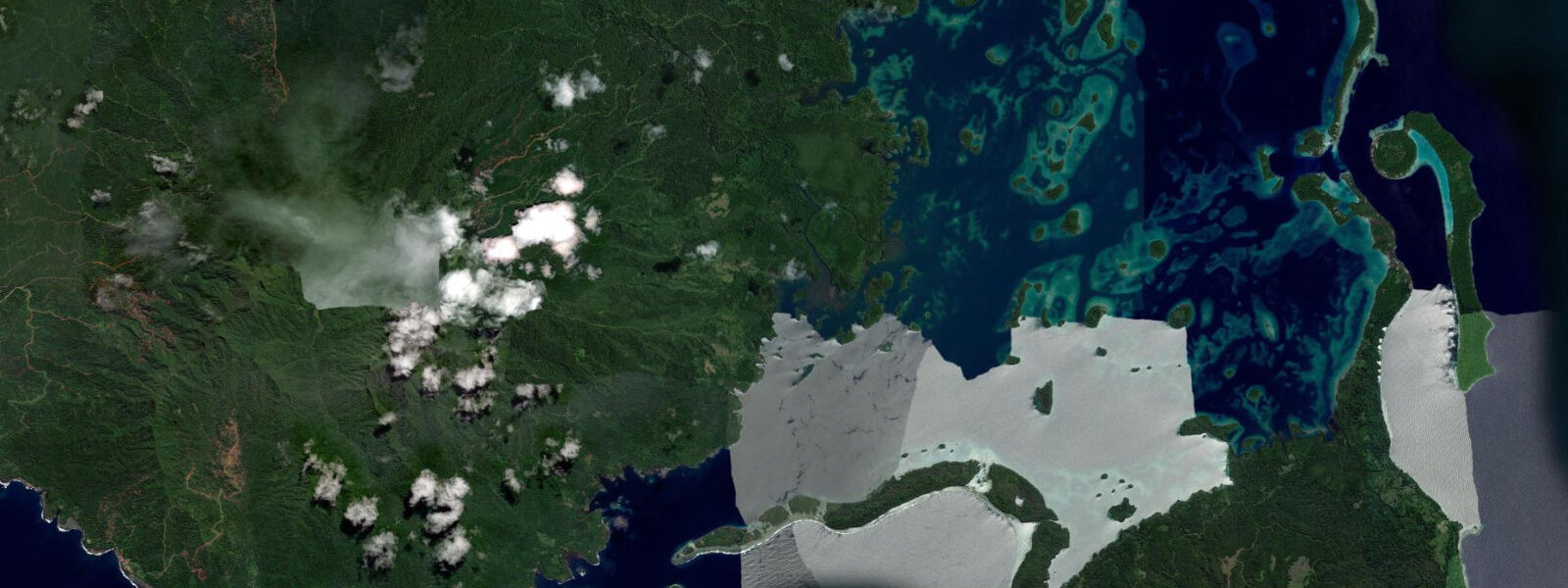
Marovo Lagoon is the largest saltwater lagoon in the world, enclosed by a double barrier reef system running approximately 100 kilometres along the coast of New Georgia in Western Province, Solomon Islands. The lagoon covers roughly 700 square kilometres of sheltered water, studded with inhabited islands and surrounded by reefs that separate it from the Solomon Sea to the north and the New Georgia Sound to the south. The two barrier reefs — inner and outer — create a nested system in which the lagoon sits protected behind two successive lines of reef, producing water conditions that are calmer than the open sea regardless of external weather.
The tidal regime in Marovo Lagoon is mixed semidiurnal, with a spring range of approximately 1.0 to 1.5 metres. The lagoon exchanges water with the open sea through passes in the double barrier. The tidal flow through these passes creates a clear water-quality gradient within the lagoon: on the incoming tide, clean blue Pacific water floods through the barrier passes and spreads across the inner lagoon surface; on the outgoing tide, the warmer, greener lagoon water drains back through the passes in visible plumes. The passages between the inner islands generate tidal streams of 0.5 to 1 knot at springs.
The communities living on the islands in Marovo Lagoon — principally Christian communities that converted in the late 19th century — maintain traditions of woodcarving in ebony (locally called black palm, Diospyros species) and inlay work using nautilus shell fragments set into the ebony surface. The style, characterised by intricate geometric and representational patterns, has been documented by ethnographers since the 1930s and has developed a significant international market. Carvers work in villages throughout the lagoon and can be visited by arrangement; purchasing directly from carvers is the appropriate practice.
The outer reef wall on the lagoon's Pacific-facing barrier is one of the most impressive dive environments in the Solomons. The wall drops from the surface to 40 to 60 metres on a near-vertical face, with exceptional soft coral density in sections where the tidal current is strongest. Grey reef shark and whitetip reef shark patrol the wall; barracuda school in the mid-water. The inner lagoon reefs, in 5 to 20 metres, have healthy hard coral gardens. The combination of barrier wall, inner reef, and passage dives within a single lagoon system gives dive itineraries at Marovo variety that few Pacific sites match.
Traditional canoe travel through the lagoon follows the tidal streams — paddlers learn to use the passage currents for assisted travel between islands, timing the start of a journey to the phase that provides a push rather than a headwind. Modern outboard-powered fibreglass boats have largely replaced paddle canoes for practical inter-island transport, but the tidal knowledge embedded in canoe navigation remains in the community memory and is evident in how local boatmen time their passages through the narrower channels.
Access to Marovo Lagoon is from Honiara by domestic flight to Seghe Airstrip or Munda Airport, followed by boat transfer. Uepi Island Resort (see separate entry) is the primary accommodation with dive infrastructure.
Predictions on this page come from Open-Meteo Marine, a gridded global ocean model. Accuracy is typically within plus or minus 45 minutes on timing and 0.2 to 0.3 metres on height — model-derived, not from a local gauge. The local tide authority is the Solomon Islands Meteorological Service.
Tide questions about Marovo Lagoon
Quick answers to the most common questions about tide times, range, and water access at Marovo Lagoon.
Why is Marovo Lagoon considered the world's largest saltwater lagoon?
Marovo Lagoon covers approximately 700 square kilometres of enclosed saltwater, bounded by a double barrier reef system running approximately 100 kilometres along the New Georgia coast. The double barrier — two successive parallel reefs with the lagoon between them — creates a saltwater body fully separated from the open sea and significantly larger than any other fully enclosed saltwater lagoon. The classification as 'largest' in the world is on the basis of surface area of enclosed saltwater, not depth. The lagoon averages 40 to 60 metres depth in its deeper channels and is shallower over the inner reef patches.
What is the Marovo woodcarving tradition?
Marovo Lagoon communities have produced carved ebony (Diospyros species, locally called black palm) inlaid with nautilus shell for over a century. The carving style features intricate geometric and representational patterns — marine animals (turtles, dolphins, frigate birds, sharks) are common subjects. The inlay is achieved by cutting recesses in the polished ebony and setting in fragments of nautilus shell (Nautilus pompilius) cut to shape. The tradition has been documented by ethnographers since the 1930s and continues in villages throughout the lagoon. Purchase directly from carvers in the villages to ensure the payment reaches the maker. Gizo and Honiara markets also carry Marovo carvings.
How do I get to Marovo Lagoon?
By Solomon Airlines domestic flight from Honiara to Seghe Airstrip (Western Province) — approximately 45 minutes — followed by boat transfer to lagoon accommodation. Munda Airport is an alternative entry with a longer boat transfer. Uepi Island Resort arranges all transfers from Seghe for guests. Independent travellers can also arrive by inter-island boat from Gizo. The lagoon has very limited accommodation beyond Uepi — community homestay is an option in some villages but requires advance arrangement through Solomon Islands community tourism networks.
What is the diving like in Marovo Lagoon?
The outer barrier reef wall on the Pacific-facing side drops vertically from the surface to 40 to 60 metres with dense soft coral in current-fed sections — grey reef shark, whitetip reef shark, and barracuda in mid-water. The inner lagoon reefs have healthy hard coral gardens in 5 to 20 metres. Passage dives through the barrier gaps carry 0.5 to 1 knot current at springs, producing aggregations of fish and active pelagic species at the passage mouth. The diversity of dive environments within a single lagoon system — wall, inner reef, passage — is considered one of Marovo's key assets for week-long dive itineraries.
What is the tidal range in Marovo Lagoon?
Spring tidal range in Marovo Lagoon is approximately 1.0 to 1.5 metres. The regime is mixed semidiurnal. Water exchange occurs through passes in the double barrier reef; on the incoming tide, clear Pacific water floods in and creates a visible quality gradient across the lagoon; on the outgoing tide, the warmer, greener lagoon water drains in plumes through the passes. Tidal streams in the passage dives reach 0.5 to 1 knot at springs. Predictions here come from Open-Meteo Marine (±45 minutes on timing, ±0.3 m on height). Not for navigation; consult the Solomon Islands Meteorological Service.
8-day tide table — Marovo Lagoon
Heights relative to MSL. Predictions: Open-Meteo Marine (MeteoFrance SMOC, 0.08° grid) — heights relative to MSL (not chart datum / LAT). Model-derived.
| Day | Type | Time | Height |
|---|---|---|---|
| Tue 04 Aug | Low | 11:50 | 0.2m |
| Wed 05 Aug | — | ||
| Thu 06 Aug | High | 20:00 | 0.8m |
| Fri 07 Aug | Low | 10:10 | 0.2m |
| High | 20:00 | 0.8m | |
| Sat 08 Aug | Low | 10:15 | 0.1m |
| High | 20:10 | 0.8m | |
| Sun 09 Aug | — | ||
| Mon 10 Aug | Low | 11:12 | 0.0m |
| High | 21:10 | 0.9m | |
| Tue 11 Aug | Low | 10:00 | 0.1m |