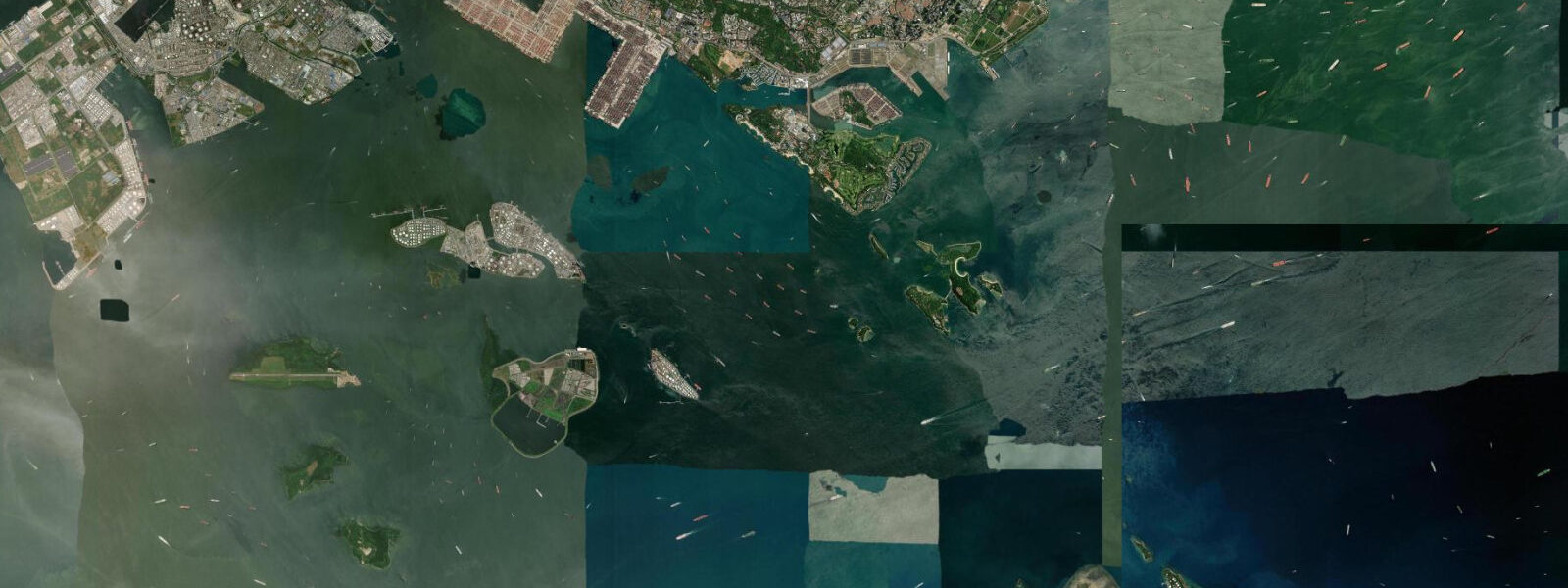
Labrador Beach, Singapore tide times
Labrador Beach, Singapore tide forecast — heights relative to MSL.
Today's tide times for Labrador Beach, Singapore
Tide times at Labrador Beach, Singapore on Tuesday, 4 August 2026: first low tide at 08:00, first high tide at 14:15. Sunrise 07:05, sunset 19:16.
Tide chart for Labrador Beach, Singapore
24-hour cosine-interpolated curve around the present moment. Heights relative to MSL. Predictions: Predictions: Open-Meteo Marine (MeteoFrance SMOC, 0.08° grid).
Sun, moon and conditions on Tue 04 Aug
Snapshot at build time — refreshes daily. Sea state from Open-Meteo Marine.
Highs and lows next 7 days
Every predicted high and low for the next week, with the daily tidal coefficient (0–120; higher = bigger swing, > 95 means stronger currents).
Other spots nearby
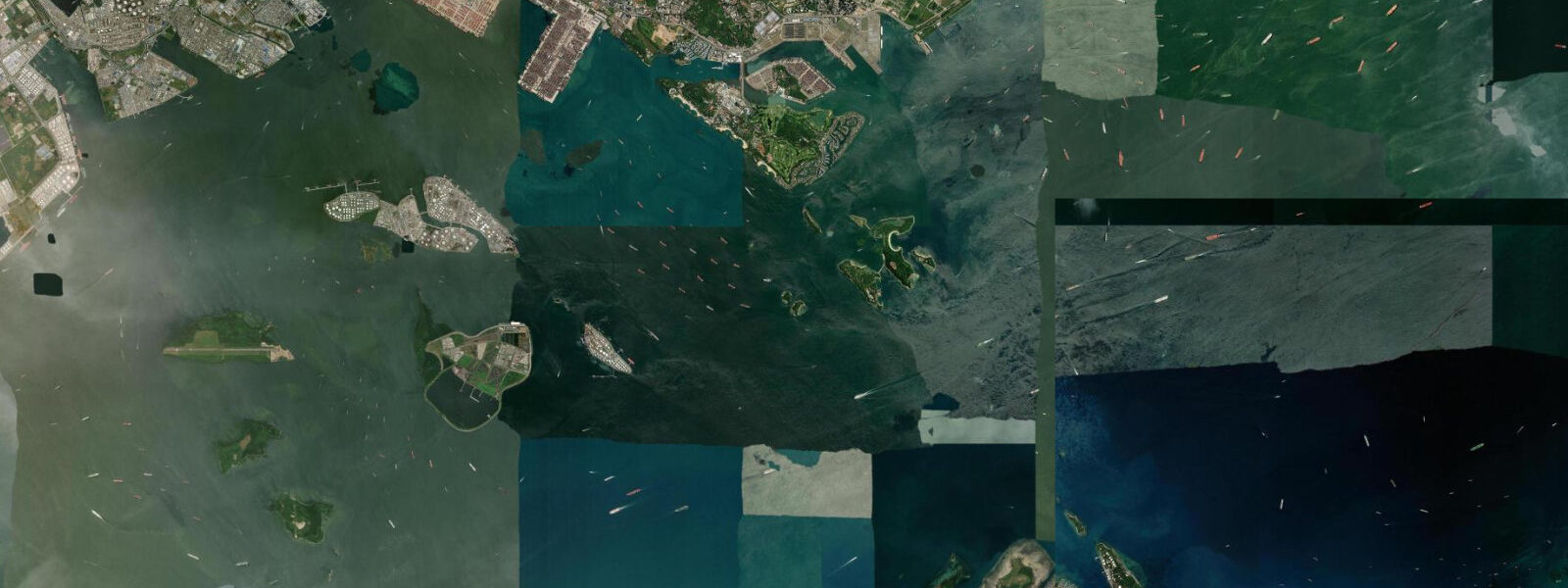
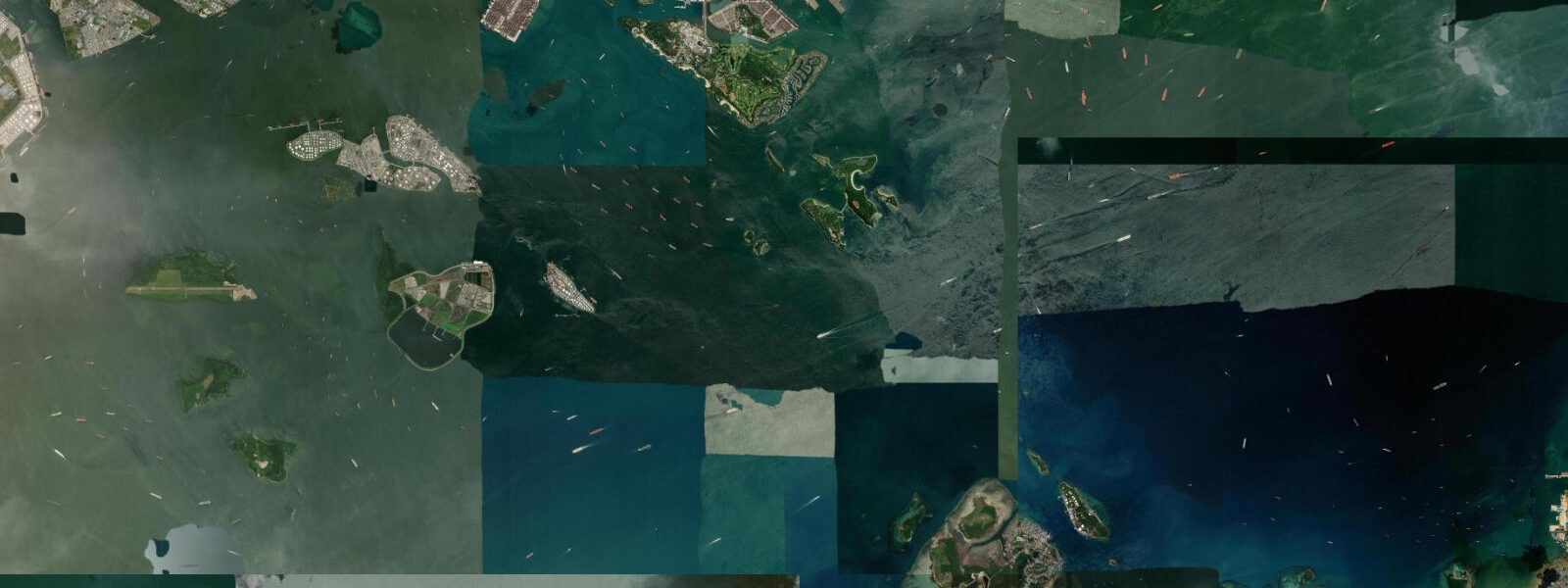
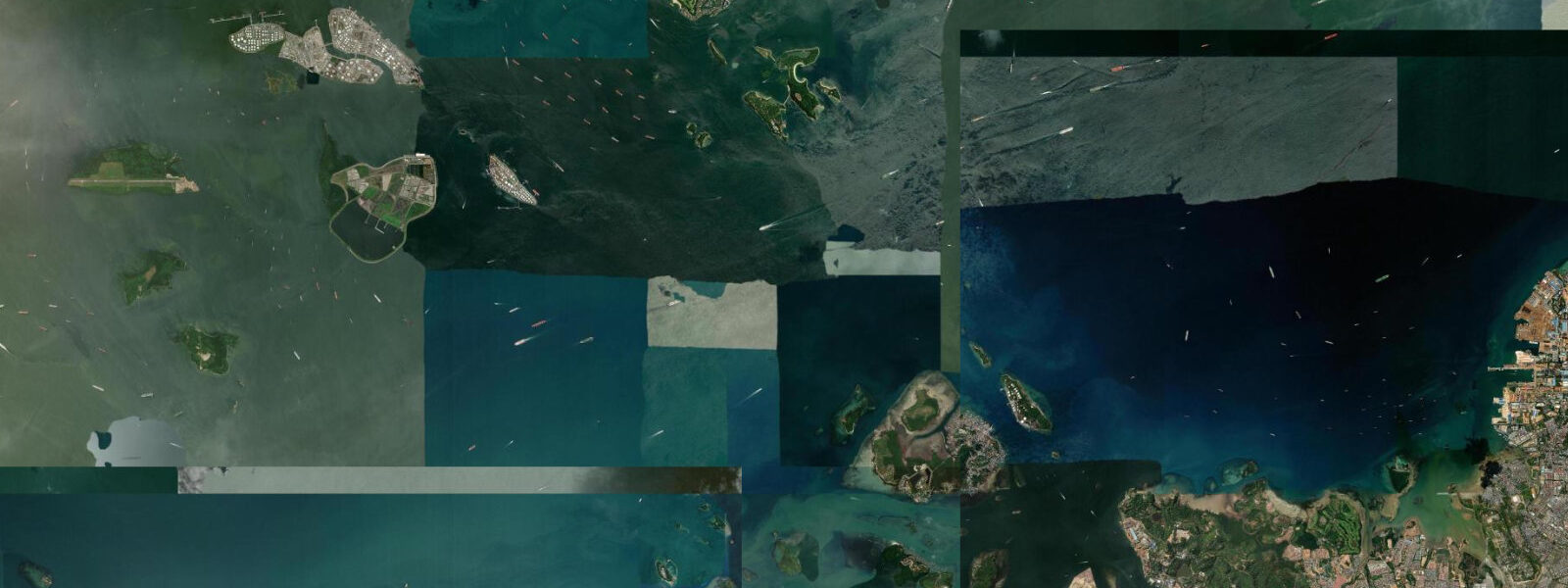
The three closest curated TideTurtle locations to Labrador Beach, Singapore, measured by great-circle distance.
Today's solunar windows
Solunar tradition: major periods are the ≈3h windows around moon transit and opposition; minor are ≈2h around moonrise and moonset. Pair with the local tide stage and wind for the best read.
Cycle dates near Labrador Beach, Singapore
Last spring tide on Tue 04 Aug (range 2.1m). Next spring tide on Mon 10 Aug (range 2.3m). Next neap on Sat 08 Aug.
Spring tides cluster around new and full moons (biggest swings). Neap tides land on quarter moons (smallest swings). See the spring tide and neap tide glossary entries for the why.
About tides at Labrador Beach, Singapore
A short guide to the coastline at Labrador Beach, Singapore — geography, sea state, and what the tide is actually doing under your feet.
Labrador Beach is the only rocky cliff face on Singapore's main island — a geological anomaly in a city where almost every shoreline has been reshaped by land reclamation or engineered into sandy beach. The cliff is sedimentary and volcanic rock, and it projects a real headland into the southern Singapore Strait, fringed by secondary rainforest on the slope above and a rocky intertidal bench at the water's edge. The beach itself is short and grey-brown, sheltered in a shallow bay between the cliff arms, and the surrounding landscape rather than the beach is the reason to come. Labrador Nature Reserve wraps the whole area; the cliff walk and the Southern Ridges trail connection run west for 9 km through Telok Blangah Hill Park, past the Henderson Waves bridge, to Mount Faber and HortPark.
The WWII layer is significant and well-interpreted. Fort Pasir Panjang was a secondary coastal defence position protecting the southern approaches to Singapore: its 6-inch naval guns were emplaced on the cliff above the beach to cover the Singapore Strait sea lanes. The gun emplacements are still partly intact in the jungle above the beach, and the NParks interpretation panels along the cliff trail explain the February 1942 fall of Singapore in the context of the southern defences. The Pasir Panjang Ridge engagement of 13–14 February 1942 — where the 1st Malay Brigade held the ridge above what is now Labrador — is part of this history; the reserve is one of the few places in Singapore where the WWII landscape is still legible on the ground.
The rocky intertidal bench at the cliff base is the natural history feature. At spring low tides the bench exposes for approximately 2 hours, revealing zone-marking barnacle bands, chitons gripping the rock surface, limpets and nerite whelks, small shore crabs in the crevices, and hermit crabs moving across the rock pool margins. Snorkellers beyond the bench find small reef fish — damselfishes, wrasse, occasional pufferfish — and soft coral patches among the boulders in 2 to 5 m of water. Visibility is 1 to 5 m depending on recent rainfall, tidal phase, and the current direction; the clearest water is typically on the first hour of the incoming tide following a spring low.
The Singapore Strait at Labrador flows west to east on the flood tide, carrying tidal current of 0.5 to 1.0 knots across the coastal shelf. Swimmers and snorkellers should confirm the current direction before entering and stay close to the rocky margin rather than crossing into the open channel. The tidal regime is semidiurnal, spring range 2.0 to 2.5 m — identical to the southern Singapore pattern at Sentosa and Pasir Panjang. At high water on a spring tide, the rocky bench disappears completely and the water reaches the cliff base. The Southern Ridges trailhead at Labrador is signposted from the car park and connects the reserve to the full 9 km ridge walk.
Container ships on the strait horizon are always in frame; the visual contrast of the small forested headland against the industrial shipping lane is part of what makes Labrador distinctive among Singapore beaches. Access to the reserve is free; parking at the Labrador Villa Road car park is limited and fills on weekends by mid-morning. Bus services from Pasir Panjang MRT are reliable. Predictions on this page come from Open-Meteo Marine (gridded model, ±45 min / ±0.2–0.3 m). The cliff walk connects directly to the Southern Ridges trail: from the reserve entrance, head uphill 200 m to join the path running through the black-and-white colonial bungalow neighbourhood of Labrador Road, then onto the ridge system toward Telok Blangah Hill. The Southern Ridges walk in the late afternoon — when the trade wind cools the ridge and the Singapore Strait light turns orange below the container ships — is one of the more satisfying urban walks in Southeast Asia. Bus service 408 from Harbourfront MRT station stops at the Labrador Villa Road car park entrance.
Tide questions about Labrador Beach, Singapore
Quick answers to the most common questions about tide times, range, and water access at Labrador Beach, Singapore.
When is the next high tide at Labrador Beach?
The hero block at the top shows the next high tide in Singapore Standard Time (SST, UTC+8). Labrador faces the southern Singapore Strait; the regime is semidiurnal with a spring range of 2.0 to 2.5 m. At the spring high, water reaches the cliff base and covers the rocky bench entirely. At the spring low, the bench is exposed for around 2 hours — the best window for intertidal exploration and snorkelling entry. Neap tides leave the bench mostly submerged. Predictions from Open-Meteo Marine (gridded model, ±45 min / ±0.2–0.3 m).
What is the tidal range at Labrador?
Spring range in the southern Singapore Strait runs 2.0 to 2.5 m; neap range during quarter moons drops to about 1.2 to 1.5 m. The rocky bench at the cliff base is only fully exposed on spring lows — there is essentially no exposed intertidal platform on neap tides. The two-cycle daily pattern provides two chances for intertidal access per day, but the spring low is when the bench area is largest and the rock pools most fully exposed. Plan visits for the 3 to 4 days around new and full moon.
Where do these predictions come from?
Open-Meteo Marine, a free gridded global ocean model, accuracy ±45 min / ±0.2–0.3 m. This is adequate for planning intertidal visits and snorkel entries at Labrador, where the 2.0 to 2.5 m spring range makes the prediction uncertainty a small fraction of the total signal. The Maritime and Port Authority of Singapore (MPA) publishes gauge-calibrated harmonic predictions for navigation-grade planning; the MPA reference station at Tanjung Pagar is the closest to Labrador. The MPA publishes Singapore tidal data through its port information services; the Tanjung Pagar gauge covers the southern Singapore Strait and is the nearest gauge to Labrador.
Is the rocky shore safe for snorkelling?
The rocky bench and boulders beyond Labrador's shore are accessible to competent swimmers in calm conditions at low to mid tide on the Singapore Strait. Before entering, check two things: current direction (flood vs. ebb — enter on the early flood so you are not working against a strengthening ebb to return) and sea state (light trade-wind chop is fine; anything over 0.5 m swell from the Strait makes the entry uncomfortable). Visibility is 1 to 5 m. No lifeguard or managed facilities are in place. Stay inside the rocky margin rather than swimming into the open channel.
Is this safe to use for navigation?
No. TideTurtle is a planning tool, not a nautical resource. The Singapore Strait is one of the world's busiest shipping lanes with approximately 1,000 transits per day. For any vessel operation in Singapore waters, use MPA-authoritative chart products, follow the Traffic Separation Scheme, and comply with Port of Singapore requirements. Open-Meteo Marine is not gauge-calibrated and does not substitute for authoritative navigation sources. The Singapore Strait operates under the IMO's mandatory Traffic Separation Scheme; any recreational vessel entering the scheme lanes must comply with Rule 10 of the Collision Regulations and the MPA vessel traffic service instructions.
8-day tide table — Labrador Beach, Singapore
Heights relative to MSL. Predictions: Open-Meteo Marine (MeteoFrance SMOC, 0.08° grid) — heights relative to MSL (not chart datum / LAT). Model-derived.
| Day | Type | Time | Height |
|---|---|---|---|
| Tue 04 Aug | Low | 08:00 | -0.5m |
| High | 14:15 | 1.6m | |
| Wed 05 Aug | Low | 08:56 | -0.3m |
| High | 14:56 | 1.7m | |
| Thu 06 Aug | Low | 09:32 | -0.2m |
| High | 15:44 | 1.6m | |
| Low | 22:24 | -0.2m | |
| Fri 07 Aug | High | 04:14 | 1.1m |
| Low | 10:11 | 0.0m | |
| High | 16:37 | 1.5m | |
| Low | 23:34 | -0.2m | |
| Sat 08 Aug | High | 05:39 | 0.8m |
| Low | 11:00 | 0.3m | |
| High | 17:47 | 1.5m | |
| Sun 09 Aug | Low | 01:24 | -0.2m |
| High | 19:18 | 1.5m | |
| Mon 10 Aug | Low | 03:40 | -0.3m |
| High | 20:43 | 1.7m | |
| Tue 11 Aug | Low | 04:43 | -0.6m |
| High | 07:00 | 0.1m |