East Coast Park, Singapore tide times
East Coast Park, Singapore tide forecast — heights relative to MSL.
Today's tide times for East Coast Park, Singapore
Tide times at East Coast Park, Singapore on Tuesday, 4 August 2026: first low tide at 08:00, first high tide at 14:20, second low tide at 20:37. Sunrise 07:05, sunset 19:15.
Tide chart for East Coast Park, Singapore
24-hour cosine-interpolated curve around the present moment. Heights relative to MSL. Predictions: Predictions: Open-Meteo Marine (MeteoFrance SMOC, 0.08° grid).
Sun, moon and conditions on Tue 04 Aug
Snapshot at build time — refreshes daily. Sea state from Open-Meteo Marine.
Highs and lows next 7 days
Every predicted high and low for the next week, with the daily tidal coefficient (0–120; higher = bigger swing, > 95 means stronger currents).
Other spots nearby
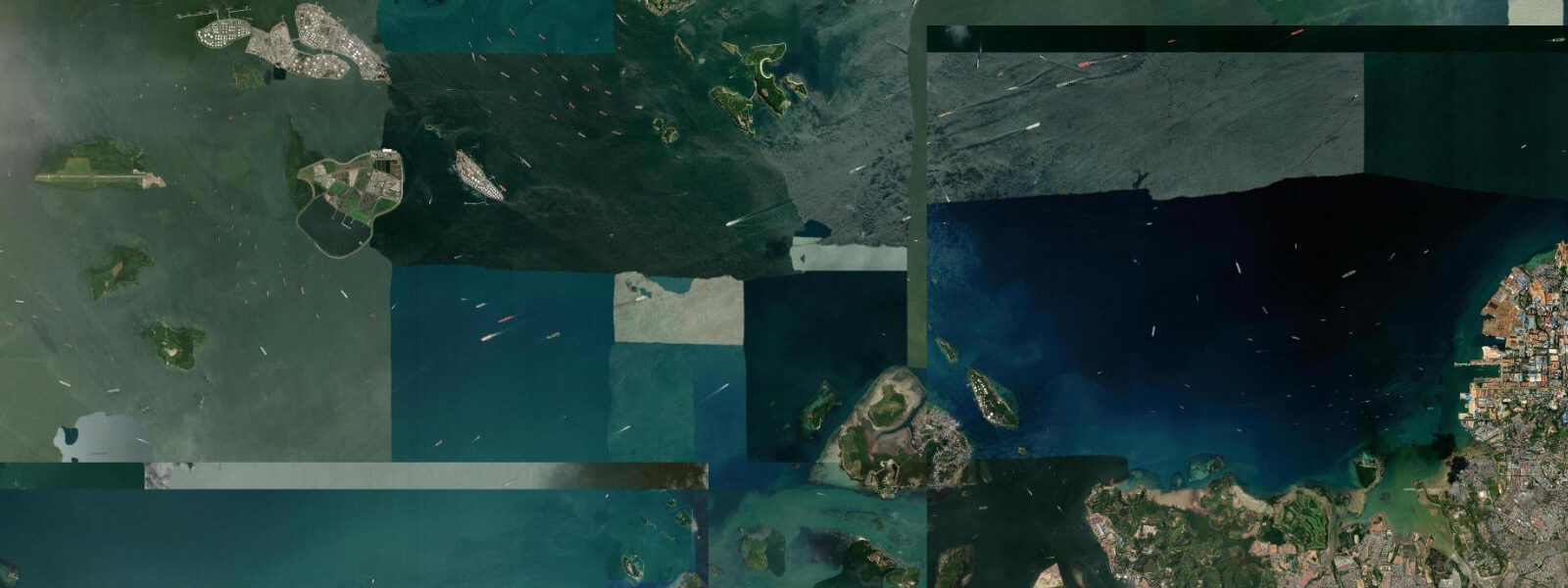
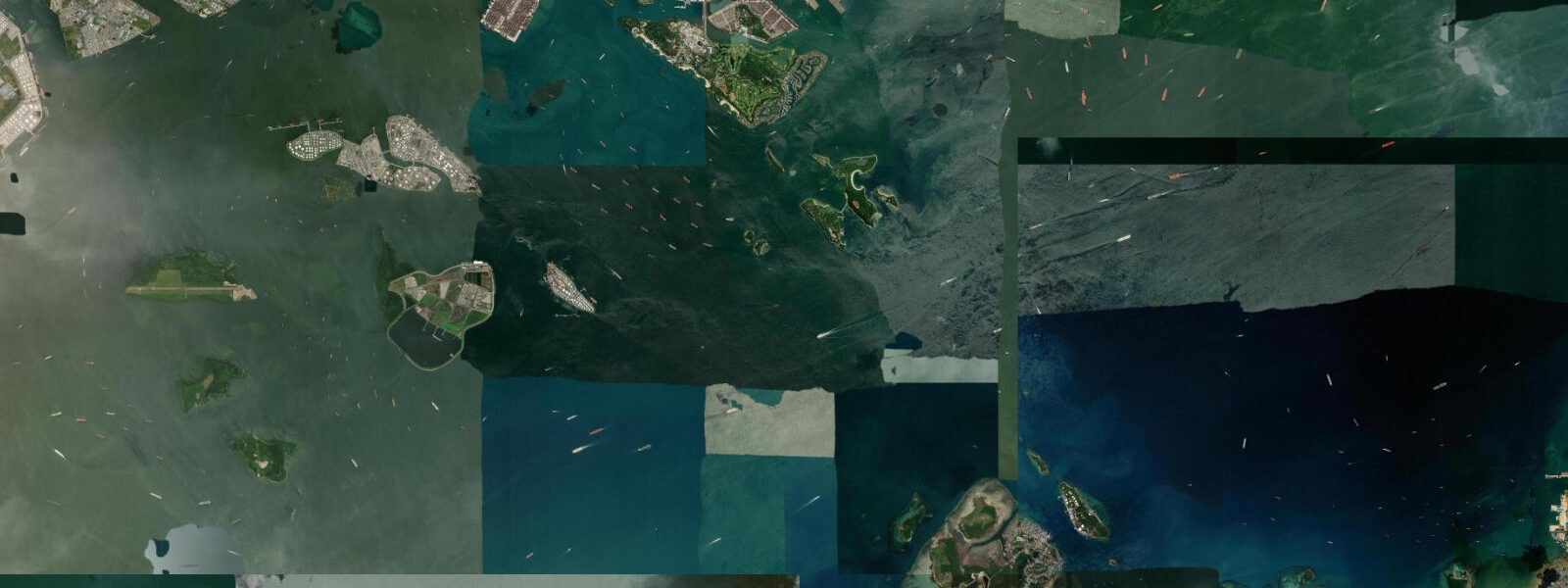
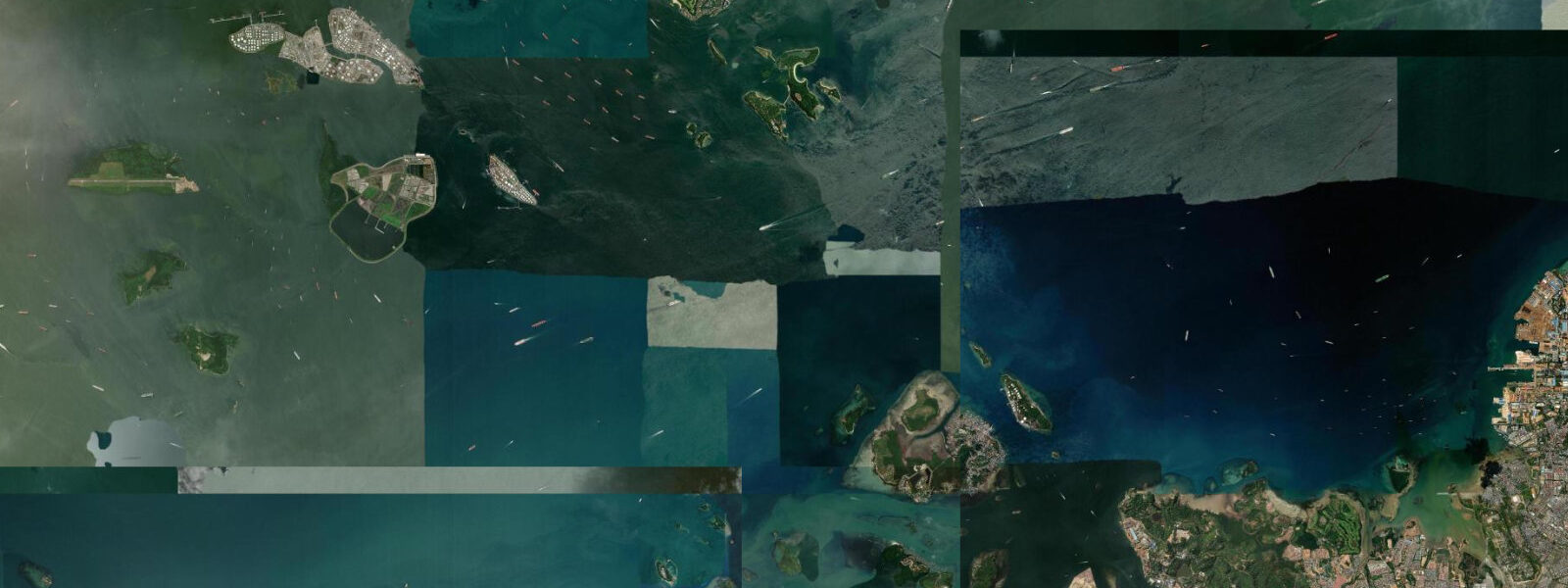
The three closest curated TideTurtle locations to East Coast Park, Singapore, measured by great-circle distance.
Today's solunar windows
Solunar tradition: major periods are the ≈3h windows around moon transit and opposition; minor are ≈2h around moonrise and moonset. Pair with the local tide stage and wind for the best read.
Cycle dates near East Coast Park, Singapore
Last spring tide on Tue 04 Aug (range 1.9m). Next spring tide on Mon 10 Aug (range 2.0m). Next neap on Fri 07 Aug.
Spring tides cluster around new and full moons (biggest swings). Neap tides land on quarter moons (smallest swings). See the spring tide and neap tide glossary entries for the why.
About tides at East Coast Park, Singapore
A short guide to the coastline at East Coast Park, Singapore — geography, sea state, and what the tide is actually doing under your feet.
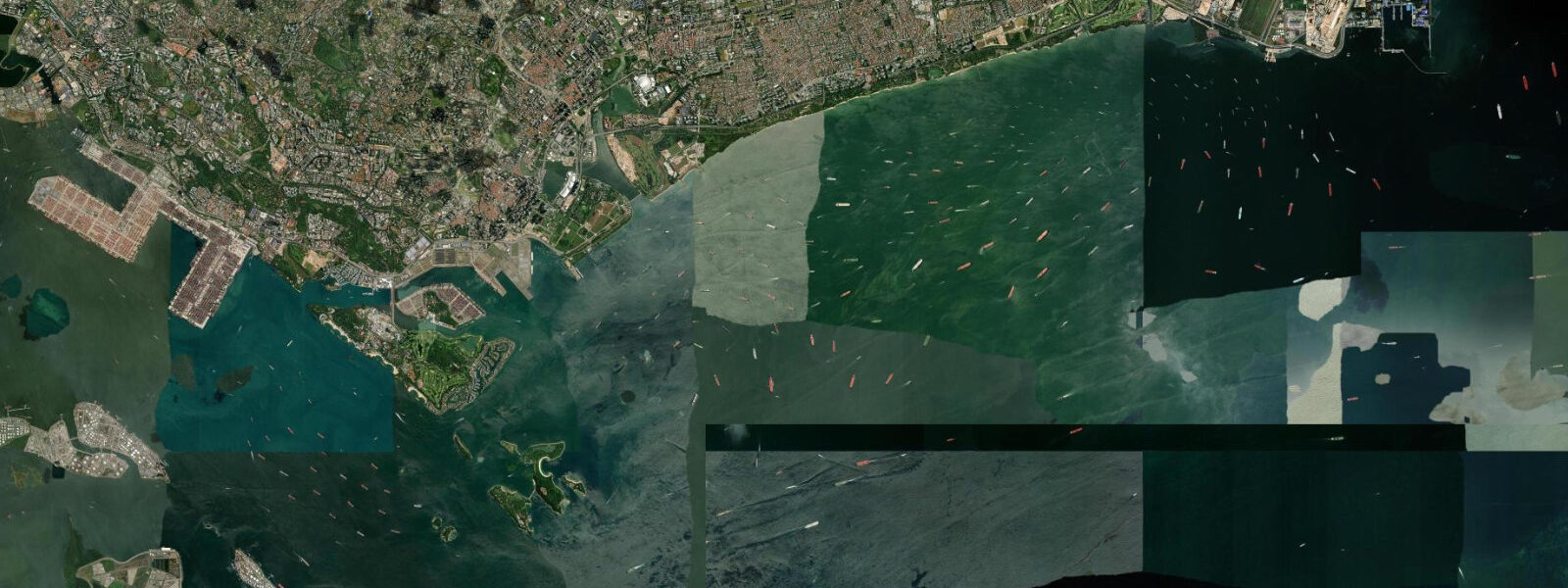
East Coast Park is a 15 km linear park along the southern shore of Singapore's main island, built on land reclaimed from the sea between the 1970s and 1990s. The original coastline sat 2 to 4 km further inland; the kampung communities and industrial uses that ran along this coast were relocated before the reclamation project began. The result is a 185-hectare park of engineered beach, park connector cycling path, water sports facilities, and hawker food courts, all facing the Singapore Strait and its constant parade of container ships and tankers — approximately 1,000 vessel transits per day on one of the world's busiest shipping lanes.
The park runs from the Marina Bay Cruise Centre in the west to Bedok in the east, and its entire length can be cycled in under an hour on the PCN path. The beach sand is imported and maintained; the slope is engineered and gentle. The tidal cycle at East Coast Park follows the Singapore Strait semidiurnal pattern: spring range 2.0 to 2.5 m, two cycles per day. The practical effect of the tide on the beach is significant: at a spring high water, the beach narrows to within a few metres of the seawall at the lowest-lying sections; at a spring low, the flat extends 50 to 80 m seaward of the typical high-water mark, exposing firm sand wide enough for a comfortable morning run or a beach cricket pitch.
Kayakers and windsurfers operate from two centres: East Coast Lagoon (lagoon-only beginners' area) and the National Sailing Centre at the western end near the cruise terminal. The lagoon enclosed by the breakwaters is flat water at all tide states and appropriate for recreational paddling. Open-water access into the main strait channel is a different situation: the tidal current runs 2 to 3 knots on the spring ebb, commercial shipping is continuous, and vessels in the channel do not manoeuvre for small recreational craft. The water sports centres' staff know the zone boundaries and brief their users on where paddling is permitted.
Bedok Jetty — the 400 m concrete pier extending from the eastern section of the park — is Singapore's most productive shore-angling structure. Anglers work the jetty rails, particularly at night and on the incoming tide, for queenfish, seabass, grouper, and the giant trevally that occasionally runs the main channel near the bottom. Incoming tide against the jetty pilings under the lights after dark is the setup most regulars prefer. The ebb also produces bites but the rig weights need to increase as the current strengthens.
The seafood hawker stalls at East Coast Lagoon Food Village operate from mid-afternoon through midnight; the chilli crab, black pepper crab, and sambal stingray here are among the most-frequented in Singapore. The park is heavily used on weekends from early morning; a weekday morning visit on the low tide gives the widest beach and the fewest people. Predictions on this page come from Open-Meteo Marine (gridded model, ±45 min / ±0.2–0.3 m). The cycling path that runs the full park length — 15 km from Marina Bay to Changi — can be ridden in under an hour at a comfortable pace. Bicycle hire is available at multiple points. The path is flat, paved, and separated from vehicle traffic along most of its length, making it accessible to families with young children on rental bikes. On weekend mornings the path is at capacity by 08:00; weekday early mornings before 07:00 offer the park at its quietest and the beach at low tide gives the most walking room. The sunrise over the Singapore Strait from the East Coast beach flat, with the container ships already transiting on the horizon, is a specific early-morning reward that requires no special planning beyond checking the tide table for the low.
Tide questions about East Coast Park, Singapore
Quick answers to the most common questions about tide times, range, and water access at East Coast Park, Singapore.
When is the next high tide at East Coast Park?
The hero block shows the next high tide in Singapore Standard Time (SST, UTC+8). East Coast Park faces the Singapore Strait on reclaimed land; the regime is semidiurnal with a spring range of 2.0 to 2.5 m. At high spring water, the beach narrows to a few metres from the seawall; at spring low, the sand flat extends 50 to 80 m seaward, giving the widest usable beach. The 7-day table covers all four daily extremes for planning beach visits and activities. Predictions from Open-Meteo Marine (gridded model, ±45 min / ±0.2–0.3 m).
What is the tidal range at East Coast Park?
Spring range in the Singapore Strait runs 2.0 to 2.5 m; neap range during quarter moons drops to about 1.2 to 1.5 m. East Coast Park's engineered beach has a gentle slope — the full spring range translates to a 50 to 80 m difference in visible sand width between high and low water. Two tidal cycles per day, roughly 6 hours apart. The biggest spring lows, giving the widest beach, occur in the 3 to 4 days around new and full moon.
Where do these predictions come from?
Open-Meteo Marine, a free gridded global ocean model, accuracy ±45 min / ±0.2–0.3 m. For beach planning purposes this is adequate; the 2.0 to 2.5 m spring range means the prediction uncertainty is a small fraction of the total tidal signal. The Maritime and Port Authority of Singapore (MPA) publishes gauge-calibrated harmonic predictions for navigation-grade planning; the nearest reference station is Tanjung Pagar. The MPA port information system provides current gauge readings and harmonic tide predictions for Singapore; these are the definitive sources for any vessel operation in the Singapore Strait.
Is it safe to kayak from East Coast Park into the Strait?
The lagoon areas behind the breakwaters at East Coast Lagoon and the National Sailing Centre are calm water at all tide states and are appropriate for recreational kayaking and windsurfing. Open-water paddling into the Singapore Strait main channel is not recommended for recreational users: the main channel tidal current runs 2 to 3 knots on the spring ebb, commercial vessel traffic is continuous and ships manoeuvre slowly, and there is no designated crossing route or traffic separation for small craft. The water sports centre staff brief their users on the permitted zones and those boundaries should be followed.
Is this safe to use for navigation?
No. TideTurtle is a planning tool, not a nautical product. The Singapore Strait operates under a mandatory Traffic Separation Scheme managed by the MPA vessel traffic service. For any vessel operation in the strait, use MPA-authoritative chart products and comply with the Port of Singapore's marine notice requirements. Open-Meteo Marine is not gauge-calibrated and does not substitute for official navigation sources in a commercially active shipping lane. The Singapore Strait TSS is one of the most monitored shipping lanes in the world; the MPA's VTS (vessel traffic service) maintains oversight of all vessels in the lane. Open-Meteo Marine data is not a substitute for MPA-published charts and current advisories.
8-day tide table — East Coast Park, Singapore
Heights relative to MSL. Predictions: Open-Meteo Marine (MeteoFrance SMOC, 0.08° grid) — heights relative to MSL (not chart datum / LAT). Model-derived.
| Day | Type | Time | Height |
|---|---|---|---|
| Tue 04 Aug | Low | 08:00 | -0.3m |
| High | 14:20 | 1.6m | |
| Low | 20:37 | -0.2m | |
| Wed 05 Aug | High | 02:34 | 1.5m |
| Low | 08:49 | -0.2m | |
| High | 14:56 | 1.6m | |
| Low | 21:24 | -0.3m | |
| Thu 06 Aug | High | 03:24 | 1.3m |
| Low | 09:32 | -0.0m | |
| High | 15:39 | 1.5m | |
| Low | 22:17 | -0.3m | |
| Fri 07 Aug | High | 16:25 | 1.4m |
| Low | 23:18 | -0.3m | |
| Sat 08 Aug | High | 05:58 | 0.9m |
| Sun 09 Aug | Low | 00:39 | -0.3m |
| High | 08:00 | 0.9m | |
| Low | 12:36 | 0.7m | |
| High | 18:57 | 1.3m | |
| Mon 10 Aug | Low | 02:16 | -0.4m |
| High | 09:50 | 1.1m | |
| Low | 14:18 | 0.7m | |
| High | 20:14 | 1.4m | |
| Tue 11 Aug | Low | 03:48 | -0.5m |
| High | 07:00 | 0.2m |