Farquhar Atoll tide times
Farquhar Atoll tide forecast — heights relative to MSL.
Today's tide times for Farquhar Atoll
Tide times at Farquhar Atoll on Tuesday, 4 August 2026: first low tide at 04:00am, first high tide at 07:23am. Sunrise 06:51am, sunset 06:32pm.
Tide chart for Farquhar Atoll
24-hour cosine-interpolated curve around the present moment. Heights relative to MSL. Predictions: Predictions: Open-Meteo Marine (MeteoFrance SMOC, 0.08° grid).
Sun, moon and conditions on Tue 04 Aug
Snapshot at build time — refreshes daily. Sea state from Open-Meteo Marine.
Highs and lows next 7 days
Every predicted high and low for the next week, with the daily tidal coefficient (0–120; higher = bigger swing, > 95 means stronger currents).
Other spots nearby
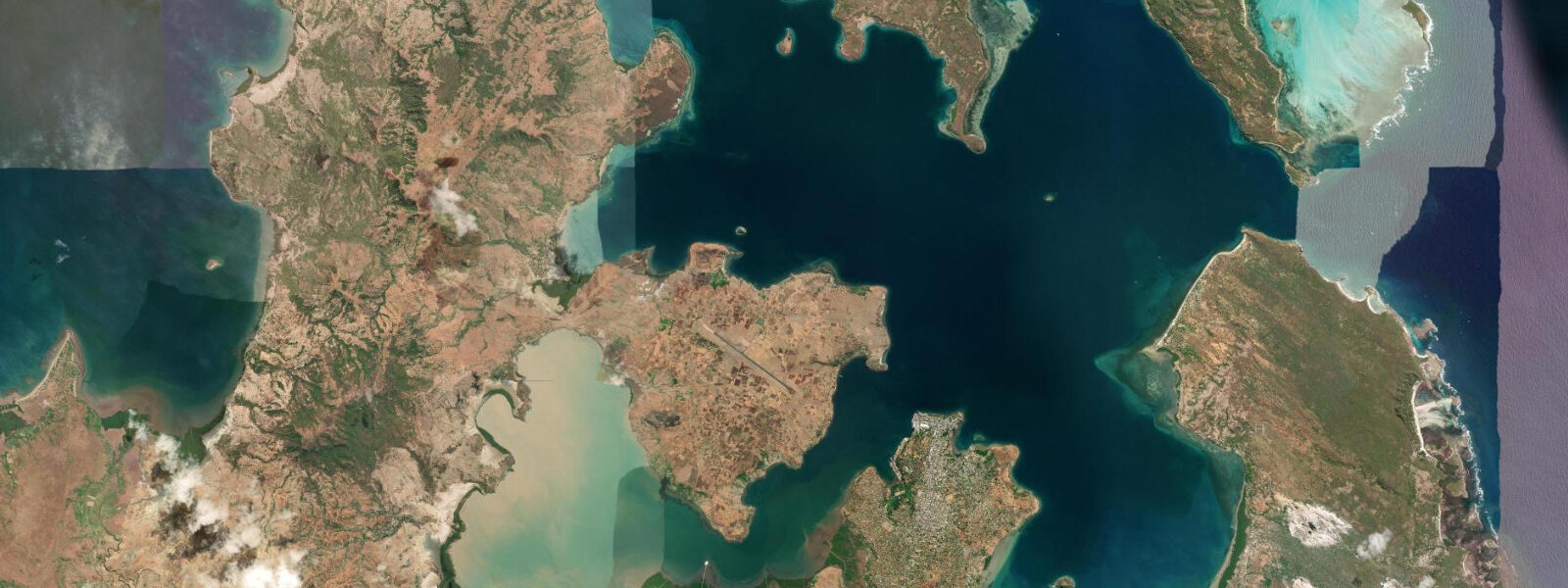
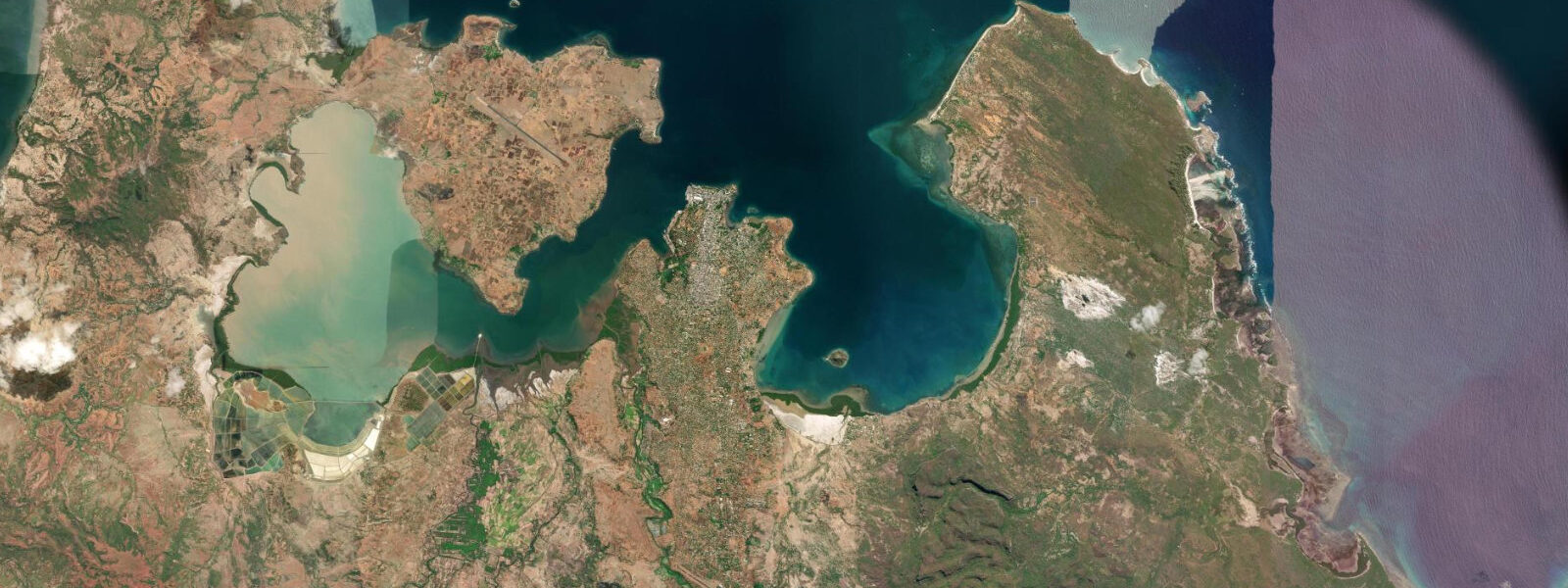
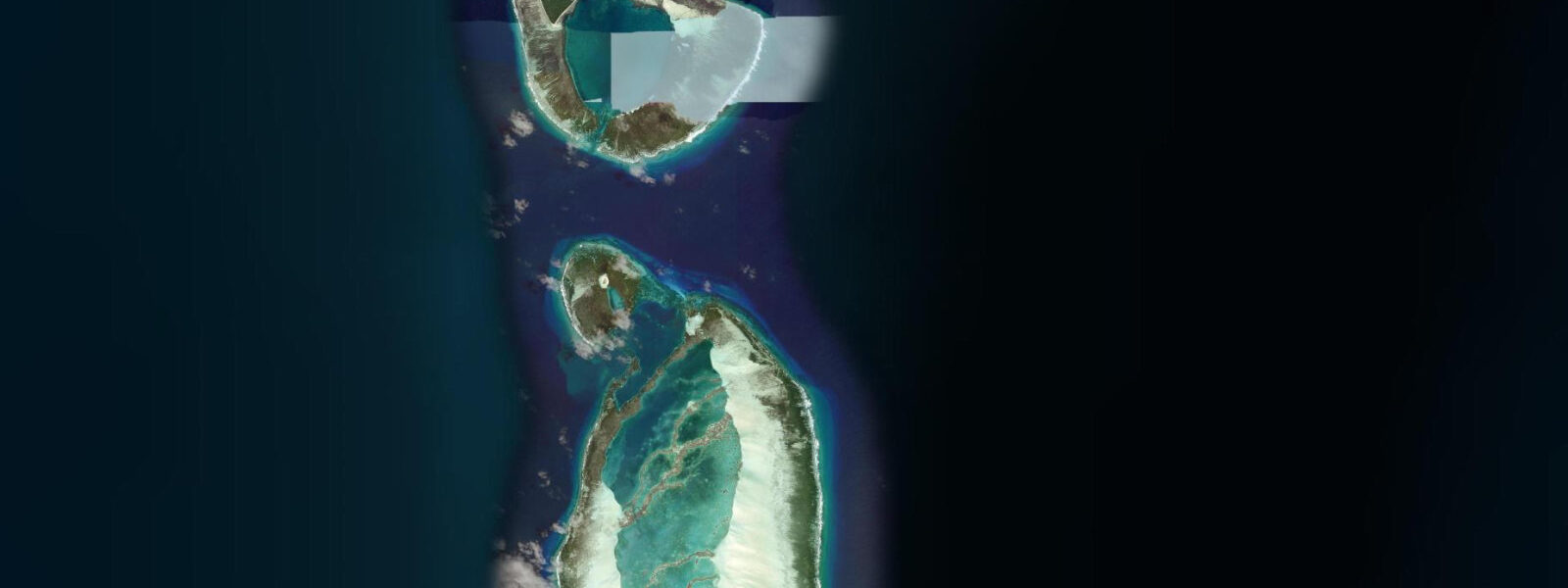
The three closest curated TideTurtle locations to Farquhar Atoll, measured by great-circle distance.
Today's solunar windows
Solunar tradition: major periods are the ≈3h windows around moon transit and opposition; minor are ≈2h around moonrise and moonset. Pair with the local tide stage and wind for the best read.
Cycle dates near Farquhar Atoll
Last spring tide on Tue 04 Aug (range 1.4m). Next spring tide on Mon 10 Aug (range 1.4m). Next neap on Fri 07 Aug.
Spring tides cluster around new and full moons (biggest swings). Neap tides land on quarter moons (smallest swings). See the spring tide and neap tide glossary entries for the why.
About tides at Farquhar Atoll
A short guide to the coastline at Farquhar Atoll — geography, sea state, and what the tide is actually doing under your feet.
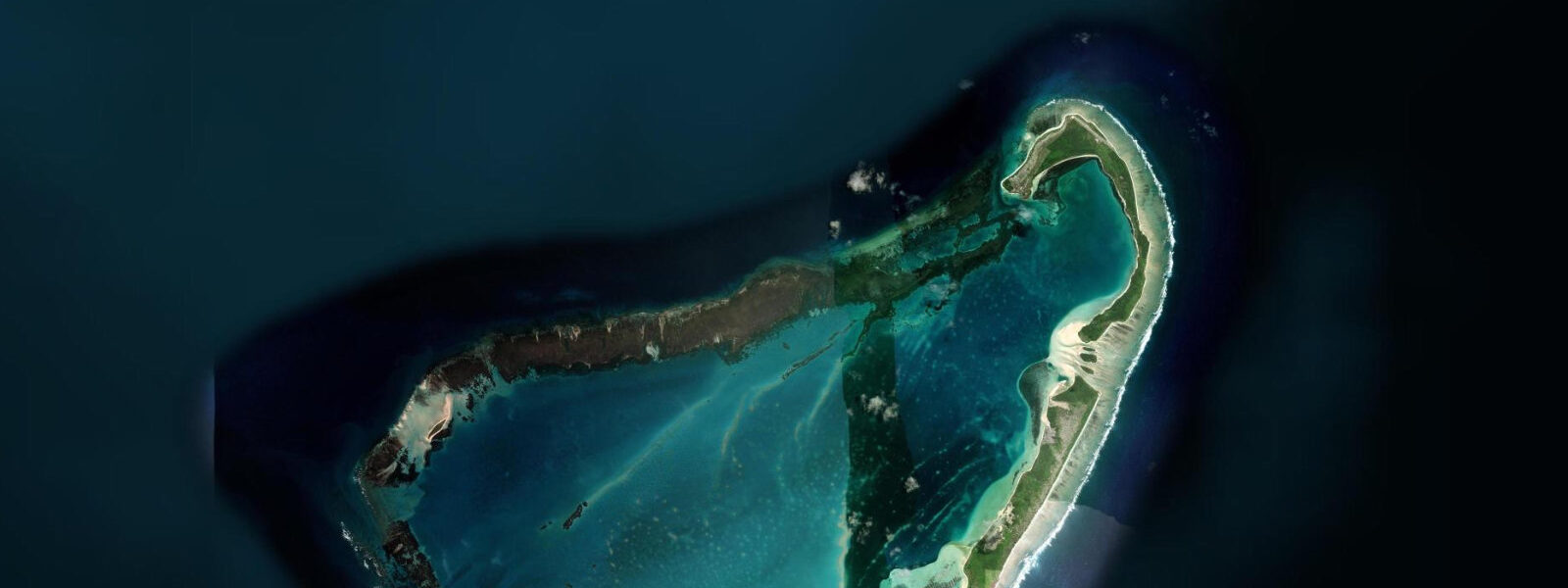
Farquhar Atoll lies 700 kilometres southwest of Mahé, closer to Madagascar than to the Seychelles granite islands. It is one of the most remote atolls in the Seychelles group — accessible only by charter vessel (a passage of roughly 3 to 4 days from Mahé depending on conditions) or by occasional light aircraft to the small airstrip on Farquhar Island. The atoll consists of a partially enclosed lagoon bounded by a crescent-shaped reef rim, with Farquhar Island and several smaller islets on the northern arc.
The permanent community on Farquhar Island is small — copra processing and a fisheries presence, plus the logistics required to maintain the airstrip and infrastructure. 0 metres. The lagoon, though shallower than Aldabra's, responds to the tidal cycle with defined flood and ebb flows through the main pass on the atoll's northern side.
At low spring tide, the lagoon shallows significantly across the inner flat areas; at high water the lagoon fills to a more uniform depth. The pass current at springs runs at 2 to 3 knots — noticeable but navigable. Farquhar is primarily known among the small community of remote atoll anglers and offshore game fish charter operators as a big-game fishing destination.
The offshore waters on the ocean side of the atoll support yellowfin tuna (Thunnus albacares), wahoo (Acanthocybium solandri), and sailfish (Istiophorus platypterus) year-round, with concentration varying by season and current. The northeast monsoon season (October to March) tends to bring the most consistent offshore game fish activity as pelagic species follow the thermal front associated with the seasonal circulation shift. Yellowfin at Farquhar can reach 80 to 100 kilograms; wahoo in the 30 to 50-kilogram class are not uncommon on trolling runs off the atoll edge.
Inshore on the reef flat, giant trevally (Caranx ignobilis) are the primary target for fly and light spinning. GT at Farquhar have not experienced the fishing pressure of the more accessible atolls, and fish in the 15 to 25-kilogram class are encountered regularly. The pass is a reliable location: trevally stack in the pass current on the ebb tide, ambushing fish and squid pushed out of the lagoon.
Timing pass fishing for the two hours of the ebb maximum — the window when the current is strongest and fish are most actively feeding in the flow — is the standard local approach. The reef at Farquhar is in good condition by the measure of any Indian Ocean atoll — high hard coral coverage, structurally complex, with large reef fish that are functionally absent from more heavily fished locations. Snorkelling and freediving on the outer reef is available to anyone on a charter vessel; no specific permit is required for non-extractive activities.
Loggerhead turtles (Caretta caretta) nest on Farquhar Island's beaches — the atoll is noted in Indian Ocean turtle census data as a significant loggerhead nesting site, which is unusual since loggerheads are less common than green and hawksbill turtles across most of the Seychelles outer islands. Nesting occurs primarily between October and March; hatchlings emerge from December through April. Birdlife includes red-footed booby, white tern, lesser noddy, and sooty tern during the breeding season.
The atoll's remoteness is its most significant characteristic from a conservation standpoint: distance from Mahé and the absence of a reliable air connection have kept extractive pressure low. Predictions on this page come from Open-Meteo Marine, a gridded global ocean model. 3 metres on height — model-derived, not from a local gauge.
The national authority is the Seychelles Fishing Authority (SFA) and the Seychelles Maritime Safety Administration (SMSA).
Tide questions about Farquhar Atoll
Quick answers to the most common questions about tide times, range, and water access at Farquhar Atoll.
What big-game fish species are caught at Farquhar Atoll?
The offshore waters around Farquhar support yellowfin tuna (up to 80-100kg), wahoo (commonly 30-50kg), and sailfish year-round. Dorado (mahi-mahi) are also present, particularly over floating debris lines. The northeast monsoon season (October to March) is generally the most productive offshore period as pelagic fish follow the seasonal thermal front. Trolling on the ocean side of the atoll accounts for most big-game catches; deep jigging on the atoll edge produces yellowfin and amberjack. All charter fishing at Farquhar is catch-and-release for sailfish and marlin; retain regulations for tuna and wahoo follow Seychelles Fishing Authority (SFA) limits.
How do I get to Farquhar Atoll?
The primary access route is by charter vessel from Mahé — a passage of approximately 3 to 4 days depending on conditions and the vessel's speed. A small airstrip on Farquhar Island accepts light aircraft; charter flights from Mahé operate on an irregular basis and are not scheduled services. Liveaboard fishing charters operate set itineraries to Farquhar seasonally — booking 12 to 18 months ahead is standard for the peak season (October to March). Independent access by yacht is possible; the Seychelles Maritime Safety Administration should be notified of passage plans for any vessel transiting this far from Mahé.
Is there giant trevally fishing at Farquhar?
Giant trevally (GTs, Caranx ignobilis) are present on the reef flat and in the main pass. The pass is a reliable location: on the ebb tide, GTs stack in the current flow and ambush fish and squid pushed out of the lagoon. The two hours around maximum ebb current are the most productive window for pass fishing. Fish in the 15 to 25-kilogram class are regularly encountered; larger fish up to 40kg are recorded but less common than at some more northerly atolls. The flat fishing for GT at Farquhar is good by the standard of the southern outer Seychelles, and fishing pressure is low relative to better-known GT destinations.
What turtle species nest at Farquhar?
Farquhar Atoll is noted in Indian Ocean census data as a significant loggerhead turtle (Caretta caretta) nesting site — unusual for the Seychelles outer islands, where green and hawksbill turtles are far more common nesters. Green turtles also nest on the beaches. Nesting occurs primarily between October and March, with hatchlings emerging from December through April. The small permanent community on the island participates in monitoring activities. Disturbance of nesting turtles or hatchlings is prohibited under Seychelles law; charter operators accessing the beaches during nesting season are expected to follow night beach protocols.
What is the reef like at Farquhar for snorkelling and diving?
The outer reef at Farquhar is in good structural condition — high hard coral coverage, complex reef topography, and a fish community that includes large grouper, Napoleon wrasse, grey reef shark, and white-tip reef shark in sizes that indicate low historical fishing pressure. Visibility on the outer wall runs 15 to 25 metres in settled conditions. Snorkelling and freediving on the reef are available to anyone on a charter vessel without specific permit. The lagoon interior is shallower and more variable in visibility depending on tidal state — clearest on the flood before the ebb begins to suspend lagoon sediment.
8-day tide table — Farquhar Atoll
Heights relative to MSL. Predictions: Open-Meteo Marine (MeteoFrance SMOC, 0.08° grid) — heights relative to MSL (not chart datum / LAT). Model-derived.
| Day | Type | Time | Height |
|---|---|---|---|
| Tue 04 Aug | Low | 04:00 | 0.1m |
| High | 07:23 | 0.9m | |
| Wed 05 Aug | Low | 01:38 | -0.5m |
| High | 08:05 | 0.9m | |
| Low | 14:18 | -0.3m | |
| High | 20:08 | 0.6m | |
| Thu 06 Aug | Low | 02:16 | -0.4m |
| High | 08:55 | 0.8m | |
| Low | 15:13 | -0.2m | |
| High | 20:56 | 0.5m | |
| Fri 07 Aug | Low | 03:02 | -0.3m |
| High | 10:03 | 0.8m | |
| Low | 16:50 | -0.1m | |
| High | 22:18 | 0.3m | |
| Sat 08 Aug | Low | 04:20 | -0.2m |
| High | 11:37 | 0.7m | |
| Low | 18:47 | -0.1m | |
| Sun 09 Aug | High | 00:10 | 0.3m |
| Low | 06:04 | -0.2m | |
| High | 13:13 | 0.8m | |
| Low | 20:13 | -0.3m | |
| Mon 10 Aug | High | 01:54 | 0.4m |
| Low | 07:40 | -0.3m | |
| High | 14:22 | 1.0m | |
| Low | 21:10 | -0.4m | |
| Tue 11 Aug | High | 03:00 | 0.5m |