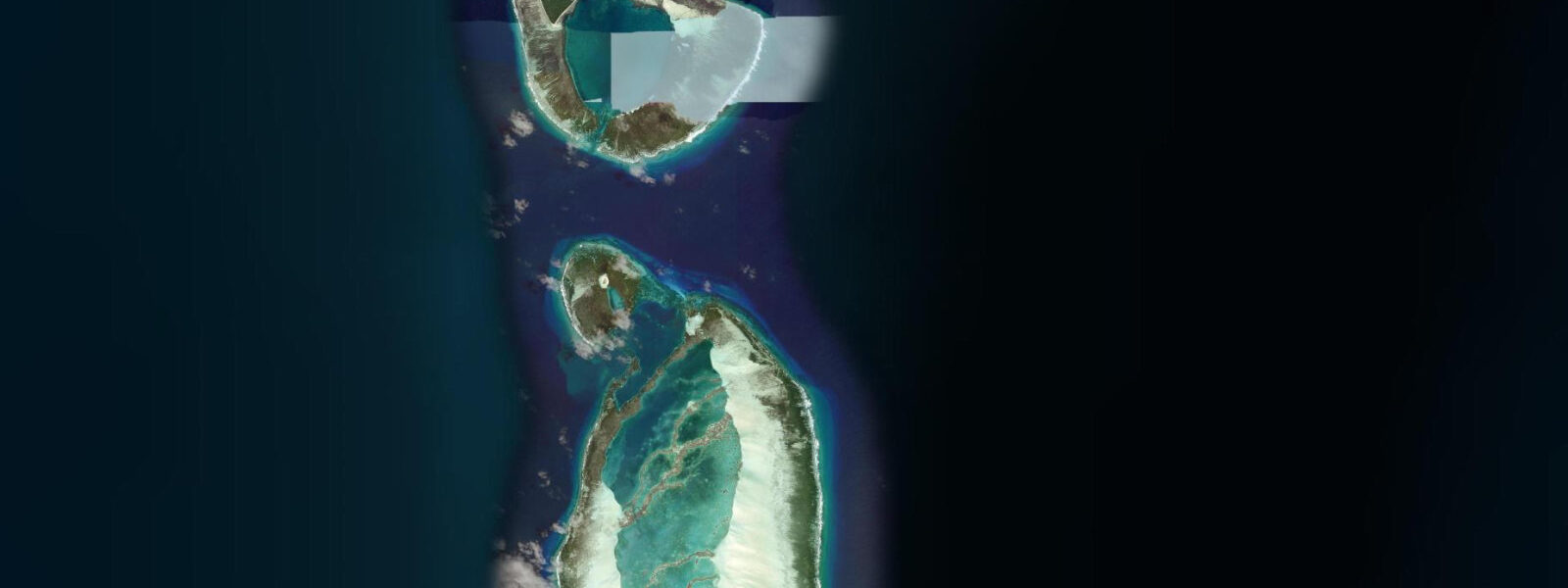
Alphonse Island tide times
Alphonse Island tide forecast — heights relative to MSL.
Today's tide times for Alphonse Island
Tide times at Alphonse Island on Tuesday, 4 August 2026: first low tide at 04:00am, first high tide at 07:33am, second low tide at 01:38pm, second high tide at 07:34pm. Sunrise 06:40am, sunset 06:29pm.
Tide chart for Alphonse Island
24-hour cosine-interpolated curve around the present moment. Heights relative to MSL. Predictions: Predictions: Open-Meteo Marine (MeteoFrance SMOC, 0.08° grid).
Sun, moon and conditions on Tue 04 Aug
Snapshot at build time — refreshes daily. Sea state from Open-Meteo Marine.
Highs and lows next 7 days
Every predicted high and low for the next week, with the daily tidal coefficient (0–120; higher = bigger swing, > 95 means stronger currents).
Other spots nearby
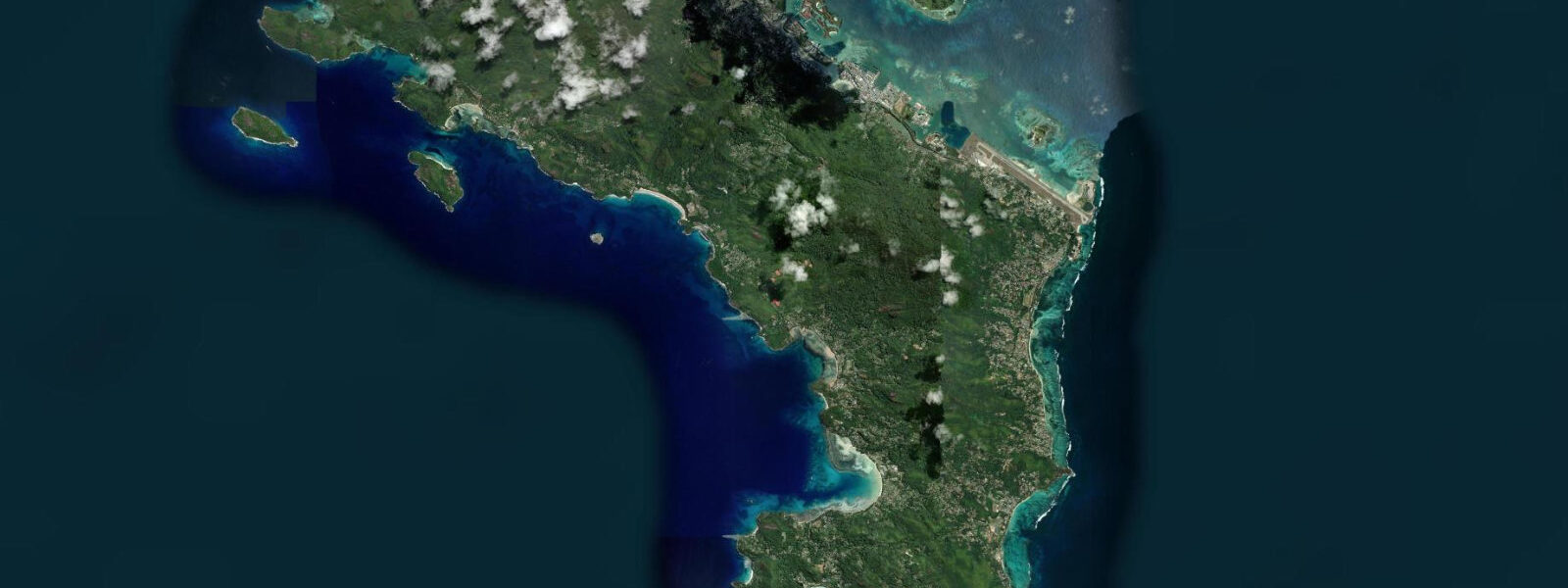
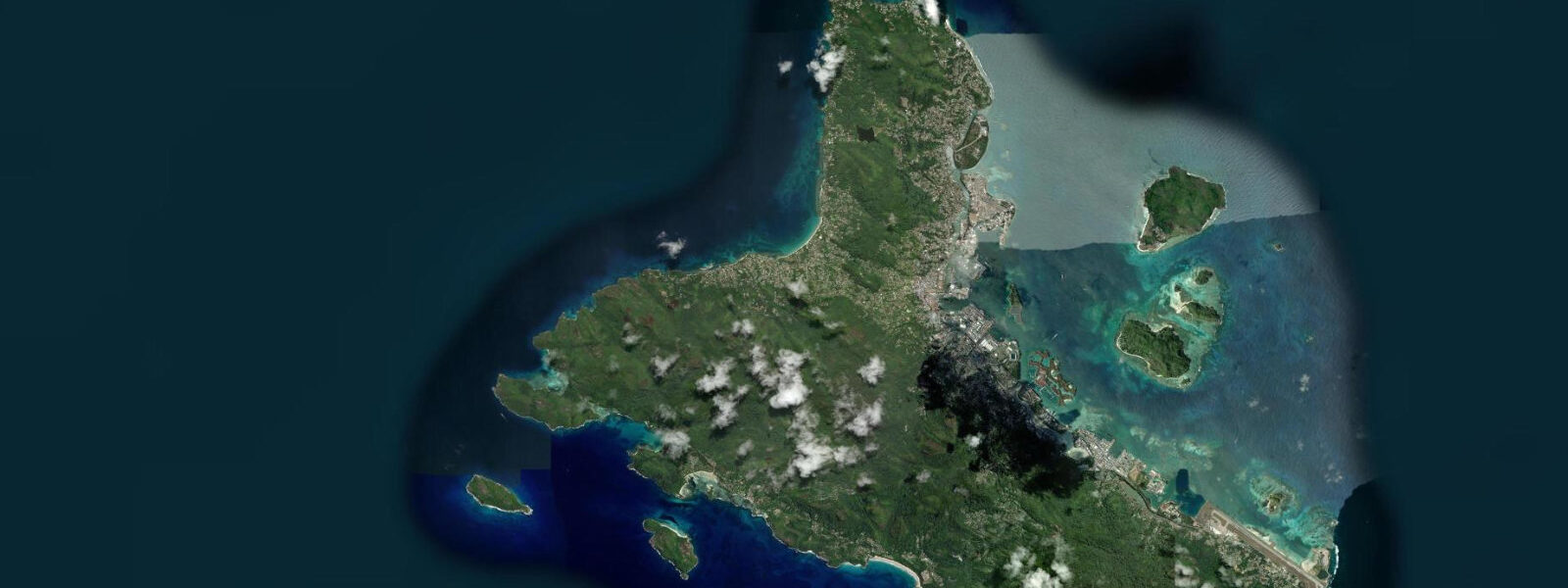
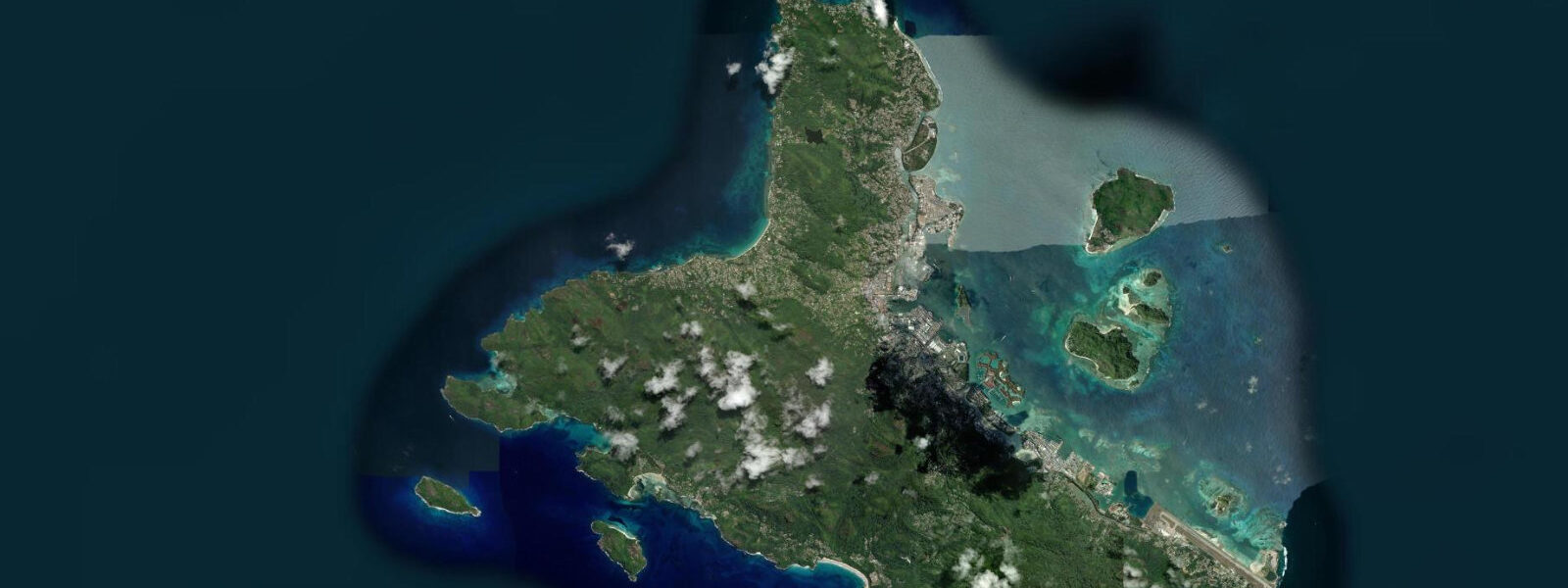
The three closest curated TideTurtle locations to Alphonse Island, measured by great-circle distance.
Today's solunar windows
Solunar tradition: major periods are the ≈3h windows around moon transit and opposition; minor are ≈2h around moonrise and moonset. Pair with the local tide stage and wind for the best read.
Cycle dates near Alphonse Island
Last spring tide on Tue 04 Aug (range 1.4m). Next neap on Fri 07 Aug.
Spring tides cluster around new and full moons (biggest swings). Neap tides land on quarter moons (smallest swings). See the spring tide and neap tide glossary entries for the why.
About tides at Alphonse Island
A short guide to the coastline at Alphonse Island — geography, sea state, and what the tide is actually doing under your feet.
Alphonse Island is a small outer Seychelles atoll approximately 400 kilometres southwest of Mahé, accessible by a 90-minute light aircraft flight. A single exclusive resort occupies the island; accommodation capacity is intentionally low. The atoll consists of Alphonse Island and the adjacent St.
François Atoll, separated by a shallow channel. Between them they hold some of the most productive and least-pressured saltwater fly fishing flats in the world. 0 metres.
That range, modest by Indian Ocean standards, is ideal for flat fishing: on the spring ebb, the vast shallow-grass and sand flats of the St. François lagoon expose to ankle or shin depth, concentrating fish movement into defined channels and over identifiable feeding areas. On the spring flood, fish push up onto the flat over a wide front as the water rises.
The precision of that cycle is what makes this fishery function: the flat is fishable only within defined tidal windows, and those windows change by roughly 50 minutes each day as the tidal cycle progresses. Bonefish (Albula vulpes) are the primary quarry on the flat — present in large schools that move predictably onto the grass flat on the flood and drop back to the channel edges and deeper water on the ebb. An experienced guide reads both the fish movement and the tide state simultaneously; guests without saltwater fly fishing experience can be coached to a functional casting standard on the first day, though fish at Alphonse are generally less forgiving than standard bonefish destinations because the water is extremely clear and the fish are alert.
Permit (Trachinotus blochii, the Indo-Pacific permit) also work the flat, typically in smaller numbers than bonefish and significantly more challenging — cautious, fast-moving, and easily spooked on the clear sand. Alphonse is one of the few locations where permit are encountered regularly enough to target deliberately rather than opportunistically. Triggerfish — titan triggerfish (Balistoides viridescens) and moustache triggerfish (Balistoides flavimarginatus) — are present on the flat and the adjacent reef edge.
Triggerfish on the flat are a specialty quarry: they feed with their heads down in the sand, tails visible, and require an accurate cast to land the fly in the feeding zone without spooking the fish. They fight harder than their size suggests and are notoriously unpredictable once hooked. The resort also operates bluefin trevally and giant trevally fishing on the reef edge and in the passes — a less tide-dependent activity than flat fishing and available across a broader daily window.
Green and hawksbill turtles nest on the island's beaches, primarily between October and April. The island's seabird population includes red-footed booby, white tern, and lesser noddy. The birding is secondary to the fishing for most visitors but productive for a morning spent on the beach perimeter.
Predictions on this page come from Open-Meteo Marine, a gridded global ocean model. 3 metres on height — model-derived, not from a local gauge. The national authority is the Seychelles Fishing Authority (SFA) and the Seychelles Maritime Safety Administration (SMSA).
Tide questions about Alphonse Island
Quick answers to the most common questions about tide times, range, and water access at Alphonse Island.
Why is the tide so important for fishing at Alphonse Island?
The St. François lagoon flat becomes fishable only when there is enough water over the grass and sand to allow fish to move onto it, but not so much that the fish disperse widely and become difficult to locate. This window corresponds to roughly two to three hours either side of high water on spring tides, and to a slightly different window on neap tides when the range is smaller and the flat does not fully expose or flood in the same way. Spring tides produce the most dramatic flat exposure and the most concentrated fish movement; the two to three days around spring tide each fortnight are considered peak fishing days at Alphonse. The guides here plan every day's fishing around the published tide tables.
What is the permit fishing like at Alphonse?
Indo-Pacific permit (Trachinotus blochii) at Alphonse are encountered on the flat in small groups or singles, typically tailing in ankle-to-knee-deep water over sand and grass. They are cautious fish in very clear water — a cast that lands more than a metre from the fish's head often goes ignored; a cast that lands too close spooks them. Presentation needs to be accurate and the fly must be in the fish's sight cone. Success rates are low relative to bonefish, but Alphonse has a high enough encounter rate to make permit a realistic target on most spring-tide days. The guides carry a range of crab patterns and maintain detailed records of which patterns have produced at which tide states.
How do I get to Alphonse Island?
The resort operates scheduled light aircraft transfers from Mahé (Seychelles International Airport) to the Alphonse airstrip. The flight takes approximately 90 minutes. Transfer is managed entirely through the resort booking; independent arrival is not possible since the island is resort-only. Flights run on set days aligned with guest arrival and departure schedules, typically twice weekly. All accommodation on Alphonse is at the single resort property; there is no other accommodation on the island and no day-visitor access.
Do I need to be an experienced fly fisher to visit Alphonse?
Casting ability matters. Bonefish, permit, and triggerfish on the flat are all pursued by sight — you see the fish and cast to it, often at distance and in wind. A functional cast of 15 to 18 metres in a 15-knot crosswind is the practical minimum for meaningful flat fishing. Guests who arrive without prior saltwater experience can be coached during the first day by the resort's guides, but the learning curve is steep when the quarry is the variable rather than a static target. Offshore fishing for trevally in the passes is less technically demanding and is available to guests of any casting level. The resort can advise on casting clinics before arrival.
When do sea turtles nest at Alphonse Island?
Green turtles (Chelonia mydas) and hawksbill turtles (Eretmochelys imbricata) nest on Alphonse Island's beaches primarily between October and April, with peak nesting activity in November and December. The resort operates a turtle monitoring programme; staff record nests and protect them from disturbance. Hatching typically occurs 50 to 60 days after laying, meaning hatchlings emerge from January through March. Night observation of nesting turtles can be arranged through the resort naturalist on a case-by-case basis — the aim is to observe without disturbing the nesting process.
8-day tide table — Alphonse Island
Heights relative to MSL. Predictions: Open-Meteo Marine (MeteoFrance SMOC, 0.08° grid) — heights relative to MSL (not chart datum / LAT). Model-derived.
| Day | Type | Time | Height |
|---|---|---|---|
| Tue 04 Aug | Low | 04:00 | 0.1m |
| High | 07:33 | 0.9m | |
| Low | 13:38 | -0.3m | |
| High | 19:34 | 0.7m | |
| Wed 05 Aug | Low | 01:42 | -0.5m |
| High | 08:11 | 0.9m | |
| Thu 06 Aug | Low | 02:16 | -0.4m |
| High | 09:02 | 0.8m | |
| Fri 07 Aug | Low | 03:00 | -0.3m |
| High | 10:12 | 0.8m | |
| Low | 17:07 | -0.1m | |
| High | 22:18 | 0.3m | |
| Sat 08 Aug | Low | 04:18 | -0.2m |
| High | 11:45 | 0.8m | |
| Sun 09 Aug | Low | 06:00 | -0.1m |
| High | 13:23 | 0.9m | |
| Mon 10 Aug | Low | 21:21 | -0.4m |
| Tue 11 Aug | High | 03:00 | 0.5m |