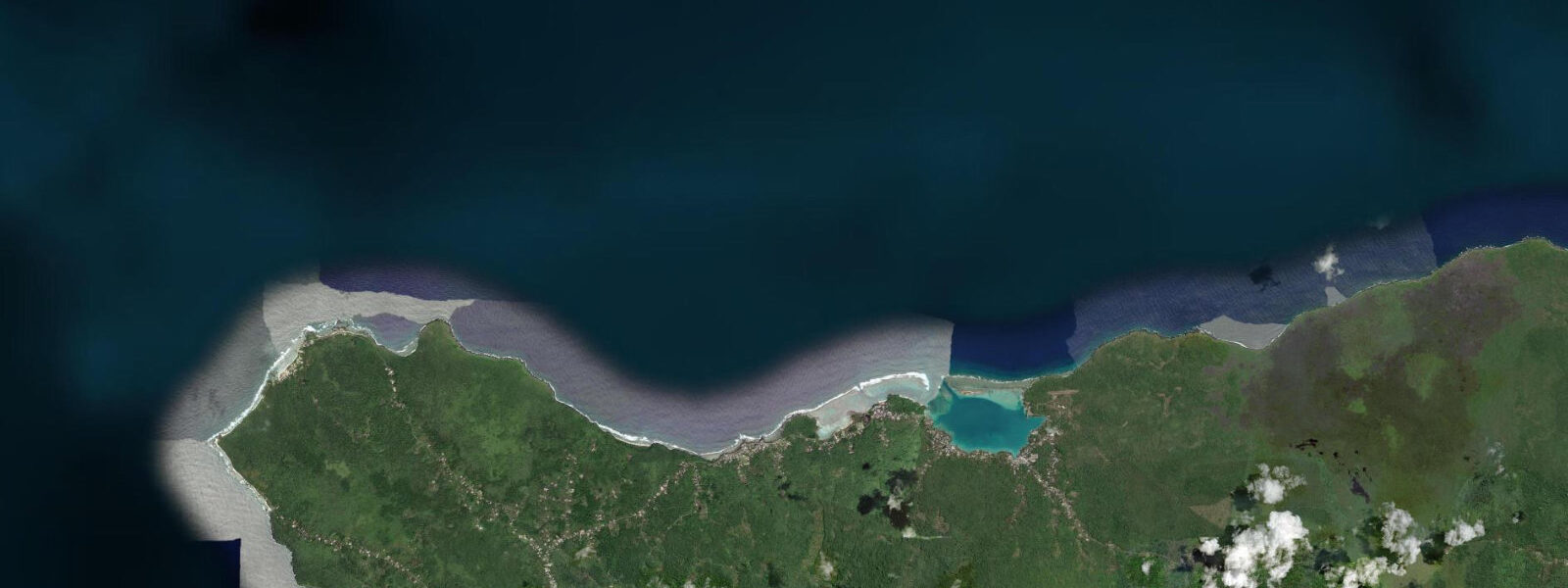
Falealupo tide times
Falealupo tide forecast — heights relative to MSL.
Tide chart for Falealupo
24-hour cosine-interpolated curve around the present moment. Heights relative to MSL. Predictions: Predictions: Open-Meteo Marine (MeteoFrance SMOC, 0.08° grid).
Sun, moon and conditions on Thu 06 Aug
Snapshot at build time — refreshes daily. Sea state from Open-Meteo Marine.
Highs and lows next 7 days
Every predicted high and low for the next week, with the daily tidal coefficient (0–120; higher = bigger swing, > 95 means stronger currents).
Other spots nearby
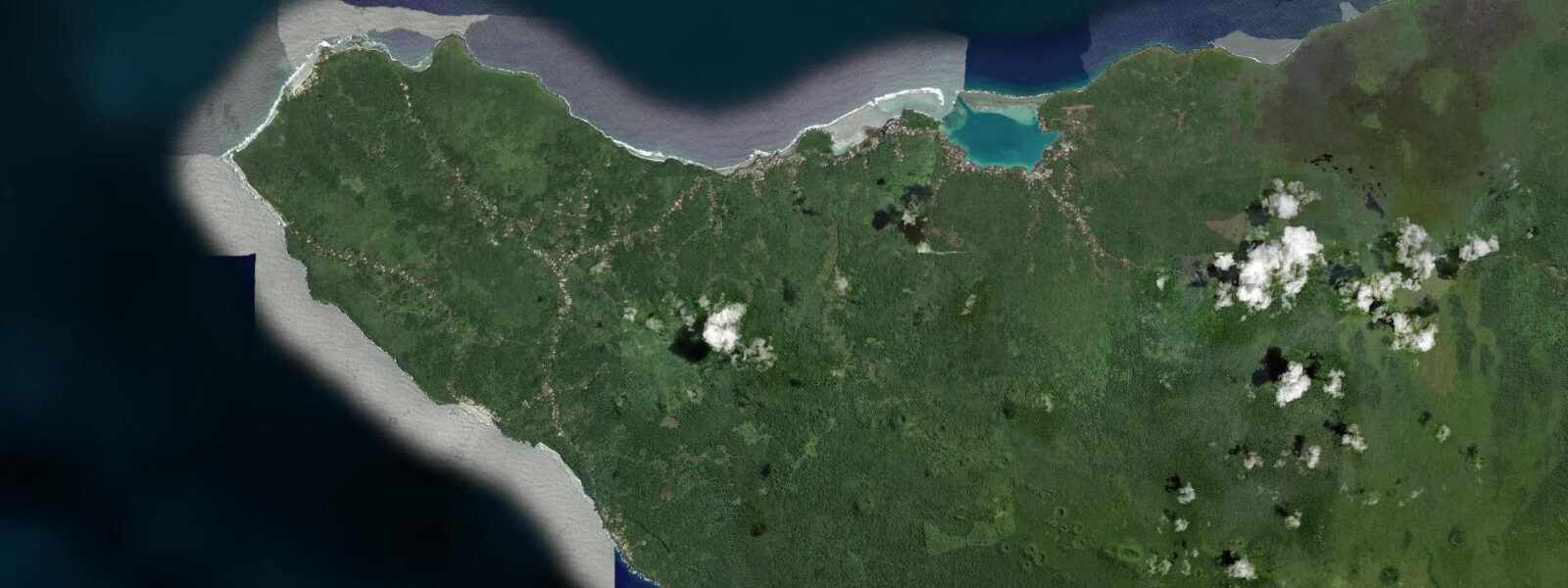
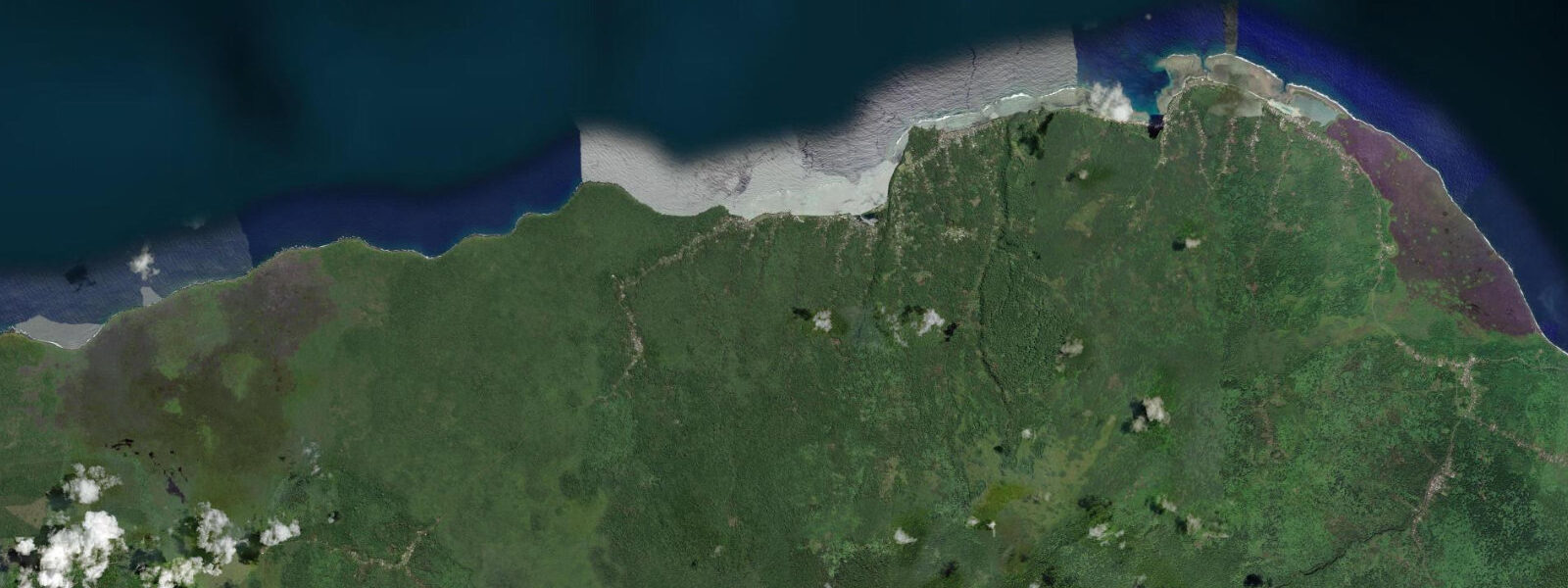
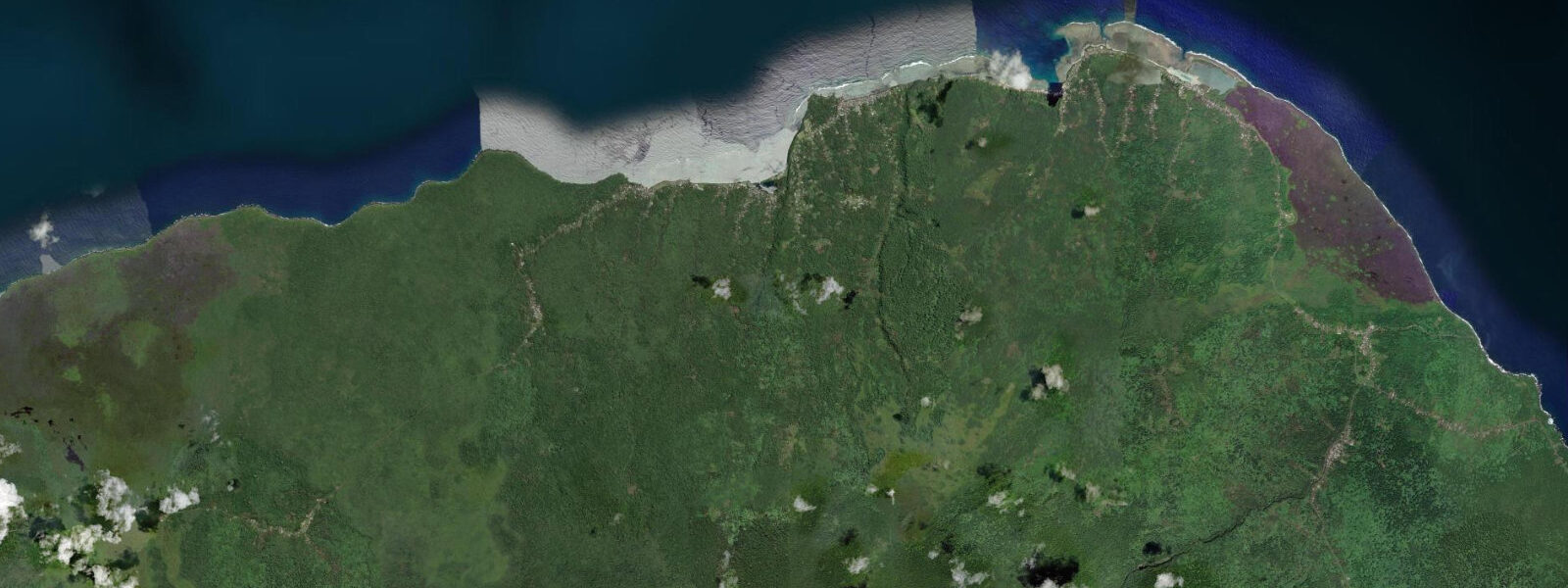
The three closest curated TideTurtle locations to Falealupo, measured by great-circle distance.
Today's solunar windows
Solunar tradition: major periods are the ≈3h windows around moon transit and opposition; minor are ≈2h around moonrise and moonset. Pair with the local tide stage and wind for the best read.
Cycle dates near Falealupo
Next spring tide on Mon 10 Aug (range 1.4m). Last neap on Tue 04 Aug.
Spring tides cluster around new and full moons (biggest swings). Neap tides land on quarter moons (smallest swings). See the spring tide and neap tide glossary entries for the why.
About tides at Falealupo
A short guide to the coastline at Falealupo — geography, sea state, and what the tide is actually doing under your feet.
Falealupo sits at the westernmost tip of Savai'i, which makes it the westernmost inhabited point of Samoa and one of the last places on earth to see each day's sunset over open ocean. The village sits on a narrow coastal strip between the lava-field interior and the sea, where rock formations break the Pacific swell into white water across the reef flat. Traditional fale guesthouses line the track through the village; the atmosphere is about as far from resort Samoa as you can get while still sleeping in a solid bed.
Tides at Falealupo are mixed diurnal, trending toward a dominant once-daily pattern for much of the lunar month. Range is moderate: 0.6 to 1.0 metres between mean lower-low and higher-high. The diurnal dominance means there are periods — particularly around the quarter moons — when one of the daily tidal oscillations becomes very small, effectively giving one large tidal cycle per day. Open-Meteo Marine forecasts for this part of the South Pacific are accurate to ±45 minutes on timing and ±0.2 to 0.3 metres on height. For reef access, the difference matters: the lower-low exposures at Falealupo's reef flat can be dramatic at spring tides, revealing rock pools and channels that are invisible at high water.
The canopy walkway above the coastal rainforest is the village's most unusual feature. Built using ropes and platforms anchored in the canopy of large trees at the forest fringe, it allows visitors to walk above the root zone and look out over the coastal palms and reef flat below. The original walkway was constructed with support from a conservation project decades ago and has been maintained by the village trust since. Visiting requires a contribution to the village; the standard entry fee goes directly to the community. The walkway is accessible at any tidal state — it sits well above the shoreline — but the descent path to the beach below passes through coastal rock that is safer at low water when the wave run-up is reduced.
The reef flat at Falealupo's western point is the site of palolo worm harvesting, one of the most significant seasonal food events in Samoan culture. Palolo (Palola viridis) rise from the reef substrate once a year, typically in October or November, timed to the third quarter moon. Villagers wade the reef flat in the pre-dawn hours to collect the palolo with fine-mesh nets; the harvest is eaten fresh that morning or preserved. The tidal state during the harvest event varies by year — the moon phase controls palolo timing, not the tidal range directly — but the reef flat is always accessed at low water or near-low water to maximise collection area. If your visit coincides with the palolo season, ask the guesthouse host a week in advance whether the reef conditions look favourable.
The rock formations on the western point are accessible on foot from the village at low tide: natural arches, surge channels cut through basalt, and sea caves formed where lava tubes meet the shoreline. These are best explored in the first two hours of an ebb tide when the surge is dropping and standing pools in the rock platform are still full enough to be interesting. At high water the exposed rock area shrinks substantially and wave action in the surge channels makes close exploration unsafe. Reef shoes are necessary; the lava surface is sharp.
For accommodation, the fale guesthouses in Falealupo provide basic but clean facilities — open-sided fale with mosquito nets are standard, with shared bathrooms. Meals are communal and typically include freshly caught fish, breadfruit, palusami, and cocoa. Cell coverage is patchy but improving. The drive from Salelologa (the main ferry landing from Upolu) is approximately 100 kilometres along Savai'i's north coast ring road and takes two hours on a good day.
Tide questions about Falealupo
Quick answers to the most common questions about tide times, range, and water access at Falealupo.
What tidal conditions are best for exploring Falealupo's reef flat and rock formations?
Falealupo has mixed diurnal tides ranging 0.6 to 1.0 metres. The reef flat and lava rock formations are best explored during the first two hours of an ebb tide — the surge is decreasing, standing pools in the rock platform are still filled, and the wave run-up on the outer reef face is easing. At low water on a spring tide, the flat can expose 200 to 300 metres of terrain that is completely submerged at high water. The sea caves formed in lava tubes at the western point should only be entered when the tide is clearly ebbing; a rising tide in a confined lava tube fills quickly and exit can become difficult. Open-Meteo Marine forecasts are accurate to ±45 minutes and ±0.2–0.3 metres — adequate for planning with a 30-minute safety margin on either side.
When does the palolo worm harvest happen at Falealupo?
Palolo (Palola viridis) rise from reef substrate once a year, triggered by the third quarter moon in October or November — the exact date shifts each year by the lunar calendar. At Falealupo, villagers wade the reef flat in the pre-dawn hours of the harvest morning to collect palolo with fine-mesh nets; the harvest is eaten fresh or preserved and is one of the most anticipated food events in the Samoan calendar. Timing your visit to coincide with palolo requires knowing the lunar calendar for the year and building in flexibility around the October–November window. Ask your guesthouse host a week before the expected date — they will know from community communication whether conditions look right. The reef flat during harvest is always accessed near low water to maximise collection area.
How do you reach Falealupo from Apia?
The standard route from Apia on Upolu is the inter-island ferry from Mulifanua wharf to Salelologa on Savai'i (30 to 45 minutes crossing, multiple daily sailings), then a 100-kilometre drive west along Savai'i's north coast ring road. Journey time by car from Salelologa to Falealupo is approximately two hours on a sealed but sometimes rough road. Car hire is available at Salelologa and Apia. The ferry can be choppy in heavy southeast trade conditions; morning sailings are generally smoother. There is no domestic airport near Falealupo — the nearest airstrip (Maota) is on the northeast coast of Savai'i, adding a long ground transfer regardless.
What is the canopy walkway experience like and does it require booking?
The Falealupo canopy walkway runs through the coastal rainforest above the village, with platforms anchored in large trees at roughly 10 to 15 metres above ground. It gives views over the coastal palm fringe and reef flat below. The walkway is accessed via the village entry point where a community contribution is collected — typically WST 10 to 20 per person, with proceeds going to the village trust. No advance booking is required, but arriving at the village unannounced and heading to the walkway without acknowledging the fa'a-Samoa (customary hospitality) norms is poor form. Stop at the guesthouse or community office first. The walkway is accessible regardless of tidal state but the descent path to the beach below is easier and safer at low water when wave run-up on the rock platform is reduced.
What accommodation exists at Falealupo and what should visitors expect?
Falealupo has several traditional fale guesthouses operated by village families. Open-sided fale with mosquito nets and bedding are the standard configuration; some have enclosed walls for more privacy. Bathrooms are shared. Meals are communal — typically freshly caught fish, palusami (coconut cream baked in taro leaves), breadfruit, and cocoa — and are included in the room rate. Standards are basic but clean; this is not a resort experience and should not be approached as one. Cell coverage is patchy; download offline maps and any tide forecast data before leaving Salelologa. Cash (WST tala) is necessary — there are no ATMs at Falealupo. Power is available but can be unreliable; bring a power bank.
7-day tide table — Falealupo
Heights relative to MSL. Predictions: Open-Meteo Marine (MeteoFrance SMOC, 0.08° grid) — heights relative to MSL (not chart datum / LAT). Model-derived.
| Day | Type | Time | Height |
|---|---|---|---|
| Thu 06 Aug | Low | 04:16 | 0.4m |
| High | 10:22 | 1.0m | |
| Low | 16:36 | 0.4m | |
| High | 22:56 | 1.1m | |
| Fri 07 Aug | Low | 05:22 | 0.4m |
| High | 11:37 | 1.0m | |
| Low | 17:43 | 0.4m | |
| Sat 08 Aug | High | 00:07 | 1.1m |
| Low | 06:37 | 0.3m | |
| High | 12:52 | 1.0m | |
| Low | 18:54 | 0.3m | |
| Sun 09 Aug | High | 01:23 | 1.2m |
| Low | 07:50 | 0.3m | |
| High | 14:03 | 1.1m | |
| Low | 19:57 | 0.3m | |
| Mon 10 Aug | High | 02:20 | 1.3m |
| Low | 08:50 | 0.2m | |
| High | 15:05 | 1.1m | |
| Low | 21:00 | 0.3m | |
| Tue 11 Aug | High | 03:25 | 1.4m |
| Low | 09:50 | 0.2m | |
| High | 16:00 | 1.2m | |
| Low | 21:56 | 0.2m | |
| Wed 12 Aug | High | 04:15 | 1.5m |
| Low | 10:41 | 0.1m |