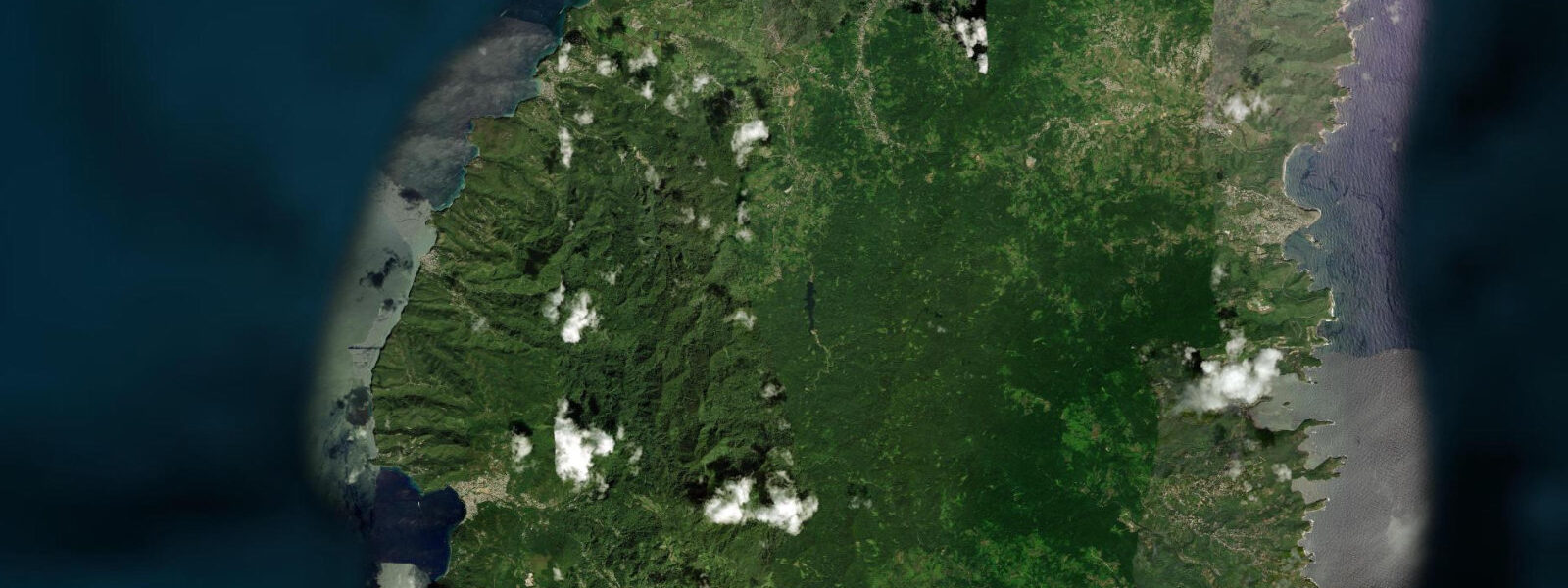
Soufrière, Saint Lucia tide times
Soufrière, Saint Lucia tide forecast — heights relative to MSL.
Tide chart for Soufrière, Saint Lucia
24-hour cosine-interpolated curve around the present moment. Heights relative to MSL. Predictions: Predictions: Open-Meteo Marine (MeteoFrance SMOC, 0.08° grid).
Sun, moon and conditions on Tue 04 Aug
Snapshot at build time — refreshes daily. Sea state from Open-Meteo Marine.
Highs and lows next 7 days
Every predicted high and low for the next week, with the daily tidal coefficient (0–120; higher = bigger swing, > 95 means stronger currents).
Other spots nearby
The three closest curated TideTurtle locations to Soufrière, Saint Lucia, measured by great-circle distance.
Today's solunar windows
Solunar tradition: major periods are the ≈3h windows around moon transit and opposition; minor are ≈2h around moonrise and moonset. Pair with the local tide stage and wind for the best read.
About tides at Soufrière, Saint Lucia
A short guide to the coastline at Soufrière, Saint Lucia — geography, sea state, and what the tide is actually doing under your feet.
Soufrière sits at the base of the Piton massif, where Gros Piton (770 m) and Petit Piton (743 m) rise directly from the Caribbean Sea in one of the most recognisable coastal landscapes in the world. The town faces west across Soufrière Bay, a deep natural anchorage ringed by steep volcanic slopes, and the UNESCO World Heritage Site designation that covers the Pitons Management Area includes the marine zone below the surface as well as the terrestrial peaks above. The combination means the reefs directly below the Pitons are among the most legally protected and biologically intact in the eastern Caribbean.
The tidal regime at Soufrière is Caribbean microtidal: mixed semidiurnal, spring range typically 0.3 to 0.5 metres. At this scale the astronomical tide is a minor variable in dive and snorkel planning; the more significant factors are the morning glass window before the afternoon trade wind fills, and the current that runs through the channel between Petit Piton and the deeper water of the bay. The Anse des Pitons beach — the grey volcanic sand cove between the two peaks — is accessible by boat from Soufrière town pier or by a steep foot trail, and the reef wall that begins immediately below the shoreline at the southern end of Anse Chastanet (north of Petit Piton) drops to over 30 metres within walking distance of the beach.
La Soufrière volcano sits 3 kilometres inland from the town. The drive-in caldera is the most accessible active volcanic feature in the Caribbean — a fleet of minibuses runs tours from the town — and the sulphur springs and bubbling mud pools there have operated as a quasi-spa attraction since the French colonial period. The caldera emits hydrogen sulphide that is detectable as far as the waterfront on a southerly wind. The therapeutic mud baths have a more practical history: the Roman-style hot springs at the volcano are a product of the same geothermal system that heats the bay's floor sediments and makes water temperature in some Soufrière Bay dive sites unusually warm at depth.
For divers, the Piton Wall dive begins at 6 metres below Anse Chastanet beach and descends vertically past coral fans, barrel sponges, and wire corals to the bottom beyond sport diving limits. The wall is accessible without a boat — one of the few genuine beach-entry wall dives in the Caribbean — though the entry from Anse Chastanet requires a resort day-pass fee for beach access. The afternoon trade wind raises surface chop that makes the boat transfer from Soufrière town pier more uncomfortable; morning dives are preferred.
Families and non-divers use Soufrière Bay from the town beach in the morning before the wind comes up. The bay is a charter yacht anchorage, and the dinghy traffic from anchored vessels increases through the day. Snorkelling from the town beach directly is less productive than the Anse Chastanet reef but accessible and free.
For shore anglers, the rock fingers and rubble zones on the bay's southern side, below the Pitons, are productive at dawn on the rising tide for snapper and jacks. The volcanic rock is irregular and sharp; felt-soled footwear is advisable.
Tide predictions for Soufrière come from Open-Meteo Marine, a global gridded ocean model. Accuracy is typically within plus or minus 45 minutes on timing and 0.2 to 0.3 metres on height. The 0.3-to-0.5-metre range means the tide contributes less to daily planning than current, wind, and visibility.
The piton massif is also the most reliable landmark for charter yacht navigation on the Saint Lucia west coast — the peaks are visible from 40 kilometres offshore in clear conditions, and the Soufrière Bay anchorage is identifiable from the sea by the V between the two summits. Charter yachts transiting south from Rodney Bay to the Grenadines typically anchor in Soufrière Bay overnight; the bay can hold 50 to 80 yachts comfortably, and the morning light on the Pitons from the anchorage is one of the more photographed scenes in the Caribbean charter circuit.
Tide questions about Soufrière, Saint Lucia
Quick answers to the most common questions about tide times, range, and water access at Soufrière, Saint Lucia.
What is the tide range at Soufrière, Saint Lucia?
Caribbean microtidal — spring range 0.3 to 0.5 metres, mixed semidiurnal. Two unequal highs and two unequal lows per day. The small range means conditions at the Piton Wall dive sites change little between tide states; current through the channel flanking Petit Piton is the more relevant variable for dive planning. Neap range compresses further, to around 0.2 metres. Tide predictions come from Open-Meteo Marine — accuracy within plus or minus 45 minutes on timing and 0.2 to 0.3 metres on height.
Can I snorkel or dive the Piton Wall without a boat?
Yes, with a qualification. The Anse Chastanet reef and Piton Wall begin within walking distance of the Anse Chastanet beach, where the wall starts at 6 metres depth and drops vertically. You can enter from the beach without a boat — but Anse Chastanet beach is within the resort property, and a day-pass fee (USD 30–40 at last check, subject to change) is required for non-guests to access the beach. The day pass includes use of the beach and snorkel gear rental. Dive operators based at the resort run multiple guided wall dives daily. Access from Soufrière town pier requires a short boat transfer.
Is Soufrière Bay safe for swimming from the town beach?
The town beach at Soufrière is swimmable in calm morning conditions before the afternoon trade wind creates surface chop. The bay is a working waterfront and charter yacht anchorage, so boat traffic increases through the day and dinghy wakes affect the swimming zone. Clarity is reasonable but not the equal of the resort beach at Anse Chastanet to the north. There is no lifeguard. The most practical swimming window is 07:30 to 10:00, before the wind fills. Families with children who want reliable safe swimming are better placed at the resort beaches north of the town.
How do I visit the La Soufrière volcano from the waterfront?
Minibus tours to the La Soufrière caldera depart from Soufrière town regularly through the morning; the drive to the drive-in volcano is roughly 5 kilometres on a steep road through the estates. Organised tour operators from the town waterfront or from resort docks offer half-day packages combining the volcano, the Diamond Falls botanical gardens, and the sulphur spring mud baths. The mud bath itself is a concrete pool of warm sulphurous water below the caldera fumaroles; it is a genuine thermal feature, not a constructed spa. The smell of hydrogen sulphide is strong at the caldera and detectable at the waterfront on southerly wind days.
What is the best time of day to visit Soufrière Bay by boat?
Morning. The Caribbean trade wind is typically calm from 06:00 to around 11:00, producing the glassy surface conditions that make the Piton Wall and Anse Chastanet reef their best for visibility. Day-charter boats from Marigot Bay, Castries, and Rodney Bay typically depart at 07:00 to 08:00 to arrive at Soufrière in the morning glass window. By early afternoon the northeast trade fills in at 15 to 20 knots, raising a surface chop in the bay that makes snorkelling and the boat transfer uncomfortable. Sunset charter cruises return north along the coast and pass the Pitons in the evening light — the western-facing volcanic slopes catch the last red light well.
6-day tide table — Soufrière, Saint Lucia
Heights relative to MSL. Predictions: Open-Meteo Marine (MeteoFrance SMOC, 0.08° grid) — heights relative to MSL (not chart datum / LAT). Model-derived.
| Day | Type | Time | Height |
|---|---|---|---|
| Tue 04 Aug | — | ||
| Wed 05 Aug | Low | 01:50 | 0.1m |
| High | 07:00 | 0.2m | |
| Low | 12:00 | 0.1m | |
| High | 19:10 | 0.4m | |
| Thu 06 Aug | Low | 03:10 | 0.1m |
| Fri 07 Aug | High | 21:00 | 0.4m |
| Sat 08 Aug | Low | 05:50 | 0.0m |
| High | 22:00 | 0.5m | |
| Sun 09 Aug | Low | 06:50 | -0.0m |
| High | 23:10 | 0.5m | |