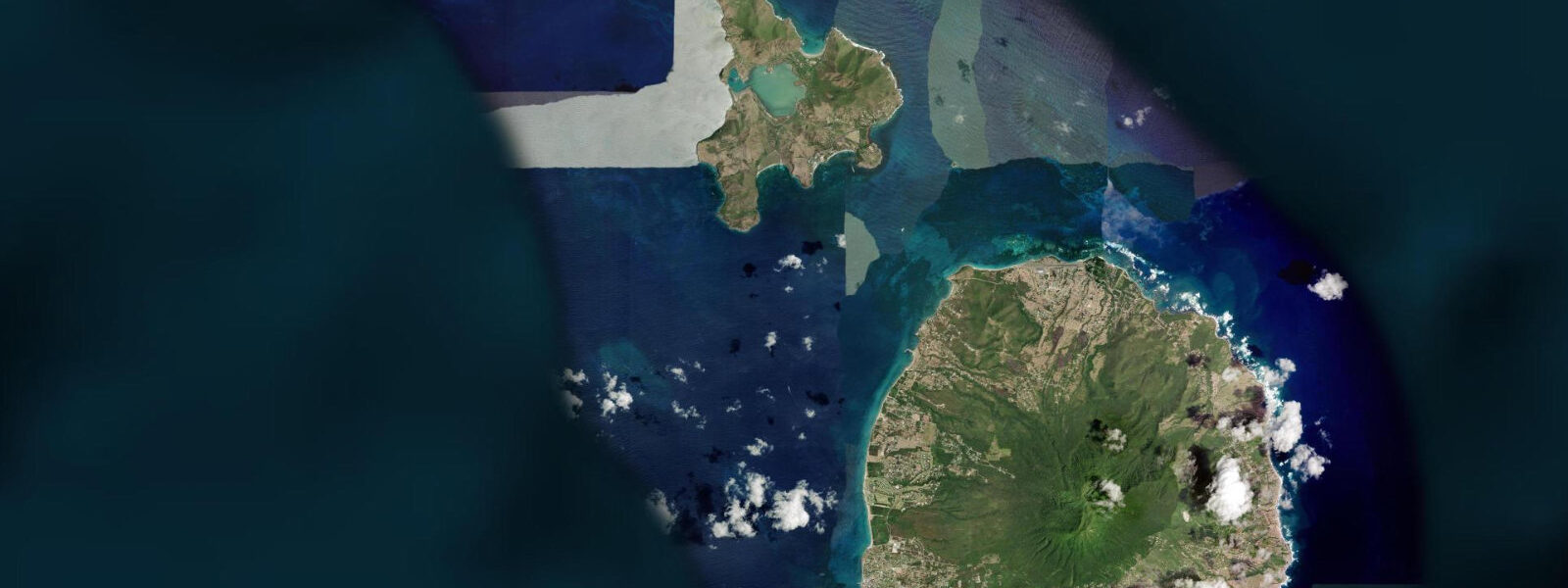
Charlestown, Nevis tide times
Charlestown, Nevis tide forecast — heights relative to MSL.
Tide chart for Charlestown, Nevis
24-hour cosine-interpolated curve around the present moment. Heights relative to MSL. Predictions: Predictions: Open-Meteo Marine (MeteoFrance SMOC, 0.08° grid).
Sun, moon and conditions on Tue 04 Aug
Snapshot at build time — refreshes daily. Sea state from Open-Meteo Marine.
Highs and lows next 7 days
Every predicted high and low for the next week, with the daily tidal coefficient (0–120; higher = bigger swing, > 95 means stronger currents).
Other spots nearby
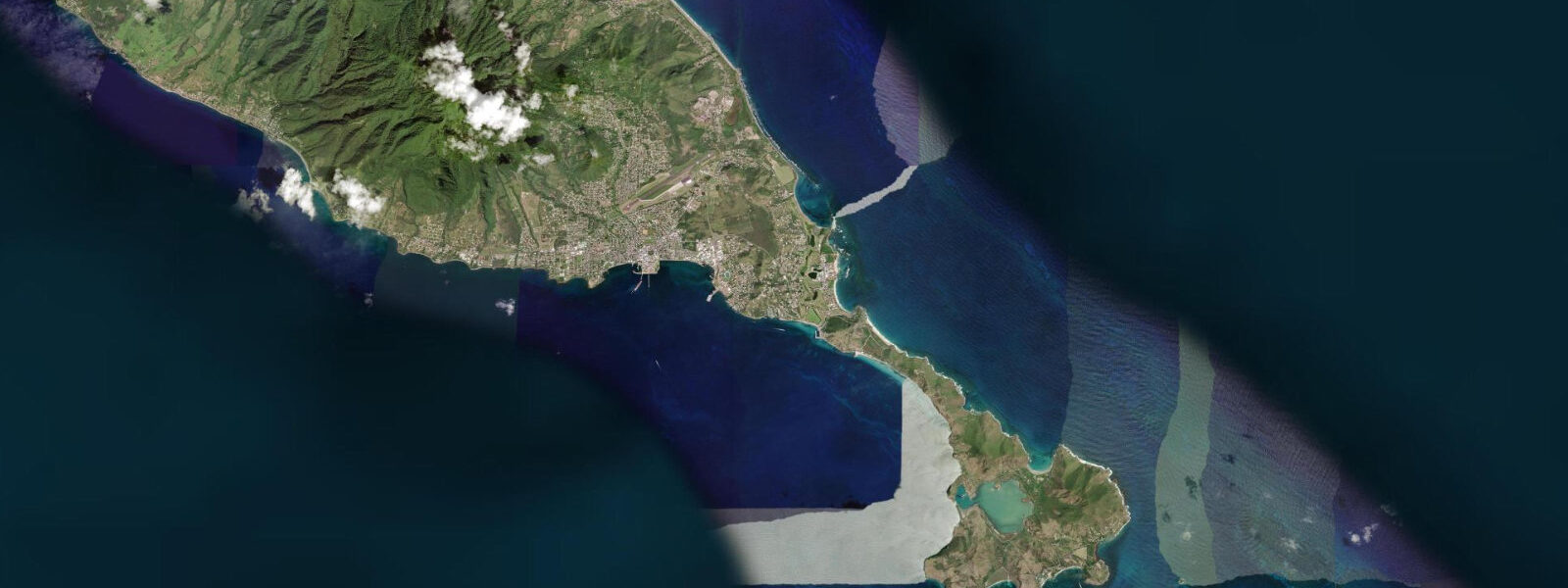
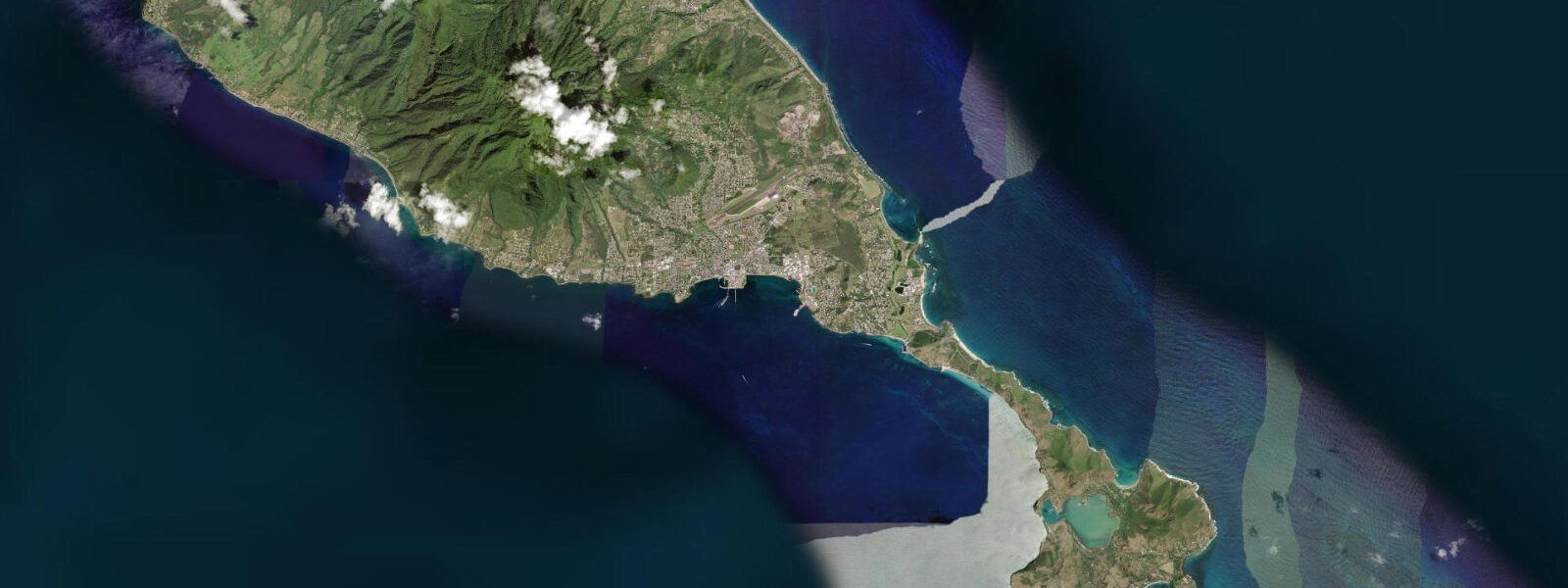
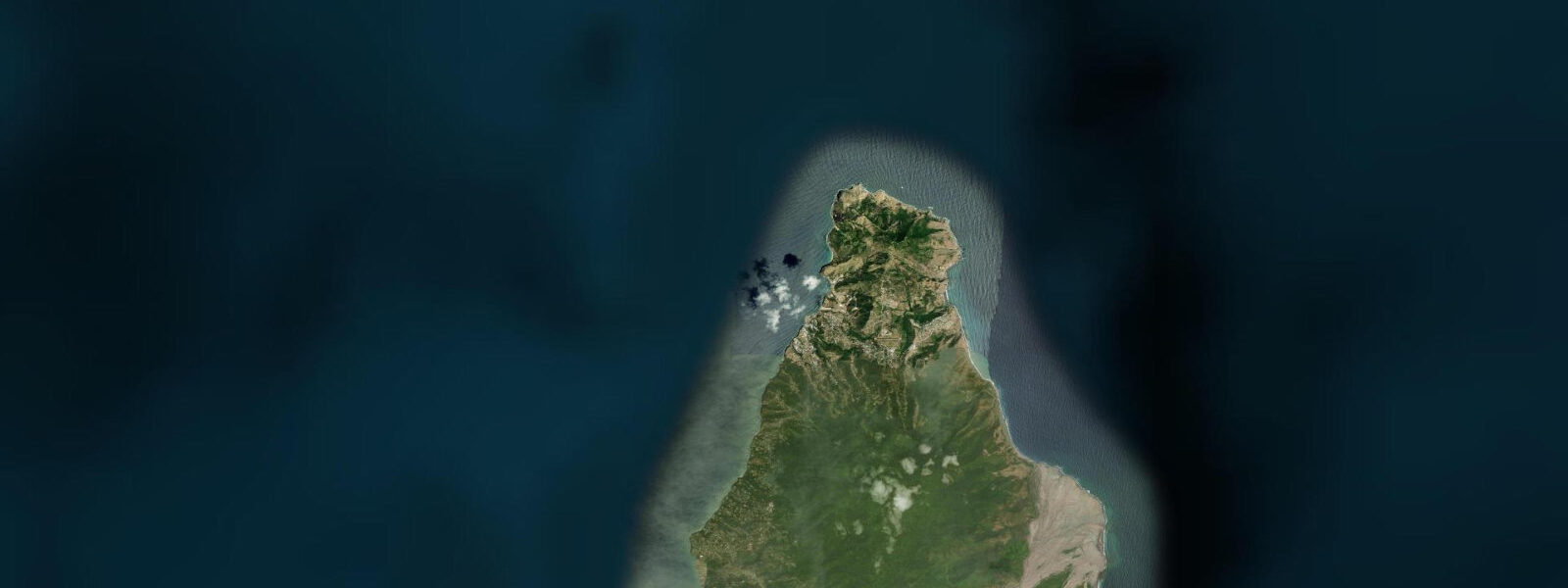
The three closest curated TideTurtle locations to Charlestown, Nevis, measured by great-circle distance.
Today's solunar windows
Solunar tradition: major periods are the ≈3h windows around moon transit and opposition; minor are ≈2h around moonrise and moonset. Pair with the local tide stage and wind for the best read.
About tides at Charlestown, Nevis
A short guide to the coastline at Charlestown, Nevis — geography, sea state, and what the tide is actually doing under your feet.
Charlestown is the capital of Nevis, a quiet waterfront town on the island's leeward west coast, facing Saint Kitts across the Narrows channel 3 kilometres away. The town is compact — the entire centre is walkable in under 20 minutes — and the scale has not changed dramatically from its colonial foundation. A main street with two-storey wooden buildings above covered sidewalks, a small market square, the ferry pier, the courthouse and government buildings, and the Museum of Nevis History in the building that local tradition identifies as Alexander Hamilton's birthplace in 1755.
The tidal regime at Charlestown is Caribbean mixed semidiurnal, spring range 0.3 to 0.5 metres. The leeward west coast is sheltered from the Atlantic trades, and the Narrows channel between Nevis and Saint Kitts is the most tide-sensitive location: the current through the 3-kilometre channel runs on the ebb and flood, and at spring tides can reach 1 to 1.5 knots. The ferry between Charlestown and Basseterre operates across this channel multiple times daily; the crossing is typically smooth on the leeward side but can be rougher when a strong easterly trades against the ebb current in the Narrows.
Pinney's Beach, immediately north of Charlestown, is a 4-kilometre stretch of dark volcanic sand — the volcanic origin of the island produces dark basaltic and andesitic sand rather than the white coral sand of coral-cap islands like Anguilla. The Four Seasons resort sits at the northern end of Pinney's; the public beach runs for several kilometres south of it. The water along Pinney's is calm Caribbean on the leeward side; snorkelling on the near-shore reef is possible but the reef health is modest compared to the more pristine sections around the island's southern and eastern coasts.
The Museum of Nevis History in the restored Hamilton House covers the island's colonial plantation history, the life of Alexander Hamilton (born on the island to a Scottish merchant and a Nevisian woman), and the broader Nevis social history from the colonial period through independence in 1983. It is a small but carefully assembled institution. The parish church register for St. John's Figtree Church, 5 kilometres south of Charlestown, contains the entry for Horatio Nelson's marriage to Fanny Nisbet on 11 March 1787; Nelson was stationed at Antigua at the time and came to Nevis for the ceremony.
For kayakers and paddleboarders, the Charlestown waterfront and the stretch south toward the Narrows provides sheltered flat water. The slight tidal current in the Narrows adds some interest for paddlers who push south toward the channel; the current runs against the paddler on the ebb if heading south, with them on the return flood.
The morning fish market at the Charlestown pier is the main commercial fishing activity; flying fish, snapper, and lobster in season are the primary species from the local pirogue fleet. Shore anglers fish the pier and the rocks south of the ferry terminal on the incoming flood.
Tide predictions for Charlestown come from Open-Meteo Marine, a global gridded ocean model. Accuracy is typically within plus or minus 45 minutes on timing and 0.2 to 0.3 metres on height.
The craft and cultural sector in Charlestown is small but genuine. The Newcastle Pottery above the town makes traditional Nevis redware ceramics — the same clay body and technique used for the characteristic brown storage vessels (monkeys) that provided drinking water cooled by evaporation through the porous clay walls. The Nevis craft cooperative sells hand-made items from local materials. The Saturday morning market in Charlestown is the best day to see the agricultural production of the Nevis hills — ground provisions, tropical fruit, and the particular variety of arrowroot still grown on the island for export as a food-grade starch.
Tide questions about Charlestown, Nevis
Quick answers to the most common questions about tide times, range, and water access at Charlestown, Nevis.
What is the tide range at Charlestown, Nevis?
Caribbean microtidal — mixed semidiurnal, spring range 0.3 to 0.5 metres. The leeward west coast is sheltered from the Atlantic; two unequal highs and two unequal lows per day. The Narrows channel between Charlestown and Basseterre runs a stronger tidal current than the open coast — spring ebb can reach 1 to 1.5 knots in the narrowest section. Tide predictions come from Open-Meteo Marine — accuracy within plus or minus 45 minutes on timing and 0.2 to 0.3 metres on height.
What is the Alexander Hamilton connection to Charlestown?
Alexander Hamilton, one of the United States' Founding Fathers and the first Secretary of the Treasury, was born on Nevis in 1755. The Museum of Nevis History is housed in a building on Main Street that local tradition identifies as his birth house, though the precise historical record is debated. Hamilton lived on Nevis until approximately 1765, when his family relocated to Saint Croix. The museum covers Hamilton's Nevisian origins alongside the island's broader colonial and plantation history. The museum is open Monday through Saturday; admission is modest.
How do I get from Charlestown to the Four Seasons on Pinney's Beach?
The Four Seasons Resort is approximately 4 kilometres north of Charlestown along the coast road, a 10 to 15 minute drive. Taxis from the Charlestown ferry pier to the resort are available and run at around USD 15 to 20. If you are a non-guest wanting to use Pinney's Beach south of the resort, the public beach access is from the road south of the resort property; parking is available at the road margin. The Four Seasons operates a beach restaurant open to non-guests, accessible by day-guest arrangement.
How frequently do ferries run between Charlestown and Basseterre?
The Charlestown to Basseterre ferry runs multiple daily crossings, typically 5 to 7 round trips per day Monday through Saturday with fewer on Sunday. Journey time is 45 minutes on the regular vessel; a faster service when available takes around 30 minutes. The Narrows crossing is almost always smooth on the leeward side; conditions can be rougher when strong easterlies are running against the ebb current. The ferry schedule varies seasonally; check the current timetable from the Saint Kitts–Nevis Ferry Service before planning. Capacity is not unlimited; book in advance for carnival and festival periods.
What is the best swimming beach near Charlestown?
Pinney's Beach, immediately north of town, is the most accessible. The 4-kilometre stretch of dark volcanic sand on the leeward Caribbean side is calm, sheltered from the northeast trades, and swimmable across the full tidal cycle. The water colour is darker than white-sand beaches, but the Caribbean clarity is good in normal conditions. For clearer water and lighter sand, Oualie Beach, 8 kilometres north of Charlestown past Pinney's, is a more attractive option with a beach bar and water sports rental. The volcanic sand throughout Nevis's west coast is a feature of the island's geology, not a water quality issue.
7-day tide table — Charlestown, Nevis
Heights relative to MSL. Predictions: Open-Meteo Marine (MeteoFrance SMOC, 0.08° grid) — heights relative to MSL (not chart datum / LAT). Model-derived.
| Day | Type | Time | Height |
|---|---|---|---|
| Tue 04 Aug | — | ||
| Wed 05 Aug | — | ||
| Thu 06 Aug | — | ||
| Fri 07 Aug | — | ||
| Sat 08 Aug | — | ||
| Sun 09 Aug | Low | 08:00 | 0.1m |
| High | 22:00 | 0.5m | |
| Mon 10 Aug | Low | 08:50 | 0.1m |
| High | 19:00 | 0.4m | |