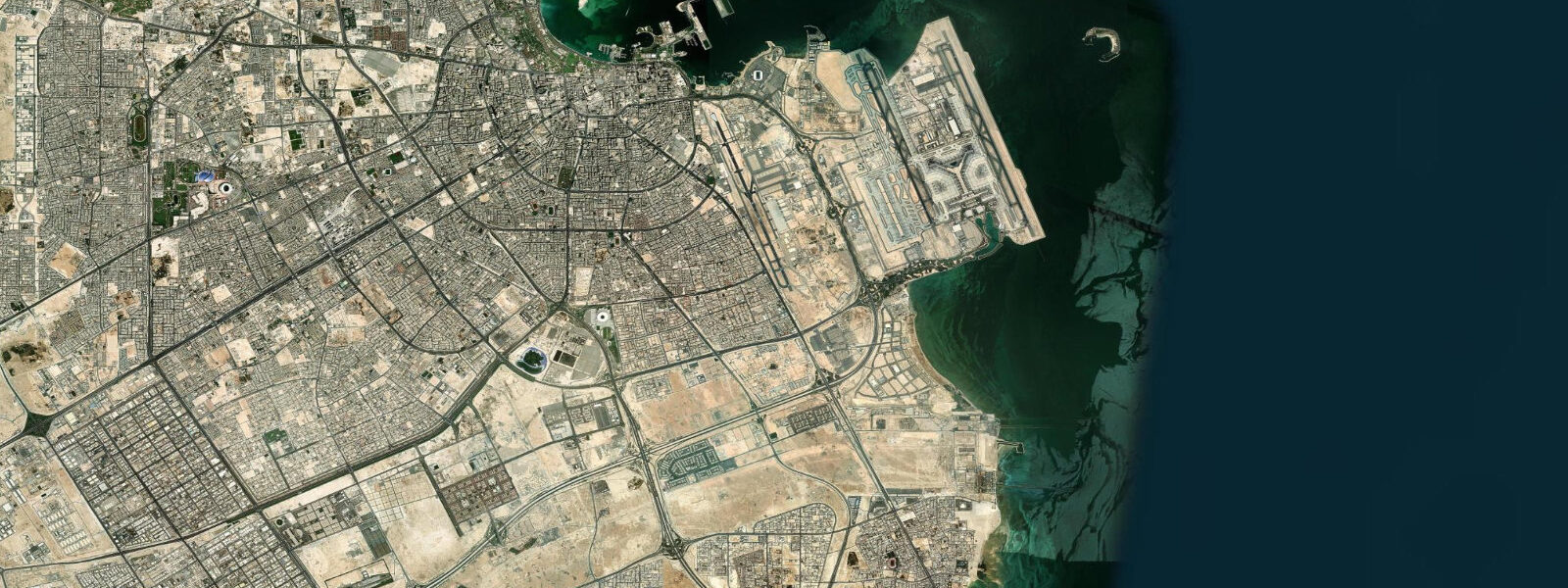
Al Wakrah tide times
Al Wakrah tide forecast — heights relative to MSL.
Today's tide times for Al Wakrah
Tide times at Al Wakrah on Tuesday, 4 August 2026: first low tide at 03:00am, first high tide at 07:40am, second low tide at 01:38pm, second high tide at 07:18pm. Sunrise 05:01am, sunset 06:17pm.
Tide chart for Al Wakrah
24-hour cosine-interpolated curve around the present moment. Heights relative to MSL. Predictions: Predictions: Open-Meteo Marine (MeteoFrance SMOC, 0.08° grid).
Sun, moon and conditions on Tue 04 Aug
Snapshot at build time — refreshes daily. Sea state from Open-Meteo Marine.
Highs and lows next 7 days
Every predicted high and low for the next week, with the daily tidal coefficient (0–120; higher = bigger swing, > 95 means stronger currents).
Other spots nearby
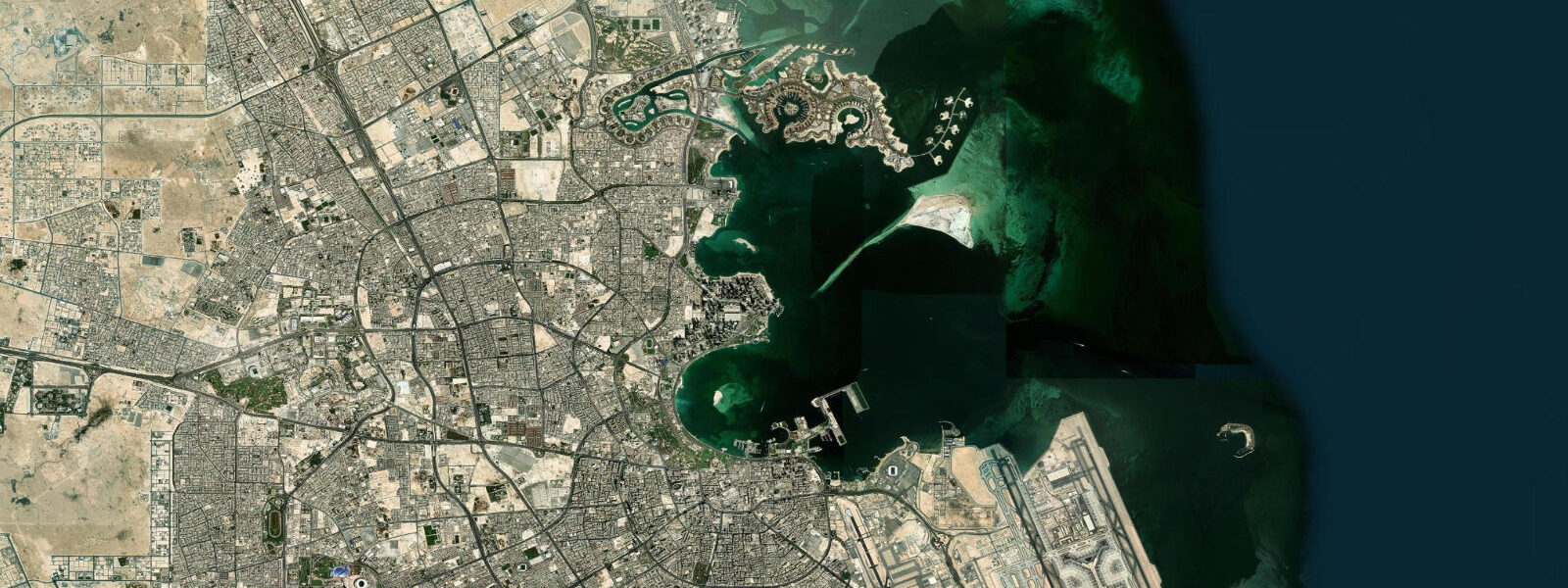
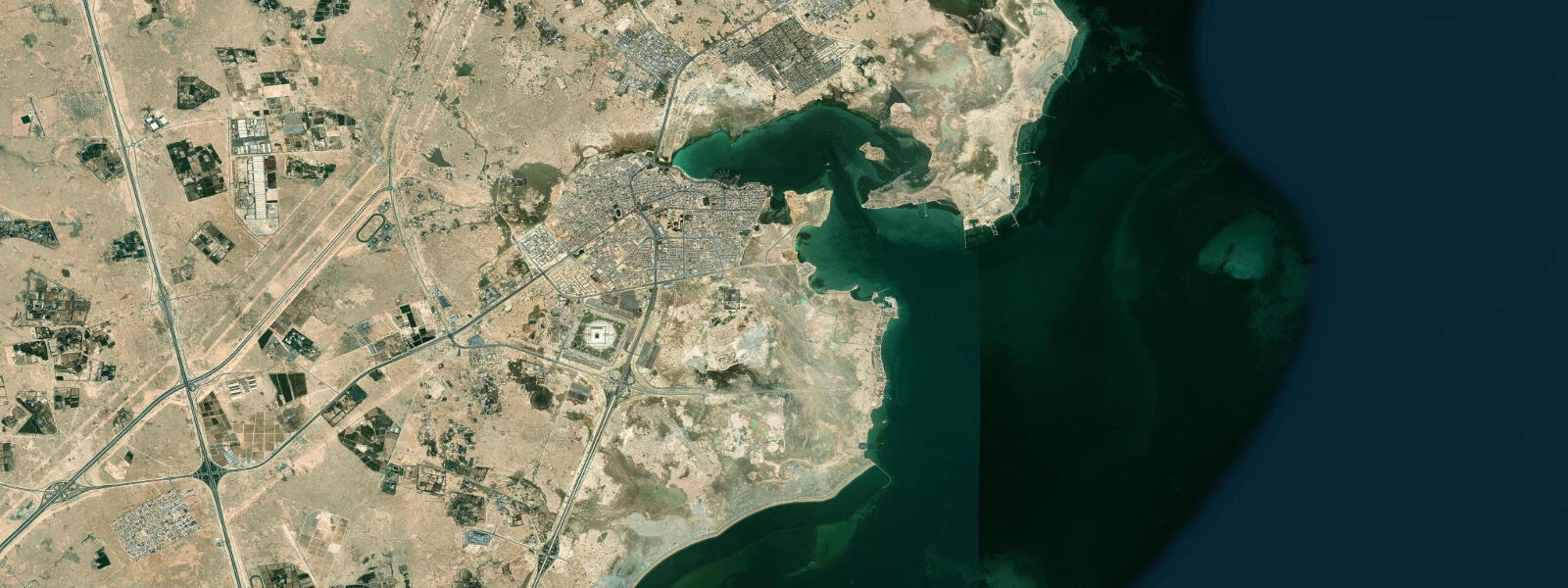
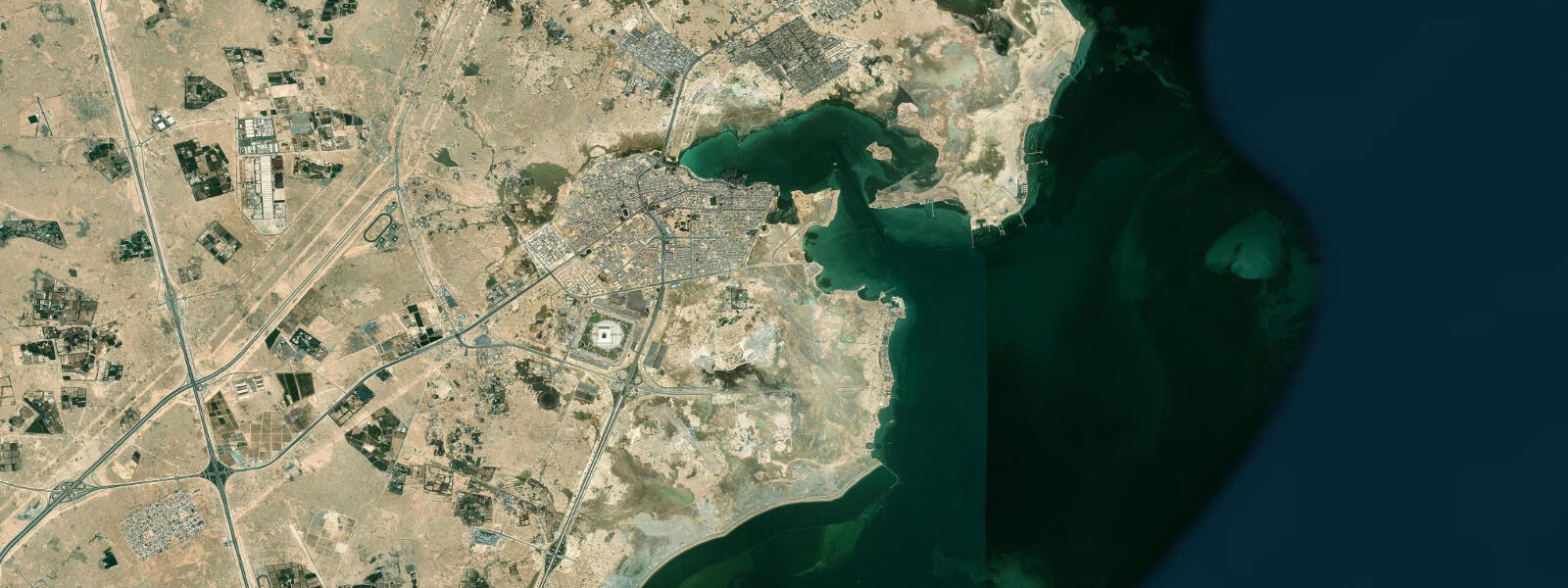
The three closest curated TideTurtle locations to Al Wakrah, measured by great-circle distance.
Today's solunar windows
Solunar tradition: major periods are the ≈3h windows around moon transit and opposition; minor are ≈2h around moonrise and moonset. Pair with the local tide stage and wind for the best read.
Cycle dates near Al Wakrah
Next spring tide on Mon 10 Aug (range 1.6m). Next neap on Thu 06 Aug.
Spring tides cluster around new and full moons (biggest swings). Neap tides land on quarter moons (smallest swings). See the spring tide and neap tide glossary entries for the why.
About tides at Al Wakrah
A short guide to the coastline at Al Wakrah — geography, sea state, and what the tide is actually doing under your feet.
Al Wakrah is one of Qatar's oldest continuously inhabited coastal settlements, 15 km south of Doha on the east coast of the Qatar peninsula. The old town (Al Wakrah Heritage Village) retains its traditional coral-stone and gypsum architecture, with a restored dhow harbour fronting a small bay. This is one of the best-preserved historic fishing villages in Qatar: the pearl-diving era is evidenced by the boat-building yard adjacent to the harbour and the traditional architectural forms of the waterfront buildings. Modern Al Wakrah has grown substantially around the historic core since the 2000s, but the harbour village remains intact.
The tidal regime is the same as Doha, 15 km north: mixed semidiurnal Arabian Gulf, spring range 1.5–1.8 m, pronounced diurnal inequality. The Al Wakrah bay is shallow and semi-enclosed by a curved headland, making it a natural harbour with lower wave energy than the open Gulf coast. At spring low water, the harbour basin partially dries in its inner section and the broad sandy tidal flat in front of the heritage village is exposed for 200–300 m seaward of the normal waterline.
For photographers, the Al Wakrah dhow harbour at low spring tide is one of the most visually compelling traditional Gulf waterscapes in Qatar. The coral-stone buildings of the heritage village back directly onto the harbour; when the tide drops at spring low water, the traditional dhows are grounded on the mud-and-sand bottom and the harbour floor — with its history of pearl-diving operations — is exposed. Morning light from the east illuminates the west-facing harbour face at sunrise. The 2-hour spring low water window before 08:00 gives the optimal combination of light angle and tidal exposure.
For visitors exploring the heritage village, the tidal state affects the walkable foreshore. At low spring water, the exposed tidal flat in front of the heritage waterfront is firm sand and can be walked for several hundred metres. Footwear is recommended — shell fragments and occasional buried debris from boat-building operations are present. At high water, the flat is submerged and the harbour has its most active appearance, with the dhows floating at their moorings. The heritage village promenade is accessible at all tidal states; only the access down to the beach-and-flat level requires awareness of water level.
For boaters, the Al Wakrah harbour approach is in 1.5–2.5 m at mean water outside the inner basin. The spring low water drop of 1.5–1.8 m leaves the outer approach in 0.0–1.0 m — accessible only to the shallowest-draft vessels. Small fishing boats and traditional wooden dhows with drafts of 0.5–0.8 m can transit the approach at all but the absolute lowest spring water. Visiting recreational vessels drawing over 1.0 m should plan arrival on the upper half of the tide and confirm approach depth with local harbour users.
Al Wakrah's fishing heritage continues in the present: an active artisanal fleet operates from the harbour, targeting hammour, zubaidi, and snapper on the Gulf bottom outside the bay. The fish market adjacent to the harbour receives the daily catch from 06:00 and is a functional, active market. The flood tide is the preferred setting time for handline fishing from small boats on the Gulf flats east of the bay, when the advancing water brings warmer, clearer Gulf water over the feeding grounds. The Shuwaikh fish market in Doha, open from 06:00, provides a useful cross-reference for what species are running across the Qatar coast; Al Wakrah's own harbour market reflects the same pattern with a 24-hour delay as boats from the two ports work overlapping grounds.
For nature visitors, the seagrass beds that line the seaward edge of the Al Wakrah tidal flat support juvenile fish populations and are a feeding area for dugong, which are documented along Qatar's east coast. The Qatar Ministry of Environment's dugong monitoring programme has recorded individuals feeding on the Halophila seagrass beds off Al Wakrah at low water, when the flat is most accessible. Observing from the heritage promenade with binoculars at spring low water gives the widest view of the exposed flat and the best chance of detecting surface activity.
All tide predictions for Al Wakrah come from the Open-Meteo Marine gridded model. Timing accuracy is ±45 minutes; height accuracy is ±0.3 m above Chart Datum.
Tide questions about Al Wakrah
Quick answers to the most common questions about tide times, range, and water access at Al Wakrah.
What is the best tidal state for visiting Al Wakrah heritage harbour for photography?
The optimal window is the 2 hours around spring low water on an early morning. At spring low water, the harbour basin partially dries in its inner section, grounding traditional dhows on the mud-sand bottom and exposing the harbour floor — a composition unique to this tidal state. Morning light from the east illuminates the coral-stone heritage village facade at sunrise. The specific low water time varies daily with the tidal cycle; use the Al Wakrah tide prediction to identify a spring low water falling between 06:00 and 09:00. Neap lows reduce the tidal exposure by 0.5–0.7 m, making the grounding effect less pronounced.
Can small boats enter Al Wakrah harbour at all tidal states?
Traditional Al Wakrah fishing dhows drawing 0.5–0.8 m can transit the harbour approach at most tidal states, approaching carefully in the hour before spring low water. The approach outside the inner basin is in 1.5–2.5 m at mean water; the spring low water drop of 1.5–1.8 m brings this to 0.0–1.0 m in the shallowest sections. Visiting recreational craft drawing over 1.0 m should plan arrival on the rising tide, no later than 2 hours after predicted low water, and confirm the approach line with local fishermen or the harbour authority. The inner harbour basin dries partially at spring low water — berth only with vessels that can sit safely on the bottom.
Is the Al Wakrah heritage village worth visiting and how does the tide change the experience?
Al Wakrah Heritage Village is one of the best-preserved traditional Gulf fishing settlements in Qatar. The coral-stone and gypsum architecture, the boat-building yard, and the active dhow harbour give a more immediate connection to the pearl-diving past than Doha's reconstructed heritage sites. At low spring water, the foreshore in front of the village is exposed as a walkable tidal flat — the experience of standing on the harbour bottom, looking up at buildings that were built when this harbour was the commercial heart of the community, is distinctive. At high water, the harbour is full and the dhows float at their moorings, giving a different but equally valid visual impression.
What fish species does the Al Wakrah artisanal fleet target?
The Al Wakrah fishing fleet targets the same Arabian Gulf inshore species as the rest of the Qatar coast: hammour (orange-spotted grouper), zubaidi (silver pomfret), and Qatari snapper (Lutjanus species) are the primary commercial species. Handline fishing from small boats on the Gulf bottom outside the bay uses the flood tide to reach warmer, clearer water over productive feeding grounds. The Al Wakrah fish market, open from 06:00 adjacent to the harbour, receives the daily catch and its species composition reflects what is available in the current season. Zubaidi are most abundant in summer; hammour year-round.
How does the tidal flat in front of Al Wakrah compare to Doha Bay's flats?
Al Wakrah's tidal flat is smaller than Doha Bay's extensive shallows but more accessible on foot: the flat in front of the heritage village is firm sand with some shell debris and can be walked 200–300 m at spring low water. Doha Bay's flats are softer mud unsuitable for casual walking. Al Wakrah's enclosed bay means the flat is calmer and better protected from wave action during tidal exposure. Seagrass beds (Halophila stipulacea) appear at the seaward edge of the flat and provide habitat for juvenile fish and invertebrates. The flat dries for approximately 4–6 hours around each spring low water on a typical tidal day.
7-day tide table — Al Wakrah
Heights relative to MSL. Predictions: Open-Meteo Marine (MeteoFrance SMOC, 0.08° grid) — heights relative to MSL (not chart datum / LAT). Model-derived.
| Day | Type | Time | Height |
|---|---|---|---|
| Tue 04 Aug | Low | 03:00 | -0.1m |
| High | 07:40 | 0.5m | |
| Low | 13:38 | 0.2m | |
| High | 19:18 | 0.9m | |
| Wed 05 Aug | Low | 03:00 | -0.1m |
| High | 19:45 | 0.7m | |
| Thu 06 Aug | Low | 03:36 | -0.2m |
| High | 10:10 | 0.6m | |
| Low | 16:50 | 0.4m | |
| High | 20:15 | 0.5m | |
| Fri 07 Aug | Low | 04:10 | -0.3m |
| High | 13:00 | 0.8m | |
| Low | 19:10 | 0.4m | |
| High | 20:54 | 0.4m | |
| Sat 08 Aug | Low | 05:00 | -0.3m |
| High | 14:04 | 1.0m | |
| Low | 21:15 | 0.3m | |
| High | 21:50 | 0.3m | |
| Sun 09 Aug | Low | 06:10 | -0.3m |
| High | 14:46 | 1.1m | |
| Mon 10 Aug | Low | 07:20 | -0.4m |
| High | 15:25 | 1.3m | |
| Low | 22:47 | 0.1m |